
Bird and pigeon control in Al Rawabi Jeddah
Al Rawabi is a mixed district where closely spaced apartment buildings sit directly above dense rows of shops along Old Makkah Road and Bin Laden Road. This combination of high residential density and ground level commercial use creates numerous nesting opportunities across building facades, rooftops and shopping centres. The continuous food and water supply from the shops and the concentration of residents draw pigeons to settle throughout the district.
-
Targeted, not broadcast
Product goes into cracks and runways, never sprayed across open surfaces.
-
Told before we start
What we will use, where it goes, and what to cover or move before we arrive.
-
A follow-up visit
We return after the first treatment, because what survives it does not show on the day.
-
Homes and businesses
Apartments and villas, and kitchens and stores that need a record of each visit.
Why they keep coming back in Al Rawabi
Shared roofs and multiple water tanks across dozens of flats mean nesting is scattered across several sites within a single building rather than concentrated on traditional ledges alone. The method is set out in full on how we approach Bird and pigeon control.
Long continuous facades and exposed ground level shops
Densely packed buildings fronting Old Makkah Road and Bin Laden Road present long unbroken facades where pigeons nest between windows and air units. Street level shops leave food scraps and waste daily that draw flocks continuously. The open frontages and exposed loading areas create perching points at every storey.
Shared roofs and multiple distributed water tanks
Dozens of flats share single rooftops and multiple water tanks scattered across the surface, requiring approval from many residents and complex coordination. Pigeons move freely between tanks and ledges within the same building complex, meaning deterrent fitting must be comprehensive across all shared areas.
Humid air and maritime moisture from the port and refinery
Moisture drifting westward from the port and refinery keeps rooftops and facades damp year round, reducing the effectiveness of some traditional deterrents and requiring more frequent maintenance of fitted protection.
Landmarks of Al Rawabi
The district stretches between Old Makkah Road and Bin Laden Road, with Bin Laden Park marking a reference point for organising the work. Ibn Al Qayyim Mosque and Al Rawabi Shopping Centre show the commercial density and mixed use that attracts pigeons throughout the area.
- Old Makkah Road
- Bin Laden Road
- Bin Laden Park
- Ibn Al Qayyim Mosque
- Al Rawabi Shopping Centre
The building decides which deterrent works
The district falls into two sections, a newer northern area crossed by Bin Laden Road and an older southern strip along Old Makkah Road, with tightly packed residential buildings and small neighbourhood parks serving a very high density population.
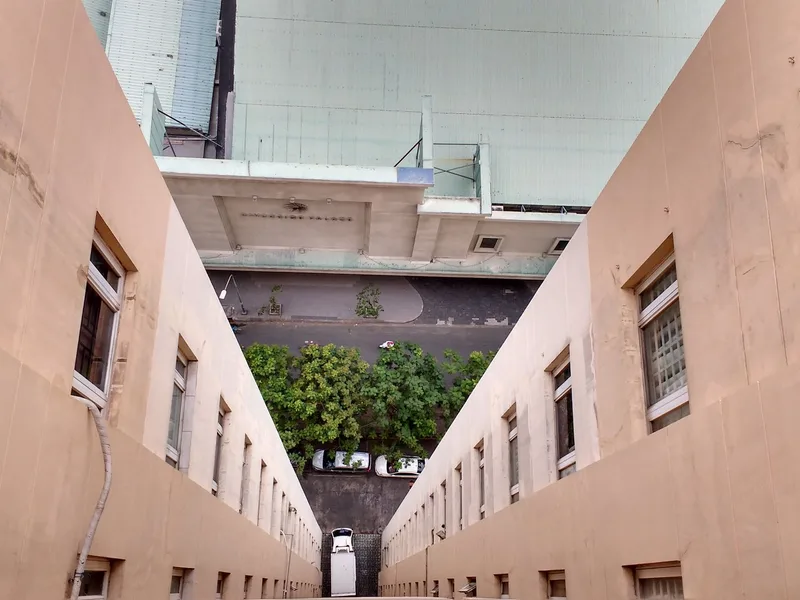
Ledge width
Building ledges start at six metres high and vary from simple edges to decorated cornices with mouldings, each needing a deterrent matched to its exact profile and width.
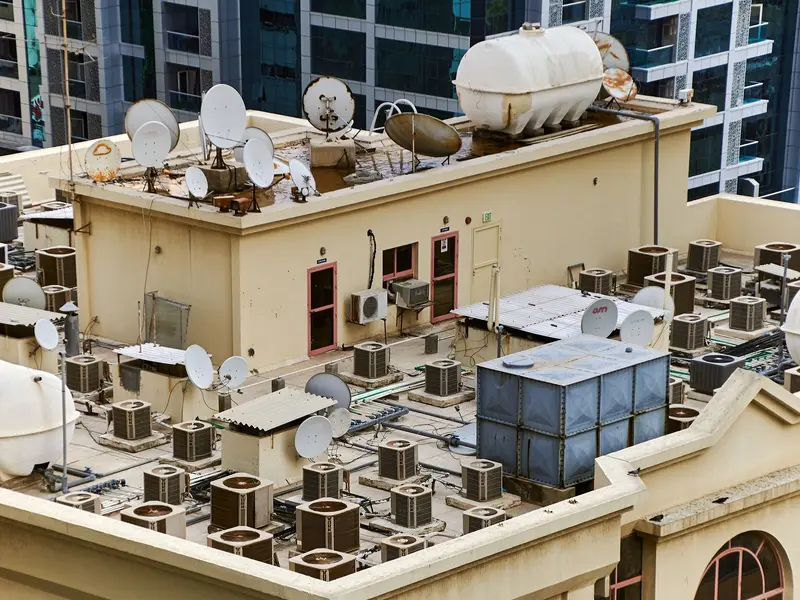
Air conditioning platforms
Air conditioning units cover more than half of most facades, gaps between them are narrow, and several sit directly above shop frontages where pigeons land after feeding.
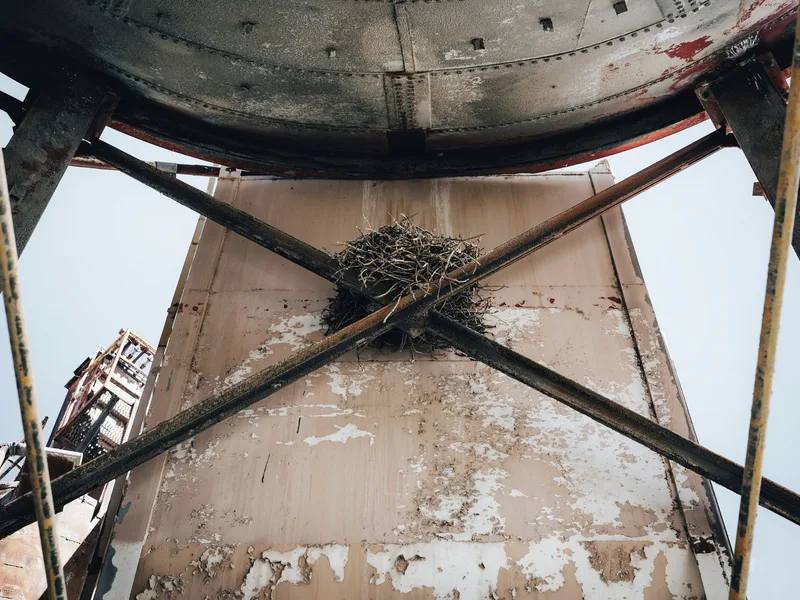
The nest itself
Nesting occurs across the main building edge, balconies, gaps between units and window frames, not primarily in ventilation shafts or service openings.
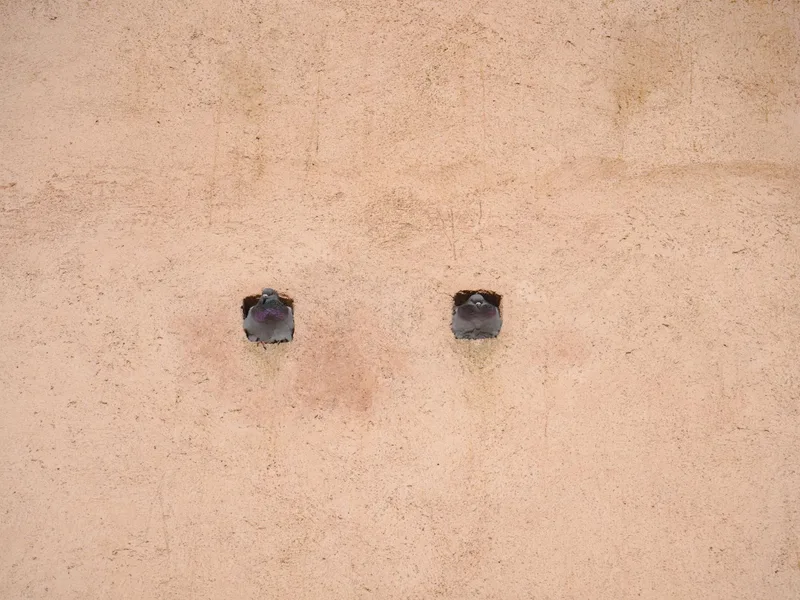
The droppings pattern
Droppings accumulate heavily on shop frontages and main facades, especially at building corners where wind gusts concentrate the mess.
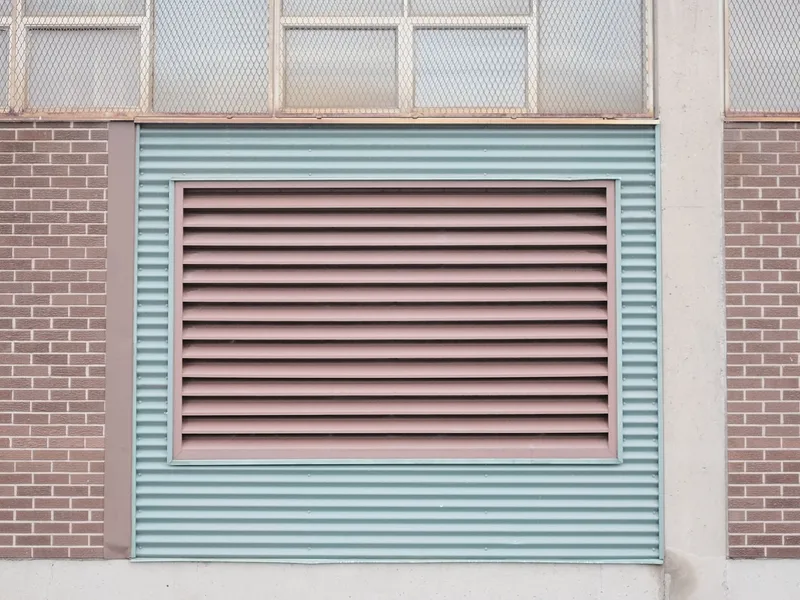
Openings and shafts
Openings are numerous: flat windows, balconies, air unit outlets and maintenance access, each a natural perching point the pigeons use freely.
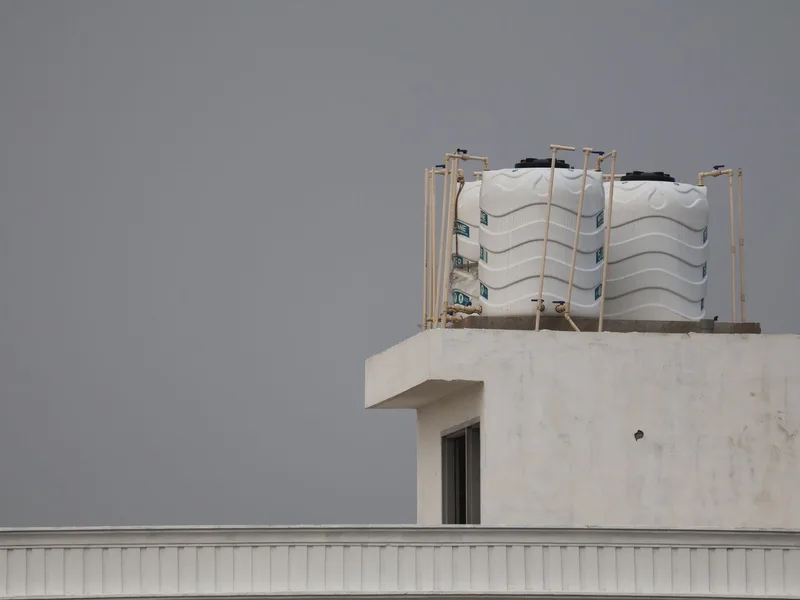
Around the roof tank
Water tanks sit directly on the roof with minimal clearance, pigeons land on top edges easily, and seeping water provides a drinking source.
How we work
-
1
Survey the roof and the facade
We walk the roof, the projections, the condenser platforms and the shafts, separate the nesting positions from the perching ones, and measure and photograph every ledge.
-
2
Strip the nests and treat the parasites
Droppings are wetted before they are lifted so nothing goes airborne dry, bagged closed, and the nest position is treated for ticks and mites before the surface is sanitised.
-
3
Close and fit
Netting tensioned on a perimeter wire with no gap at the corners, spikes or wire on the narrow projections, metal mesh across vents and shafts, and the roof drains freed of the nest material packing them.
-
4
The follow-up visit
We come back to check the tension, the corners and any position the flock has moved to, and correct what has slackened before a bird finds it.
What bird and pigeon control includes
-

A recorded survey
Every ledge, condenser platform and shaft, photographed, with nesting separated from perching before anything is chosen.
-

Nest removal and drain clearing
Lifted wet rather than swept dry, bagged closed, and the roof drains freed of the nest material packing them.
-

Parasite treatment and sanitising
The nest position treated for ticks and mites, then the surface the droppings sat on sanitised.
-

Sealing and fitting the deterrents
Netting tensioned on a perimeter wire, spikes or wire on narrow projections, and metal mesh across ventilation openings.
-

Aftercare instructions
The condensate water, food left on the roof, and what should not sit beside a ledge if the attraction is to stay gone.
-

A follow-up on tension and corners
Netting slackens and corners open over time; the visit corrects that and closes any new position.
What is different about Al Jamiah Sub-Municipality
Al Jamiah sub municipality spans the older south of Jeddah. Planned districts such as Al Fayha, Al Thaghr and Madain Al Fahd sit beside crowded popular quarters like the Nazlahs and Al Quraiyat, and beside cleared or clearing land in Ghulail, Petromin and Al Thaalibah awaiting redevelopment. Apartment buildings stand close together above dense runs of shops and restaurants along Old Makkah Road and Prince Majid Road. Drainage in the popular quarters is ageing, humid air drifts in from the port and refinery side to the west, and the flat low lying ground holds rainwater in narrow streets.
Questions about this district
Many shops occupy the ground floor of blocks, does treatment differ for flats above them?
Treatment must cover both shop and flat together because pigeons move between levels constantly. We seal shop frontages, balconies and windows on upper storeys by the same standards, adjusting for shop height and wind breaks created by the storey arrangement.
Our roof is shared by fifty flats, how do we get everyone to agree?
We help prepare a letter explaining the health and sanitation benefits to all residents. Approval usually comes quickly once residents understand the problem affects everyone equally and shared action solves it completely.
Bin Laden Park sits beside our block, do pigeons arrive from the park onto the roof?
Parks provide safe shelter but pigeons prefer secure building rooftops and facades. Protecting your roof and openings stops them settling despite the park being close, because they choose safer ledges once the building is sealed.
There are so many air conditioning units on the facade, do they obstruct the work?
External units actually provide natural protection and gaps we use to fit mesh. We treat them as strong points in the protection scheme rather than obstacles to be worked around.
Is the first floor flat simpler to protect than a tenth floor flat?
Ground floors may see more approach attempts because they sit closer to shops and ground level food sources. Higher floors require equal care because pigeons reach them directly from the roof after nesting there.
Al Rawabi Shopping Centre towers above the district, does it attract more pigeons to our area?
Large shopping centres provide abundant food and water sources, and pigeons spread from them into neighbouring residential buildings. Protecting your home is essential even if the main problem originates in the shopping centre, as pigeons migrate to nearby blocks daily.
How much does bird and pigeon control in Al Rawabi cost?
It is set after the inspection, because the price follows the type of infestation, the size of the space, how far it has spread and the number of visits it needs. Send a photo and a description on WhatsApp and we will give you an estimate before we reach Al Rawabi.
Nearby districts we cover
Other services in Al Rawabi
Other services we provide to residents of Al Rawabi.
-
 Residential
Cockroach control
Residential
Cockroach control
-
 Residential
Bed bug control
Residential
Bed bug control
-
 Residential
Termite control
Residential
Termite control
-
 Residential
Rodents and mice
Residential
Rodents and mice
-
 Residential
Mosquito control
Residential
Mosquito control
-
 Residential
Fly control
Residential
Fly control
-
 Residential
Ant control
Residential
Ant control
-
 Residential
Gecko control
Residential
Gecko control
-
 Residential
Scorpion control
Residential
Scorpion control
-
 Residential
Snake control
Residential
Snake control
-
 Residential
Flea control
Residential
Flea control
-
 Residential
Preventive treatment
Residential
Preventive treatment
-
 Residential
Disinfection
Residential
Disinfection
-
 Commercial
Annual contracts
Commercial
Annual contracts
-
 Commercial
Restaurants and cafes
Commercial
Restaurants and cafes
-
 Commercial
Hotels and apartments
Commercial
Hotels and apartments
-
 Commercial
Warehouses and factories
Commercial
Warehouses and factories
-
 Commercial
Schools and nurseries
Commercial
Schools and nurseries
-
 Commercial
Retail and malls
Commercial
Retail and malls
-
 Commercial
Rest houses and farms
Commercial
Rest houses and farms
-
 Commercial
Fumigation
Commercial
Fumigation
-
 Water tanks
Water tank cleaning
Water tanks
Water tank cleaning
-
 Water tanks
Water tank sterilization
Water tanks
Water tank sterilization
-
 Water tanks
Water tank sealing
Water tanks
Water tank sealing
-
 Water tanks
Tank leak repair
Water tanks
Tank leak repair
Need bird and pigeon control in Al Rawabi? Tell us what you saw and we will tell you what it needs
We reach Al Rawabi at a time we agree, and you get the full cost before we start.