

Bird and pigeon control in At Tanim Makkah
At Tanim is purely commercial territory on the Madinah road where pilgrims arrive and move through in an unbroken stream. The road is lined with ihram shops, restaurants and coach stations where buses stop constantly, leaving food scraps and packaging at every corner hourly. Pigeons do not abandon a place that yields this much food. The real problem here is not nests alone but the perpetual human traffic that feeds them.
-
Targeted, not broadcast
Product goes into cracks and runways, never sprayed across open surfaces.
-
Told before we start
What we will use, where it goes, and what to cover or move before we arrive.
-
A follow-up visit
We return after the first treatment, because what survives it does not show on the day.
-
Homes and businesses
Apartments and villas, and kitchens and stores that need a record of each visit.
Why they keep coming back in At Tanim
Pigeons in At Tanim never go hungry because worshippers arrive around the clock with food, and waste drops constantly. So bird numbers are higher here and nest density thicker than in ordinary residential districts. The method is set out in full on the full Bird and pigeon control page.
Coach stations and a constant supply of new arrivals
SAPTCO station and the smaller stations create hourly food sources from incoming pilgrims. Worshippers eat and discard, and pigeons learn the rhythm of busy times. A deterrent fitted to a coach station faces pigeon numbers far above the typical residential average.
Position between Jabal Nuaym and Jabal Naim
The hill country around At Tanim offers natural perching positions and shelter. Pigeons use the hills as launchpads to the food below and return easily, as the distance is short. Nests may be sited some distance from the food source but the bird covers it quickly.
High humidity and closeness to the Haram boundary
The position near the Haram boundary and humidity from proximity to Makkah city create favourable conditions for the parasites that live on pigeons and any waterfowl present. Treatment must address these small parasites embedded in plumage and droppings.
The character of At Tanim
Commercial area: offices, showrooms and small stores
A commercial area means constant motion and waste that never stops and easy access to cheap food. The pigeon here is not simply looking for a nest but occupying a commercial zone that supplies every need.
The building decides which deterrent works
Year round flow of pilgrims taking ihram, multiple food shops and restaurants, constant coach and taxi traffic stopping to collect passengers, all leaving food waste, packaging and crumbs on the ground continuously.
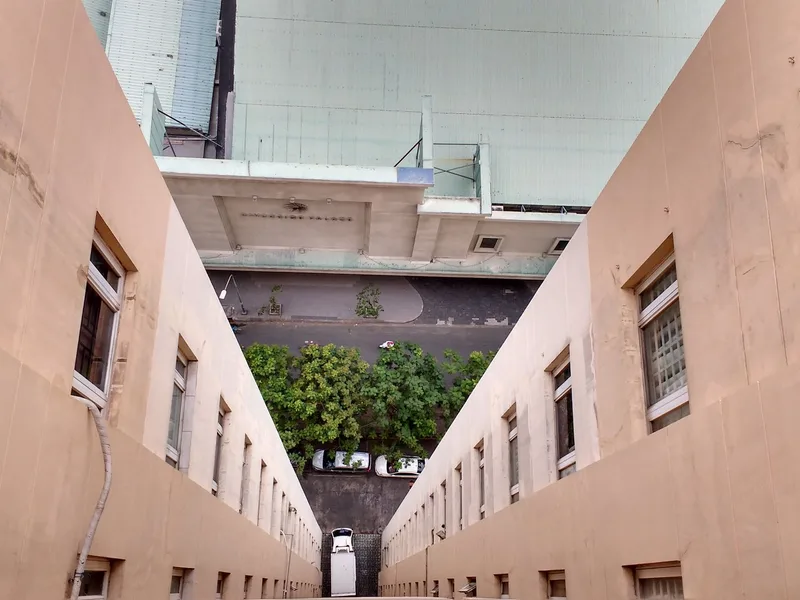
Ledge width
Ledge widths vary across At Tanim shops because some are old and some recently refurbished, so materials and dimensions are mixed.

Air conditioning platforms
Air conditioning platforms are numerous on commercial buildings and coach stations, and may be very tight or heavily clustered.
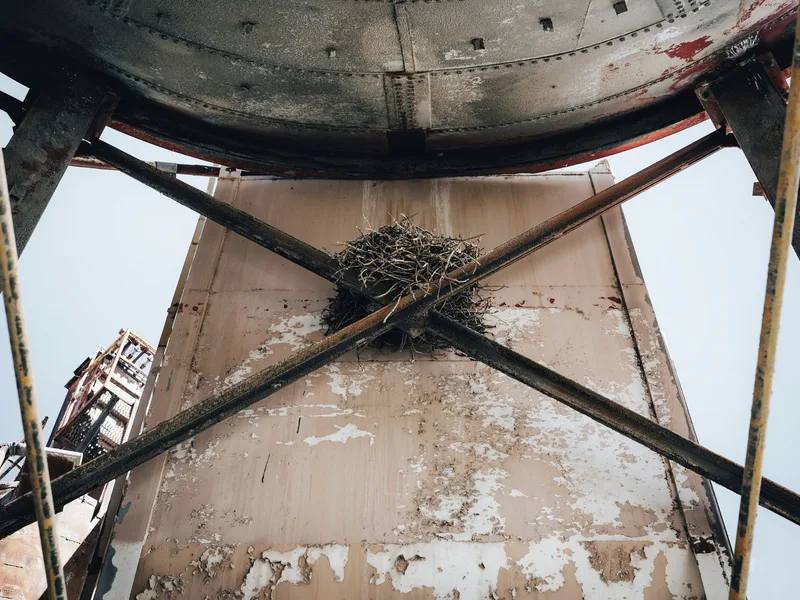
The nest itself
Nests in At Tanim are thick and layered because food is constant and pigeons do not disperse.
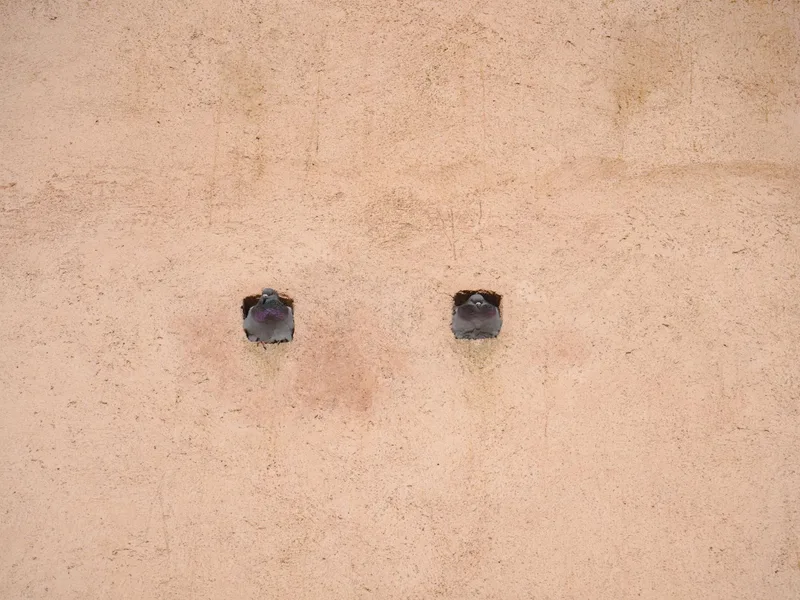
The droppings pattern
Droppings accumulate very fast on food shop awnings, restaurants and stations because feeding activity is continuous.
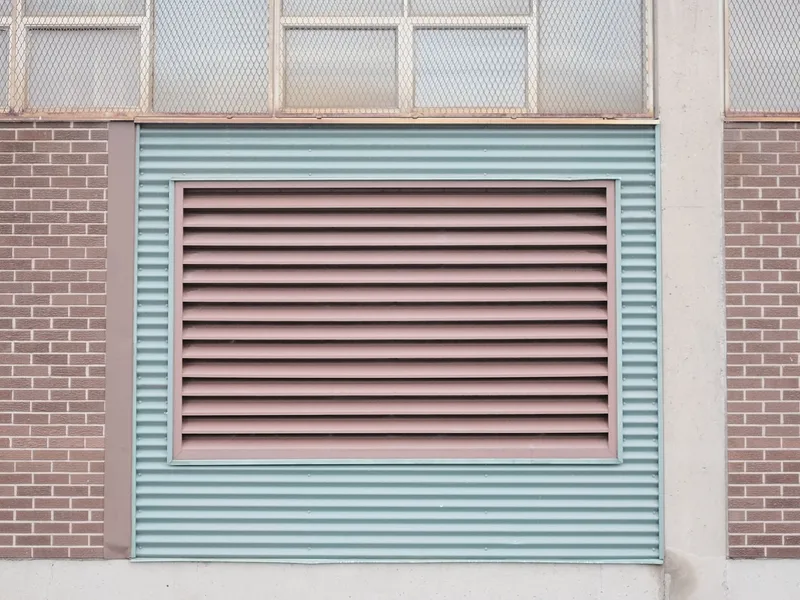
Openings and shafts
Openings are many in older shops and stations, and pigeons use them to enter and shelter indoors.
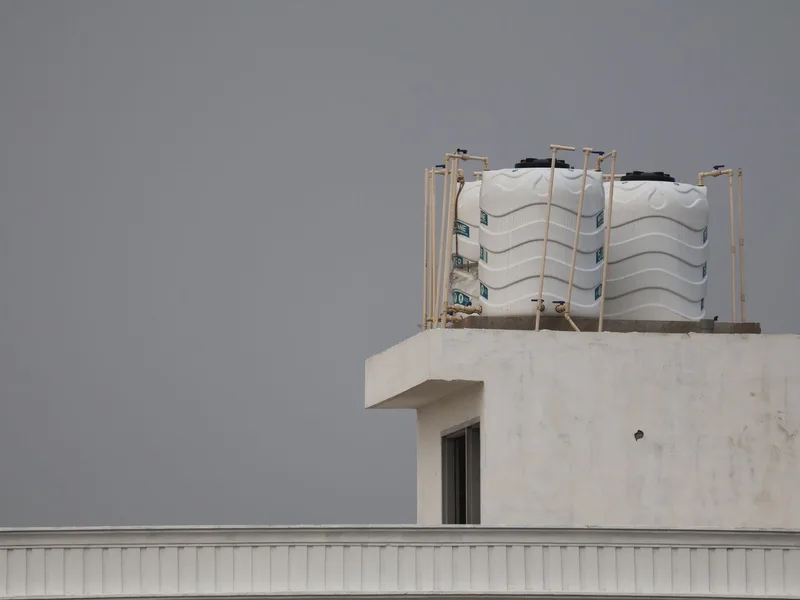
Around the roof tank
Roof tanks on shop buildings may be covered but the surrounding area remains a perching point for birds.
How we work
-
1
Survey the roof and the facade
We walk the roof, the projections, the condenser platforms and the shafts, separate the nesting positions from the perching ones, and measure and photograph every ledge.
-
2
Strip the nests and treat the parasites
Droppings are wetted before they are lifted so nothing goes airborne dry, bagged closed, and the nest position is treated for ticks and mites before the surface is sanitised.
-
3
Close and fit
Netting tensioned on a perimeter wire with no gap at the corners, spikes or wire on the narrow projections, metal mesh across vents and shafts, and the roof drains freed of the nest material packing them.
-
4
The follow-up visit
We come back to check the tension, the corners and any position the flock has moved to, and correct what has slackened before a bird finds it.
What bird and pigeon control includes
-

A recorded survey
Every ledge, condenser platform and shaft, photographed, with nesting separated from perching before anything is chosen.
-

Nest removal and drain clearing
Lifted wet rather than swept dry, bagged closed, and the roof drains freed of the nest material packing them.
-

Parasite treatment and sanitising
The nest position treated for ticks and mites, then the surface the droppings sat on sanitised.
-

Sealing and fitting the deterrents
Netting tensioned on a perimeter wire, spikes or wire on narrow projections, and metal mesh across ventilation openings.
-

Aftercare instructions
The condensate water, food left on the roof, and what should not sit beside a ledge if the attraction is to stay gone.
-

A follow-up on tension and corners
Netting slackens and corners open over time; the visit corrects that and closes any new position.
What is different about Al Umrah Sub-Municipality
Al Umrah sub municipality covers the north west of Makkah along the Madinah road and the old Jeddah road, from At Tanim and Masjid Aisha to An Nawwariyah. Its districts are the city's newest, villas and apartment blocks raised on wide schemes where large tracts in Al Umrah Al Jadidah, Al Fayha and Al Buhayrat remain vacant or under construction. Wadi Saraf and Wadi At Tanim run through it and rainwater gathers on unfinished schemes, ihram shops, restaurants and coach stops along the Madinah road serve a constant flow of pilgrims, and villas fill Al Hamra and Umm Al Jud.
Questions about this district
Do nests return immediately because food is so abundant here?
Yes. Abundant food means the pigeon does not migrate to find alternatives. Nest removal alone is insufficient because the bird simply builds a new nest in a nearby position. The deterrent must be extraordinarily strong and wide ranging.
Will pilgrims mind seeing spikes or netting on shop fronts?
No, pilgrims value cleanliness more. A clean shop with no birds appeals to them far more than one crawling with pigeons. Spikes and netting send a clear message of order and hygiene.
Could there be wild pigeons or other waterbirds nesting here too?
Yes, alongside the domestic pigeon there may be birds of prey and small wading birds visiting. In At Tanim the domestic pigeon dominates, but other species visit occasionally. A single deterrent approach may handle multiple species.
How often must food shops be cleaned again after the initial treatment?
The first weeks need closer monitoring. If the deterrent is secure, routine regular cleaning is sufficient. But if we see activity returning, we return to the site.
What does a pigeon do when it finds a tight wire or mesh?
Pigeons are intelligent and search for alternatives. The bird may attempt a nearby position not yet protected. So the installation must be comprehensive across all neighbouring shops at once.
Do the tiny biting parasites come from the nests themselves?
Yes, parasites live in pigeon plumage, droppings and nests. Removing nests and droppings removes most parasites, but chemical treatment of surfaces and facades may be needed.
How much does bird and pigeon control in At Tanim cost?
It is set after the inspection, because the price follows the type of infestation, the size of the space, how far it has spread and the number of visits it needs. Send a photo and a description on WhatsApp and we will give you an estimate before we reach At Tanim.
Nearby districts we cover
Other services in At Tanim
Other services we provide to residents of At Tanim.
-
 Residential
Cockroach control
Residential
Cockroach control
-
 Residential
Bed bug control
Residential
Bed bug control
-
 Residential
Termite control
Residential
Termite control
-
 Residential
Rodents and mice
Residential
Rodents and mice
-
 Residential
Mosquito control
Residential
Mosquito control
-
 Residential
Fly control
Residential
Fly control
-
 Residential
Ant control
Residential
Ant control
-
 Residential
Gecko control
Residential
Gecko control
-
 Residential
Scorpion control
Residential
Scorpion control
-
 Residential
Snake control
Residential
Snake control
-
 Residential
Flea control
Residential
Flea control
-
 Residential
Preventive treatment
Residential
Preventive treatment
-
 Residential
Disinfection
Residential
Disinfection
-
 Commercial
Annual contracts
Commercial
Annual contracts
-
 Commercial
Restaurants and cafes
Commercial
Restaurants and cafes
-
 Commercial
Hotels and apartments
Commercial
Hotels and apartments
-
 Commercial
Warehouses and factories
Commercial
Warehouses and factories
-
 Commercial
Schools and nurseries
Commercial
Schools and nurseries
-
 Commercial
Retail and malls
Commercial
Retail and malls
-
 Commercial
Rest houses and farms
Commercial
Rest houses and farms
-
 Commercial
Fumigation
Commercial
Fumigation
-
 Water tanks
Water tank cleaning
Water tanks
Water tank cleaning
-
 Water tanks
Water tank sterilization
Water tanks
Water tank sterilization
-
 Water tanks
Water tank sealing
Water tanks
Water tank sealing
-
 Water tanks
Tank leak repair
Water tanks
Tank leak repair
Need bird and pigeon control in At Tanim? Tell us what you saw and we will tell you what it needs
We reach At Tanim at a time we agree, and you get the full cost before we start.