

Bird and pigeon control in Harat Al Mazloum Jeddah
Harat Al Mazloum in Historic Jeddah holds tall coral stone houses standing shoulder to shoulder with narrow lanes and ancient souqs such as Souq Al Jami. Pigeons nest in the gaps between stones, in the timber rawashin frames and in openings at the highest rooflines. We remove nests from these crevices and clean the old timber of parasites the nests leave behind.
-
Targeted, not broadcast
Product goes into cracks and runways, never sprayed across open surfaces.
-
Told before we start
What we will use, where it goes, and what to cover or move before we arrive.
-
A follow-up visit
We return after the first treatment, because what survives it does not show on the day.
-
Homes and businesses
Apartments and villas, and kitchens and stores that need a record of each visit.
Why they keep coming back in Harat Al Mazloum
Traditional eateries and popular souqs trade into late evening, keeping food accessible in the lanes. Pigeons stay active in the alleyways even after dark, moving between roosting spots on the close-set rooflines. The method is set out in full on our Bird and pigeon control service.
Cracks and voids in coral stone
The ancient coral stone in these houses becomes brittle over centuries and develops natural fissures, and these cracks become pigeon nests. We remove nests first, then seal cracks with metal packing or cement filler depending on gap size and location. The high stone ledge then takes suspended mesh panels hung on brackets that do not harm the stone.
Timber rawashin and exposed wooden frames
The old timber rawashin screens have voids between boards and support beams, and these gaps are perfect nesting sites for pigeons. We treat timber against parasites first, then fit fine mesh or timber screens to the openings. Fine mesh preserves the appearance of the traditional facade.
Closely spaced roofs and narrow gaps between them
Roofs in the quarter are so tightly spaced that tiny gaps between them become nesting spots. We fit mesh into the gap or seal it with metal strip or angled cement that the birds cannot peck through, stopping access while maintaining the building's character.
Landmarks of Harat Al Mazloum
Souq Al Jami and Bab Makkah mark the heart of the quarter, with Souq Al Badu framing it to the east. We reach roofs and rawashin through tiny shop fronts and narrow passages that open onto the souqs, moving carefully through the historic lanes.
- Al Shafi'i Mosque
- Souq Al Jami
- Baeshen House
- Bab Makkah
- Al Alawi Street
The building decides which deterrent works
The ground sits low and close to the sea and harbour, humidity is high year round, and the lanes are so narrow they see little sun. The houses stay damp and the old timber is weakened by constant moisture. Stone and wood deteriorate together.
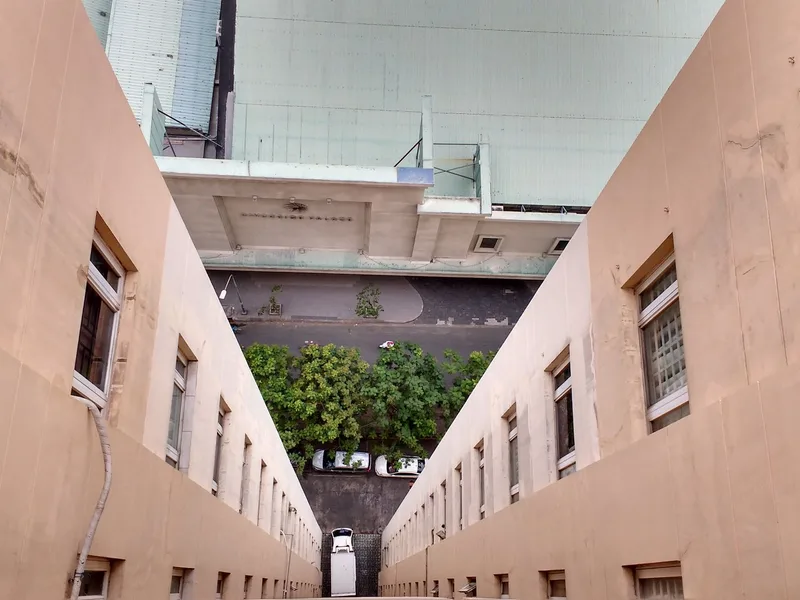
Ledge width
The tall stone ledges of heritage houses may be weakened by humidity, so we use suspended mesh hung on metal brackets instead of spikes fixed directly into the stone.

Air conditioning platforms
Small window air conditioning units scatter across old facades and windows, and pigeons perch on their cases. We fit mesh under the unit and around the window opening.
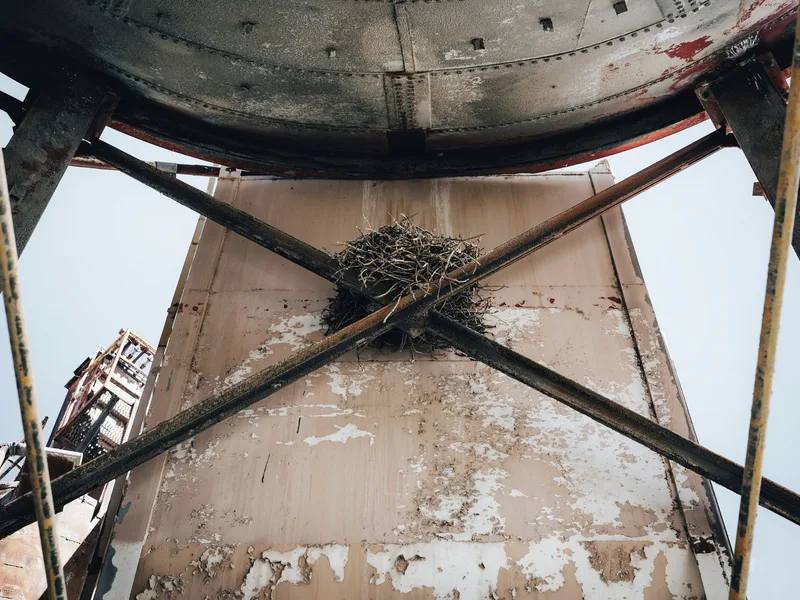
The nest itself
Nests prefer the cracks between stones, natural voids in coral limestone, and the gaps beneath wooden rawashin screens where they are sheltered from sight.
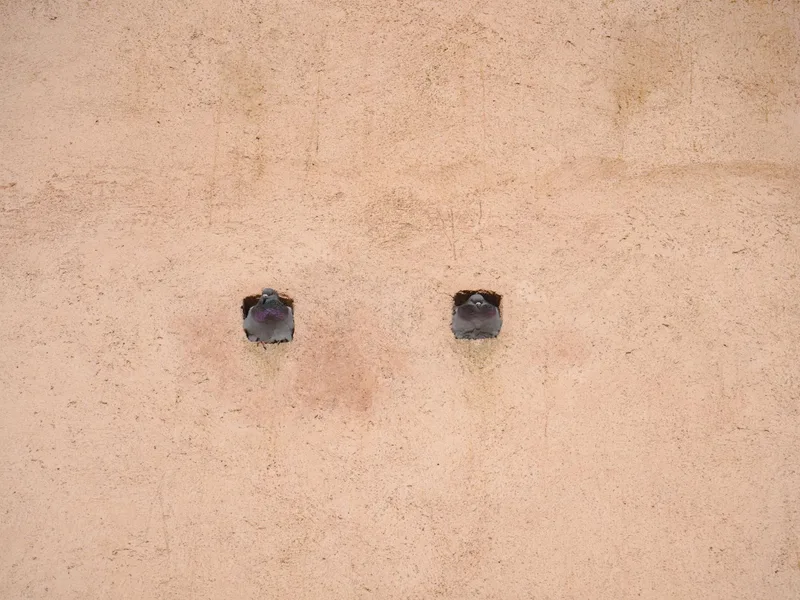
The droppings pattern
Droppings are heavy in the old quarter and dampness creates ideal conditions for mites, lice and other parasites carried in old nests. Treatment after cleaning is essential.
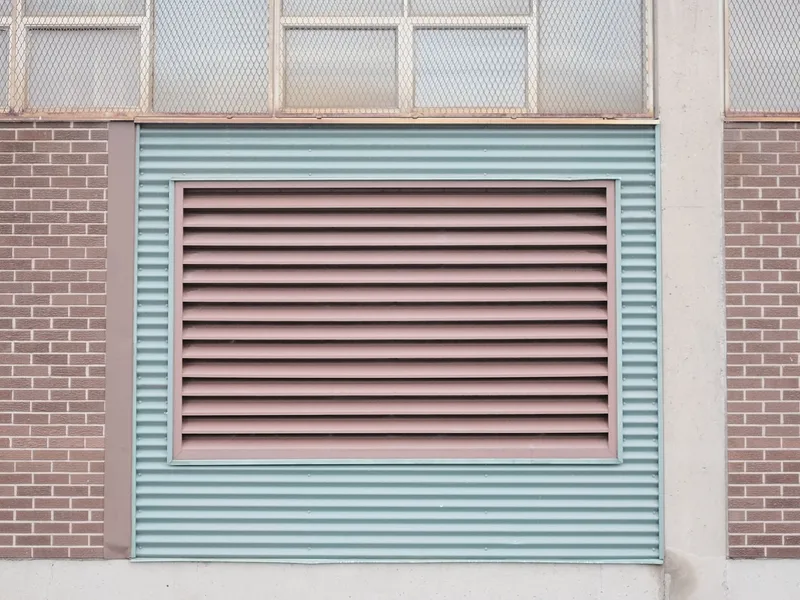
Openings and shafts
Openings on close-set roofs and gaps between buildings need precise sealing: mesh in the gap, angled cement in cracks and screens over any wall vents. Every route must be covered.
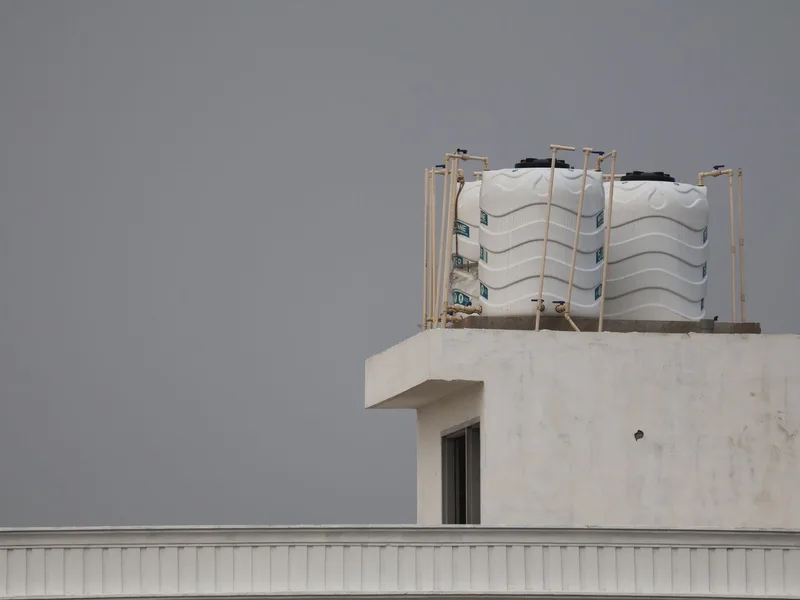
Around the roof tank
Water tanks are small on a roof or mounted on an old pole, so we fit a metal shroud around it with drainage openings at the base to prevent birds from pooling beneath it.
How we work
-
1
Survey the roof and the facade
We walk the roof, the projections, the condenser platforms and the shafts, separate the nesting positions from the perching ones, and measure and photograph every ledge.
-
2
Strip the nests and treat the parasites
Droppings are wetted before they are lifted so nothing goes airborne dry, bagged closed, and the nest position is treated for ticks and mites before the surface is sanitised.
-
3
Close and fit
Netting tensioned on a perimeter wire with no gap at the corners, spikes or wire on the narrow projections, metal mesh across vents and shafts, and the roof drains freed of the nest material packing them.
-
4
The follow-up visit
We come back to check the tension, the corners and any position the flock has moved to, and correct what has slackened before a bird finds it.
What bird and pigeon control includes
-

A recorded survey
Every ledge, condenser platform and shaft, photographed, with nesting separated from perching before anything is chosen.
-

Nest removal and drain clearing
Lifted wet rather than swept dry, bagged closed, and the roof drains freed of the nest material packing them.
-

Parasite treatment and sanitising
The nest position treated for ticks and mites, then the surface the droppings sat on sanitised.
-

Sealing and fitting the deterrents
Netting tensioned on a perimeter wire, spikes or wire on narrow projections, and metal mesh across ventilation openings.
-

Aftercare instructions
The condensate water, food left on the roof, and what should not sit beside a ledge if the attraction is to stay gone.
-

A follow-up on tension and corners
Netting slackens and corners open over time; the visit corrects that and closes any new position.
What is different about Historic Jeddah Municipality
The Historic Jeddah municipality covers the quarters of Al Balad inside the old wall: Al Mazloum, Al Sham, Al Yaman and Al Bahr. The buildings are tall houses of coral limestone and timber rawashin, centuries old, standing shoulder to shoulder on narrow lanes that see little sun, many under restoration or partly vacant. The ground is low and close to the sea and the harbour, humidity stays high through the year, and popular souqs and eateries trade late into the night. Old timber, voids between walls and goods stores create conditions favoured by termites, cockroaches, rodents and wood boring beetles.
Questions about this district
The old timber in the rawashin is very weak; how do we attach mesh?
We use recycled or bronze metal fasteners that grip old timber gently without excessive torque. We test the wood strength first and may place small metal plates under fasteners to spread load and prevent splitting.
Is parasite treatment necessary in such an old quarter?
Yes, it is essential. Parasites cling to old timber and can spread if left untreated. We use a timber-safe spray that does no harm to residents, and one treatment after cleaning is sufficient.
We cannot drill old stone; what is the alternative?
We use metal brackets hung over the stone ledge or mounted on the wall close to it. The bracket holds mesh that stretches across the opening without drilling the stone itself.
Birds entered the souq from above; how do we stop that?
Covered souqs have roof vents or open wall sections. We fit mesh over ventilation openings and screens or soffits over any opening in the high walls that reaches the roof.
The entrance stair is very narrow; can we reach the roof?
Yes. In these quarters we climb narrow staircases or cross the shared roof spaces of the quarter. We move carefully on aged roofs and check the support structure before going up.
Will new pigeons return after one or two years?
If the entry points stay sealed they will not return. A new bird may try once but will find no shelter and move on. The key is that every entry point remains sealed and clean.
How much does bird and pigeon control in Harat Al Mazloum cost?
It is set after the inspection, because the price follows the type of infestation, the size of the space, how far it has spread and the number of visits it needs. Send a photo and a description on WhatsApp and we will give you an estimate before we reach Harat Al Mazloum.
Nearby districts we cover
Other services in Harat Al Mazloum
Other services we provide to residents of Harat Al Mazloum.
-
 Residential
Cockroach control
Residential
Cockroach control
-
 Residential
Bed bug control
Residential
Bed bug control
-
 Residential
Termite control
Residential
Termite control
-
 Residential
Rodents and mice
Residential
Rodents and mice
-
 Residential
Mosquito control
Residential
Mosquito control
-
 Residential
Fly control
Residential
Fly control
-
 Residential
Ant control
Residential
Ant control
-
 Residential
Gecko control
Residential
Gecko control
-
 Residential
Scorpion control
Residential
Scorpion control
-
 Residential
Snake control
Residential
Snake control
-
 Residential
Flea control
Residential
Flea control
-
 Residential
Preventive treatment
Residential
Preventive treatment
-
 Residential
Disinfection
Residential
Disinfection
-
 Commercial
Annual contracts
Commercial
Annual contracts
-
 Commercial
Restaurants and cafes
Commercial
Restaurants and cafes
-
 Commercial
Hotels and apartments
Commercial
Hotels and apartments
-
 Commercial
Warehouses and factories
Commercial
Warehouses and factories
-
 Commercial
Schools and nurseries
Commercial
Schools and nurseries
-
 Commercial
Retail and malls
Commercial
Retail and malls
-
 Commercial
Rest houses and farms
Commercial
Rest houses and farms
-
 Commercial
Fumigation
Commercial
Fumigation
-
 Water tanks
Water tank cleaning
Water tanks
Water tank cleaning
-
 Water tanks
Water tank sterilization
Water tanks
Water tank sterilization
-
 Water tanks
Water tank sealing
Water tanks
Water tank sealing
-
 Water tanks
Tank leak repair
Water tanks
Tank leak repair
Need bird and pigeon control in Harat Al Mazloum? Tell us what you saw and we will tell you what it needs
We reach Harat Al Mazloum at a time we agree, and you get the full cost before we start.