

Bird and pigeon control in Harat Al Bahr Jeddah
Harat Al Bahr is one of Jeddah's oldest quarters, overlooking the sea directly with very ancient coral stone houses. Pigeons find ideal shelter in the cracks and natural ledges of the coral masonry. Proximity to the harbour and commercial warehouses supplies abundant food for feral and seabirds alike.
-
Targeted, not broadcast
Product goes into cracks and runways, never sprayed across open surfaces.
-
Told before we start
What we will use, where it goes, and what to cover or move before we arrive.
-
A follow-up visit
We return after the first treatment, because what survives it does not show on the day.
-
Homes and businesses
Apartments and villas, and kitchens and stores that need a record of each visit.
Why they keep coming back in Harat Al Bahr
Buildings are built from natural coral stone containing numerous fissures and cavities that provide natural nesting sites for pigeons. The method is set out in full on our Bird and pigeon control service.
Coral stone rich in cracks and natural ledges
The old coral houses contain thousands of fine cracks and cavities in facades and roofs. Pigeons choose these locations for nesting because they offer natural protection and easy access.
Harbour and warehouse proximity supplies abundant food
The quarter sits directly beside the harbour and old commercial storage yards and markets. Pigeons and seabirds find food in scattered grain and organic waste year-round.
High moisture and salt affect treatment durability
Sea moisture is very high and salt penetrates the buildings. This means materials must resist salt and moisture and withstand salt-laden wind longer than elsewhere.
Harat Al Bahr on the map
Harat Al Bahr sits about 0.5 km from Harat Al Yaman and about 0.5 km from Harat Al Mazloum.
Open in Google MapsThe building decides which deterrent works
A historic quarter in the south-western corner of old Jeddah overlooking the waterfront just behind Bab Al Bunt, bounded by the harbour and commercial storage yards on one side and coral houses on the other.
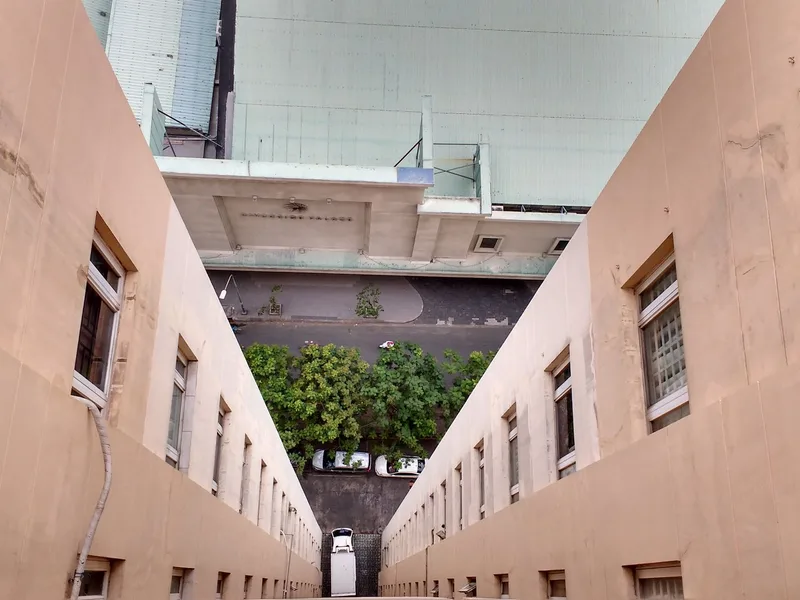
Ledge width
Pigeons favour horizontal ledges and cracks in the south-western coral facades that offer slight width for perching.

Air conditioning platforms
Seabirds and terns choose roofs, high corners and chimneys, leaving droppings and fish remains.
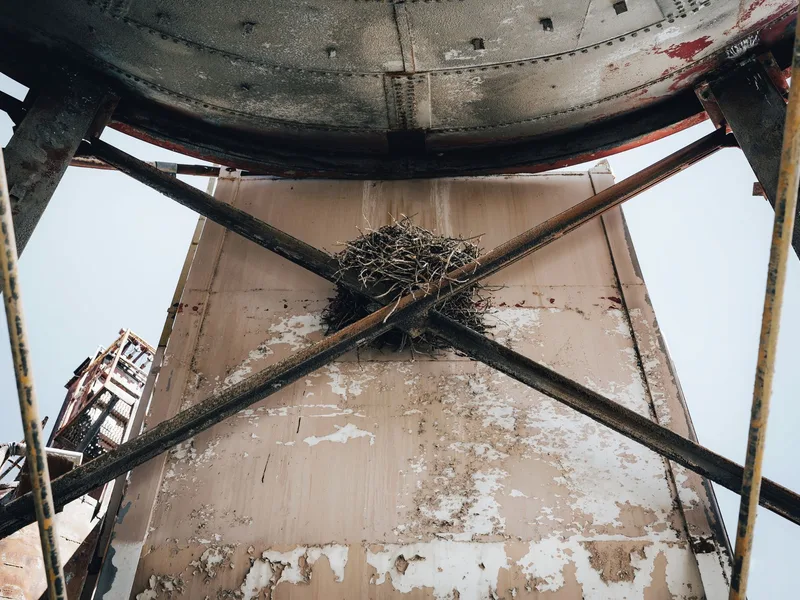
The nest itself
Approach routes start from the harbour and adjacent warehouses and climb the coral facades via natural cracks.
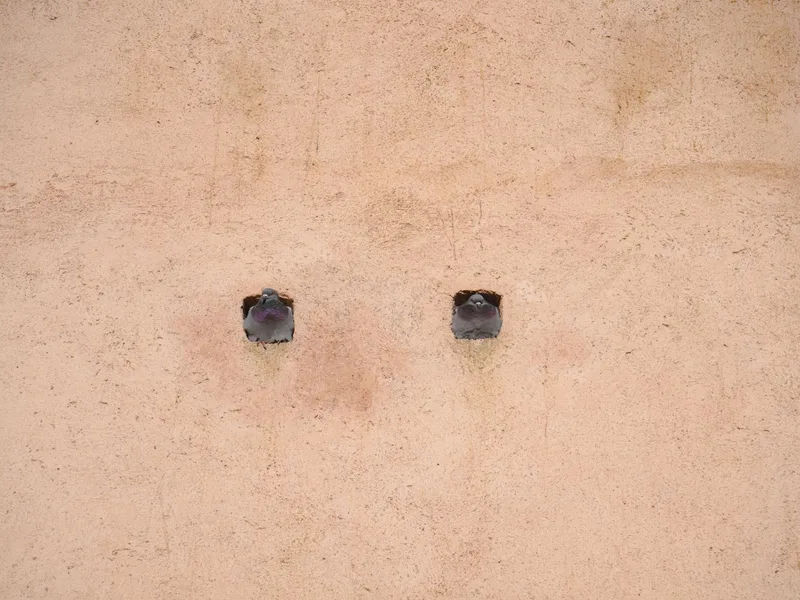
The droppings pattern
Salt and moisture are very high due to direct sea proximity and constant sea wind.
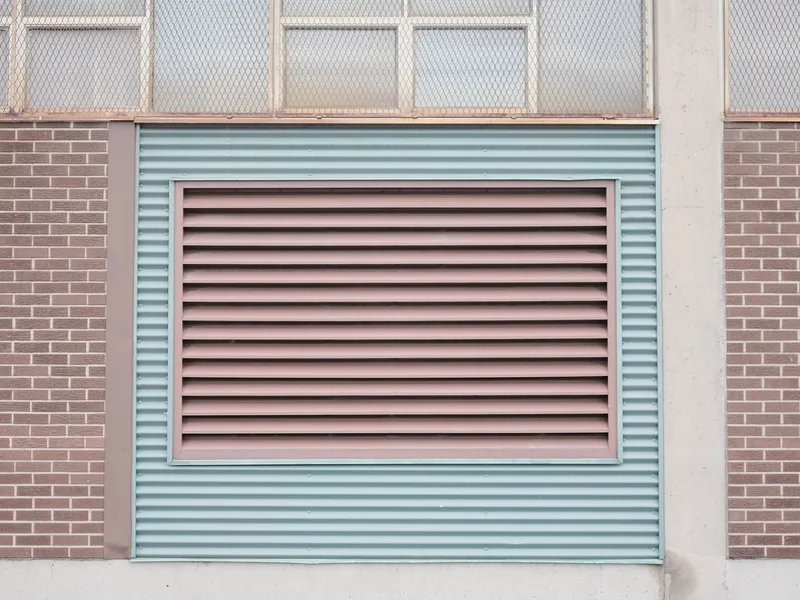
Openings and shafts
Nests concentrate in natural fissures and cavities in the coral stone, shallow ledges and tight corners.
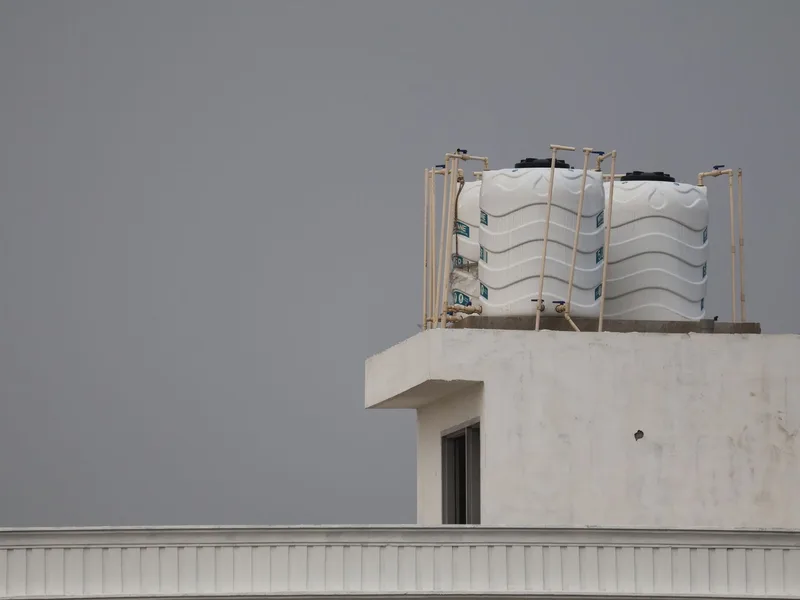
Around the roof tank
Pigeon activity is year-round but breeding peaks in spring and summer; seabirds arrive seasonally following fish migration.
How we work
-
1
Survey the roof and the facade
We walk the roof, the projections, the condenser platforms and the shafts, separate the nesting positions from the perching ones, and measure and photograph every ledge.
-
2
Strip the nests and treat the parasites
Droppings are wetted before they are lifted so nothing goes airborne dry, bagged closed, and the nest position is treated for ticks and mites before the surface is sanitised.
-
3
Close and fit
Netting tensioned on a perimeter wire with no gap at the corners, spikes or wire on the narrow projections, metal mesh across vents and shafts, and the roof drains freed of the nest material packing them.
-
4
The follow-up visit
We come back to check the tension, the corners and any position the flock has moved to, and correct what has slackened before a bird finds it.
What bird and pigeon control includes
-

A recorded survey
Every ledge, condenser platform and shaft, photographed, with nesting separated from perching before anything is chosen.
-

Nest removal and drain clearing
Lifted wet rather than swept dry, bagged closed, and the roof drains freed of the nest material packing them.
-

Parasite treatment and sanitising
The nest position treated for ticks and mites, then the surface the droppings sat on sanitised.
-

Sealing and fitting the deterrents
Netting tensioned on a perimeter wire, spikes or wire on narrow projections, and metal mesh across ventilation openings.
-

Aftercare instructions
The condensate water, food left on the roof, and what should not sit beside a ledge if the attraction is to stay gone.
-

A follow-up on tension and corners
Netting slackens and corners open over time; the visit corrects that and closes any new position.
Landmarks of Harat Al Bahr
Access to Harat Al Bahr runs via Bab Al Bunt opening directly into the quarter from the south-west corner of old Jeddah. The quarter is bounded by Dar Radwan on one side and Qabil Street on the other, with the harbour and anchorage marking the waterfront edge.
- Bab Al Bunt
- Qabil Street
- Dar Radwan
- Akkash Mosque
Questions about this district
Why do pigeons prefer coral stone houses in the quarter?
Coral stone contains natural fissures and cavities offering sheltered nesting sites. Pigeons nest easily in them and are protected from wind and rain.
Does harbour proximity increase bird numbers?
Yes considerably. Warehouses, markets and old retail shops provide constant food and pigeons breed rapidly.
How do we handle very small cracks in the coral?
Fine cracks are sealed with salt and moisture-resistant flexible material. Larger cracks are covered with mesh and then sealed with durable material.
Does treatment need regular repeating because of salt and moisture?
Regular inspection may be needed. Salt and moisture can weaken seals faster here than in inland quarters.
Are there seabirds different from pigeons nesting in the quarter?
Yes; terns and gulls arrive from the harbour. These birds hunt fish and leave remains on roofs and ledges.
How do we protect the coral foundations from salt damage after nest removal?
We use salt and moisture-resistant sealant when closing cracks. This protects the coral stone from rapid deterioration.
How much does bird and pigeon control in Harat Al Bahr cost?
It is set after the inspection, because the price follows the type of infestation, the size of the space, how far it has spread and the number of visits it needs. Send a photo and a description on WhatsApp and we will give you an estimate before we reach Harat Al Bahr.
Nearby districts we cover
Other services in Harat Al Bahr
Other services we provide to residents of Harat Al Bahr.
-
 Residential
Cockroach control
-
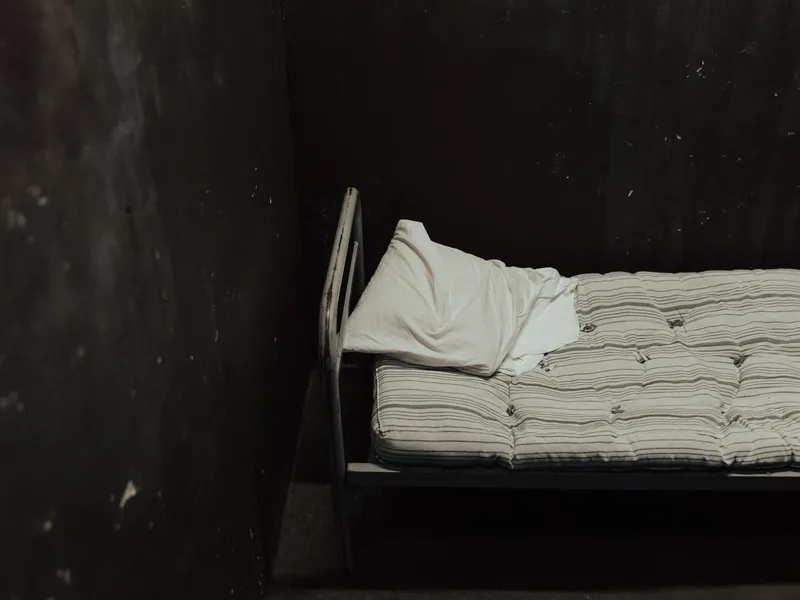 Residential
Bed bug control
-
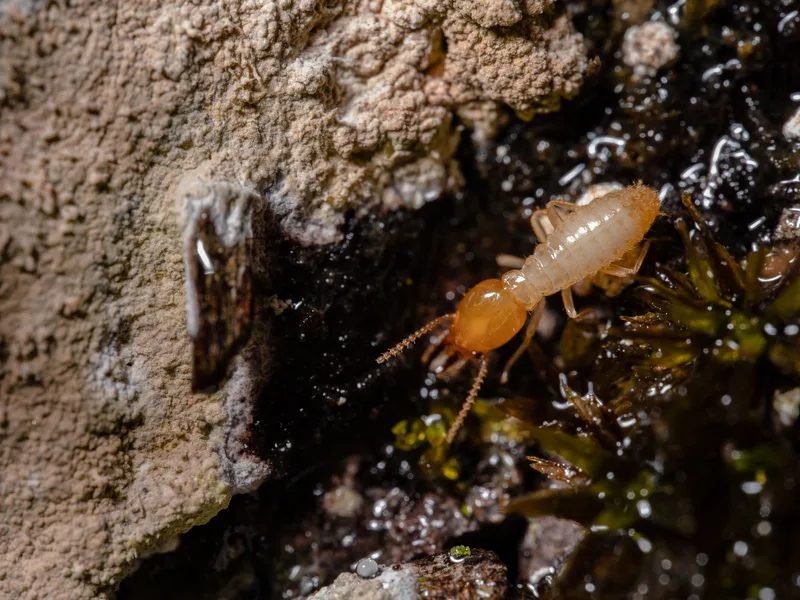 Residential
Termite control
-
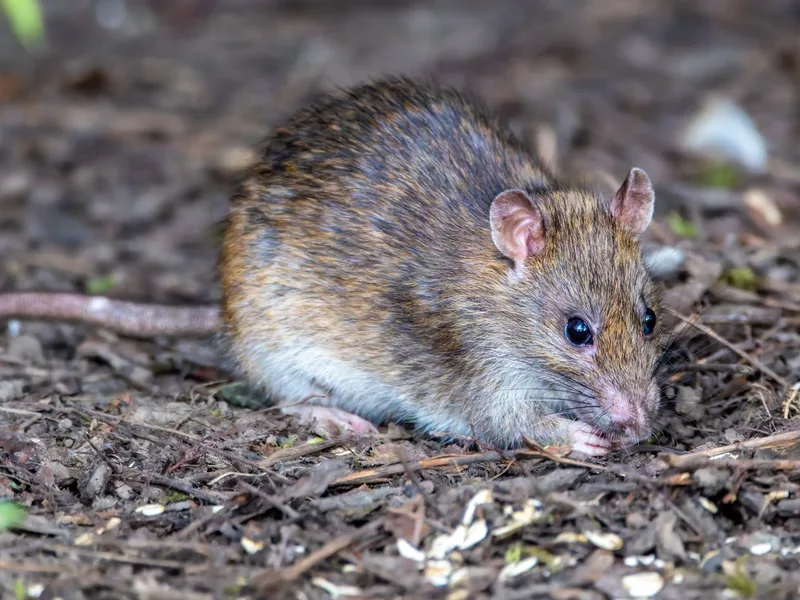 Residential
Rodents and mice
Need bird and pigeon control in Harat Al Bahr? Tell us what you saw and we will tell you what it needs
We reach Harat Al Bahr at a time we agree, and you get the full cost before we start.