
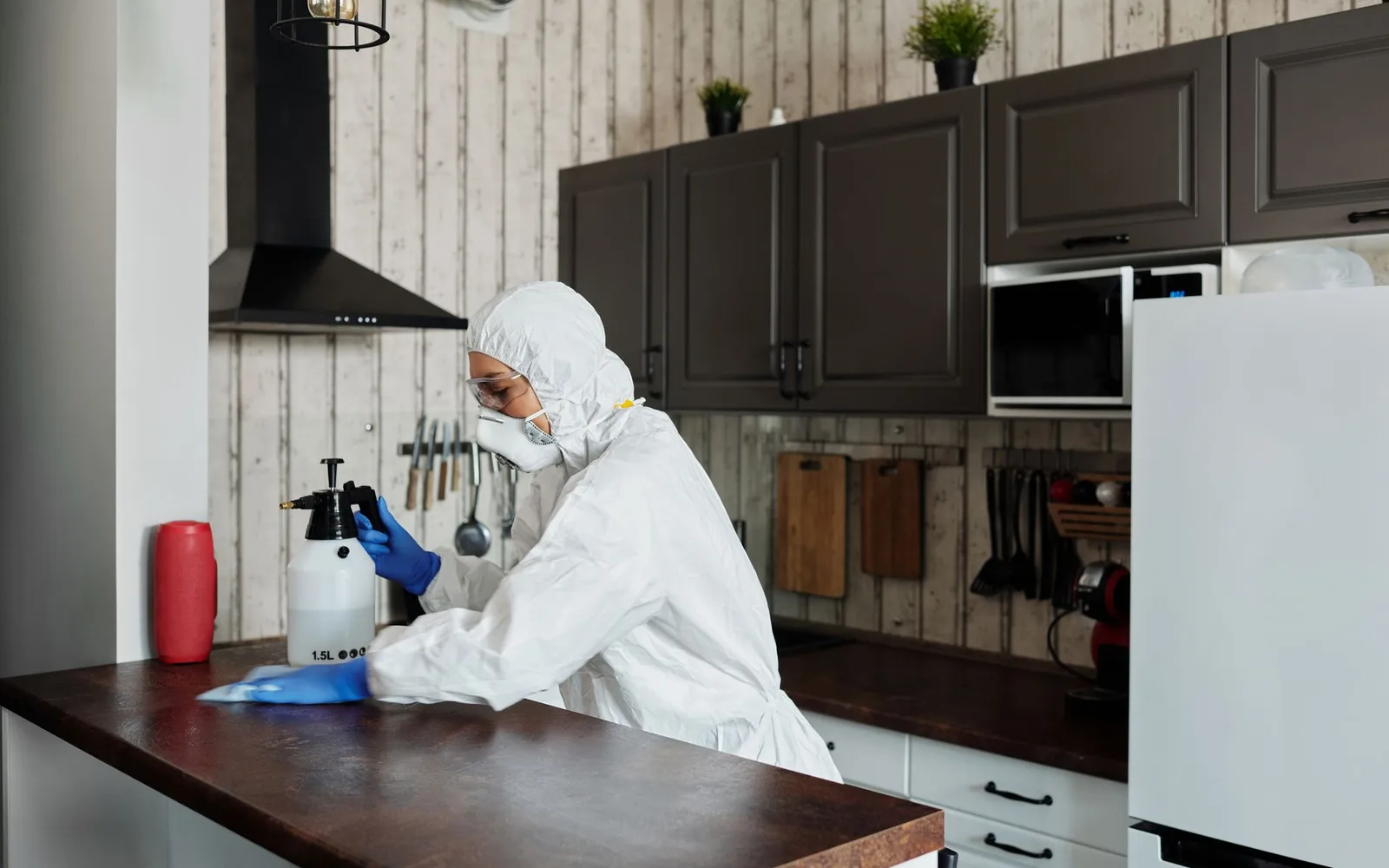
Disinfection in Al Bayban Makkah
Al Bayban is an ancient Makkan quarter perched on a hill north of the Grand Mosque, crowned by Qasr Kuwair, a five-storey palace of coral stone and timber rawashin. The buildings are centuries old, and their ancient timber and porous stone trap moisture and mould perpetually. The quarter sits close to the sea and the old Madinah road, with narrow lanes and buildings pressed shoulder to shoulder. Disinfection must be cautious around heritage elements and focused on penetrating the timber and porous stone where microbes hide.
-
Targeted, not broadcast
Product goes into cracks and runways, never sprayed across open surfaces.
-
Told before we start
What we will use, where it goes, and what to cover or move before we arrive.
-
A follow-up visit
We return after the first treatment, because what survives it does not show on the day.
-
Homes and businesses
Apartments and villas, and kitchens and stores that need a record of each visit.
Why they keep coming back in Al Bayban
The quarter now sees limited residential traffic, but the ancient timber and voids in the stone hold mould from medieval times, and permanently high humidity favours termites and wood-boring insects. The method is set out in full on what Disinfection involves.
Ancient timber and porous stone retain mould and bacteria for centuries
Qasr Kuwair and buildings around Al Bayban are built from coral stone and local timber centuries old. These materials have absorbed sea moisture throughout their history and become fertile ground for mould colonies. Disinfectant must penetrate water-saturated timber and stone, a slow process that may harm the ancient materials themselves if the wrong product or concentration is used.
Heritage buildings require approval before any disinfection work begins
Qasr Kuwair and other houses in the quarter may be registered as monuments or heritage landmarks. Disinfection must obtain approval from cultural heritage authorities first. The product must be approved as completely safe for very old archaeological materials.
Narrow lanes and perpetual darkness prevent drying and worsen odours
Sunlight rarely reaches the narrow lanes of Al Bayban, and moisture is always high. Disinfectant dries slowly, and odours linger trapped. The team needs strong lighting and ventilation equipment to reach every corner and allow the product time to work.
The character of Al Bayban
Historic district: close-set buildings, narrow lanes and ageing services
The historic quarter holds high cultural value, and any disinfection must place heritage preservation first. Products must be heritage-authority approved, concentration must be low and contact time limited.
What we look at before the product is chosen
Al Bayban sits north of the Grand Mosque between Al Diyafah and Al Hajun off the Madinah road, surrounded by the old quarters of Al Utaybiyah, Al Zahir and Al Shuhada, with Hussain Arab Street and Abdullah Arif Road passing through.
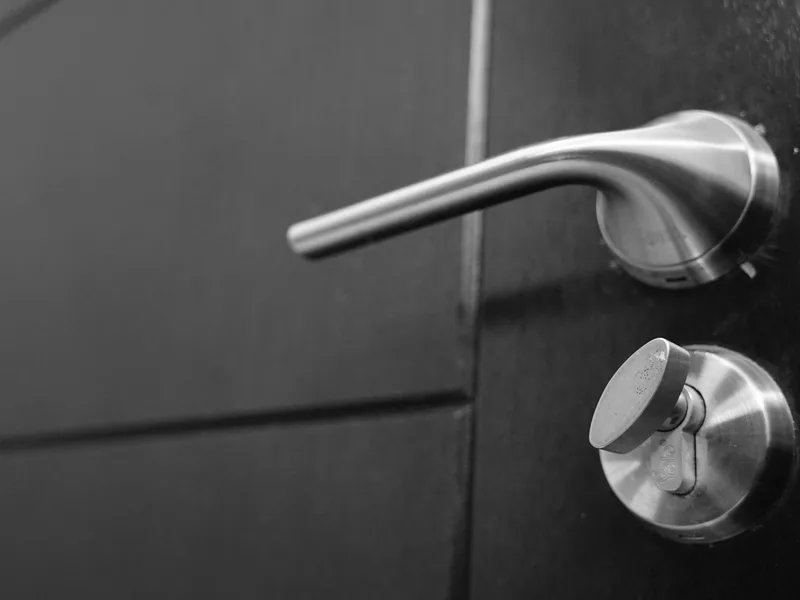
The touch points
Touch points in the old quarter are wooden railings, stone steps and corroded metal handles, requiring deep disinfection with prior oxide and rust removal.
Porous surfaces
Ancient porous timber in the rawashin and doors absorbs disinfectant deeply but requires much longer drying time. The product must stay wet for an extended contact period to penetrate the fibres.
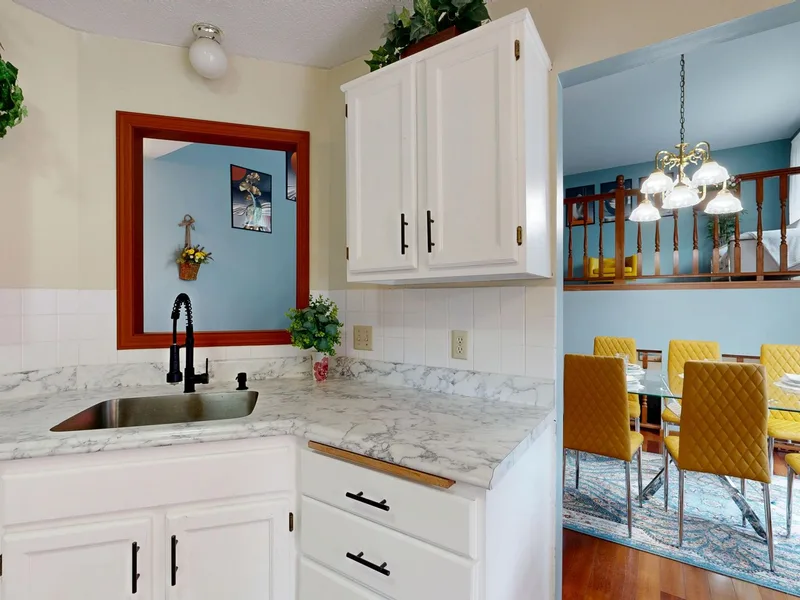
The finish itself
Coral stone and aged mortar erode rapidly if exposed to harsh disinfectants or high concentrations. Mild product selection and dilution to the lower end of safe range protects the structure.
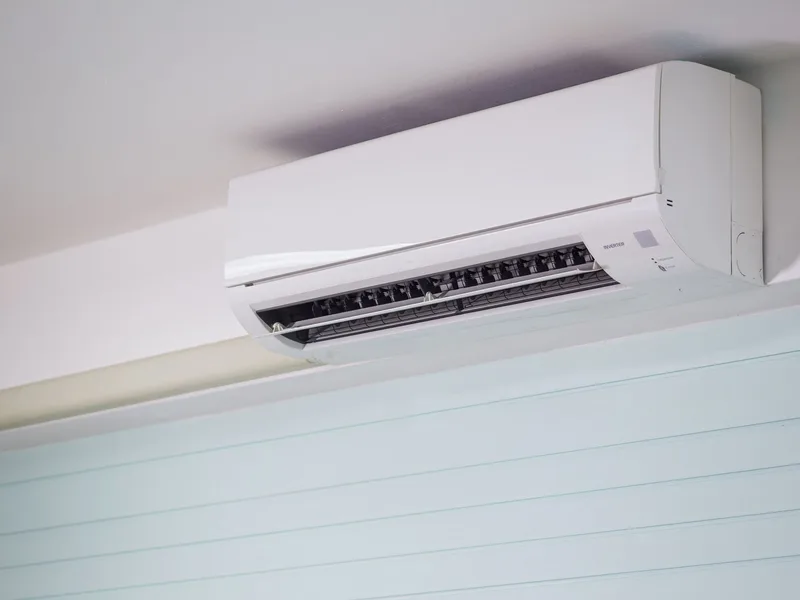
The air conditioning unit
Air conditioning units are likely absent in the old quarter. Natural ventilation is severely limited, and manual window and door opening is necessary to move air and clear odours.
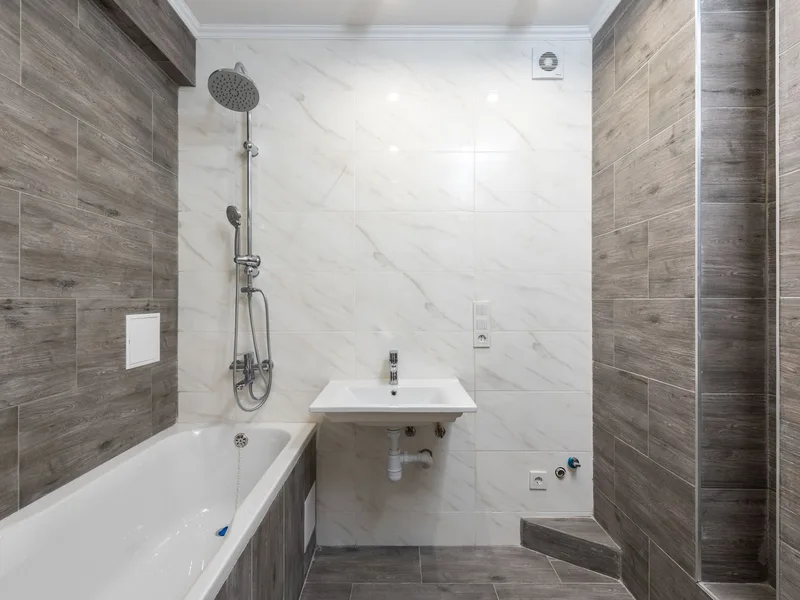
Floor traps
Floor drains in very old houses may be cracked, blocked or so slow-draining that stagnant water sits in traps indefinitely. Deep cleaning and disinfection of the trap itself is essential.
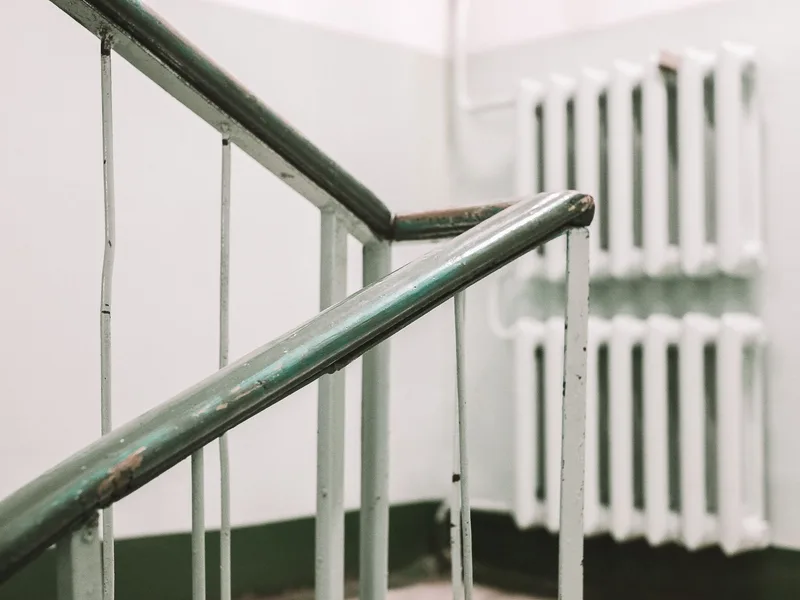
Shared entrances and stairs
Shared stairs and passages between attached houses require coordinated disinfection, and access permission from multiple households is needed to treat all common areas.
How we work
-
1
Walk the space and list the surfaces
We go through the rooms and mark the touch points, the porous surfaces and the finishes, then ask what prompted the call: illness at home, moving into a new place, building work, or a smell that arrived out of nowhere.
-
2
Clean what we are about to treat
We take the film of dust and grease off the surfaces that are in scope, so the product reaches the surface itself. This is preparation for the treatment, not general house cleaning.
-
3
Apply it, and hold the contact time
Hand work on the touch points, a product matched to each surface, and the surface left visibly wet for as long as that material needs before it is dried off. Cold fogging comes last, for what a cloth cannot reach.
-
4
Ventilate and hand back
We open the place up, rinse food preparation surfaces with water, and tell you when each room goes back into use. We give you that timing on the call, because it changes with the product and the space.
What a disinfection visit includes
-

A surface and touch point survey
What gets treated, and with what, settled before anything is opened.
-

Soil off first, then the disinfectant
The greasy film comes off first, then a product that stays wet for the contact time it needs.
-

Floor traps and the air conditioning drain
Floor traps, sink outlets and the drain tray, which is where most smells actually begin.
-
Cold fogging for the space
For upward faces and corners a cloth never reaches, done as the last thing before we leave a room.
-

Ventilation and use instructions
What gets rinsed with water, what is left alone, and when each room goes back into use.
-

A scheduled repeat when it is needed
For shared entrances and places people pass through every day, because a disinfectant leaves nothing behind to stop the next contact.
What is different about Al Utaybiyah Sub-Municipality
Al Utaybiyah sub municipality covers the old districts north of the Grand Mosque: the hillside quarters of Al Hajun, Al Utaybiyah and Al Bayban, Al Zahir and Al Shuhada at the northern entrance, and the newer Al Zahra, Al Diyafah and An Nuzhah westward. Its building stock is among the oldest in Makkah, stone houses on the hills, packed apartment blocks and sewers decades old, threaded with crowded markets like the Utaybiyah souq and furnished flats that fill in the pilgrim seasons. Wadi Al Zahir and Wadi Al Tanim carry storm water through it, and industrial workshops line Hajj Street.
Questions about this district
Qasr Kuwair and heritage buildings in Al Bayban: do they need special treatment?
Heritage and conservation-listed structures require consultation with cultural authorities before any disinfection. The product must be approved as completely safe for very old stone and timber, and documentation of the work must be retained for heritage records.
In an old district famous for historic building stock, does this affect disinfectant choice?
Yes, harsh disinfectants may damage old stone and timber. Low concentration and heritage-approved products are necessary. The choice of product is as important as the method of application.
After disinfection, does mould return quickly in an old humid quarter like Al Bayban?
Yes, if humidity remains high, mould will return quickly even after thorough disinfection. Moisture control and ventilation before and after disinfection matter more than the chemical treatment alone.
The quarter lies between Al Diyafah and Al Hajun; how do we reach homes in such narrow lanes?
Narrow lanes require prior knowledge of routes and advance agreement with residents. Light specialist equipment may be necessary to access every home and ensure complete treatment.
Does disinfection replace pest control for insects and rodents from nearby wadis?
Disinfection kills present insects but does not prevent new entry from outside. Termites and rodents may require separate specialist treatment alongside disinfection.
The district is very old: do residents and buildings need special protection during treatment?
Yes, disinfectants must be safe for occupied areas if residents are present. Advance agreement on timing and ventilation during treatment is essential.
How much does disinfection in Al Bayban cost?
It is set after the inspection, because the price follows the type of infestation, the size of the space, how far it has spread and the number of visits it needs. Send a photo and a description on WhatsApp and we will give you an estimate before we reach Al Bayban.
Nearby districts we cover
Other services in Al Bayban
Other services we provide to residents of Al Bayban.
-
 Residential
Cockroach control
Residential
Cockroach control
-
 Residential
Bed bug control
Residential
Bed bug control
-
 Residential
Termite control
Residential
Termite control
-
 Residential
Rodents and mice
Residential
Rodents and mice
-
 Residential
Mosquito control
Residential
Mosquito control
-
 Residential
Fly control
Residential
Fly control
-
 Residential
Ant control
Residential
Ant control
-
 Residential
Gecko control
Residential
Gecko control
-
 Residential
Scorpion control
Residential
Scorpion control
-
 Residential
Snake control
Residential
Snake control
-
 Residential
Flea control
Residential
Flea control
-
 Residential
Bird and pigeon control
Residential
Bird and pigeon control
-
 Residential
Preventive treatment
Residential
Preventive treatment
-
 Commercial
Annual contracts
Commercial
Annual contracts
-
 Commercial
Restaurants and cafes
Commercial
Restaurants and cafes
-
 Commercial
Hotels and apartments
Commercial
Hotels and apartments
-
 Commercial
Warehouses and factories
Commercial
Warehouses and factories
-
 Commercial
Schools and nurseries
Commercial
Schools and nurseries
-
 Commercial
Retail and malls
Commercial
Retail and malls
-
 Commercial
Rest houses and farms
Commercial
Rest houses and farms
-
 Commercial
Fumigation
Commercial
Fumigation
-
 Water tanks
Water tank cleaning
Water tanks
Water tank cleaning
-
 Water tanks
Water tank sterilization
Water tanks
Water tank sterilization
-
 Water tanks
Water tank sealing
Water tanks
Water tank sealing
-
 Water tanks
Tank leak repair
Water tanks
Tank leak repair
Need disinfection in Al Bayban? Tell us what you saw and we will tell you what it needs
We reach Al Bayban at a time we agree, and you get the full cost before we start.