
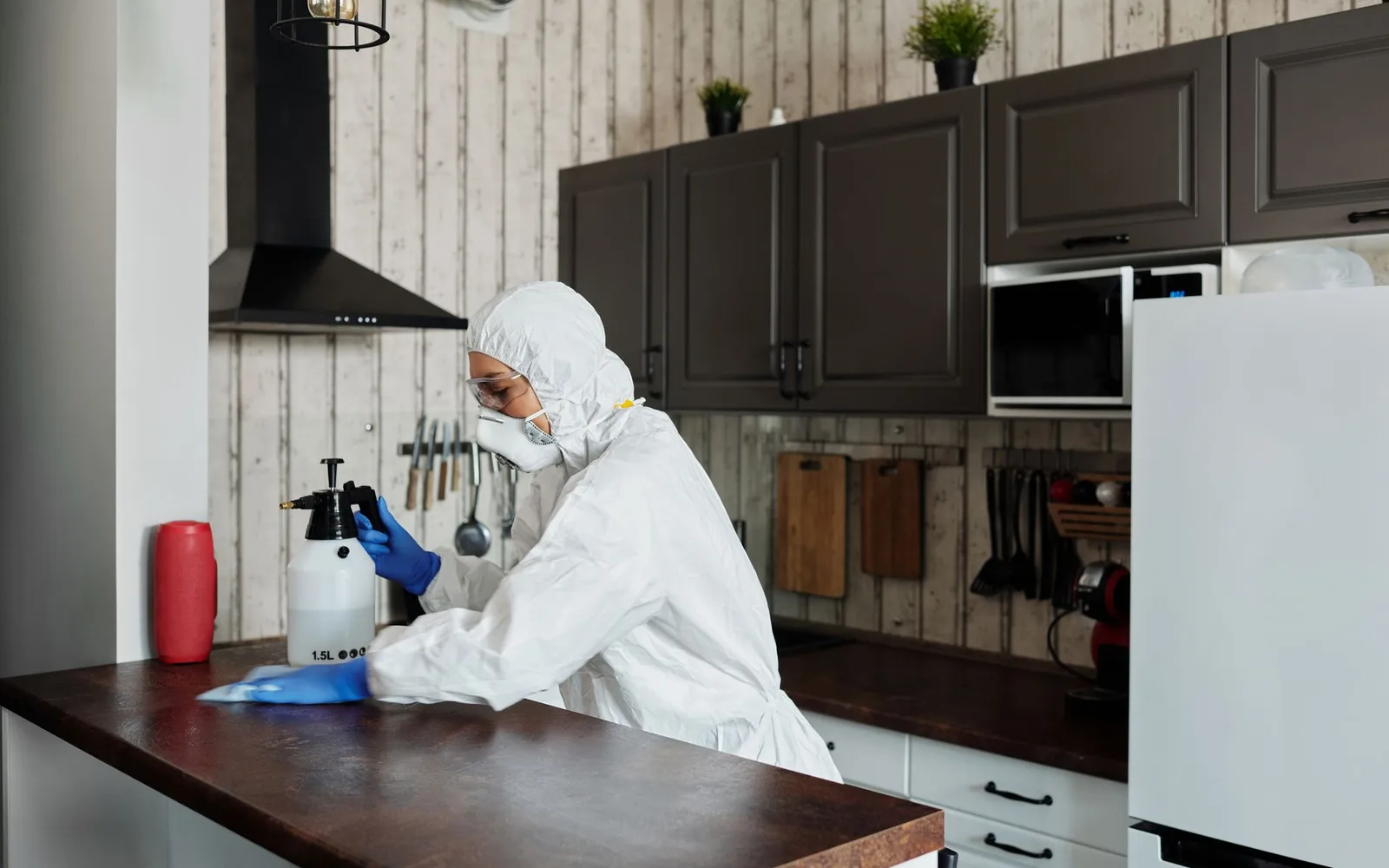
Disinfection in Al Diyafah Makkah
Al Diyafah is a residential block district north of Al Zahra on the old Makkah road, home to apartment buildings and flats let to visitors drawn by proximity to the Haram, with shops and Al Diyafah Mall and market on the edge. Repeated floor plans and shared entrances mean contaminants travel quickly between units through shared pipes and recycled air.
-
Targeted, not broadcast
Product goes into cracks and runways, never sprayed across open surfaces.
-
Told before we start
What we will use, where it goes, and what to cover or move before we arrive.
-
A follow-up visit
We return after the first treatment, because what survives it does not show on the day.
-
Homes and businesses
Apartments and villas, and kitchens and stores that need a record of each visit.
Why they keep coming back in Al Diyafah
Repeated apartment floors under one roof and shared entrances provide rapid pathways for contamination to spread between units, especially when occupancy changes frequently. The method is set out in full on our Disinfection service.
Repeated storeys under one roof transmit contaminants fast between units
Multi-storey apartment blocks have shared drainage pipes and recycled air between units. Viruses and bacteria from a sick flat reach other units through common channels rapidly, especially during visitor seasons when occupants change fast. Disinfecting your own flat provides no protection from infections in the flats above and below.
Rapidly changing visitor populations bring fresh infection continuously
The neighbourhood is home to pilgrims and visitors who change every week or fortnight. Each new guest may bring new viruses and contaminants. Rented flats often pass between guests without comprehensive disinfection between stays. Seasonal infections and external viruses enter the district constantly with each change of occupants.
Shops and market emit organic contaminants that rise through the building
The Diyafah market and numerous shops of varied types generate odours, organic contaminants and oily vapours that rise through gaps and pipes into upper flats. Humid air laden with market contaminants rises during the day and its effect varies by floor, with lower floors more affected.
Al Diyafah on the map
Al Diyafah sits about 1 km from Al Bayban and about 1 km from Al Zahra.
Open in Google MapsWhat we look at before the product is chosen
Situated north of Al Zahra on the old Makkah road close to the Haram, bounded by As Salamah, Al Buhayrat, Al Utaybiyah and Al Shuhada, with numerous shops and the Diyafah market and shopping centre nearby.
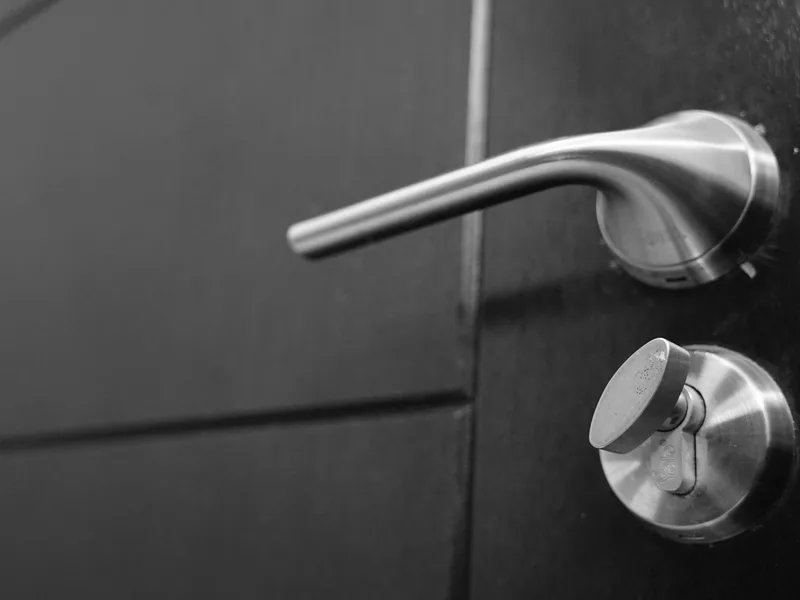
The touch points
Touch points on shared corridors and entrance doors are handled by different visitors constantly, so weekly disinfection of entrances and handrails is essential.
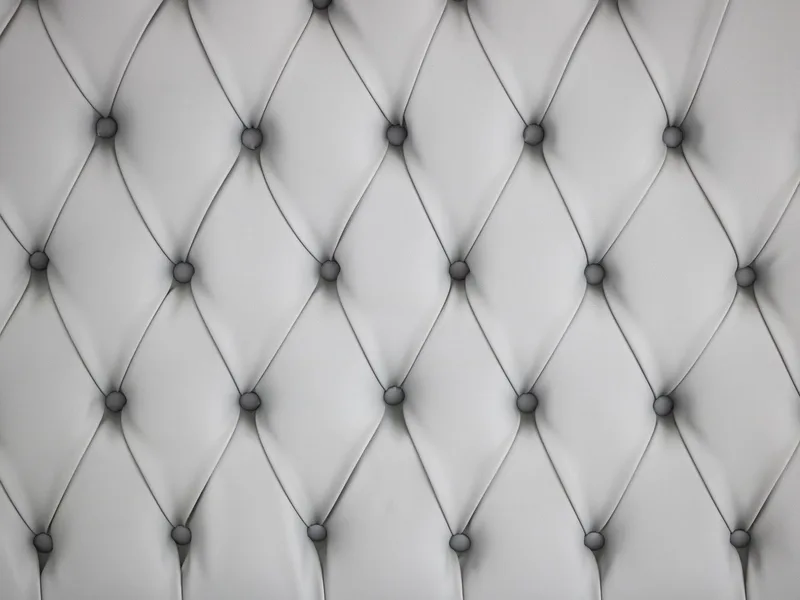
Porous surfaces
Porous surfaces in the flat absorb odours from shops and lower floors quickly, requiring higher product concentration.
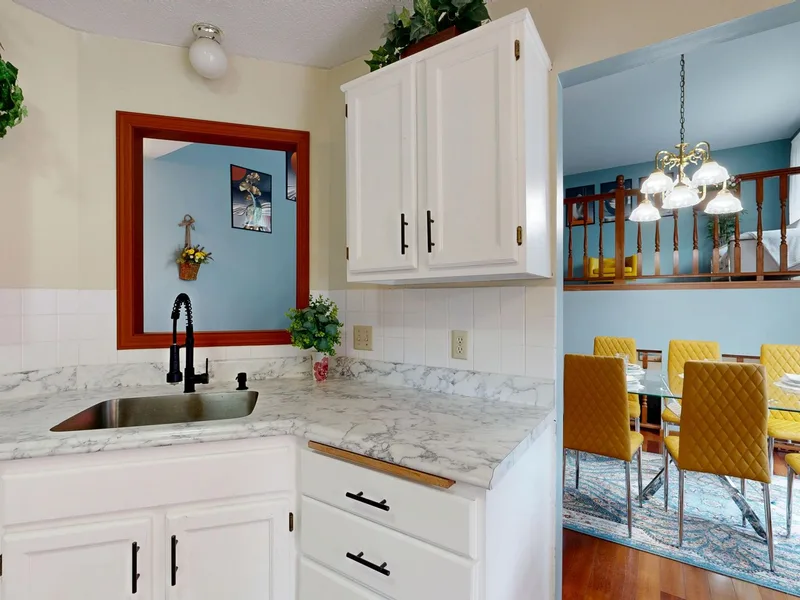
The finish itself
Floors may be the boundary between your flat and the shop below, requiring targeted treatment of gaps around pipes.
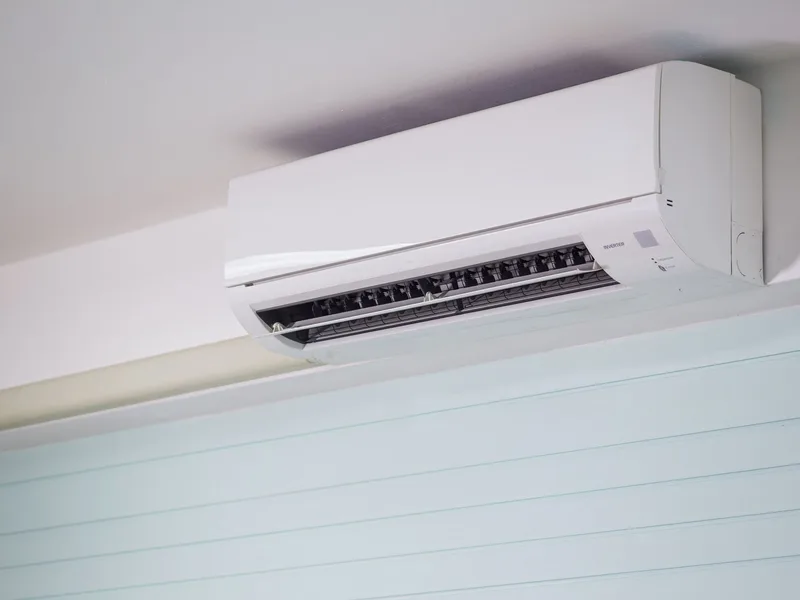
The air conditioning unit
Air conditioning units may draw pollutants from neighbouring flats if shared, so filters need weekly cleaning.
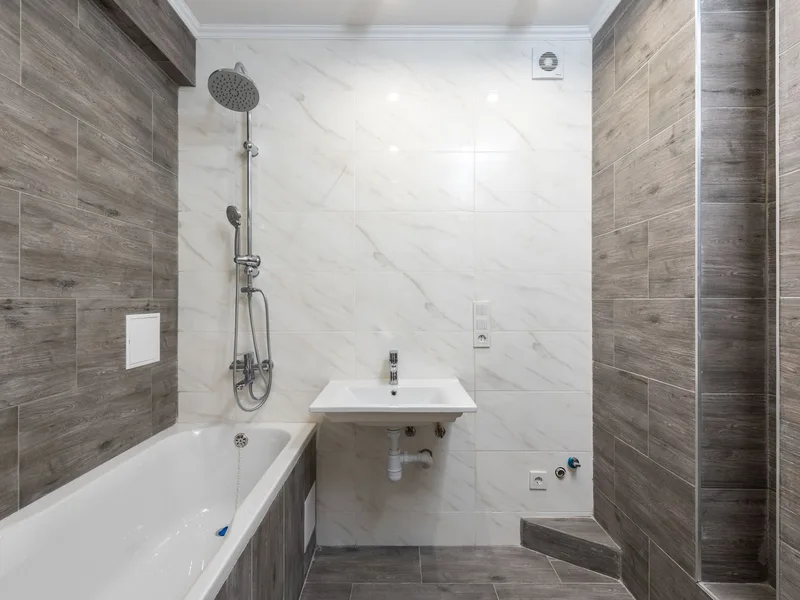
Floor traps
Floor drains transmit contaminants from other flats and shops, requiring weekly treatment.
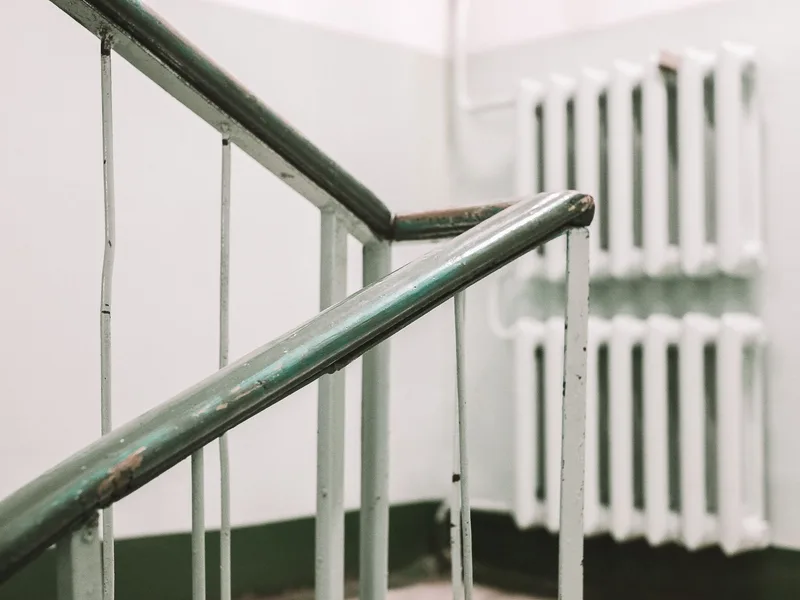
Shared entrances and stairs
Shared stairs, entrances and lifts experience heavy traffic from constantly changing visitors, and weekly disinfection is essential.
How we work
-
1
Walk the space and list the surfaces
We go through the rooms and mark the touch points, the porous surfaces and the finishes, then ask what prompted the call: illness at home, moving into a new place, building work, or a smell that arrived out of nowhere.
-
2
Clean what we are about to treat
We take the film of dust and grease off the surfaces that are in scope, so the product reaches the surface itself. This is preparation for the treatment, not general house cleaning.
-
3
Apply it, and hold the contact time
Hand work on the touch points, a product matched to each surface, and the surface left visibly wet for as long as that material needs before it is dried off. Cold fogging comes last, for what a cloth cannot reach.
-
4
Ventilate and hand back
We open the place up, rinse food preparation surfaces with water, and tell you when each room goes back into use. We give you that timing on the call, because it changes with the product and the space.
What a disinfection visit includes
-

A surface and touch point survey
What gets treated, and with what, settled before anything is opened.
-

Soil off first, then the disinfectant
The greasy film comes off first, then a product that stays wet for the contact time it needs.
-

Floor traps and the air conditioning drain
Floor traps, sink outlets and the drain tray, which is where most smells actually begin.
-
Cold fogging for the space
For upward faces and corners a cloth never reaches, done as the last thing before we leave a room.
-

Ventilation and use instructions
What gets rinsed with water, what is left alone, and when each room goes back into use.
-

A scheduled repeat when it is needed
For shared entrances and places people pass through every day, because a disinfectant leaves nothing behind to stop the next contact.
Landmarks of Al Diyafah
The old Makkah road runs directly past the neighbourhood, with Hussain Arab Street and Abdullah Arif Road crossing it, and Qasr Al Diyafah Street forming a main axis. Approaching via any of these routes reveals high density, numerous shops and constant visitor movement.
- Old Makkah Road
- Hussain Arab Street
- Abdullah Arif Road
- Qasr Al Diyafah Street
- Al Diyafah Mall
Questions about this district
The flat is in a block where visitors change every week. How often should we disinfect?
We recommend weekly disinfection for flats let to visitors, because each new guest brings potential viruses and contaminants. Comprehensive disinfection after each guest leaves and before the next arrives is more practical than weekly cycles.
Smells from the shops below and ground floor rise into the flat. What should we do?
Odours enter through shared pipes and gaps between floors. We recommend disinfecting the flat and shops together, inspecting and sealing gaps between storeys, and weekly treatment of traps and openings.
Do viruses from other flats enter mine through shared pipes?
Yes, shared drainage transmits viruses and bacteria easily, especially in high humidity and where air is recycled. Disinfecting your flat helps, but a preventive programme across the whole building works better.
How often should a short-term rental flat be disinfected?
Comprehensive disinfection after each guest leaves and before the next arrives is ideal. If occupancy is continuous with no breaks, we recommend weekly disinfection at minimum.
Does strong ventilation reduce infection transmission between flats?
Good ventilation helps but does not stop infection passing through shared pipes. We recommend combining ventilation with regular disinfection cycles and targeted treatment of pipe openings and gaps.
Do shared bathrooms and toilets need separate treatment?
Yes, bathrooms are high-humidity sources and water-borne contamination zones. We recommend treating the bathroom and toilet first with higher concentration, followed by strong ventilation to dry the moisture afterwards.
How much does disinfection in Al Diyafah cost?
It is set after the inspection, because the price follows the type of infestation, the size of the space, how far it has spread and the number of visits it needs. Send a photo and a description on WhatsApp and we will give you an estimate before we reach Al Diyafah.
Other services in Al Diyafah
Other services we provide to residents of Al Diyafah.
-
 Residential
Cockroach control
Residential
Cockroach control
-
 Residential
Bed bug control
Residential
Bed bug control
-
 Residential
Termite control
Residential
Termite control
-
 Residential
Rodents and mice
Residential
Rodents and mice
-
 Residential
Mosquito control
Residential
Mosquito control
-
 Residential
Fly control
Residential
Fly control
-
 Residential
Ant control
Residential
Ant control
-
 Residential
Gecko control
Residential
Gecko control
-
 Residential
Scorpion control
Residential
Scorpion control
-
 Residential
Snake control
Residential
Snake control
-
 Residential
Flea control
Residential
Flea control
-
 Residential
Bird and pigeon control
Residential
Bird and pigeon control
-
 Residential
Preventive treatment
Residential
Preventive treatment
-
 Commercial
Annual contracts
Commercial
Annual contracts
-
 Commercial
Restaurants and cafes
Commercial
Restaurants and cafes
-
 Commercial
Hotels and apartments
Commercial
Hotels and apartments
-
 Commercial
Warehouses and factories
Commercial
Warehouses and factories
-
 Commercial
Schools and nurseries
Commercial
Schools and nurseries
-
 Commercial
Retail and malls
Commercial
Retail and malls
-
 Commercial
Rest houses and farms
Commercial
Rest houses and farms
-
 Commercial
Fumigation
Commercial
Fumigation
-
 Water tanks
Water tank cleaning
Water tanks
Water tank cleaning
-
 Water tanks
Water tank sterilization
Water tanks
Water tank sterilization
-
 Water tanks
Water tank sealing
Water tanks
Water tank sealing
-
 Water tanks
Tank leak repair
Water tanks
Tank leak repair
Need disinfection in Al Diyafah? Tell us what you saw and we will tell you what it needs
We reach Al Diyafah at a time we agree, and you get the full cost before we start.