
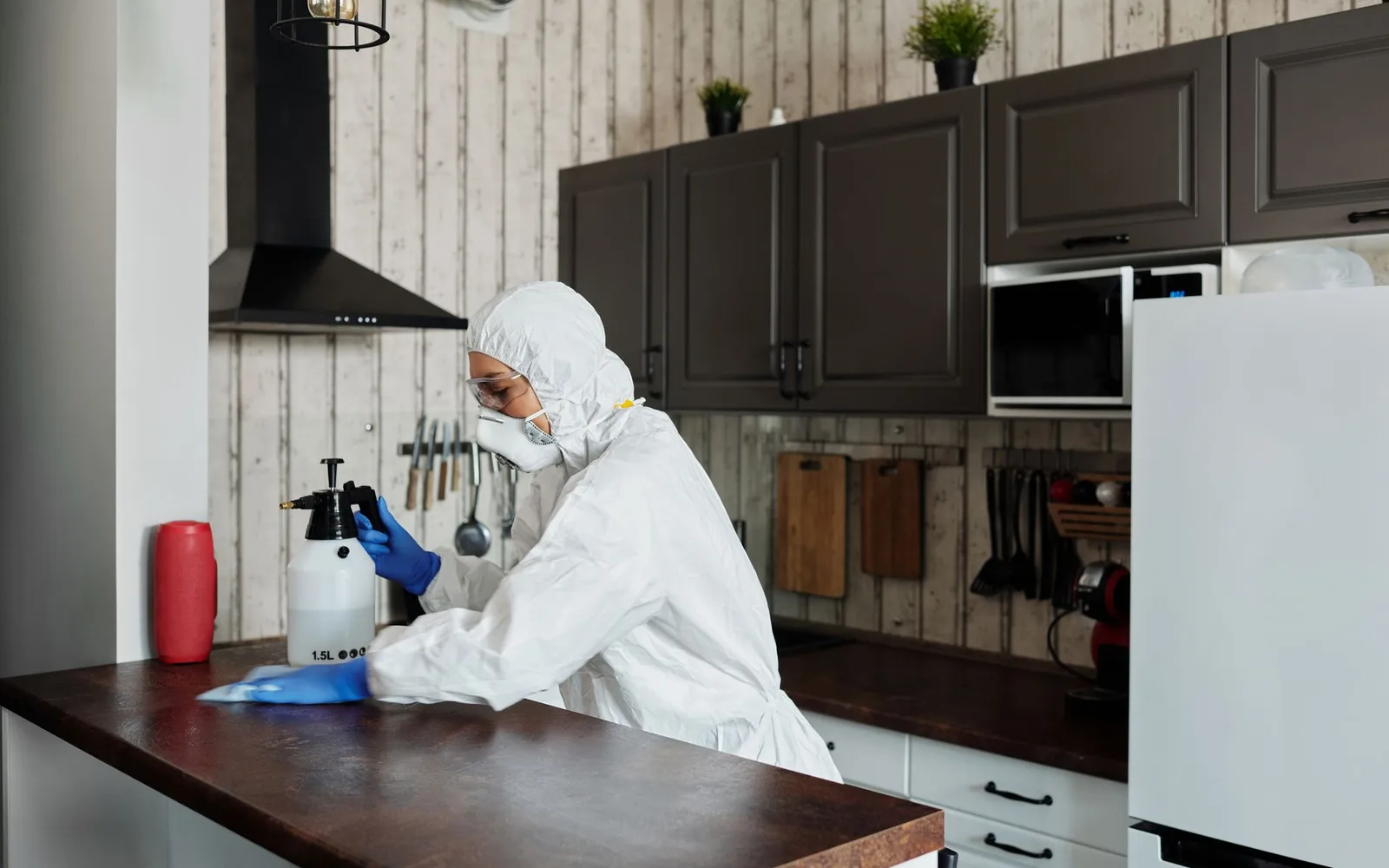
Disinfection in Al Mursalat Makkah
Al Mursalat sits east of the centre, against the Fourth Ring Road and the Mina side, crossed by King Khalid Road and close to the highway that carries Hajj traffic. The district is dominated by apartment blocks and pilgrim hotels, with banks and restaurants lining Al Masjid Al Haram Road, the Saudi National Hospital, health centres and Souq Al Aziziyah drawing constant foot traffic. Disinfection here is not a simple flat clean: it covers residential, commercial and medical spaces with different standards.
-
Targeted, not broadcast
Product goes into cracks and runways, never sprayed across open surfaces.
-
Told before we start
What we will use, where it goes, and what to cover or move before we arrive.
-
A follow-up visit
We return after the first treatment, because what survives it does not show on the day.
-
Homes and businesses
Apartments and villas, and kitchens and stores that need a record of each visit.
Why they keep coming back in Al Mursalat
Al Mursalat teems with pilgrims in season, patients and staff at the hospital and clinics daily, and restaurant workers and customers in constant flux, spreading germs faster than purely residential neighbourhoods. The method is set out in full on our Disinfection service.
Hotels with rapid guest turnover
Pilgrim hotels in Al Mursalat may house six different guests in a single room in one month. Each new arrival brings new microbes. Disinfection between guests is not optional: it is a basic health requirement. One room may need up to six separate disinfections in a single month during Hajj.
Medical facilities demand higher standards
The Saudi National Hospital and the health centre raise the disinfection standard for the entire district. Hospital air, patient rooms, waiting areas and clinic surfaces need products safe on wounds and sensitive skin, with no streaking on white walls or staining on medical fabrics.
Street traffic pours contamination inward
Al Masjid Al Haram Road carries constant pedestrian flow, and shop fronts open directly onto the street. Contamination enters every minute through the open door. Disinfection here concentrates on entrance zones, counters and floors immediately inside.
Al Mursalat on the map
Al Mursalat sits about 1 km from Al Jamiah and about 2.5 km from Al Sanabel.
Open in Google MapsWhat we look at before the product is chosen
East of central Makkah, south of Al Aziziyah and against Mina, crossed by King Khalid Road and close to the Fourth Ring Road, with the Saudi National Hospital, health centres and markets drawing heavy daytime traffic.
The touch points
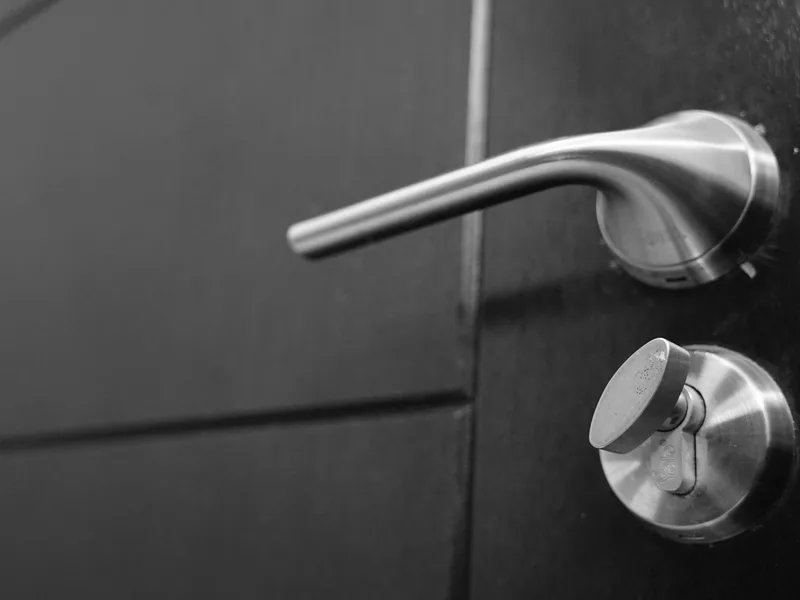
Hotel counters, tables and phones are touched by new hands every few hours; furnished flats need deep disinfection before every new guest, not quick surface treatment.
Porous surfaces
Bathrooms in hotels and clinics stay damp and hold bacteria from toilets and drains. We leave disinfectant wet here longer than anywhere else and treat deeper into pipes.
The finish itself
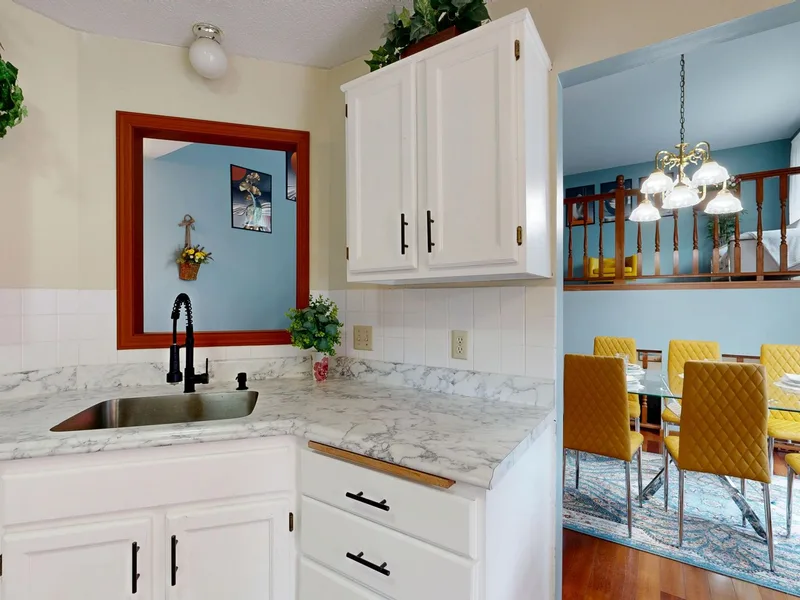
Floors near doorways and street entrances receive continuous contamination from foot traffic and must be treated with special attention and potentially re-disinfected weekly.
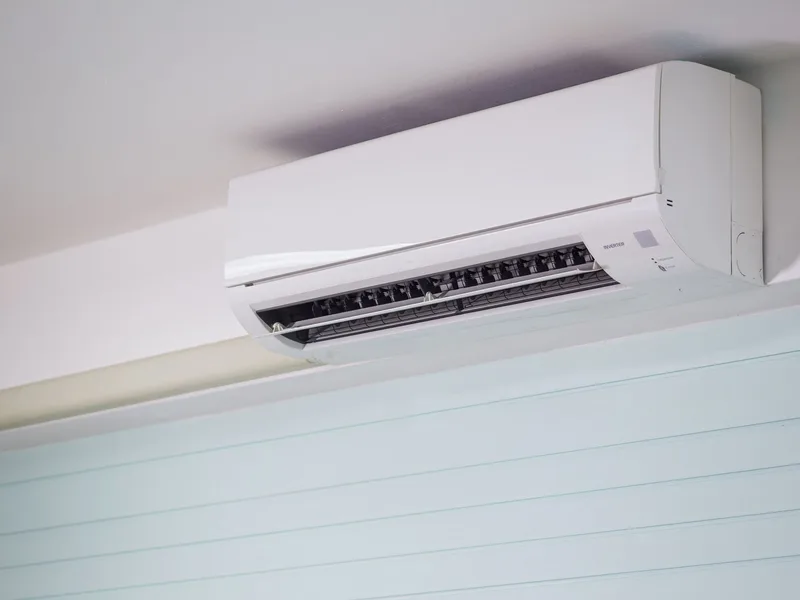
The air conditioning unit
Hotel and clinic air conditioning units need deeper inspection than house units. Air filters may harbour dangerous bacteria and return ducts can cross-contaminate between rooms.
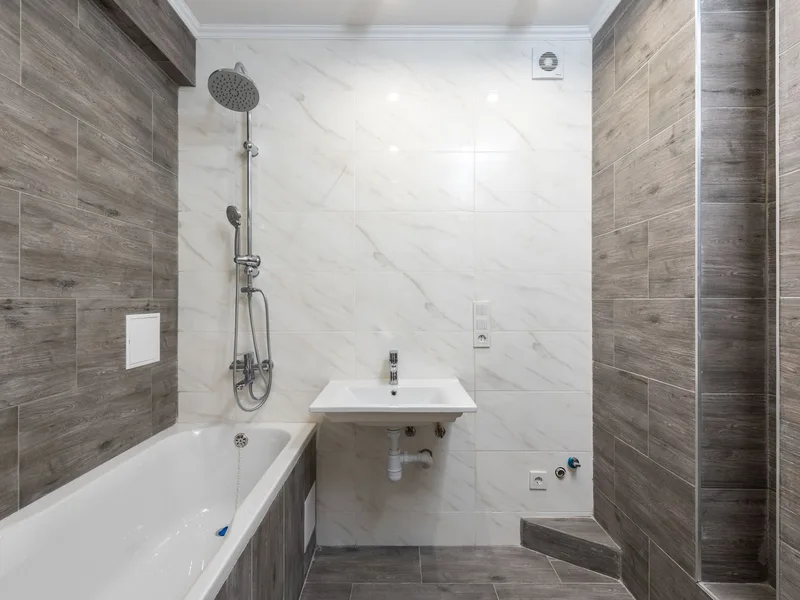
Floor traps
Pipes and drains in busy hotels are heavily used. Bathroom drains and kitchen waste lines are both sources of odour and fungal growth that require deep product placement.
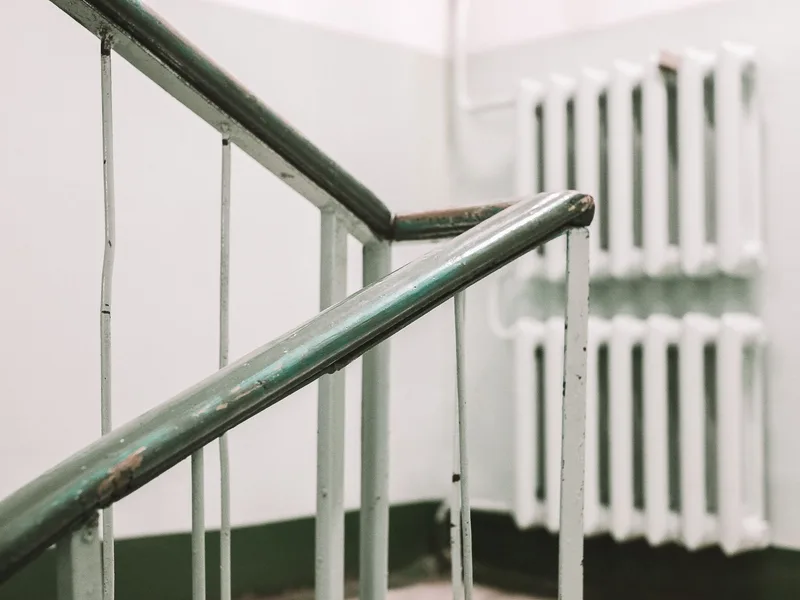
Shared entrances and stairs
Shared lobbies, stairs and lifts in large residential blocks handle seasonal surges of traffic. Handrails, buttons and handles may need treatment cycles exceeding standard frequency.
How we work
-
1
Walk the space and list the surfaces
We go through the rooms and mark the touch points, the porous surfaces and the finishes, then ask what prompted the call: illness at home, moving into a new place, building work, or a smell that arrived out of nowhere.
-
2
Clean what we are about to treat
We take the film of dust and grease off the surfaces that are in scope, so the product reaches the surface itself. This is preparation for the treatment, not general house cleaning.
-
3
Apply it, and hold the contact time
Hand work on the touch points, a product matched to each surface, and the surface left visibly wet for as long as that material needs before it is dried off. Cold fogging comes last, for what a cloth cannot reach.
-
4
Ventilate and hand back
We open the place up, rinse food preparation surfaces with water, and tell you when each room goes back into use. We give you that timing on the call, because it changes with the product and the space.
What a disinfection visit includes
-

A surface and touch point survey
What gets treated, and with what, settled before anything is opened.
-

Soil off first, then the disinfectant
The greasy film comes off first, then a product that stays wet for the contact time it needs.
-

Floor traps and the air conditioning drain
Floor traps, sink outlets and the drain tray, which is where most smells actually begin.
-
Cold fogging for the space
For upward faces and corners a cloth never reaches, done as the last thing before we leave a room.
-

Ventilation and use instructions
What gets rinsed with water, what is left alone, and when each room goes back into use.
-

A scheduled repeat when it is needed
For shared entrances and places people pass through every day, because a disinfectant leaves nothing behind to stop the next contact.
What is different about Al Aziziyah (Makkah) Sub-Municipality
Al Aziziyah sub municipality runs from the Bin Dawood markets to the Al Hada road and carries pilgrim traffic to Mina. Hotel towers and furnished apartment blocks fill and empty with the Hajj and Ramadan seasons, and the kitchens, restaurants and markets along Al Masjid Al Haram Road and King Abdulaziz Road leave food waste at every peak. Southwards the fabric loosens into villas and planned streets in An Naseem and Al Awali, then Al Abidiyah's campus and the old farms of Al Husayniyah, where Wadi Uranah holds water after rain and farm enclosures shelter rodents and reptiles.
Questions about this district
How often must a hotel room be disinfected during Hajj season?
At minimum, once between every guest. If a hotel turns rooms daily or every two days, each room needs daily or bi-daily disinfection.
Is hospital disinfection different from hotel disinfection?
Substantially. Hospital surfaces demand higher standards and different product types. Surfaces that touch wounds and blood need stronger, skin-safe formulas. Wards, corridors and lifts receive specialised attention.
Do the restaurants near the street need different disinfection?
Yes. Food-contact surfaces near open street frontage need careful attention. We choose products approved for use around food and drink.
Does seasonal crowding mean more frequent disinfection?
Absolutely. Hajj and Ramadan bring intense foot traffic. Hotels, shops and restaurants may need weekly disinfection off-season but every three days or less during high season.
Does street humidity affect how disinfection works?
Yes. Humid air and street dust reduce product effectiveness. We dry-clean first to remove dust, then apply disinfectant to a clean surface.
Is disinfection safe around children and hospital patients?
We use products approved for occupied spaces. Children and patients may remain, but full ventilation during work and one hour afterwards is recommended.
How much does disinfection in Al Mursalat cost?
It is set after the inspection, because the price follows the type of infestation, the size of the space, how far it has spread and the number of visits it needs. Send a photo and a description on WhatsApp and we will give you an estimate before we reach Al Mursalat.
Nearby districts we cover
Other services in Al Mursalat
Other services we provide to residents of Al Mursalat.
-
 Residential
Cockroach control
Residential
Cockroach control
-
 Residential
Bed bug control
Residential
Bed bug control
-
 Residential
Termite control
Residential
Termite control
-
 Residential
Rodents and mice
Residential
Rodents and mice
-
 Residential
Mosquito control
Residential
Mosquito control
-
 Residential
Fly control
Residential
Fly control
-
 Residential
Ant control
Residential
Ant control
-
 Residential
Gecko control
Residential
Gecko control
-
 Residential
Scorpion control
Residential
Scorpion control
-
 Residential
Snake control
Residential
Snake control
-
 Residential
Flea control
Residential
Flea control
-
 Residential
Bird and pigeon control
Residential
Bird and pigeon control
-
 Residential
Preventive treatment
Residential
Preventive treatment
-
 Commercial
Annual contracts
Commercial
Annual contracts
-
 Commercial
Restaurants and cafes
Commercial
Restaurants and cafes
-
 Commercial
Hotels and apartments
Commercial
Hotels and apartments
-
 Commercial
Warehouses and factories
Commercial
Warehouses and factories
-
 Commercial
Schools and nurseries
Commercial
Schools and nurseries
-
 Commercial
Retail and malls
Commercial
Retail and malls
-
 Commercial
Rest houses and farms
Commercial
Rest houses and farms
-
 Commercial
Fumigation
Commercial
Fumigation
-
 Water tanks
Water tank cleaning
Water tanks
Water tank cleaning
-
 Water tanks
Water tank sterilization
Water tanks
Water tank sterilization
-
 Water tanks
Water tank sealing
Water tanks
Water tank sealing
-
 Water tanks
Tank leak repair
Water tanks
Tank leak repair
Need disinfection in Al Mursalat? Tell us what you saw and we will tell you what it needs
We reach Al Mursalat at a time we agree, and you get the full cost before we start.