
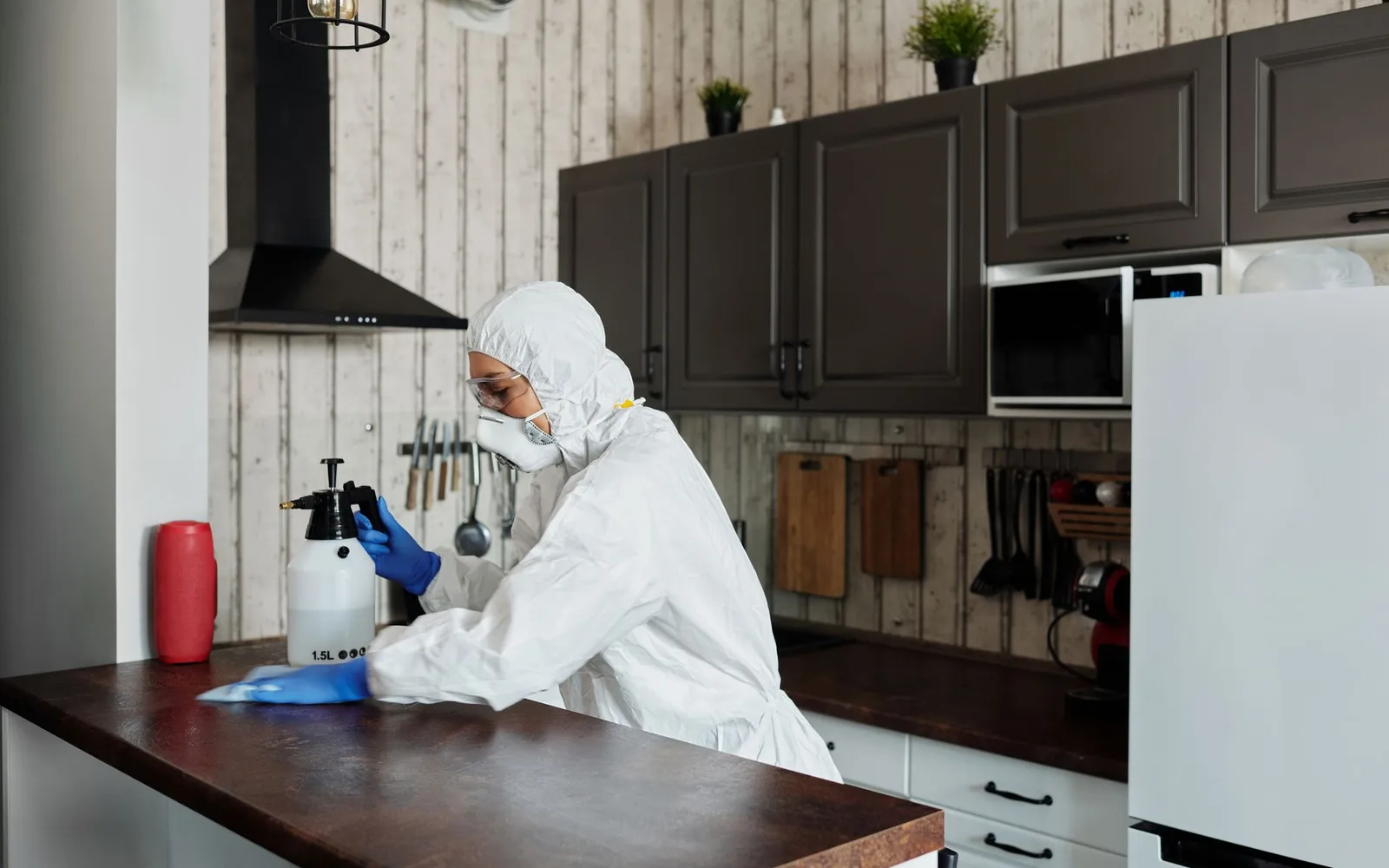
Disinfection in Al Rusayfah Makkah
Al Rusayfah is a planned land-grant district on the third ring road west of the city, laid out on high ground with orderly housing and medical complexes beside Haramain High Speed Railway Station and Jeddah expressway access. The scheme was built on initially dry elevated land, but is ringed by lower ground and wadis that carry flash flood water. Disinfection must account for new foundations, modern drainage, and the heavy foot traffic from patients, visitors and new residents arriving continuously.
-
Targeted, not broadcast
Product goes into cracks and runways, never sprayed across open surfaces.
-
Told before we start
What we will use, where it goes, and what to cover or move before we arrive.
-
A follow-up visit
We return after the first treatment, because what survives it does not show on the day.
-
Homes and businesses
Apartments and villas, and kitchens and stores that need a record of each visit.
Why they keep coming back in Al Rusayfah
The medical complexes draw patients and visitors from across the city daily, and the orderly housing scheme attracts new families continuously, creating heavy human movement throughout the year. The method is set out in full on the full Disinfection page.
Medical complexes carry higher germ load than ordinary residential buildings
Medical centres and clinics attract patients of all kinds and conditions, concentrating germs from extremely high contact rates. Clinic disinfection must be far more frequent and at higher concentration than residential areas. Neighbouring residential flats may benefit from additional preventive disinfection because of proximity to the medical facilities.
The railway station nearby hosts massive daily passenger numbers
Haramain High Speed Railway Station sits on the edge of Al Rusayfah and multiplies the number of people moving through the district. The station itself and the surrounding streets accumulate heavy dust and germs from passengers, buses and freight vehicles. Buildings close to the station need more frequent disinfection.
New foundations on high ground may trap water draining from surrounding wadis
Al Rusayfah was built on elevated ground, but is ringed by wadis that carry seasonal floods. Basement drainage may pump water from lower zones or collect groundwater. Moisture may appear on lower walls even in newly built structures, requiring separate specialist treatment.
Al Rusayfah on the map
Al Rusayfah sits about 1.5 km from Al Hindawiyah and about 2 km from Al Khalidiyah.
Open in Google MapsWhat we look at before the product is chosen
Al Rusayfah is bordered by Al Hindawiyah to the east, Al Khalidiyah to the south, Al Nuzha to the north and Al Shawqiyah to the west, with the railway station and expressway entrance on its edge and several neighbourhood parks within.
The touch points
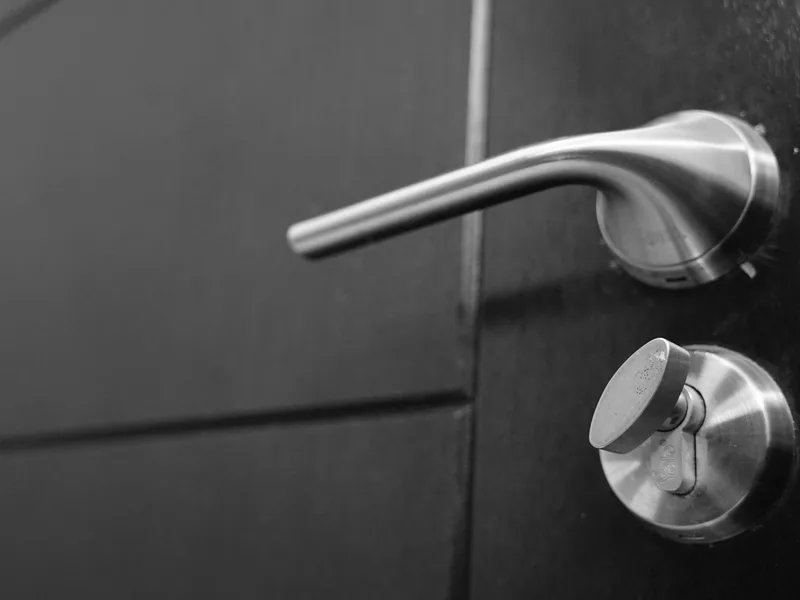
Touch points in the medical complexes and housing include stairway railings, door handles, lift buttons and floor surfaces, requiring consistent and precise disinfection at every visit.
Porous surfaces
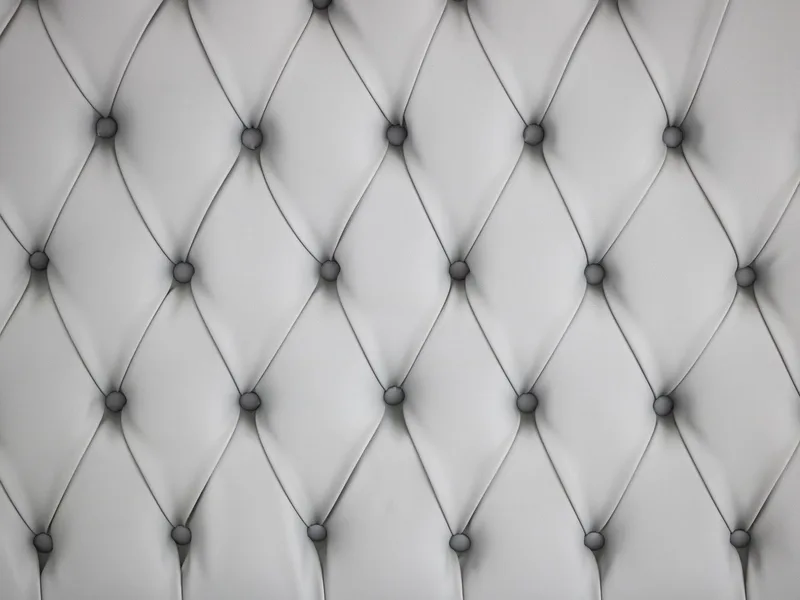
Porous surfaces on walls and floors in modern medical facilities need deep disinfection. The product must stay wet long enough to penetrate fully and work on the surfaces underneath any film.
The finish itself
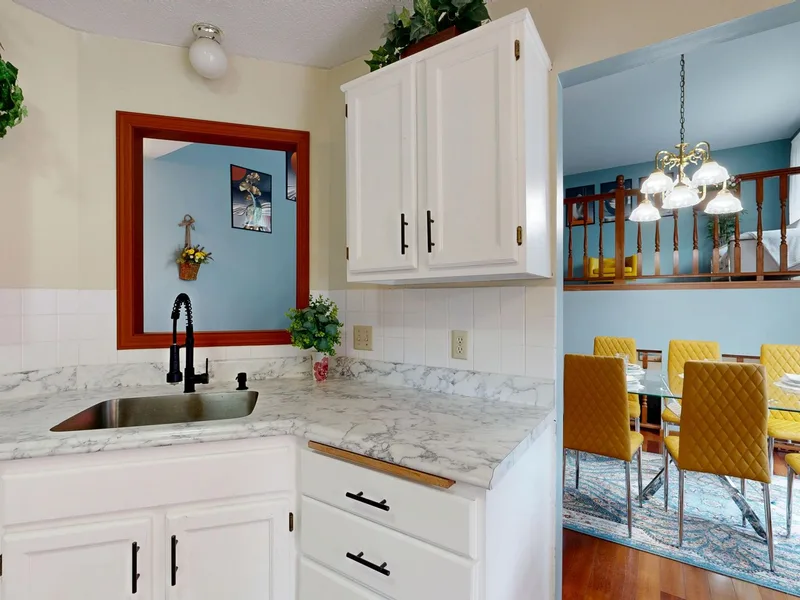
Paint and rubber flooring in hospitals and clinics require selection of a disinfectant proved safe on modern materials. A test patch on an inconspicuous area first ensures compatibility.
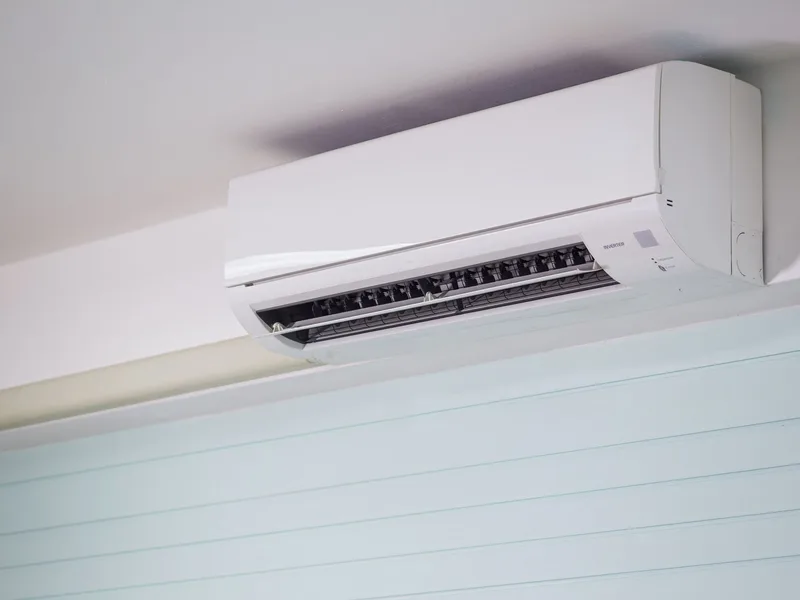
The air conditioning unit
Air conditioning units in medical complexes and housing need precise cleaning and disinfection, with operation suspended during application to ensure internal components are reached.
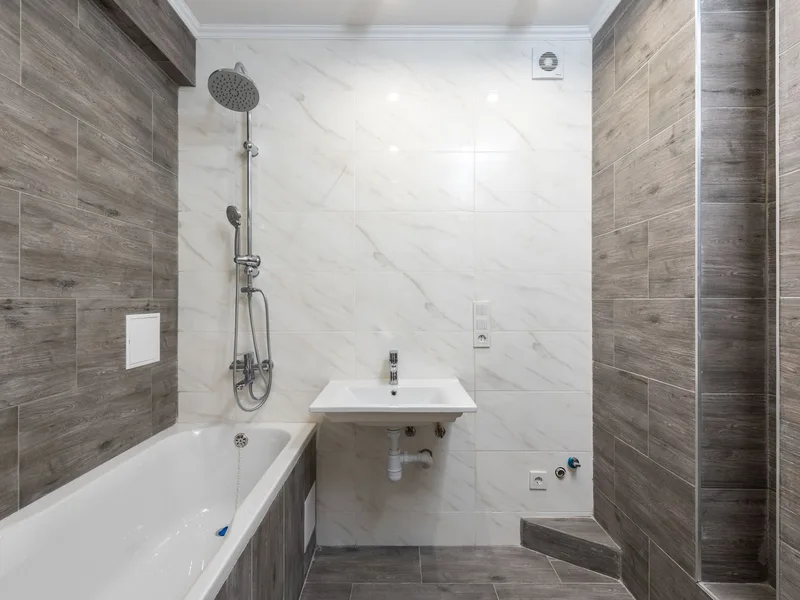
Floor traps
Floor drains and sewerage in hospitals and clinics carry a very high microbial load and need direct application and deep penetration into the trap chambers.
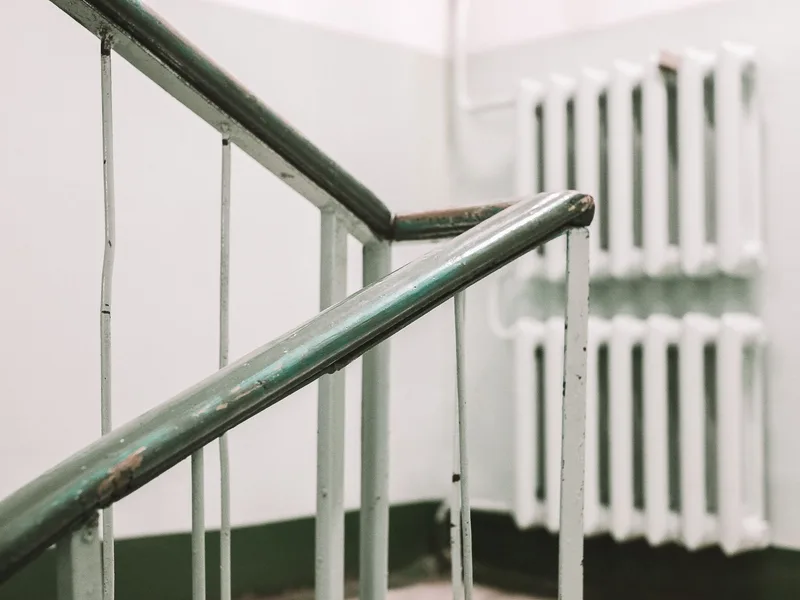
Shared entrances and stairs
Shared entrances and corridors in residential complexes require separate scheduled disinfection more frequently than individual flats, because they are the primary vector for germ transmission between units.
How we work
-
1
Walk the space and list the surfaces
We go through the rooms and mark the touch points, the porous surfaces and the finishes, then ask what prompted the call: illness at home, moving into a new place, building work, or a smell that arrived out of nowhere.
-
2
Clean what we are about to treat
We take the film of dust and grease off the surfaces that are in scope, so the product reaches the surface itself. This is preparation for the treatment, not general house cleaning.
-
3
Apply it, and hold the contact time
Hand work on the touch points, a product matched to each surface, and the surface left visibly wet for as long as that material needs before it is dried off. Cold fogging comes last, for what a cloth cannot reach.
-
4
Ventilate and hand back
We open the place up, rinse food preparation surfaces with water, and tell you when each room goes back into use. We give you that timing on the call, because it changes with the product and the space.
What a disinfection visit includes
-

A surface and touch point survey
What gets treated, and with what, settled before anything is opened.
-

Soil off first, then the disinfectant
The greasy film comes off first, then a product that stays wet for the contact time it needs.
-

Floor traps and the air conditioning drain
Floor traps, sink outlets and the drain tray, which is where most smells actually begin.
-
Cold fogging for the space
For upward faces and corners a cloth never reaches, done as the last thing before we leave a room.
-

Ventilation and use instructions
What gets rinsed with water, what is left alone, and when each room goes back into use.
-

A scheduled repeat when it is needed
For shared entrances and places people pass through every day, because a disinfectant leaves nothing behind to stop the next contact.
What is different about Al Misfalah Sub-Municipality
Al Misfalah sub municipality runs downhill from the south of the Grand Mosque through Al Misfalah, Kudai and Al Rawabi to Al Taqwa, Al Hindawiyah, Al Khalidiyah and Al Rusayfah at the third ring road. The northern end is old apartment blocks and pilgrim hotels with restaurants along Ibrahim Al Khalil Street and the huge coach parks at Kudai. The south and west are dense popular districts with countless small shops and unplanned hillside housing, some of it already cleared for redevelopment, giving way to orderly land grant schemes in Al Rusayfah beside the railway station.
Questions about this district
How many times per week should a medical complex in Al Rusayfah be disinfected?
Medical complexes require daily or near-daily disinfection of all waiting areas, clinics, treatment rooms and shared corridors. Operating theatres and intensive care units may need higher disinfection standards and more frequent application than general-access areas.
Is disinfection in the medical complex different from the residential housing beside it?
Yes, the medical complex requires higher standards, greater concentration and more frequent application than the residential apartments. The housing nearby may benefit from additional preventive disinfection because of the proximity to patients and high visitor throughput.
The railway station brings thousands of passengers daily; do nearby buildings need extra disinfection?
Yes, residential and commercial buildings close to the railway station require more frequent disinfection because of the volume and turnover of visitors. Weekly schedules may prove insufficient; twice-weekly or three times per week may be necessary.
Does wadi moisture and flood risk affect the effectiveness of disinfection in Al Rusayfah?
Yes, moisture from nearby wadis may raise groundwater levels and enter buildings from the foundation up. Disinfection is less effective in this damp environment. Addressing the underlying moisture problem is necessary alongside the chemical treatment.
Do new flats in Al Rusayfah have moisture problems like older districts?
New buildings may retain construction moisture for an extended period, and deeper foundations may encounter groundwater. Drying may take longer than expected. Disinfection should be delayed until the building has dried sufficiently for the treatment to be fully effective.
The elevated streets, orderly layout and neighbourhood parks in Al Rusayfah: do these aid disinfection?
Yes, the orderly planning, wide streets and parks make building access straightforward. Air circulation is better, and disinfection may be more effective because of improved natural ventilation and lower ambient humidity.
How much does disinfection in Al Rusayfah cost?
It is set after the inspection, because the price follows the type of infestation, the size of the space, how far it has spread and the number of visits it needs. Send a photo and a description on WhatsApp and we will give you an estimate before we reach Al Rusayfah.
Nearby districts we cover
Other services in Al Rusayfah
Other services we provide to residents of Al Rusayfah.
-
 Residential
Cockroach control
Residential
Cockroach control
-
 Residential
Bed bug control
Residential
Bed bug control
-
 Residential
Termite control
Residential
Termite control
-
 Residential
Rodents and mice
Residential
Rodents and mice
-
 Residential
Mosquito control
Residential
Mosquito control
-
 Residential
Fly control
Residential
Fly control
-
 Residential
Ant control
Residential
Ant control
-
 Residential
Gecko control
Residential
Gecko control
-
 Residential
Scorpion control
Residential
Scorpion control
-
 Residential
Snake control
Residential
Snake control
-
 Residential
Flea control
Residential
Flea control
-
 Residential
Bird and pigeon control
Residential
Bird and pigeon control
-
 Residential
Preventive treatment
Residential
Preventive treatment
-
 Commercial
Annual contracts
Commercial
Annual contracts
-
 Commercial
Restaurants and cafes
Commercial
Restaurants and cafes
-
 Commercial
Hotels and apartments
Commercial
Hotels and apartments
-
 Commercial
Warehouses and factories
Commercial
Warehouses and factories
-
 Commercial
Schools and nurseries
Commercial
Schools and nurseries
-
 Commercial
Retail and malls
Commercial
Retail and malls
-
 Commercial
Rest houses and farms
Commercial
Rest houses and farms
-
 Commercial
Fumigation
Commercial
Fumigation
-
 Water tanks
Water tank cleaning
Water tanks
Water tank cleaning
-
 Water tanks
Water tank sterilization
Water tanks
Water tank sterilization
-
 Water tanks
Water tank sealing
Water tanks
Water tank sealing
-
 Water tanks
Tank leak repair
Water tanks
Tank leak repair
Need disinfection in Al Rusayfah? Tell us what you saw and we will tell you what it needs
We reach Al Rusayfah at a time we agree, and you get the full cost before we start.