
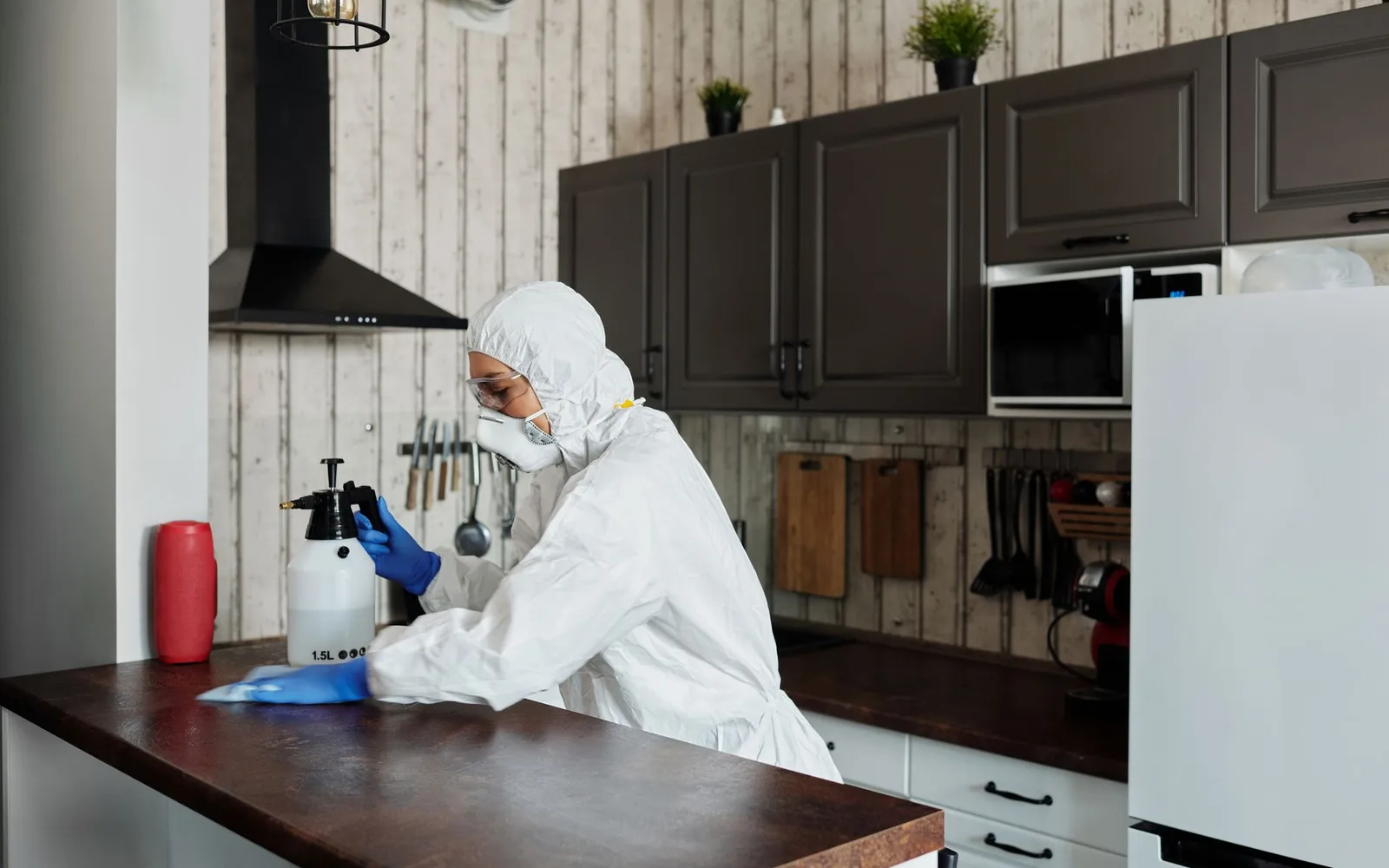
Disinfection in Mughammas Makkah
Mughammas is an industrial and storage district on the eastern fringe of Makkah, known for Wadi Al Mughammas, now called Al Wadi Al Akhdar. The ground is mostly open, hills close it in, and it floods in heavy rain. Insects and rodents shelter in warehouses, foundation pits and piles of material, drawing water from the sodden ground. Disinfection here must address the open areas, warehouse interiors and the gaps where pests enter.
-
Targeted, not broadcast
Product goes into cracks and runways, never sprayed across open surfaces.
-
Told before we start
What we will use, where it goes, and what to cover or move before we arrive.
-
A follow-up visit
We return after the first treatment, because what survives it does not show on the day.
-
Homes and businesses
Apartments and villas, and kitchens and stores that need a record of each visit.
Why they keep coming back in Mughammas
Rodents tunnel under stacked material and warehouses searching for water and food, and crawling insects enter buildings through gaps in the lower walls where moisture creates passage. The method is set out in full on how we approach Disinfection.
Warehouses and open damp ground
Warehouses in Mughammas have no raised floors, moisture enters from below freely. Open ground around them is damp, insects and rodents find food in stored goods and waste. We treat internal walls, floors and the gaps where pests enter, but the open area means reinfestation is inevitable without barriers.
Rodent shelter under material and equipment
Building materials and machinery stack in the yard, rodents burrow beneath them. Excavations and low spots hold water and warmth, warehouses supply food. Burrows under ground and in wall cracks are hard to reach, but removing moisture and food sources through disinfection reduces pressure on the shelter.
Lower wall gaps and cracks
Warehouse walls are old or weak with cracks and lower gaps allowing insects and rodents entry. Ventilation and drain openings lack screens or guards. We disinfect cracks and gaps from inside and outside simultaneously to cut multiple entry points.
Mughammas on the map
Mughammas sits about 2.5 km from Kawthar and about 3 km from Tarwiyah.
Open in Google MapsWhat we look at before the product is chosen
The district occupies low ground where Wadi Al Mughammas crosses, water pools in excavations and depressions after rain, and soil stays damp for most of the year below exposed buildings.
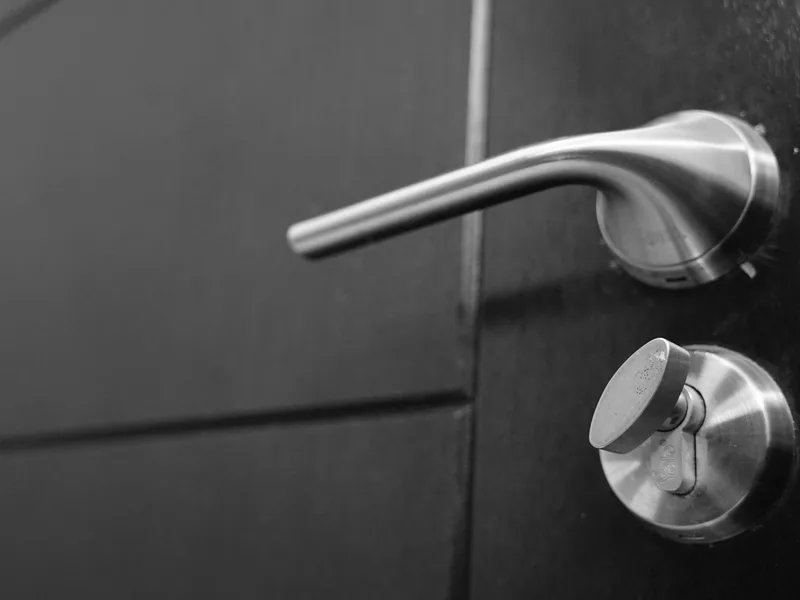
The touch points
Contact points in warehouses are sparse but large surfaces are exposed to airborne and dust-borne infection. We focus on lower walls and gaps where pests enter.
Porous surfaces
Porous surfaces in warehouses vary: raw concrete, corroded metal, wet wood. Each needs different handling and treatment takes longer than it would elsewhere.
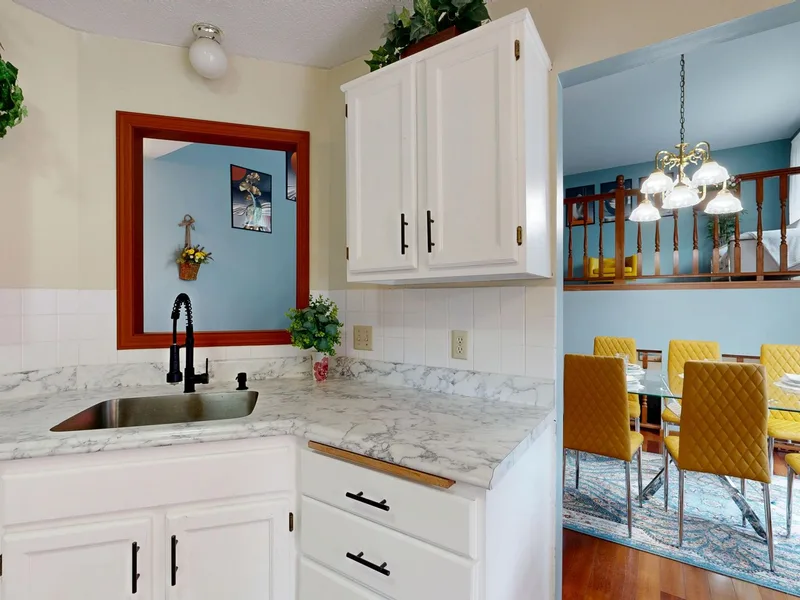
The finish itself
Paint in warehouses is old or absent, metals are rusty. Disinfectant may not adhere to rusty metal without cleaning first.
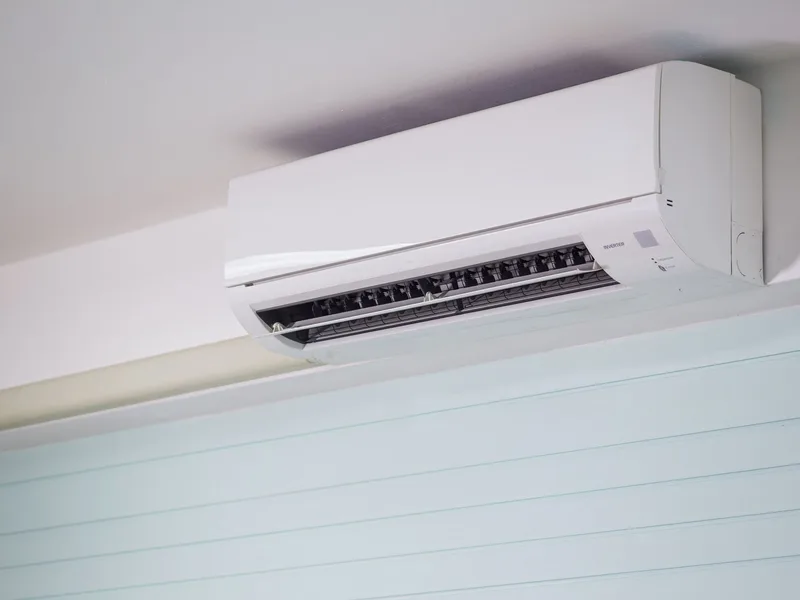
The air conditioning unit
Air conditioning units in warehouses are rare, and ventilation openings may be direct and unfiltered. Treating gaps and lower openings matters more than treating the air itself.
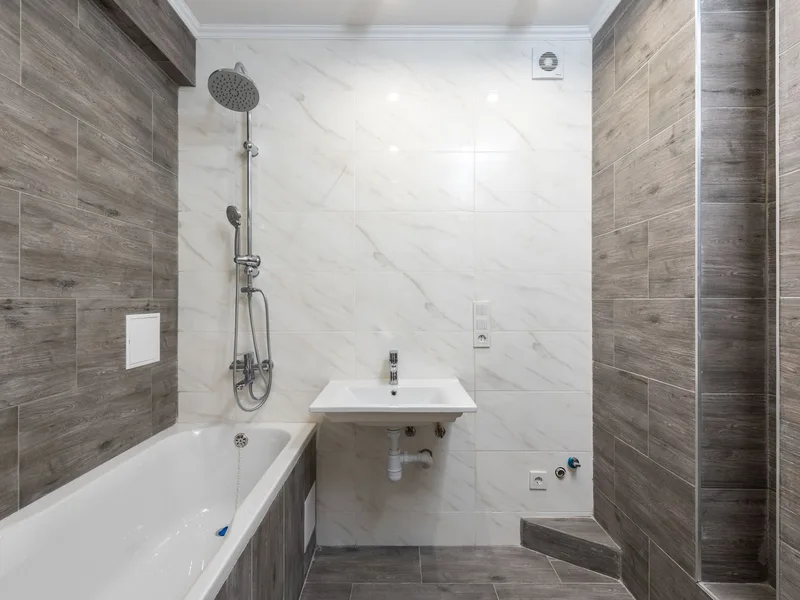
Floor traps
Floor drains in warehouses may exist but are usually blocked or dry. We uncover and fill the trap before treatment to prevent insect entry from pipes.
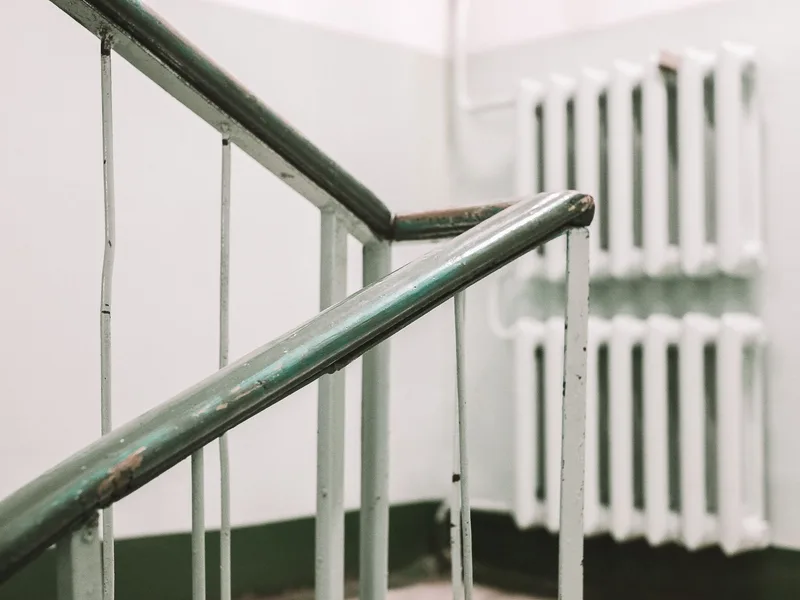
Shared entrances and stairs
Warehouse doors are large and left open during work hours, and gaps below and around them allow insect and rodent entry. Treating these gaps is essential before air sealing.
How we work
-
1
Walk the space and list the surfaces
We go through the rooms and mark the touch points, the porous surfaces and the finishes, then ask what prompted the call: illness at home, moving into a new place, building work, or a smell that arrived out of nowhere.
-
2
Clean what we are about to treat
We take the film of dust and grease off the surfaces that are in scope, so the product reaches the surface itself. This is preparation for the treatment, not general house cleaning.
-
3
Apply it, and hold the contact time
Hand work on the touch points, a product matched to each surface, and the surface left visibly wet for as long as that material needs before it is dried off. Cold fogging comes last, for what a cloth cannot reach.
-
4
Ventilate and hand back
We open the place up, rinse food preparation surfaces with water, and tell you when each room goes back into use. We give you that timing on the call, because it changes with the product and the space.
What a disinfection visit includes
-

A surface and touch point survey
What gets treated, and with what, settled before anything is opened.
-

Soil off first, then the disinfectant
The greasy film comes off first, then a product that stays wet for the contact time it needs.
-

Floor traps and the air conditioning drain
Floor traps, sink outlets and the drain tray, which is where most smells actually begin.
-
Cold fogging for the space
For upward faces and corners a cloth never reaches, done as the last thing before we leave a room.
-

Ventilation and use instructions
What gets rinsed with water, what is left alone, and when each room goes back into use.
-

A scheduled repeat when it is needed
For shared entrances and places people pass through every day, because a disinfectant leaves nothing behind to stop the next contact.
Landmarks of Mughammas
Mughammas sits at Wadi Al Mughammas, now known as Al Wadi Al Akhdar, a key landmark for reaching it, and the work depends on understanding the wadi's geography and the depressions where water collects after rain.
- Wadi Al Mughammas (Al Wadi Al Akhdar)
- Jabal Al Tariqi
- Wadi Mudarraja
- Wadi Al Sharai
- Hamid Al Qathami Mosque
Questions about this district
Does disinfecting partially open warehouses help or do they just get reinfected by open air?
Disinfection helps temporarily, but open areas mean insects, rodents and dust return. We focus on warehouse interiors and external gaps, and treatments may need repeating.
Does the constant flooding and damp reduce how well disinfection works in Mughammas?
Yes. Moisture dilutes the product and hastens evaporation before it acts. We recommend treating warehouses during drier periods and covering lower openings to prevent water pooling.
How often does an open industrial site like Mughammas need disinfection?
That depends on activity and outdoor contamination. If insects or rodents are active, every two months may be necessary. Sealing gaps to prevent entry is more important than disinfection alone.
Do insects and rodents here come from underground or the open air?
Both. Damp excavations and low spots provide underground routes, and open air means flying insects enter. Effective disinfection focuses on lower gaps and entry points rather than airborne insects.
Do we need special treatment for lower walls and foundations of warehouses?
Yes. Lower walls and foundations are permanently damp and close to open ground. We treat them at higher concentration and allow longer drying.
Is the smell in warehouses from insects and rodents or from damp and mould?
Usually both. Damp creates habitat for mould and bacteria, insects and rodents leave droppings. Disinfection addresses both, but addressing moisture at source is the real solution.
How much does disinfection in Mughammas cost?
It is set after the inspection, because the price follows the type of infestation, the size of the space, how far it has spread and the number of visits it needs. Send a photo and a description on WhatsApp and we will give you an estimate before we reach Mughammas.
Nearby districts we cover
Other services in Mughammas
Other services we provide to residents of Mughammas.
-
 Residential
Cockroach control
Residential
Cockroach control
-
 Residential
Bed bug control
Residential
Bed bug control
-
 Residential
Termite control
Residential
Termite control
-
 Residential
Rodents and mice
Residential
Rodents and mice
-
 Residential
Mosquito control
Residential
Mosquito control
-
 Residential
Fly control
Residential
Fly control
-
 Residential
Ant control
Residential
Ant control
-
 Residential
Gecko control
Residential
Gecko control
-
 Residential
Scorpion control
Residential
Scorpion control
-
 Residential
Snake control
Residential
Snake control
-
 Residential
Flea control
Residential
Flea control
-
 Residential
Bird and pigeon control
Residential
Bird and pigeon control
-
 Residential
Preventive treatment
Residential
Preventive treatment
-
 Commercial
Annual contracts
Commercial
Annual contracts
-
 Commercial
Restaurants and cafes
Commercial
Restaurants and cafes
-
 Commercial
Hotels and apartments
Commercial
Hotels and apartments
-
 Commercial
Warehouses and factories
Commercial
Warehouses and factories
-
 Commercial
Schools and nurseries
Commercial
Schools and nurseries
-
 Commercial
Retail and malls
Commercial
Retail and malls
-
 Commercial
Rest houses and farms
Commercial
Rest houses and farms
-
 Commercial
Fumigation
Commercial
Fumigation
-
 Water tanks
Water tank cleaning
Water tanks
Water tank cleaning
-
 Water tanks
Water tank sterilization
Water tanks
Water tank sterilization
-
 Water tanks
Water tank sealing
Water tanks
Water tank sealing
-
 Water tanks
Tank leak repair
Water tanks
Tank leak repair
Need disinfection in Mughammas? Tell us what you saw and we will tell you what it needs
We reach Mughammas at a time we agree, and you get the full cost before we start.