
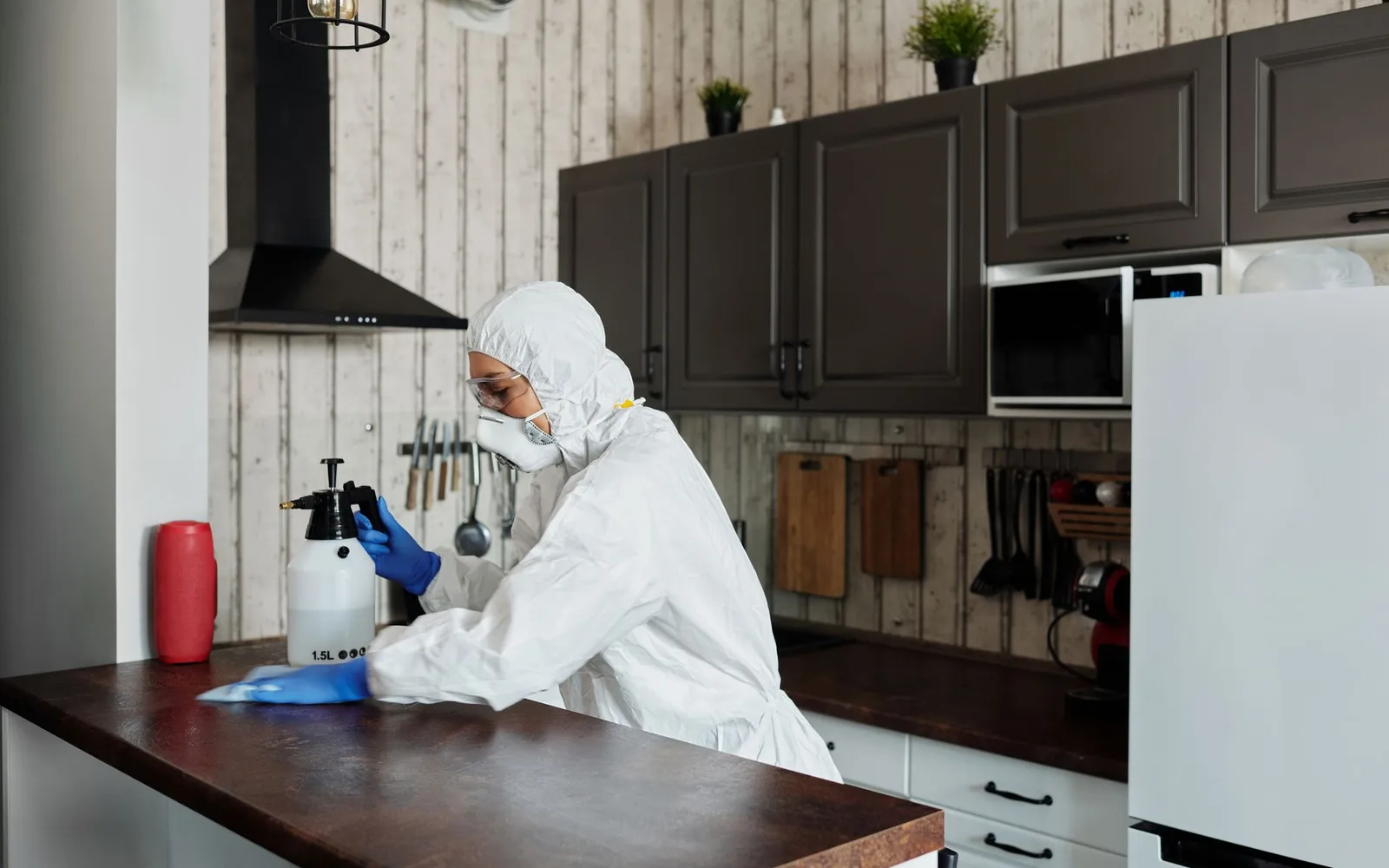
Disinfection in Qurtubah Makkah
Qurtubah is an industrial area sprawled along Al Hajj Street at the third ring road, filled with warehouses, workshops, loading yards, and the old market squares of Souq Al Hijaz and Al Dawas. Disinfection here is fundamentally different from residential districts, because contamination comes from goods handling, spilt oils and grease, and industrial dust. Continuous movement means a surface cleaned one hour is contaminated again within hours.
-
Targeted, not broadcast
Product goes into cracks and runways, never sprayed across open surfaces.
-
Told before we start
What we will use, where it goes, and what to cover or move before we arrive.
-
A follow-up visit
We return after the first treatment, because what survives it does not show on the day.
-
Homes and businesses
Apartments and villas, and kitchens and stores that need a record of each visit.
Why they keep coming back in Qurtubah
Loading yards and large warehouses see heavy movement from dawn until evening, with industrial contaminants embedded on surfaces and floors far more densely than in any residential neighbourhood. The method is set out in full on what Disinfection involves.
Goods, oils and industrial contamination
Warehouses hold varied cargo that leaves oily or chemical residues on surfaces. The disinfectant must tackle these stubborn layers, not just biological contaminants alone, and may need preliminary treatment with a heavy-duty cleaner before the disinfectant is applied effectively.
Continuous operation and rapid recontamination
Workshops and warehouses do not close during the day, and work continues constantly. Disinfection applied today may not last long, because loading and movement bring fresh contamination every few hours, undoing the benefit of treatment before the week ends.
Exposed floors and open yards
Loading areas and gaps between warehouse blocks are open and vast. Disinfectant cannot reach every part because surfaces are uneven and ground collects water and contaminants readily, leaving pockets where treatment has no effect.
Landmarks of Qurtubah
Qurtubah sits on Al Hajj Street with the third ring road marking its eastern boundary. Souq Al Hijaz and Al Dawas Market form the commercial heart, while warehouses and workshops stretch along the main street and the network of side streets that surround them.
- Al Hajj Street
- Third Ring Road
- Al Dawas Market
- Souq Al Hijaz
What we look at before the product is chosen
An industrial zone with warehouses and workshops on a wide thoroughfare carrying heavy truck traffic and constant goods loading. Spilt oils and industrial dust leave residues on all surfaces and in low-lying areas.
The touch points
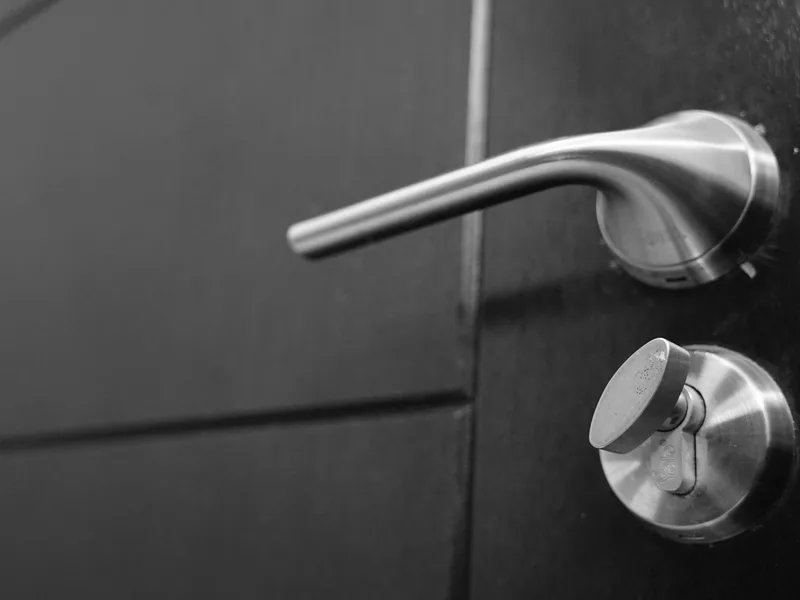
Touch points in warehouses and workshops are numerous, from heavy doors and railings to electrical switches that soil rapidly from contaminated hands.
Porous surfaces
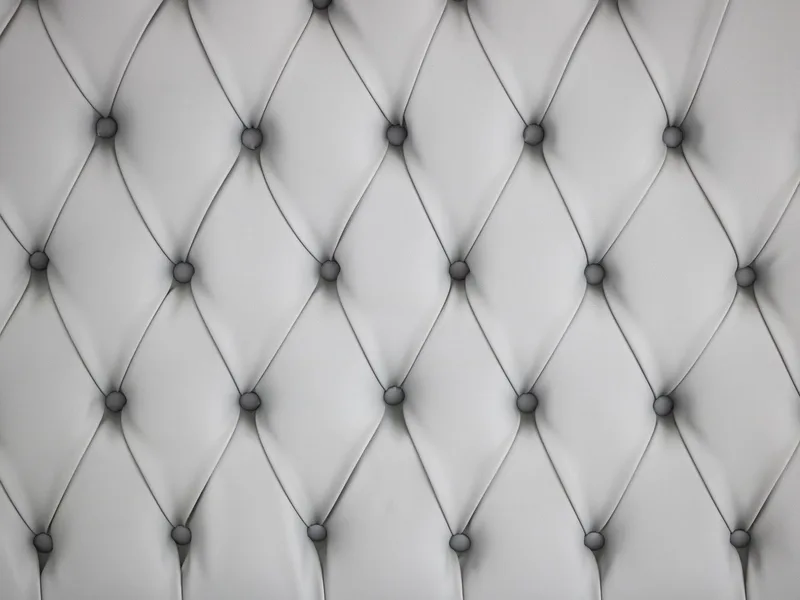
Surfaces in warehouses are often rough concrete or bare metal, both porous and absorbent, drinking disinfectant quickly and requiring larger product volumes to reach full contact time.
The finish itself
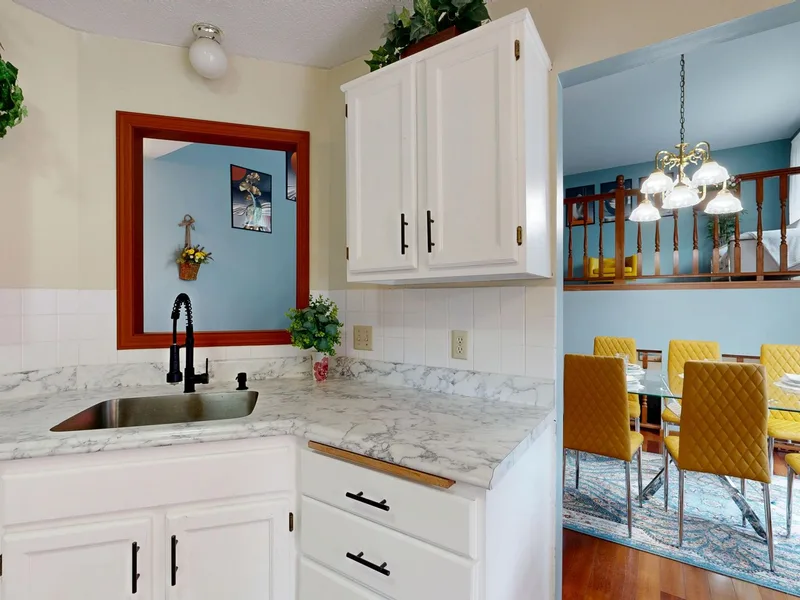
The finishes in the industrial zone are simple and functional, with no special surface care needed unlike modern finishes, so we can apply strong disinfectants without hesitation.
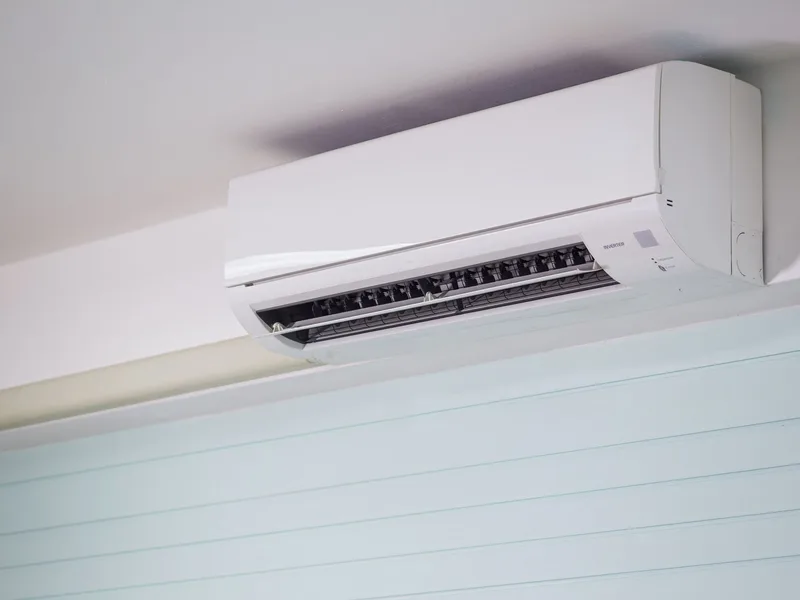
The air conditioning unit
Air conditioning units in workshops and warehouses are often basic, but drain outlets may collect oils and standing water, so we focus on clearing the drain before disinfection starts.
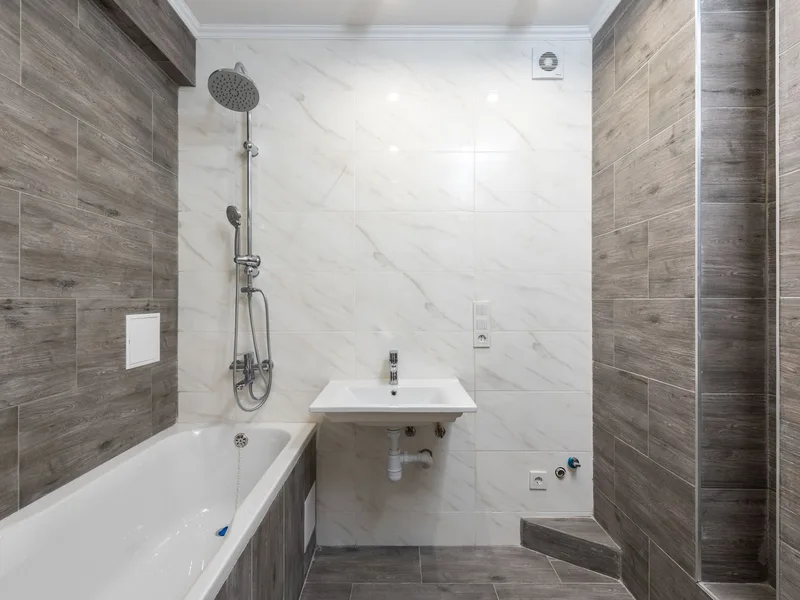
Floor traps
Floor traps in warehouses may hold oils, standing water and industrial particles, and need aggressive treatment and deep clearing.
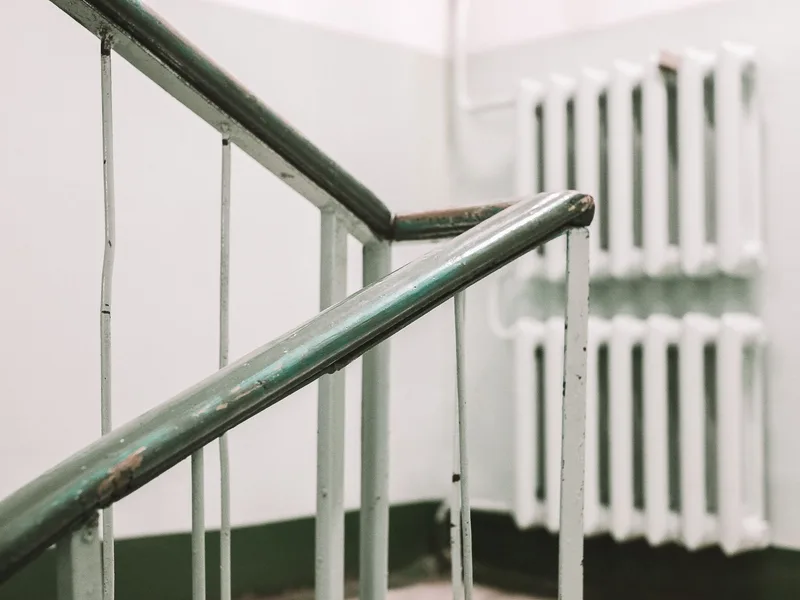
Shared entrances and stairs
Shared entrances and passages between warehouses and workshops face heavy movement daily, and heavy doors and railings need frequent disinfection to counter constant recontamination.
How we work
-
1
Walk the space and list the surfaces
We go through the rooms and mark the touch points, the porous surfaces and the finishes, then ask what prompted the call: illness at home, moving into a new place, building work, or a smell that arrived out of nowhere.
-
2
Clean what we are about to treat
We take the film of dust and grease off the surfaces that are in scope, so the product reaches the surface itself. This is preparation for the treatment, not general house cleaning.
-
3
Apply it, and hold the contact time
Hand work on the touch points, a product matched to each surface, and the surface left visibly wet for as long as that material needs before it is dried off. Cold fogging comes last, for what a cloth cannot reach.
-
4
Ventilate and hand back
We open the place up, rinse food preparation surfaces with water, and tell you when each room goes back into use. We give you that timing on the call, because it changes with the product and the space.
What a disinfection visit includes
-

A surface and touch point survey
What gets treated, and with what, settled before anything is opened.
-

Soil off first, then the disinfectant
The greasy film comes off first, then a product that stays wet for the contact time it needs.
-

Floor traps and the air conditioning drain
Floor traps, sink outlets and the drain tray, which is where most smells actually begin.
-
Cold fogging for the space
For upward faces and corners a cloth never reaches, done as the last thing before we leave a room.
-

Ventilation and use instructions
What gets rinsed with water, what is left alone, and when each room goes back into use.
-

A scheduled repeat when it is needed
For shared entrances and places people pass through every day, because a disinfectant leaves nothing behind to stop the next contact.
What is different about Al Maabdah Sub-Municipality
Al Maabdah sub municipality climbs from Al Abtah and Al Jumayzah beside the Al Mualla cemetery up through Al Khansa and Rai Adhakhir to Al Adl, Jabal Al Nour, Wadi Jaleel and Qurtubah on the outer ring roads. It mixes hotels and pilgrim housing near the Grand Mosque with old popular houses on hillside passes, new housing schemes on valley floors that carry flash floods after rain, and industrial plots, workshops and warehouses along Al Hajj Street in Qurtubah. Street widening and expropriation leave partly demolished frontages in Al Khansa.
Questions about this district
The warehouse receives trucks throughout the day. When can we disinfect?
Best timing is after working hours end, but disinfection will not last long due to continuous movement. Weekly treatment or every few days may be needed depending on traffic volume and goods handled.
Oils and grease coat the floor. Does disinfectant work on them?
Disinfectant alone is not enough if oil layers are thick. We pre-treat the floor with heavy-duty cleaner to remove oils and grease first, then apply disinfectant to the clean surface.
The workshop has metal dust and industrial particles. Does it need different treatment?
Yes. Industrial dust and metal particles need aggressive pre-cleaning. Disinfectant works best on a surface cleared of heavy dust accumulation.
Does disinfecting a large warehouse differ from disinfecting a small shop?
Yes. Large warehouses need comprehensive treatment and longer contact time. Small shops are treated quickly because they cover less ground.
The loading yard is open and collects standing water. Do we disinfect it?
Yes. Open yards and low points collect water and contaminants. We treat these areas with strong disinfectant that penetrates standing water and embedded dust.
Souq Al Hijaz sits beside the workshops, completely mixed. How do we tell harmful from harmless?
Disinfectant kills harmful contaminants only. But traffic from the market and workshops brings fresh contamination quickly. We focus on touch points and entries exposed to heavy movement.
How much does disinfection in Qurtubah cost?
It is set after the inspection, because the price follows the type of infestation, the size of the space, how far it has spread and the number of visits it needs. Send a photo and a description on WhatsApp and we will give you an estimate before we reach Qurtubah.
Nearby districts we cover
Other services in Qurtubah
Other services we provide to residents of Qurtubah.
-
 Residential
Cockroach control
Residential
Cockroach control
-
 Residential
Bed bug control
Residential
Bed bug control
-
 Residential
Termite control
Residential
Termite control
-
 Residential
Rodents and mice
Residential
Rodents and mice
-
 Residential
Mosquito control
Residential
Mosquito control
-
 Residential
Fly control
Residential
Fly control
-
 Residential
Ant control
Residential
Ant control
-
 Residential
Gecko control
Residential
Gecko control
-
 Residential
Scorpion control
Residential
Scorpion control
-
 Residential
Snake control
Residential
Snake control
-
 Residential
Flea control
Residential
Flea control
-
 Residential
Bird and pigeon control
Residential
Bird and pigeon control
-
 Residential
Preventive treatment
Residential
Preventive treatment
-
 Commercial
Annual contracts
Commercial
Annual contracts
-
 Commercial
Restaurants and cafes
Commercial
Restaurants and cafes
-
 Commercial
Hotels and apartments
Commercial
Hotels and apartments
-
 Commercial
Warehouses and factories
Commercial
Warehouses and factories
-
 Commercial
Schools and nurseries
Commercial
Schools and nurseries
-
 Commercial
Retail and malls
Commercial
Retail and malls
-
 Commercial
Rest houses and farms
Commercial
Rest houses and farms
-
 Commercial
Fumigation
Commercial
Fumigation
-
 Water tanks
Water tank cleaning
Water tanks
Water tank cleaning
-
 Water tanks
Water tank sterilization
Water tanks
Water tank sterilization
-
 Water tanks
Water tank sealing
Water tanks
Water tank sealing
-
 Water tanks
Tank leak repair
Water tanks
Tank leak repair
Need disinfection in Qurtubah? Tell us what you saw and we will tell you what it needs
We reach Qurtubah at a time we agree, and you get the full cost before we start.