
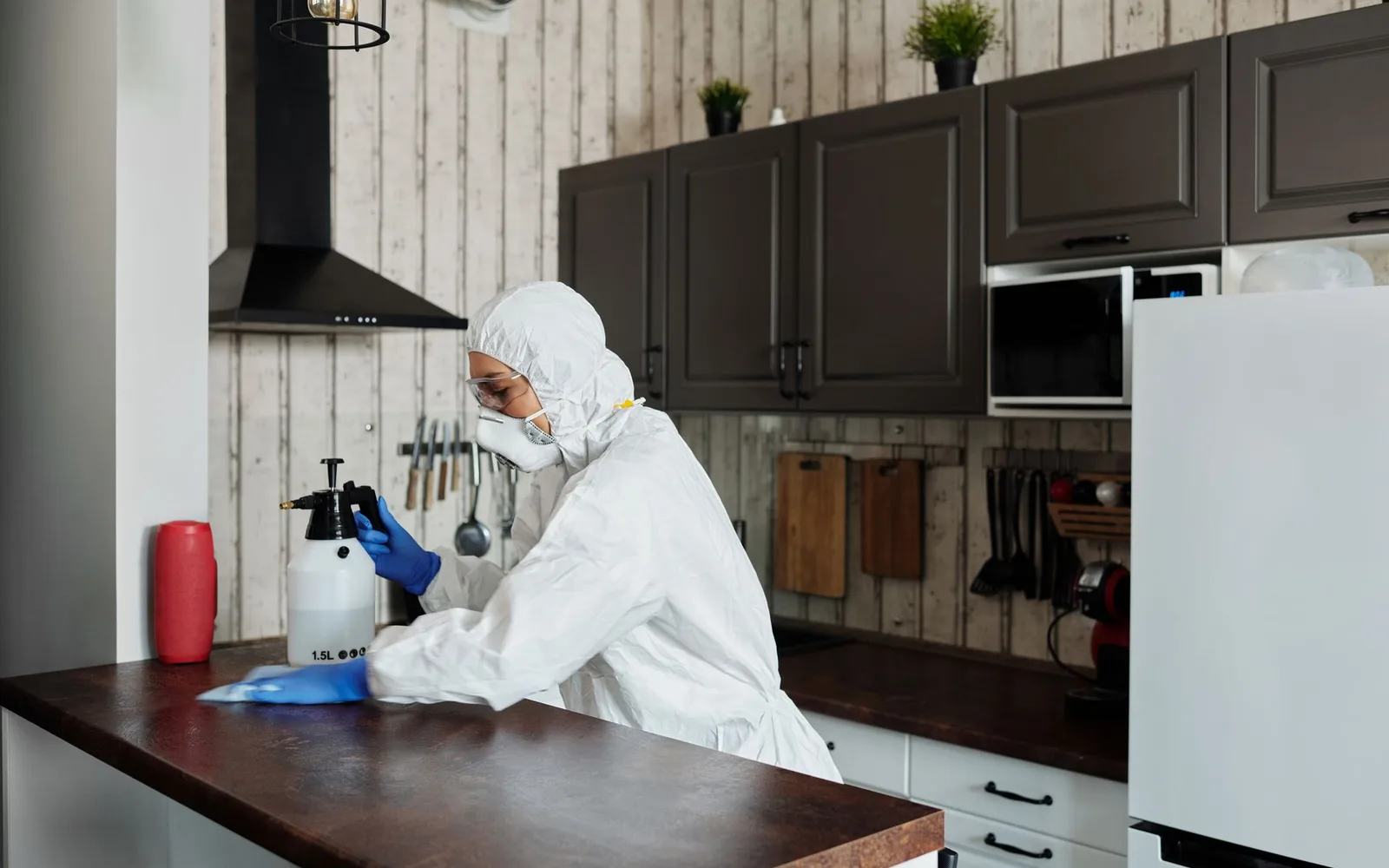
Disinfection in Wadi Jaleel Makkah
Wadi Jaleel is a new district in the north east hills of the Sacred Precinct, where seasonal flood waters cross the ground. The homes here are newly built on foundations in a valley that holds seasonal moisture and mountain dust. Disinfection here means treating what the water and dampness leave behind, not merely cleaning surfaces. The neighbourhood's elevation and its position on an old flood tributary change how the work sits between the interior and what comes from underneath.
-
Targeted, not broadcast
Product goes into cracks and runways, never sprayed across open surfaces.
-
Told before we start
What we will use, where it goes, and what to cover or move before we arrive.
-
A follow-up visit
We return after the first treatment, because what survives it does not show on the day.
-
Homes and businesses
Apartments and villas, and kitchens and stores that need a record of each visit.
Why they keep coming back in Wadi Jaleel
The homes are newly built but foundations absorb moisture from below. Smells and mould return quickly if the traps and gaps under floor surfaces are not treated at depth, not merely on top. The method is set out in full on what Disinfection involves.
Flash floods and moisture below the foundations
Wadi Jaleel carries powerful floods after rain, and the new homes stand on ground that was a water course. Seasonal moisture pools below the foundations, and ordinary disinfection does not reach there. We treat the gaps below tiles and the main drainage traps because the smell returns repeatedly in new districts. Foundation moisture is a neighbour problem here: the home next door may have water below it too.
Hill dust and earth from the surrounding slopes
The district is ringed by hills and ring roads, and the air carries mountain dust and soil from vacant plots between the homes. This dust settles on surfaces and furniture quickly and hides inside ventilation openings and air conditioning units. Disinfection must include the air conditioning unit and its drain outlet because that is where recurring infection starts. The unit draws in air from the surrounding construction zone.
Active construction and vacant land around the homes
Wadi Jaleel is new development and building and digging continue around the homes. Vacant plots between buildings leave gaps for dust, insects and larvae. New homes here need stronger treatment for cracks and seams that have not yet sealed, and regular disinfection because contaminants enter steadily from the building work and open land around the district.
Wadi Jaleel on the map
Wadi Jaleel sits about 3 km from Qurtubah and about 3.5 km from Jabal Al Noor.
Open in Google MapsWhat we look at before the product is chosen
Wadi Jaleel lies in a wadi that channels floods between hills. The ground is low, and moisture pools under the new homes, especially after heavy rains delivered by its tributaries and the high plateaus that feed them.
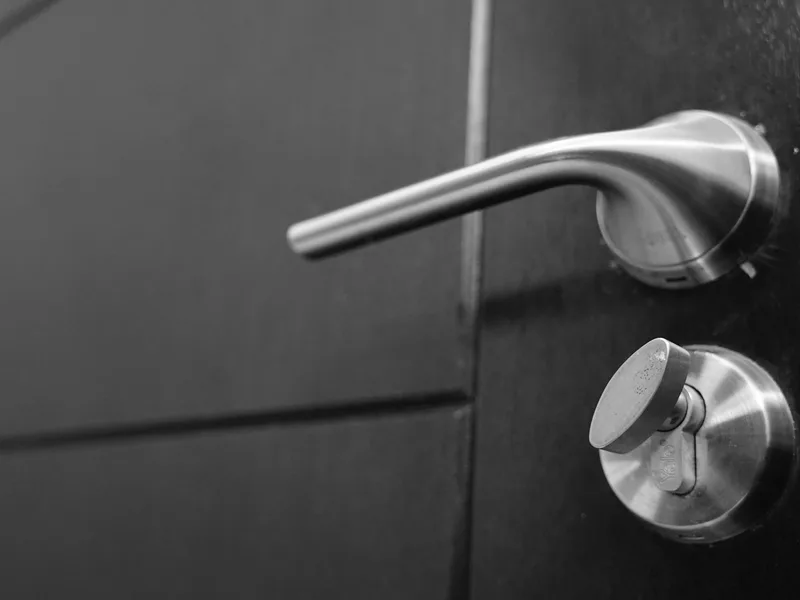
The touch points
The touch points in new homes here are exposed to mountain dust and construction particles constantly, so they need stronger treatment and more frequent coverage than established areas.
Porous surfaces
Porous surfaces are new in the district, but wadi moisture penetrates them and reaches below tiles and plaster, requiring deep treatment rather than surface work alone.
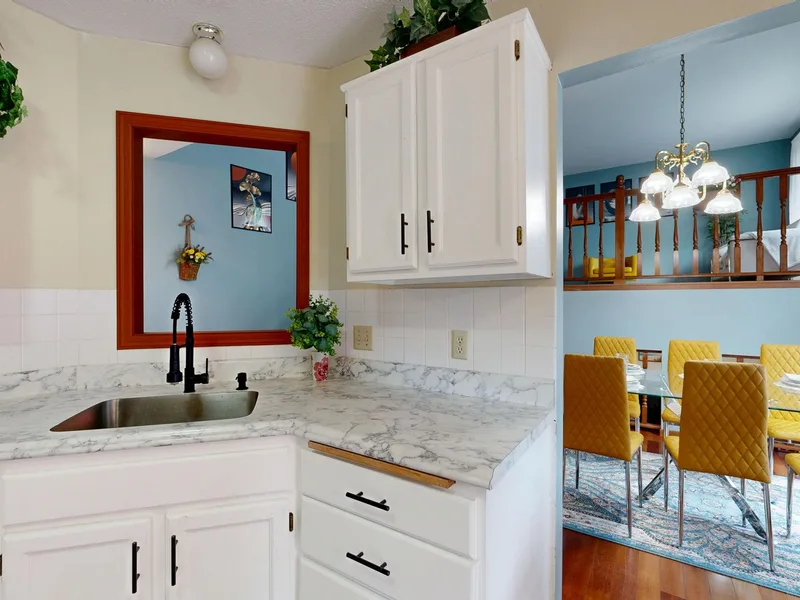
The finish itself
The finish type in new homes may leave gaps between tiles and walls, especially in bathrooms and kitchens. These gaps collect moisture quickly in a valley that channels seasonal floods.
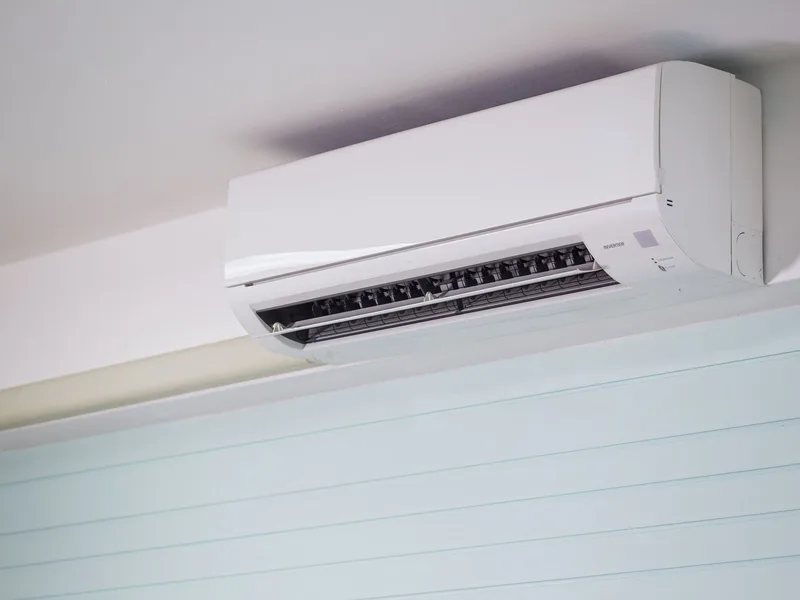
The air conditioning unit
The air conditioning unit in the new home needs separate treatment because it draws dust and soil from the vacant land surroundings, making the unit a source of recurring smell if the evaporator and drain are not addressed.
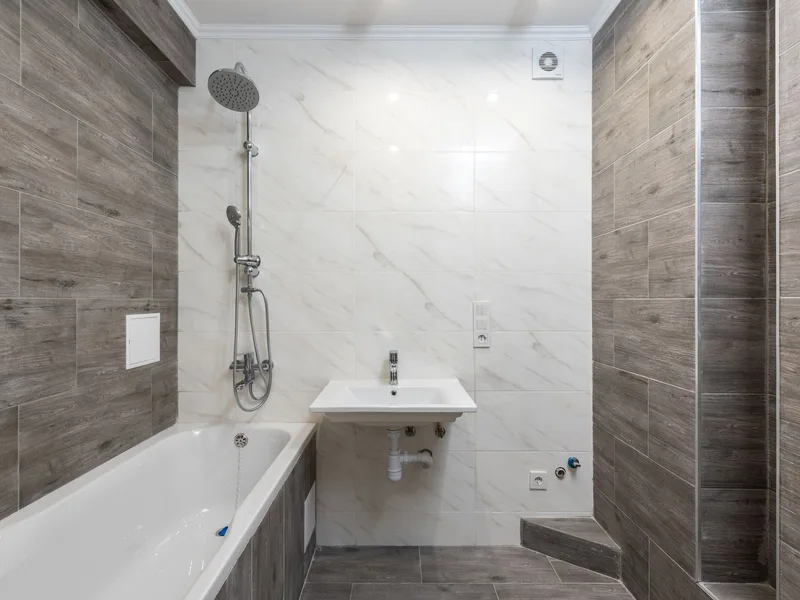
Floor traps
Floor traps here are critical because wadi moisture reaches them quickly and mould grows below tiles. Treating them separately prevents the rapid return of odours from foundation dampness.
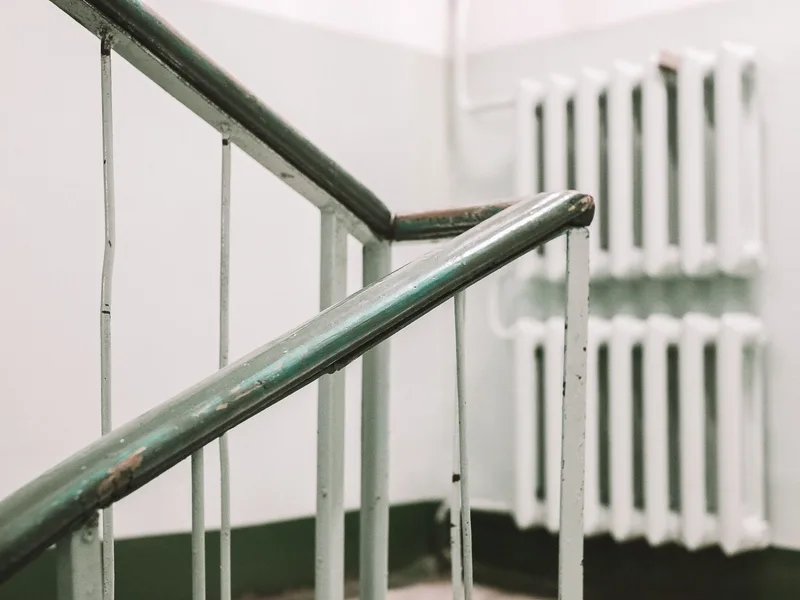
Shared entrances and stairs
Shared entrances and stairs in a villa or apartment building need protection from the dust and soil from nearby excavations, particularly doors and windows opening toward vacant plots that feed the atmospheric load.
How we work
-
1
Walk the space and list the surfaces
We go through the rooms and mark the touch points, the porous surfaces and the finishes, then ask what prompted the call: illness at home, moving into a new place, building work, or a smell that arrived out of nowhere.
-
2
Clean what we are about to treat
We take the film of dust and grease off the surfaces that are in scope, so the product reaches the surface itself. This is preparation for the treatment, not general house cleaning.
-
3
Apply it, and hold the contact time
Hand work on the touch points, a product matched to each surface, and the surface left visibly wet for as long as that material needs before it is dried off. Cold fogging comes last, for what a cloth cannot reach.
-
4
Ventilate and hand back
We open the place up, rinse food preparation surfaces with water, and tell you when each room goes back into use. We give you that timing on the call, because it changes with the product and the space.
What a disinfection visit includes
-

A surface and touch point survey
What gets treated, and with what, settled before anything is opened.
-

Soil off first, then the disinfectant
The greasy film comes off first, then a product that stays wet for the contact time it needs.
-

Floor traps and the air conditioning drain
Floor traps, sink outlets and the drain tray, which is where most smells actually begin.
-
Cold fogging for the space
For upward faces and corners a cloth never reaches, done as the last thing before we leave a room.
-

Ventilation and use instructions
What gets rinsed with water, what is left alone, and when each room goes back into use.
-

A scheduled repeat when it is needed
For shared entrances and places people pass through every day, because a disinfectant leaves nothing behind to stop the next contact.
The character of Wadi Jaleel
New development: ongoing construction and vacant plots between the homes
New development means ongoing building and foundations in ground that was a wadi. This raises dampness and dust continuously. Disinfection here cannot succeed with a single treatment.
Questions about this district
Does the seasonal wadi moisture below our home stop the disinfectant from drying?
Yes, seasonal moisture under the foundations slows evaporation. We focus first on treating the drainage traps and main ventilation openings, then the drier areas. During heavy rain, we often recommend a second treatment for the gaps below tiles, because the dampness below can trap residual odours.
Do gaps under tiles in new Wadi Jaleel homes collect moisture and microbes from the wadi below?
In this district, very much so. New homes may leave gaps around foundations or under floor surfaces. These gaps collect moisture from below ground and harbour microbes. Treating them needs injection work, not surface spraying. It is the difference between disinfection that holds and disinfection that fades.
Does ongoing building work and digging nearby get inside the homes from outside?
Dust and earth from the excavations enter through windows, openings and ventilation. This means the first disinfection needs to be stronger, and you may need more frequent treatment than in established districts. We recommend treating the air conditioning unit and its outlet separately.
Does the air conditioning unit in a new Wadi Jaleel home need special treatment because of the digging nearby?
Air conditioning units collect dust and soil from the outside air, especially around vacant land. Treatment includes cleaning the filters, disinfecting the evaporator and the outlet. Neglecting this means moisture and smells return straight from the unit. In a district with active construction, the unit works harder and loads faster.
How many times should a new home in Wadi Jaleel be disinfected before moving in?
We recommend one thorough disinfection a week before moving in, to allow ventilation and drying time. If building continues around the district, you may need a second treatment a month after occupation. Open land means contaminants keep entering. Unlike stable districts, new development here needs a follow-up.
Does disinfection protect against moisture and smell returning from below ground in the wadi?
Disinfection kills existing microbes and mould, but it does not seal out moisture from below ground. We recommend improving ventilation and sealing if possible. Regular disinfection every six months is essential here more than in drier districts, because the ground below stays damp and the environment keeps refreshing the problem.
How much does disinfection in Wadi Jaleel cost?
It is set after the inspection, because the price follows the type of infestation, the size of the space, how far it has spread and the number of visits it needs. Send a photo and a description on WhatsApp and we will give you an estimate before we reach Wadi Jaleel.
Nearby districts we cover
Other services in Wadi Jaleel
Other services we provide to residents of Wadi Jaleel.
-
 Residential
Cockroach control
-
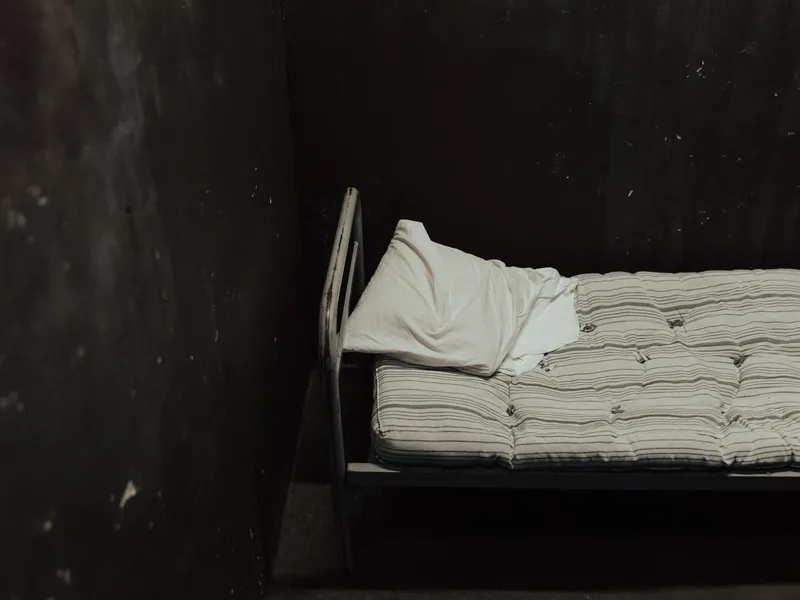 Residential
Bed bug control
-
 Residential
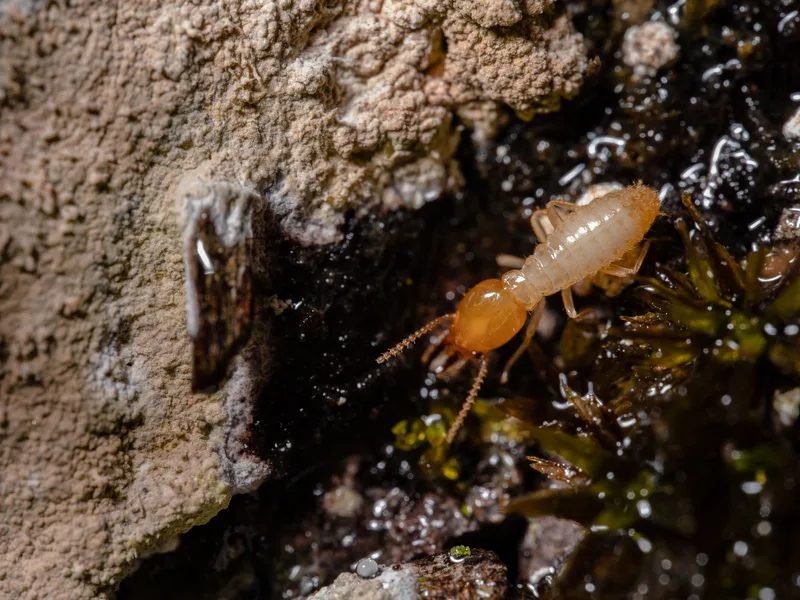
Termite control
-
 Residential
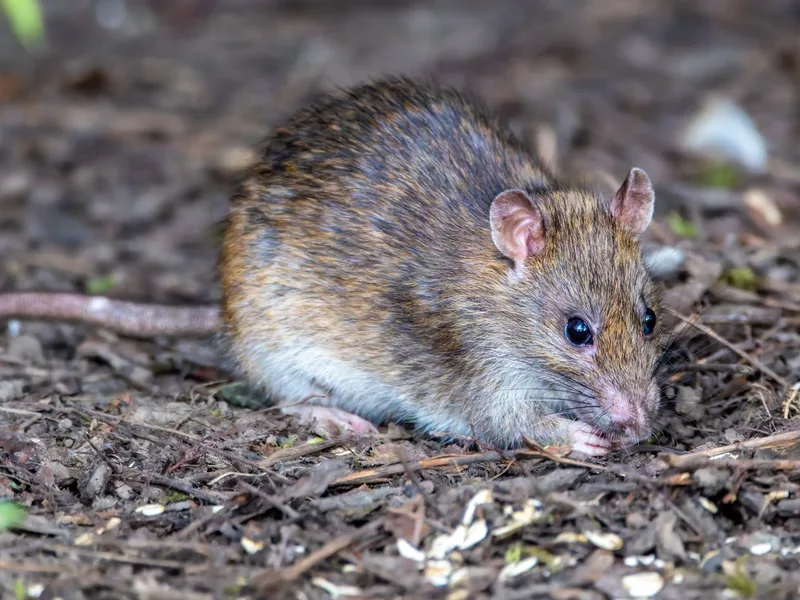
Rodents and mice
Need disinfection in Wadi Jaleel? Tell us what you saw and we will tell you what it needs
We reach Wadi Jaleel at a time we agree, and you get the full cost before we start.