
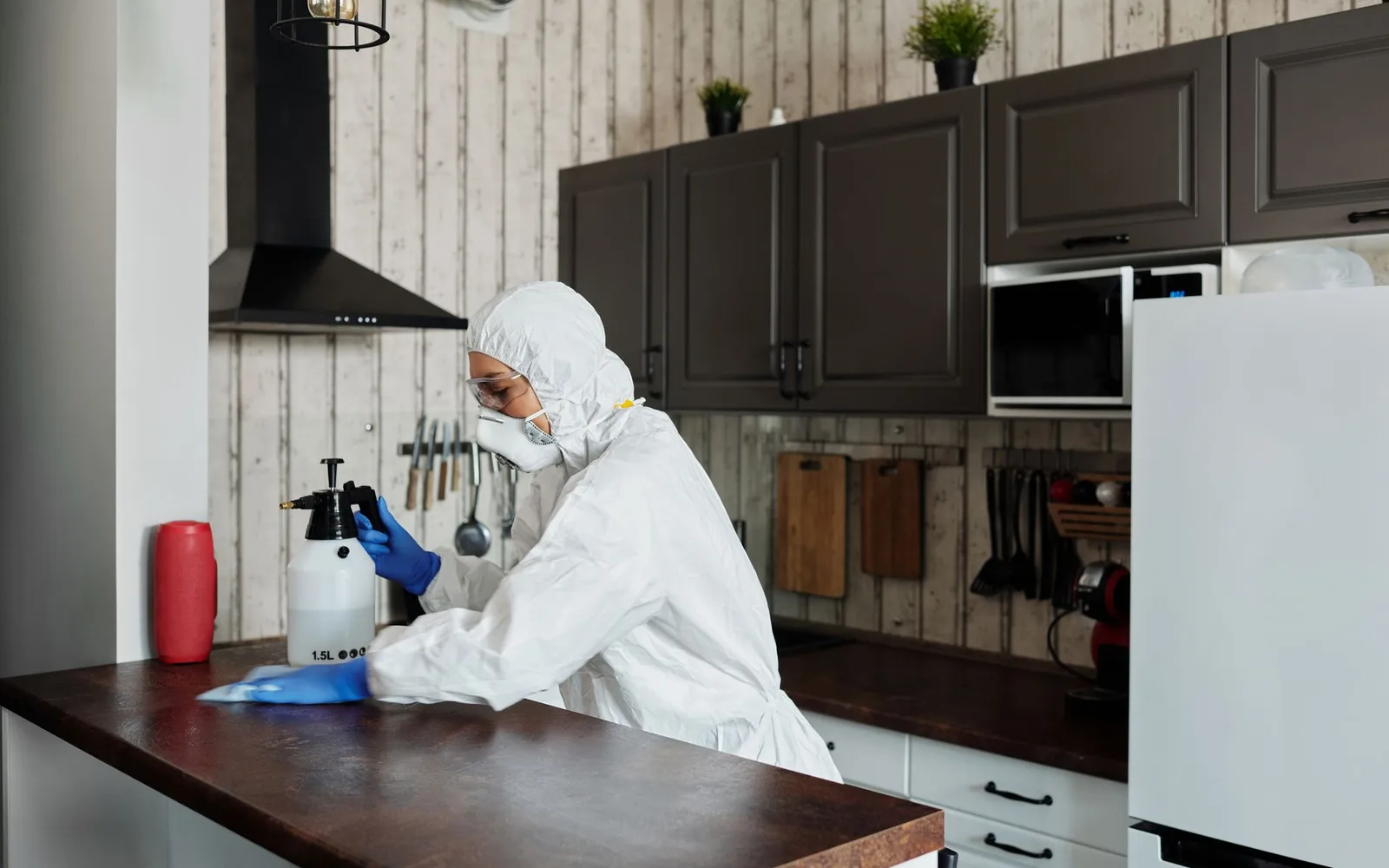
Disinfection in Taybah Jeddah
Taybah is a newly established northern district near Wadi Obhur where villas and subdivisions are still under construction. Nearness to the sea keeps humidity high all year, and vacant plots and open excavations shelter rodents and reptiles. Disinfection here focuses on treating humidity and mould that grows rapidly in the warm damp coastal climate, not just bacteria and viruses.
-
Targeted, not broadcast
Product goes into cracks and runways, never sprayed across open surfaces.
-
Told before we start
What we will use, where it goes, and what to cover or move before we arrive.
-
A follow-up visit
We return after the first treatment, because what survives it does not show on the day.
-
Homes and businesses
Apartments and villas, and kitchens and stores that need a record of each visit.
Why they keep coming back in Taybah
Sea humidity stays high all year even at some distance from the shore, mould grows fast on external and internal walls and foundations, and new buildings may already have moisture from the construction process itself. The method is set out in full on the full Disinfection page.
Sea humidity and continuous mould growth
Proximity to Wadi Obhur and the sea keeps humidity high even in districts slightly inland from the shore. Damp air penetrates new buildings, and mould grows on external walls, internal surfaces and foundations. New buildings have fresh paint which damp air penetrates easily. Disinfection must treat existing mould and prevent it regrowing quickly in the humid climate.
Ongoing construction with dust and humidity together
Villas and apartments under construction and open excavations raise dust and humidity at the same time. Dust enters new buildings while damp air leaves every surface wet. This combination means the disinfectant may not dry quickly. Good ventilation and focused drying after treatment are essential.
Building problems and damp foundations
New buildings on flat ground near the wadi may have damp foundations from poor drainage design or designs that do not account for humidity properly. Rising damp weakens the internal surface and causes paint to flake. Disinfection treats the mould but the engineering problem needs building repairs to solve.
The character of Taybah
New development: ongoing construction and vacant plots between the homes
A newly developing district near Wadi Obhur and the sea means permanent humidity and recurring mould, not just dust and dirt. New buildings have moisture problems from construction itself plus external humidity.
What we look at before the product is chosen
A newly established northern district on Asfan Road near Wadi Obhur, with villas and apartments still under construction. The ground is close to the sea and surrounded by vacant plots, open excavations and partly built subdivisions.
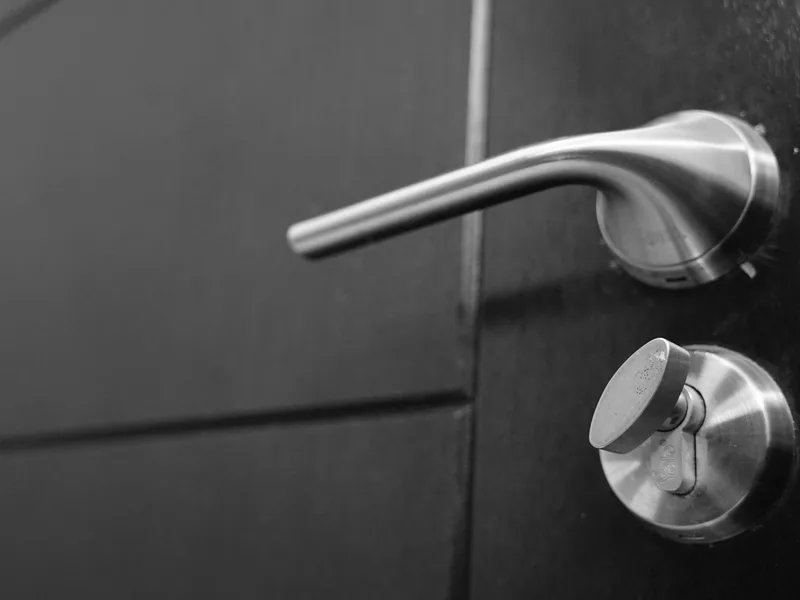
The touch points
Touch points in a new villa: doors, handles, windows and temporary furniture. All are touched daily and humidity keeps them damp and warm, the ideal conditions for microbes to grow quickly.
Porous surfaces
Porous surfaces in new construction: fresh plaster, new mortar and new paint. These surfaces absorb disinfectant and moisture very quickly but dry slowly because surrounding air is damp.
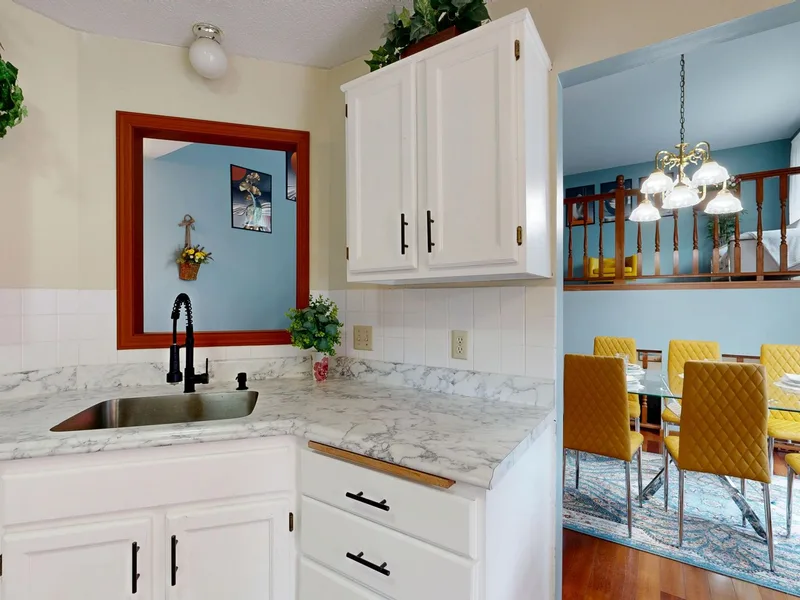
The finish itself
The finish in Taybah is new: fresh paint, virgin plaster and newly laid flooring. Disinfectant adheres well but drying may take longer than in dry districts.
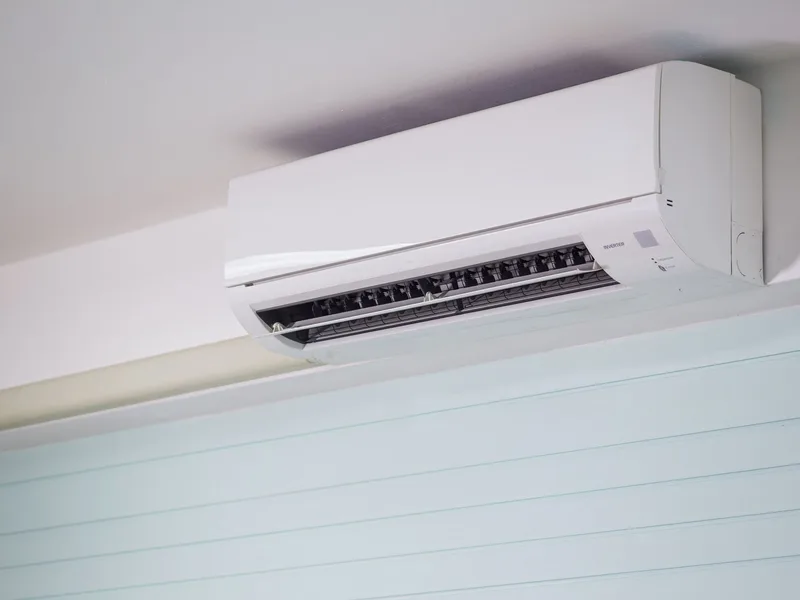
The air conditioning unit
Air conditioning units in new villas are modern but filters may contain construction dust. We clean filters and wait before disinfecting because damp air reduces the unit's effectiveness.
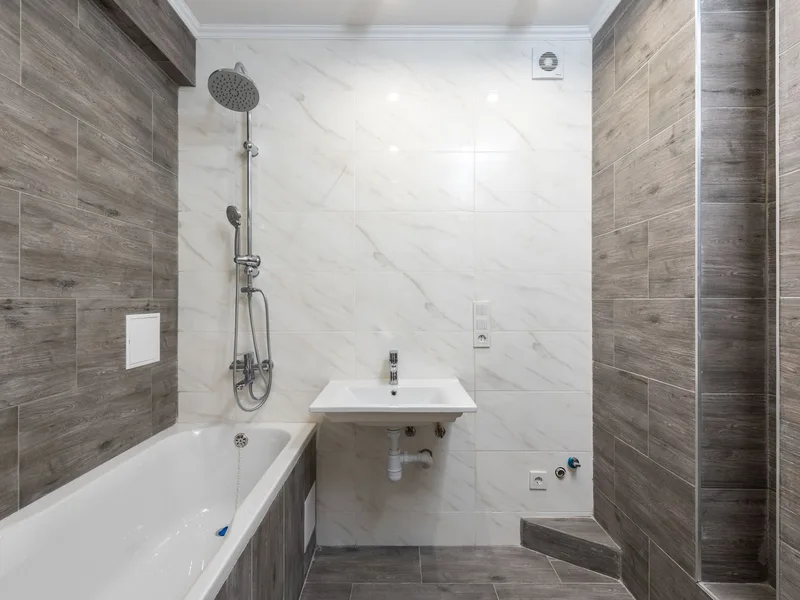
Floor traps
Floor traps in new building are clean but may contain construction sediment. We clean them thoroughly and treat with a disinfectant that stays in the water seal and does not evaporate quickly in heat.
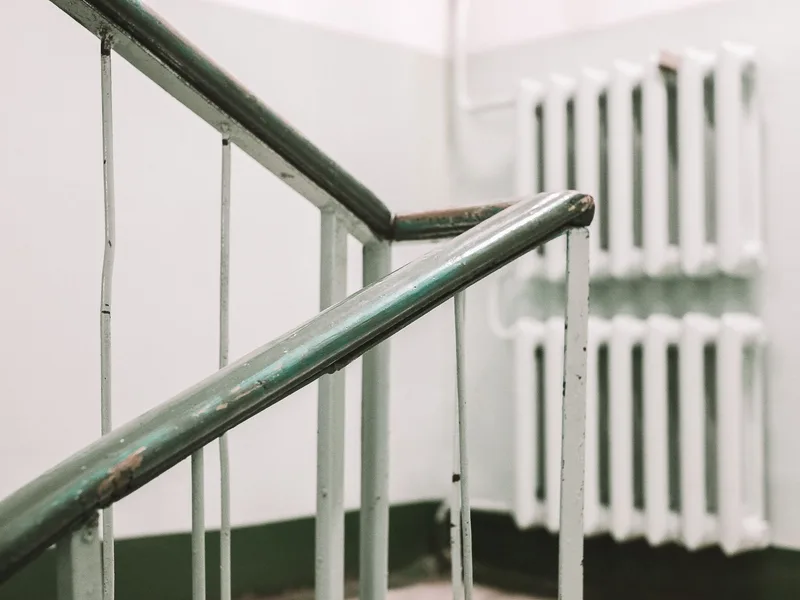
Shared entrances and stairs
Entrances, balconies and external surfaces: these areas are exposed to wind and constant sea humidity. We focus on foundations and edges where mould accumulates fastest in damp climates.
How we work
-
1
Walk the space and list the surfaces
We go through the rooms and mark the touch points, the porous surfaces and the finishes, then ask what prompted the call: illness at home, moving into a new place, building work, or a smell that arrived out of nowhere.
-
2
Clean what we are about to treat
We take the film of dust and grease off the surfaces that are in scope, so the product reaches the surface itself. This is preparation for the treatment, not general house cleaning.
-
3
Apply it, and hold the contact time
Hand work on the touch points, a product matched to each surface, and the surface left visibly wet for as long as that material needs before it is dried off. Cold fogging comes last, for what a cloth cannot reach.
-
4
Ventilate and hand back
We open the place up, rinse food preparation surfaces with water, and tell you when each room goes back into use. We give you that timing on the call, because it changes with the product and the space.
What a disinfection visit includes
-

A surface and touch point survey
What gets treated, and with what, settled before anything is opened.
-

Soil off first, then the disinfectant
The greasy film comes off first, then a product that stays wet for the contact time it needs.
-

Floor traps and the air conditioning drain
Floor traps, sink outlets and the drain tray, which is where most smells actually begin.
-
Cold fogging for the space
For upward faces and corners a cloth never reaches, done as the last thing before we leave a room.
-

Ventilation and use instructions
What gets rinsed with water, what is left alone, and when each room goes back into use.
-

A scheduled repeat when it is needed
For shared entrances and places people pass through every day, because a disinfectant leaves nothing behind to stop the next contact.
What is different about Dhahban Sub-Municipality
Dhahban sub municipality is the northern coastal strip of Jeddah, running from the north bank of Sharm Obhur up to the old village of Dhahban and Salman Bay. Its districts are recently built, with owner occupied villas and apartments, beach resorts and chalets on the shore, and land subdivisions still being developed. Nearness to the sea keeps humidity high all year, irrigated lawns in villas, resorts and district parks hold water, Wadi Obhur and the vacant plots between buildings give rodents and reptiles shelter, and the old fishing village of Dhahban gives the far north a rural edge.
Questions about this district
In a district near the sea and wadi, is disinfection enough or do we need extra moisture treatment?
Disinfection kills existing mould and stops it growing briefly. But humidity will return with the damp sea air. Our advice: proper ventilation, daily drying, dehumidifiers in closed rooms, and regular disinfection every three months or so to keep ahead of the cycle.
In new buildings, does the moisture come from the construction itself or from outside humid air?
Both at once. Fresh building leaves moisture in plaster, mortar and wet paint. After completion, outside damp air enters the interior spaces. A new house may need a month or more to dry completely from construction moisture before the sea humidity becomes the main problem.
How do we reduce humidity before disinfection? Should we open windows or keep them closed?
Continuous ventilation during dry weather is best. Open windows in early morning and evening when humidity is lower. Close during midday when humidity peaks. A dehumidifier may help in sealed rooms to get moisture down before treatment.
Is black mould on the foundation a health hazard or just an unsightly appearance?
Black mould can cause breathing problems in some people, especially children, elderly people and those with sensitivity. It is not just cosmetic but a health threat. Disinfection must address it quickly, and drying the foundations is necessary.
After disinfection, does mould return quickly in a humid district like Taybah?
Mould may return within weeks if you do not address the humidity. Disinfection gives you a clean period of a month or two, then you need new treatment or mould returns. Regular disinfection is necessary in damp districts as maintenance.
Does disinfection replace pest control for insects and rodents from the wadi and vacant plots?
No, they are completely different services. Disinfection kills germs. Pest control targets animals. Vacant plots around Taybah shelter rodents and reptiles, and you may need separate pest control services in addition.
How much does disinfection in Taybah cost?
It is set after the inspection, because the price follows the type of infestation, the size of the space, how far it has spread and the number of visits it needs. Send a photo and a description on WhatsApp and we will give you an estimate before we reach Taybah.
Nearby districts we cover
Other services in Taybah
Other services we provide to residents of Taybah.
-
 Residential
Cockroach control
Residential
Cockroach control
-
 Residential
Bed bug control
Residential
Bed bug control
-
 Residential
Termite control
Residential
Termite control
-
 Residential
Rodents and mice
Residential
Rodents and mice
-
 Residential
Mosquito control
Residential
Mosquito control
-
 Residential
Fly control
Residential
Fly control
-
 Residential
Ant control
Residential
Ant control
-
 Residential
Gecko control
Residential
Gecko control
-
 Residential
Scorpion control
Residential
Scorpion control
-
 Residential
Snake control
Residential
Snake control
-
 Residential
Flea control
Residential
Flea control
-
 Residential
Bird and pigeon control
Residential
Bird and pigeon control
-
 Residential
Preventive treatment
Residential
Preventive treatment
-
 Commercial
Annual contracts
Commercial
Annual contracts
-
 Commercial
Restaurants and cafes
Commercial
Restaurants and cafes
-
 Commercial
Hotels and apartments
Commercial
Hotels and apartments
-
 Commercial
Warehouses and factories
Commercial
Warehouses and factories
-
 Commercial
Schools and nurseries
Commercial
Schools and nurseries
-
 Commercial
Retail and malls
Commercial
Retail and malls
-
 Commercial
Rest houses and farms
Commercial
Rest houses and farms
-
 Commercial
Fumigation
Commercial
Fumigation
-
 Water tanks
Water tank cleaning
Water tanks
Water tank cleaning
-
 Water tanks
Water tank sterilization
Water tanks
Water tank sterilization
-
 Water tanks
Water tank sealing
Water tanks
Water tank sealing
-
 Water tanks
Tank leak repair
Water tanks
Tank leak repair
Need disinfection in Taybah? Tell us what you saw and we will tell you what it needs
We reach Taybah at a time we agree, and you get the full cost before we start.