
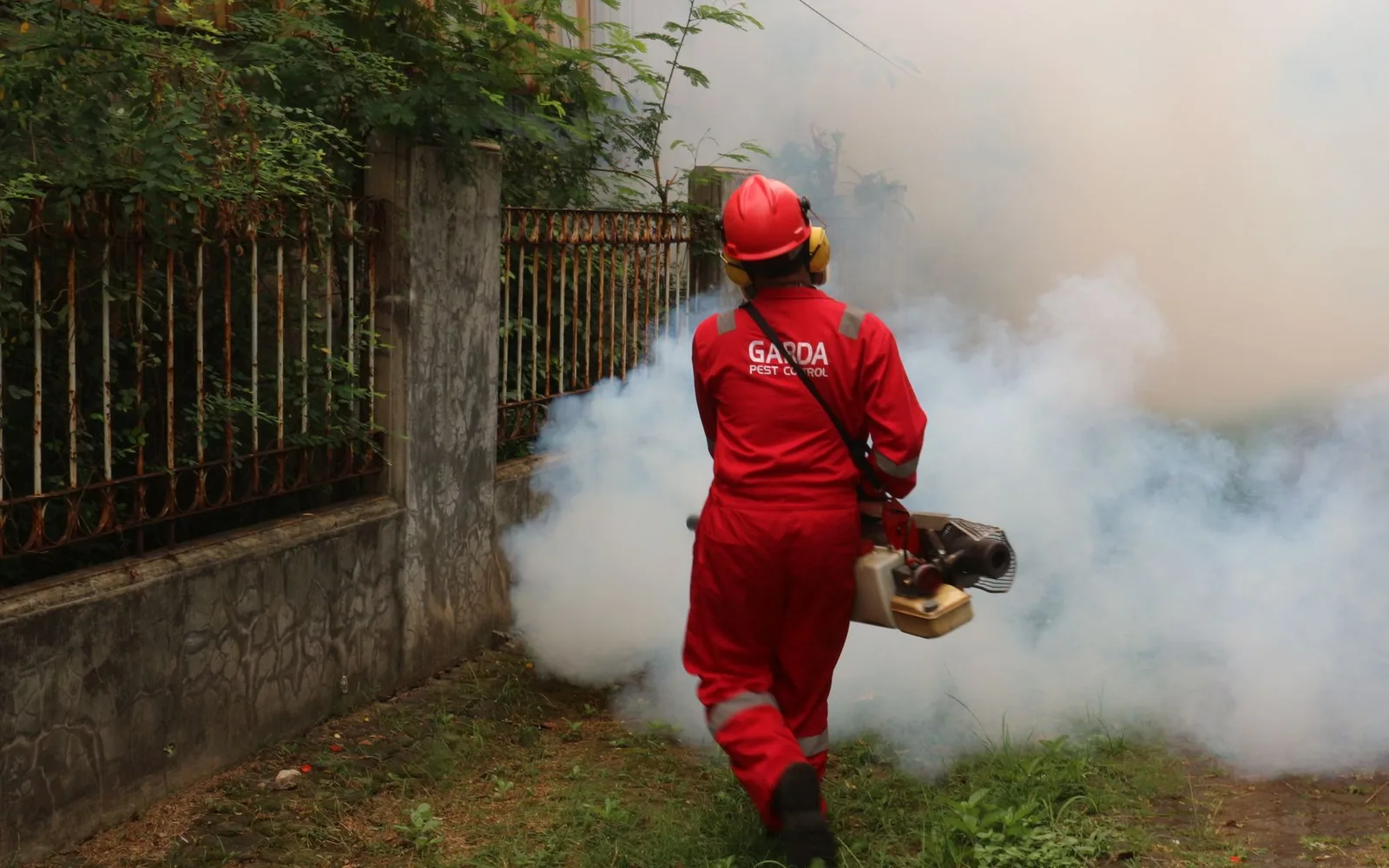
Rest houses and farms in Al Hajlah Makkah
Al Hajlah is a narrow quarter squeezed between two hills south west of the Grand Mosque along Ibrahim Al Khalil Street, packed with pilgrim hotels and rented apartment blocks stacked vertically. The pest pressure here is not open ground but extreme density and vertical repetition: identical floors and shared pipes that carry pests up and down continuously.
-
Targeted, not broadcast
Product goes into cracks and runways, never sprayed across open surfaces.
-
Told before we start
What we will use, where it goes, and what to cover or move before we arrive.
-
A follow-up visit
We return after the first treatment, because what survives it does not show on the day.
-
Homes and businesses
Apartments and villas, and kitchens and stores that need a record of each visit.
Why they keep coming back in Al Hajlah
Hotels and rented blocks here receive new pilgrims in successive waves, and units rarely stay empty long. Insects already present transfer quickly between rooms and floors as new guests arrive with goods and luggage. The method is set out in full on the full Rest houses and farms page.
Vertical repetition and shared pipes between storeys
The rented apartment blocks for pilgrims have identical floors, shared lobbies and pipes running through each level. Rats and cockroaches use these pipes as fast vertical highways. Treating the ground floor alone leaves the pests in the floors above. The programme focuses on pipes and vertical exits, not treating each flat as isolated. The upward route is the real problem.
Crowding and constant turnover of pilgrim guests
Hotels here receive new guests every few days, and fresh goods and luggage may carry insects with them. Units do not stay vacant long enough to disrupt the pest cycle. The visit schedule must work around guest turnover and new furniture arriving at the hotel. Treating around occupied units requires coordination.
Mountain setting between hills traps moisture around foundations
The street is hemmed between the Hajlah hills and water collects in low openings of the buildings. Trapped moisture and ancient drains create ideal conditions for cockroaches and mosquitoes. Treatment focuses on the low openings and the side paths that water takes around the walls.
Al Hajlah on the map
Al Hajlah sits about 0.5 km from Ajyad and about 1.5 km from Al Mansour.
Open in Google MapsThe site decides the shape of the programme
The narrow street climbing towards the mosque courtyards is hemmed in tight, buildings touch back to back with no gaps, and the hillsides are surrounded completely by construction, trapping moisture and creating channels for pests.
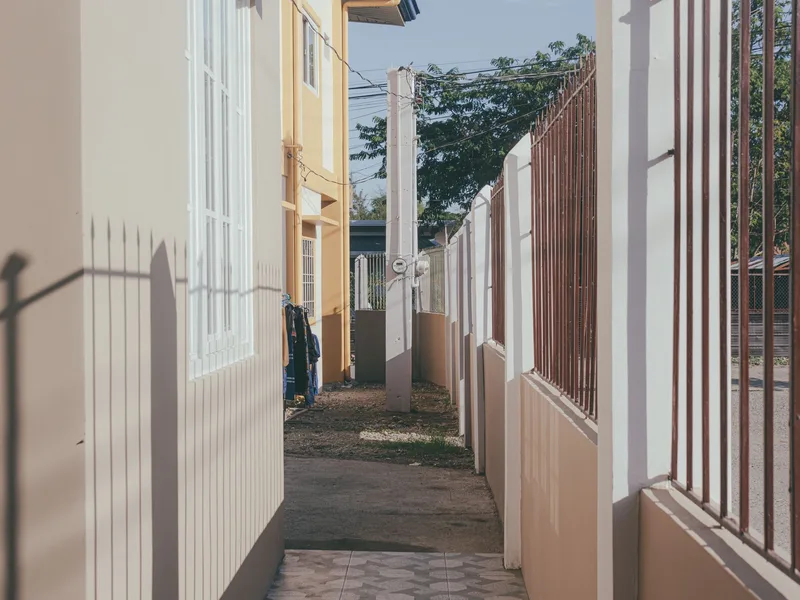
The foot of the wall
The foundation and low openings of the hotel are surrounded by moisture from the narrow street and water pooling between the hills. Treatment focuses on sealing these entry points.
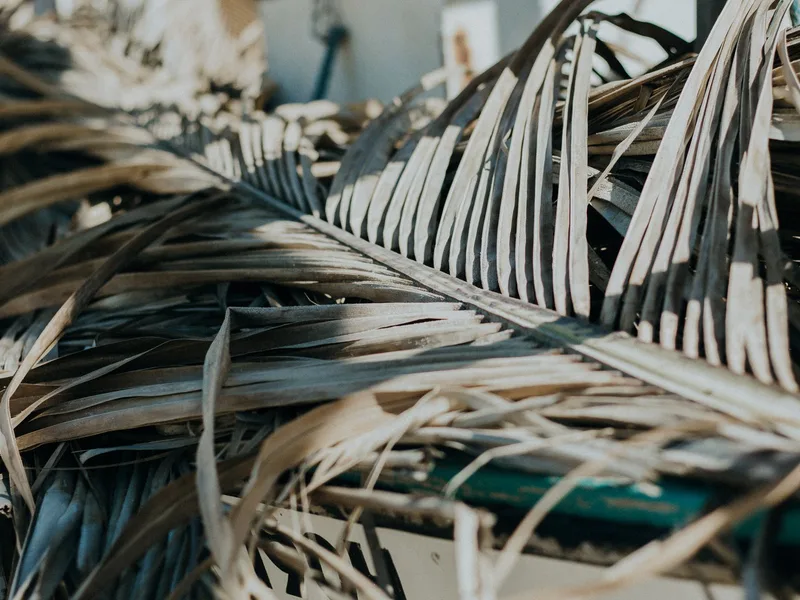
Frond and block piles
Shipments of imported bedding, blankets and soft furnishings arrive regularly at the hotel, and insects may hide inside before the items reach guest rooms.
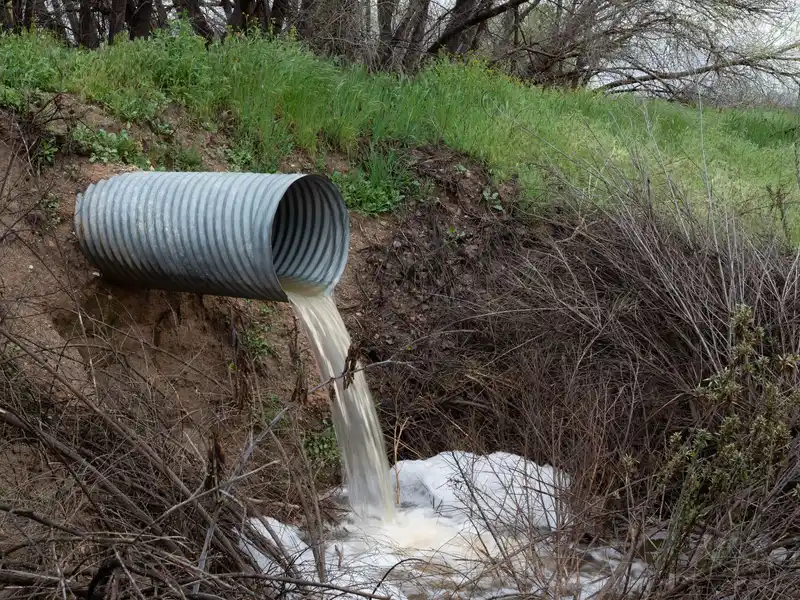
Standing water
Standing water collects around foundations from leaking old pipes and drains, and heavy mosquito breeding follows in warm months.
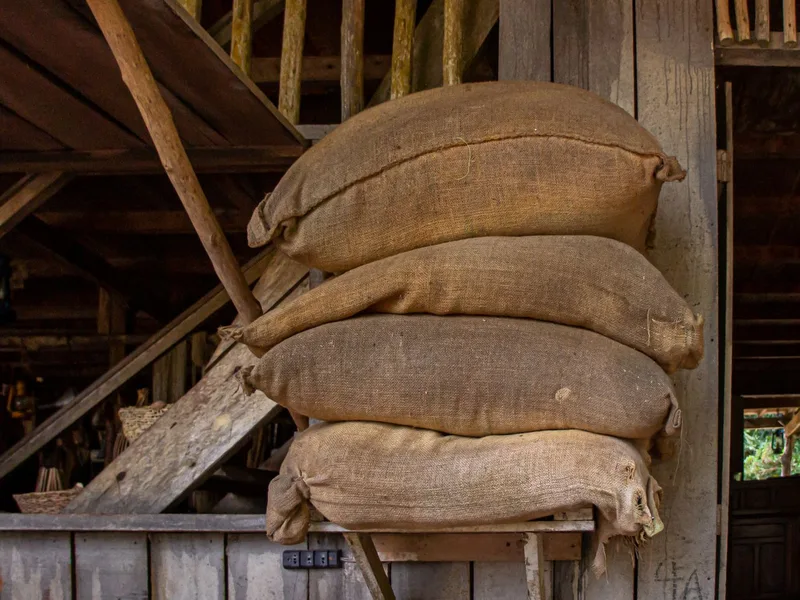
The feed store
The hotel linen store, blanket room and furnishing storage need careful treatment because insects hide there and spread through daily use.
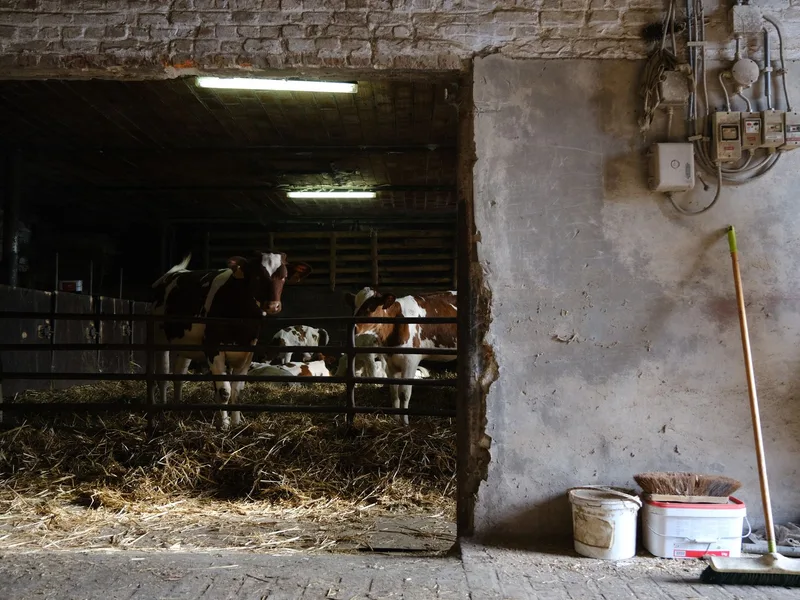
Pens and bedding
Shared passages and stairwells between floors are main pest highways, and regular treatment there matters more than in individual units.
The building that stays shut
The sealed store or basement beneath the hotel attracts rats and cockroaches. Treatment there may show no immediate result but is essential for source control.
How we work
-
1
Walk the site and number the points
We walk the boundary, the feed store, the pens, the water sources and the buildings, record the species present, the burrows, the entry points and every standing water source, and number the monitoring positions on a plan.
-
2
Lift what things hide under
The piles, the rubble, the fallen dates, the feed sacks pushed up against the wall. On any large plot these gather simply because there is room for them, and clearing them brings the numbers down before a single product is used.
-
3
The perimeter band and targeted treatment
A band at the foot of the wall and the buildings, treatment into the burrows and cracks, locked rodent stations fixed along the route, and mosquito breeding sites treated in the water itself.
-
4
Scheduled visits and a sheet each time
We come back on an agreed schedule, read the same points, renew the band the sun and the irrigation have used up, and write down what was found, what was applied and where, and what the site needs closed.
What the rest house and farm programme includes
-

A site walk and a map of the points
The boundary, the buildings, the pens and the water sources, and a plan with the monitoring positions numbered before anything is installed.
-

Water sources treated at the source
Drinking troughs, drip lines, tank outlets and anything that stands for days, because mosquitoes come out of water and not out of the air.
-

A treated band at the perimeter
The foot of the wall, the building bases and the path edges, which is the line anything coming off the open ground has to cross.
-

Locked rodent stations
Fixed and numbered along one route, and closed so that neither a child's hand nor an animal on the site can get into them.
-

What the site does afterwards
What to cover, where to move animal water bowls, when irrigation can start again without washing the band off, and the ventilation time, which we give you on the call because it changes with the product and the space.
-

Scheduled visits and a record
A schedule agreed ahead of the seasons, the same points read every time, and a record of what was found, what was treated and what is still open.
Landmarks of Al Hajlah
Work in Al Hajlah is organised by the hotel's location on Ibrahim Al Khalil Street and its distance from the Grand Mosque and Jabal Omar towers. Visits begin at the hotel's main entry on the street and move upward through floors and shared passages towards the mosque courtyards.
- Ibrahim Al Khalil Street
- The Grand Mosque
- Jabal Omar
- Al Shubaikah Cemetery
- Al Hijrah Street
Questions about this district
The hotel changes guests every week. Do insects travel in new furniture and belongings?
Yes, fresh goods, furniture and luggage may carry insects. Hotels receiving pilgrims in quick succession need inspection when new furniture shipments arrive. We focus on openings around furniture and hidden corners where insects hide inside packing.
Our flat is directly above another, and pests climb from the floor below?
Pipes and vertical openings in repeated apartment buildings create direct highways for pests from floor to floor. Cockroaches and rats move up through these channels fast. Treating one flat alone is not enough; the programme focuses on shared pipes and openings between floors.
Are pests higher on lower floors or do they spread evenly throughout the building?
Ground and lower floors are damper and insects concentrate there initially, but rats and cockroaches climb to upper floors through pipes and ducts. We inspect all floors equally, but focus treatment on low openings and main pipe junctions.
Our hotel stands next to another hotel. Do pests cross the shared walls between them?
Adjoining hotels share old walls with openings and cracks. Pests cross these gaps easily. Treatment of your hotel provides local defence, but cooperation with neighbouring hotels improves results significantly.
The building stands very close to the narrow mosque courtyards. Is pest pressure higher here?
Yes, close proximity to the mosque and narrow courtyards means dense human traffic and multiple goods entering and leaving constantly. Pest pressure on the hotel is higher, and insects benefit from the crowding and constant movement. The programme requires closer visit intervals.
How often must we schedule visits if the hotel has guests arriving continuously?
Hotels receiving pilgrims continuously need weekly visits at minimum. The initial programme runs weekly for one month, then the interval may decrease if the situation stabilises. Schedules reset each Hajj season because pressure rises sharply during pilgrimage months.
How much does rest houses and farms in Al Hajlah cost?
It is set after the inspection, because the price follows the type of infestation, the size of the space, how far it has spread and the number of visits it needs. Send a photo and a description on WhatsApp and we will give you an estimate before we reach Al Hajlah.
Nearby districts we cover
Other services in Al Hajlah
Other services we provide to residents of Al Hajlah.
-
 Commercial
Annual contracts
-
 Commercial
Restaurants and cafes
-
 Commercial
Hotels and apartments
-
 Commercial
Warehouses and factories
Need rest houses and farms in Al Hajlah? Tell us what you saw and we will tell you what it needs
We reach Al Hajlah at a time we agree, and you get the full cost before we start.