
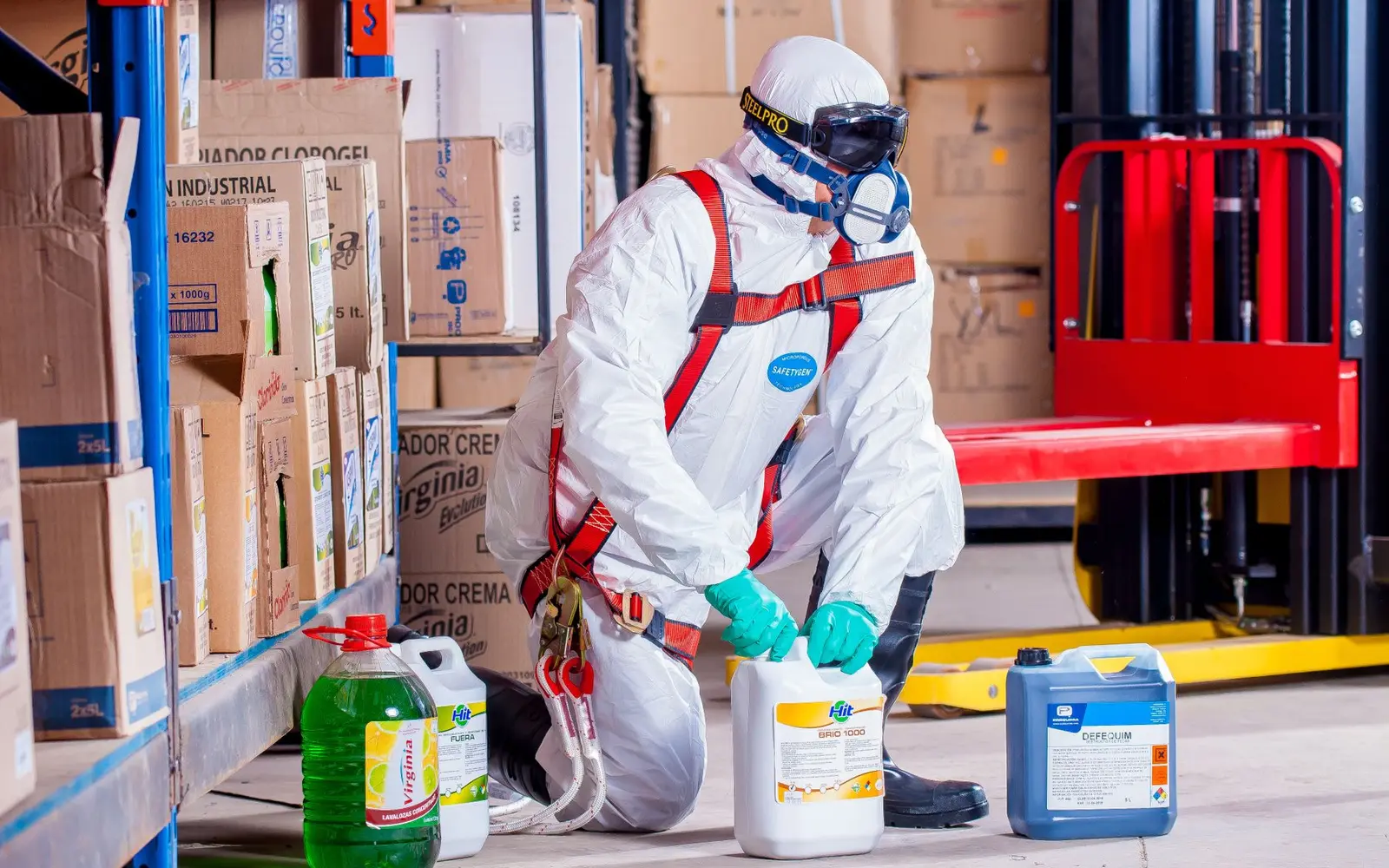
Warehouses and factories in Al Hajlah Makkah
Al Hajlah is a narrow quarter on Ibrahim Al Khalil Street directly south of the Grand Mosque, squeezed between two hills and filled with dense pilgrim hotels and small storerooms for bedding and clothing. Congestion, sea humidity and textile storage mean continuous pest pressure that demands daily monitoring.
-
Targeted, not broadcast
Product goes into cracks and runways, never sprayed across open surfaces.
-
Told before we start
What we will use, where it goes, and what to cover or move before we arrive.
-
A follow-up visit
We return after the first treatment, because what survives it does not show on the day.
-
Homes and businesses
Apartments and villas, and kitchens and stores that need a record of each visit.
Why they keep coming back in Al Hajlah
Hotels hold pilgrim bedding, clothing and baggage for an entire season, and the small storerooms lack good ventilation whilst humidity stays extremely high year round. The method is set out in full on our Warehouses and factories service.
Hotels and storerooms wedged together in an airless space
Al Hajlah is a hemmed quarter between two hills with one street. Hotels and storerooms press directly against each other with no separation or gaps between them. Pests migrate easily from storeroom to hotel and between hotels through shared pipes and cable runs.
Textiles and bedding attract pests to breed rapidly
Small storerooms hold pilgrim bedding, clothing and cases for entire long seasons. Textiles absorb moisture and mites and larvae thrive in the damp. Monitoring and inspection must be continuous to stop breeding before stock is distributed to hotels.
Sea humidity, airless space and still air accelerate breeding
Al Hajlah sits very close to the coast and sea humidity penetrates every room. The quarter is extremely narrow and air does not circulate freely. High humidity combined with poor ventilation means pests breed faster than in drier, open districts.
Al Hajlah on the map
Al Hajlah sits about 0.5 km from Ajyad and about 1.5 km from Al Mansour.
Open in Google MapsWhat the first walk through the building reads
A very narrow quarter on Ibrahim Al Khalil Street directly south of the Grand Mosque, hemmed between two hillsides, with tall apartment buildings, budget pilgrim hotels and rented flats packed tightly together, where the old firewood market became small utility storage rooms.

The shutter line
The storeroom doors on Ibrahim Al Khalil Street are extremely narrow, and pheromone traps at both doors must intercept insects entering from the congested street packed with pilgrim foot traffic.

What comes in on the pallet
Bedding and clothing arrive bundled and may contain dormant pests. Our first reading inspects each bundle before storage and determines the infestation source before goods are shelved.
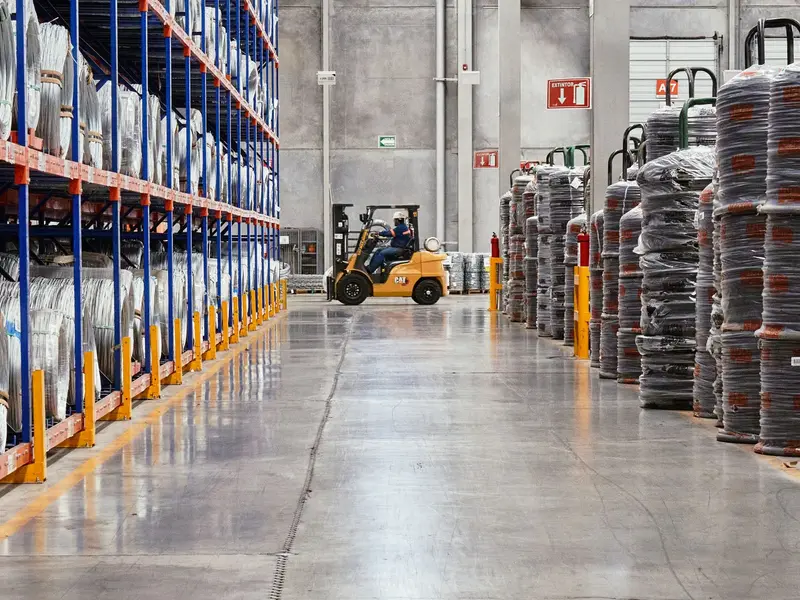
The strip along the wall
Walls between storerooms and hotels are old and pressed directly together, with wide gaps around pipes and cables. We focus on sealing every penetration point completely.
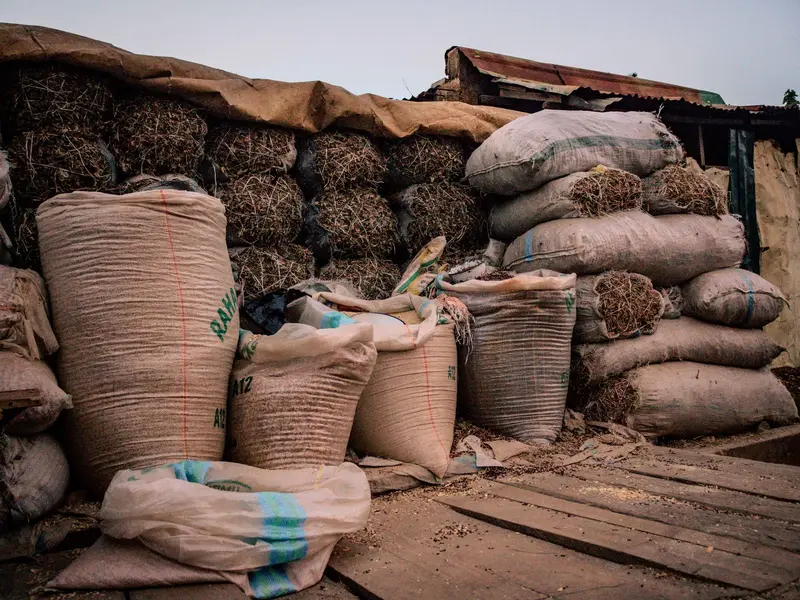
Spillage under the racking
Spillage under racking comes from soiled bedding and damp clothing, and the floor stays very wet so we focus on regular drying and cleaning cycles to remove organic matter.
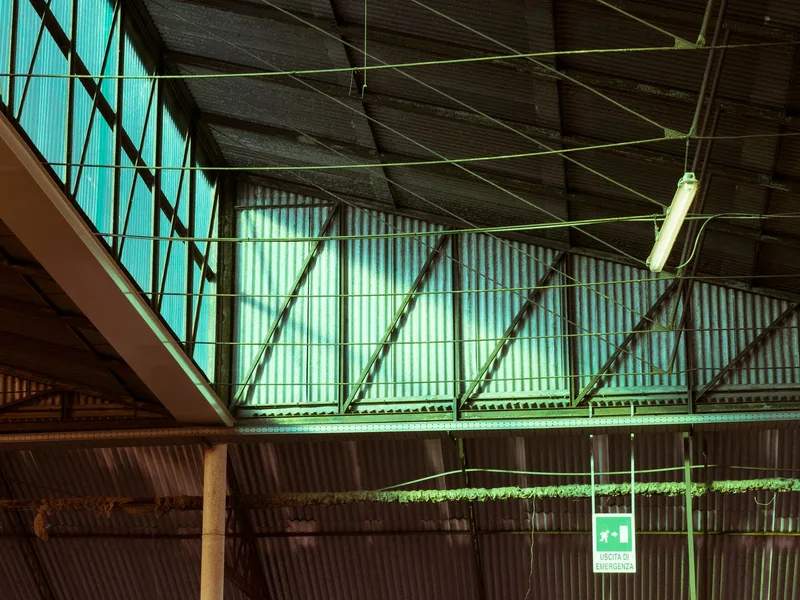
The roof and the openings above
The ceiling and gaps between upper floors are very close together, and insects climb and descend easily. We focus on upper openings and the narrow passages between storage areas and hotels.
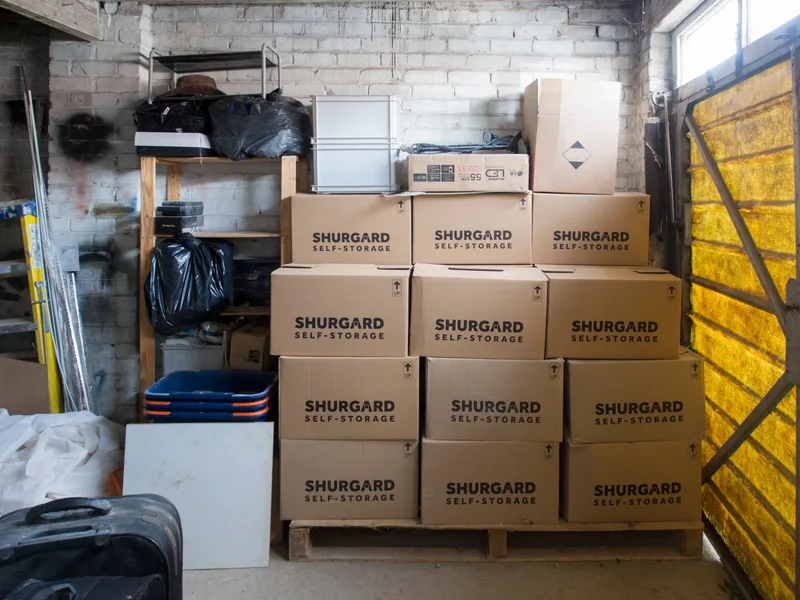
Stock that does not move
Clothing stored for months may have pest populations breeding inside from the start due to lack of inspection. We focus on the deepest bundles and oldest stock piles where pests multiply unseen.
How we work
-
1
Survey the building and locate the source
We walk from the goods-in door through the racking, the production areas and the outside wall line, and establish whether the pressure is stored product pests inside the goods, rodents from the perimeter or flying insects from waste and doorways, because each of those is a different programme.
-
2
Pheromone traps and numbered points
Species-specific pheromone traps through the storage areas, and monitoring points on the external ring and along the internal walls, numbered on the racking plan. A trap treats nothing, it tells us which aisle the numbers are climbing in.
-
3
Targeted treatment and isolating the consignment
Spillage is lifted first, then empty racking, wall and floor junctions and voids are treated, and nothing is placed over open stock or a running line. A consignment showing activity is isolated where it stands rather than carried through the building.
-
4
Sealing, then the scheduled visits
We close door gaps, openings and pipe entries, then come back on an agreed schedule: the same traps and points are read each time, and a report goes over what was found, what was treated and what the building still needs closed.
What warehouse pest control includes
-

Site survey and racking plan
A walk from the goods-in door to the last aisle, and a plan with every monitoring position numbered before anything is installed.
-

Pheromone traps and numbered points
Species-specific traps through the storage areas and points along the perimeter line, read and logged on every visit.
-

Targeted treatment of racking and junctions
On empty racking, wall and floor junctions and voids, never over open stock or a running line.
-

Drains, waste and the perimeter
Floor gullies, the container area and the outside wall line, because that is the source which renews itself.
-

Proofing and building findings
Shutter gaps, brush seals and mesh over openings, with a list of what the site needs to repair.
-

Scheduled visits and a report each time
Agreed dates set by the pressure on the site, the same traps read again, and a report that records every visit.
Landmarks of Al Hajlah
The quarter is confined to Ibrahim Al Khalil Street and the narrow zone between Jabal Omar towers to the west and Al Misfalah below to the south, and we coordinate visits to reach every tight storeroom and monitor the immediate surroundings.
- Ibrahim Al Khalil Street
- The Grand Mosque
- Jabal Omar
- Al Shubaikah Cemetery
- Al Hijrah Street
Questions about this district
The storeroom is packed with bedding and clothing. Are pests common?
Yes, extensively. Textiles and bedding are ideal for mites, moths and various insects. We inspect bedding when stored and when removed. We use specialised traps for mites and rodents between racking layers.
A hotel receives pilgrims every day. How do we stop pests entering?
Pilgrims may carry insects in luggage and cases. We inspect each room before guests arrive. We focus on furniture, beds and dark corners where insects hide and may be brought in unknowingly.
Some hotels are very old with old piping. What can be done?
Old pipes have cracks and gaps allowing pests and rodents to pass through. We focus on sealing gaps and fitting barriers. We remove debris and blockages from inside pipe runs where rodents nest.
This quarter is very cramped. Do pests spread between hotels easily?
Yes, very easily. Touching walls and shared pipes allow rapid spread. We focus on gaps between buildings and around cable and pipe runs, which are the main crossing routes.
When we open stored bedding, do we inspect it first?
Yes, every bundle of bedding is inspected before opening. If we find any signs we isolate it immediately. Only clean bedding enters the hotel for guest use.
Is the high humidity here mean more pests than in other areas?
Yes, greatly. The sea humidity and the cramped airless quarter create ideal breeding conditions. Pests multiply much faster here than in dry, open districts away from the coast.
How much does warehouses and factories in Al Hajlah cost?
It is set after the inspection, because the price follows the type of infestation, the size of the space, how far it has spread and the number of visits it needs. Send a photo and a description on WhatsApp and we will give you an estimate before we reach Al Hajlah.
Nearby districts we cover
Other services in Al Hajlah
Other services we provide to residents of Al Hajlah.
-
 Residential
Cockroach control
Residential
Cockroach control
-
 Residential
Bed bug control
Residential
Bed bug control
-
 Residential
Termite control
Residential
Termite control
-
 Residential
Rodents and mice
Residential
Rodents and mice
-
 Residential
Mosquito control
Residential
Mosquito control
-
 Residential
Fly control
Residential
Fly control
-
 Residential
Ant control
Residential
Ant control
-
 Residential
Gecko control
Residential
Gecko control
-
 Residential
Scorpion control
Residential
Scorpion control
-
 Residential
Snake control
Residential
Snake control
-
 Residential
Flea control
Residential
Flea control
-
 Residential
Bird and pigeon control
Residential
Bird and pigeon control
-
 Residential
Preventive treatment
Residential
Preventive treatment
-
 Residential
Disinfection
Residential
Disinfection
-
 Commercial
Annual contracts
Commercial
Annual contracts
-
 Commercial
Restaurants and cafes
Commercial
Restaurants and cafes
-
 Commercial
Hotels and apartments
Commercial
Hotels and apartments
-
 Commercial
Schools and nurseries
Commercial
Schools and nurseries
-
 Commercial
Retail and malls
Commercial
Retail and malls
-
 Commercial
Rest houses and farms
Commercial
Rest houses and farms
-
 Commercial
Fumigation
Commercial
Fumigation
-
 Water tanks
Water tank cleaning
Water tanks
Water tank cleaning
-
 Water tanks
Water tank sterilization
Water tanks
Water tank sterilization
-
 Water tanks
Water tank sealing
Water tanks
Water tank sealing
-
 Water tanks
Tank leak repair
Water tanks
Tank leak repair
Need warehouses and factories in Al Hajlah? Tell us what you saw and we will tell you what it needs
We reach Al Hajlah at a time we agree, and you get the full cost before we start.