

Annual contracts in Al Hajlah Makkah
Al Hajlah is a narrow quarter along Ibrahim Al Khalil Street south west of the Grand Mosque where hotels and rented apartment blocks are pressed together and climb between two hills. An annual contract here must handle the crush of hotels, short-term flats and tight passages that create fast vertical pathways for insects between levels and buildings.
-
Targeted, not broadcast
Product goes into cracks and runways, never sprayed across open surfaces.
-
Told before we start
What we will use, where it goes, and what to cover or move before we arrive.
-
A follow-up visit
We return after the first treatment, because what survives it does not show on the day.
-
Homes and businesses
Apartments and villas, and kitchens and stores that need a record of each visit.
Why they keep coming back in Al Hajlah
Pilgrims and guests flow into and out of hotels in large numbers every day, moving insects between buildings faster than happens in most other Makkah quarters, carried in luggage and on clothing and in hair. The method is set out in full on our Annual contracts service.
Hotels pressed together with tight passages between
Hotels and apartment blocks along Ibrahim Al Khalil Street stand directly adjacent and climb vertically between the surrounding hills. The tight passages between them are natural highways for insects to move from one hotel to the next, so the annual contract must monitor every internal boundary.
Continuous flow of pilgrims and guests
Millions of pilgrims enter hotels and depart them year round, and each new wave may carry insects in luggage and clothing. The annual contract must monitor at all hotel entry points, not just inside, because the scale of arrival makes checking individual guests impossible.
Mixed-use hotels and apartment buildings
Some hotels sit next to apartment buildings housing permanent or seasonal residents, and insects do not distinguish between hotel use and residential use. A single contract must encompass every building regardless of occupancy type.
Al Hajlah on the map
Al Hajlah sits about 0.5 km from Ajyad and about 1.5 km from Al Mansour.
Open in Google MapsWhat sets the shape of the contract
Ibrahim Al Khalil Street itself is very narrow and rises from the southern edge towards the mosque courtyards, and the hotels and blocks on either side form natural vertical passages that help insects move up and down rapidly between floors.
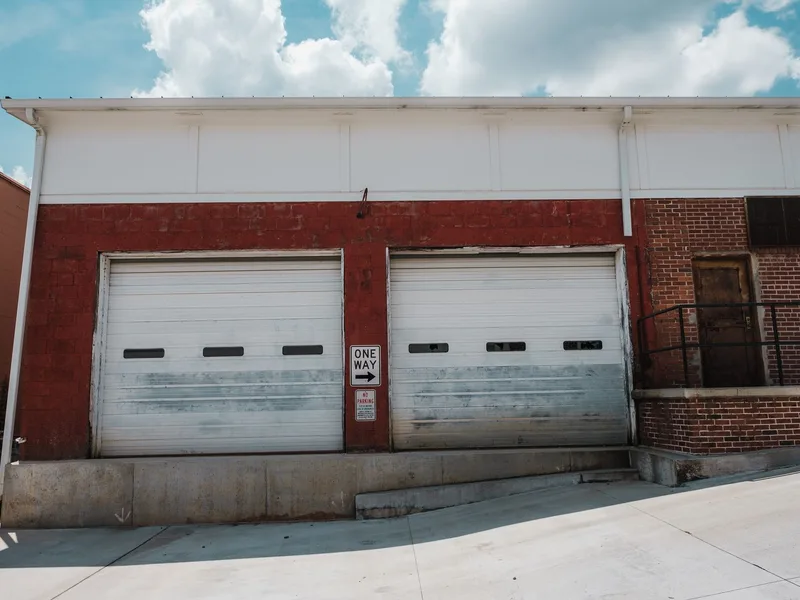
The goods-in door
The goods-in doors at hotels on Ibrahim Al Khalil Street see continuous traffic; the numbered point there monitors insects arriving in luggage, linen, clothing and daily deliveries.
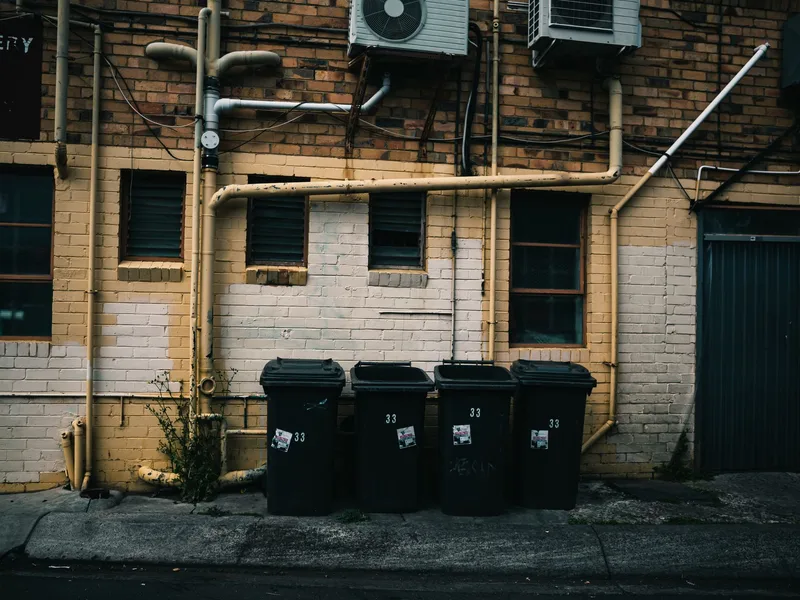
The waste area
Waste areas in Al Hajlah are scattered between hotels and blocks and very cramped; the annual contract places monitoring points in every waste collection point because insects gather there before climbing higher.
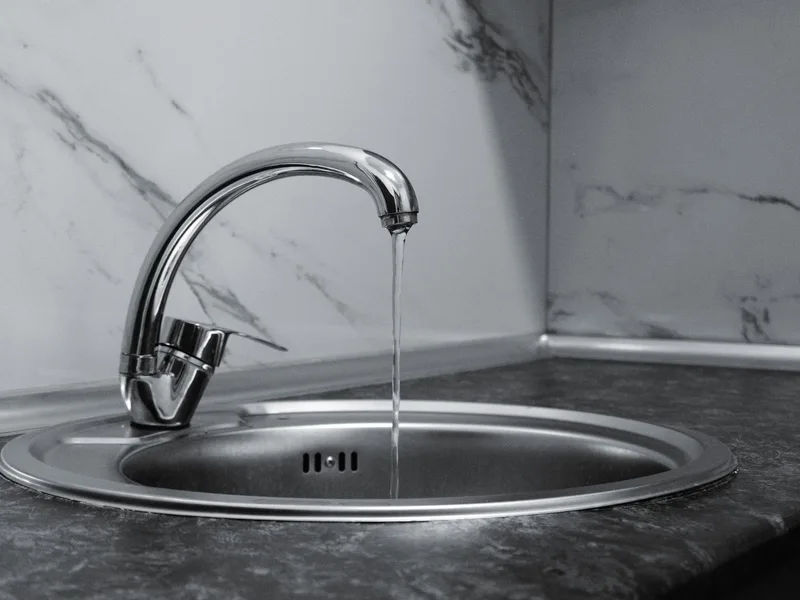
Drains and grease traps
Drains run through tight channels between buildings and through shared walls, and monitoring points detect insect movement along these pathways before insects reach guest rooms and flats.
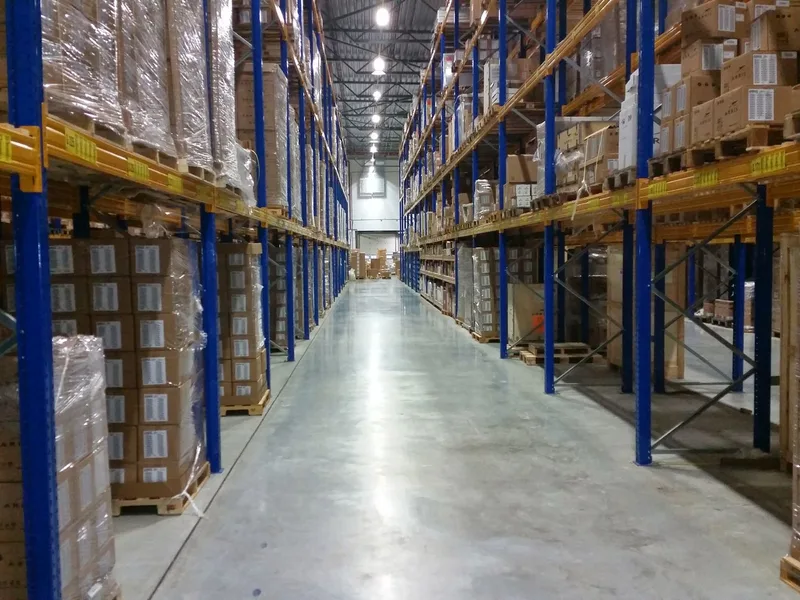
Dry store and pallets
Dry stores in hotels and apartment blocks are very small and tightly packed, and numbered points inside watch for insects hiding among boxes and shelving in very confined spaces.
Fixed, numbered points
Numbered points are positioned at hotel and building entrances, in tight passages, stairwells and dry stores, each carrying a unique number recorded during every visit.

The file itself
The contract file holds a map of adjoining hotels and blocks, all numbered point positions, passages and the shared stairwell, and the document updates immediately whenever management or occupancy changes.
How we work
-
1
Survey and risk assessment
We walk the building from the goods-in door through preparation, stores and washrooms, and record the species pressure, the entry routes, the moisture and which areas carry which level of risk.
-
2
The plan, the map and the frequency
We number the monitoring positions on a plan of the site, agree the visit frequency from what each area handles and how open the building is, and agree who receives and signs the report.
-
3
The scheduled visits
Every visit reads the same route, point by point, records the reading even when it is nil, and treats the area the reading calls for rather than the whole building.
-
4
Review and reading the trend
We read the visits together rather than one at a time: where the readings climbed, which corrective actions are still open, and whether an area needs more points or closer visits.
What the annual contract includes
-

Opening survey and site plan
A walk that fixes the risk areas and the entry routes, and a plan with the monitoring positions numbered before anything is installed.
-

Numbered monitoring points
Fixed positions on a set route, opened, read and logged every visit, and replaced when damaged.
-

Targeted treatment when called for
On the cracks, junctions and service areas the reading points to, and outside operating hours where that is needed.
-

Drains and waste areas
Floor gullies, grease traps and the ground around the containers on every visit, because that is the source that renews itself.
-

Report and corrective actions
After every visit: what was found, what was applied and where, and what the site needs to fix, such as a door gap or a missing drain cover.
-

Scheduled visits and visits in between
A schedule agreed in the contract, plus a visit when activity appears between two dates, logged like any other.
Landmarks of Al Hajlah
The annual contract in Al Hajlah begins at the southern entrance to Ibrahim Al Khalil Street, where it passes near Al Misfalah, and extends upward through the narrow street to the hotels and flats on both sides as they approach the Grand Mosque.
- Ibrahim Al Khalil Street
- The Grand Mosque
- Jabal Omar
- Al Shubaikah Cemetery
- Al Hijrah Street
Questions about this district
Do hotels that stand directly adjacent need separate contracts?
No, one unified contract is better because insects move through shared walls, buried channels and the tight passages between them. Unified monitoring places numbered points across all boundaries between buildings.
Do pilgrim arrivals bring insects with them each Hajj and Umrah season?
Yes, especially from warm and humid regions, and insects can travel in clothing, luggage, or even hair and shoes. Continuous monitoring and numbered points at all entrances are essential throughout the year.
Do residential apartment buildings adjoining hotels affect the annual contract's success?
Yes, because insects move easily between hotel and flat through shared walls and drains. The contract must cover both together with unified numbered monitoring points across all shared boundaries.
Can the annual contract be reduced during quiet seasons between pilgrim waves?
Visit frequency can drop during slower periods, but monitoring points stay installed and observation continues, because insects do not vanish between seasons; they hide inside walls, in drains and in ceiling voids waiting for favourable conditions.
Does the monthly report show which hotel or building has the worst infestation?
The report records what was found at each numbered point by its code and location. If one hotel shows high activity at its numbered points, that building needs additional attention and targeted treatment.
Can special treatments target the shared passages and central stairwell?
Yes, shared hallways and stairwells between hotels and apartments are fast highways for insects. The annual contract can add targeted treatments at these boundaries with dedicated numbered points in each passage.
How much does annual contracts in Al Hajlah cost?
It is set after the inspection, because the price follows the type of infestation, the size of the space, how far it has spread and the number of visits it needs. Send a photo and a description on WhatsApp and we will give you an estimate before we reach Al Hajlah.
Nearby districts we cover
Other services in Al Hajlah
Other services we provide to residents of Al Hajlah.
-
 Residential
Cockroach control
Residential
Cockroach control
-
 Residential
Bed bug control
Residential
Bed bug control
-
 Residential
Termite control
Residential
Termite control
-
 Residential
Rodents and mice
Residential
Rodents and mice
-
 Residential
Mosquito control
Residential
Mosquito control
-
 Residential
Fly control
Residential
Fly control
-
 Residential
Ant control
Residential
Ant control
-
 Residential
Gecko control
Residential
Gecko control
-
 Residential
Scorpion control
Residential
Scorpion control
-
 Residential
Snake control
Residential
Snake control
-
 Residential
Flea control
Residential
Flea control
-
 Residential
Bird and pigeon control
Residential
Bird and pigeon control
-
 Residential
Preventive treatment
Residential
Preventive treatment
-
 Residential
Disinfection
Residential
Disinfection
-
 Commercial
Restaurants and cafes
Commercial
Restaurants and cafes
-
 Commercial
Hotels and apartments
Commercial
Hotels and apartments
-
 Commercial
Warehouses and factories
Commercial
Warehouses and factories
-
 Commercial
Schools and nurseries
Commercial
Schools and nurseries
-
 Commercial
Retail and malls
Commercial
Retail and malls
-
 Commercial
Rest houses and farms
Commercial
Rest houses and farms
-
 Commercial
Fumigation
Commercial
Fumigation
-
 Water tanks
Water tank cleaning
Water tanks
Water tank cleaning
-
 Water tanks
Water tank sterilization
Water tanks
Water tank sterilization
-
 Water tanks
Water tank sealing
Water tanks
Water tank sealing
-
 Water tanks
Tank leak repair
Water tanks
Tank leak repair
Need annual contracts in Al Hajlah? Tell us what you saw and we will tell you what it needs
We reach Al Hajlah at a time we agree, and you get the full cost before we start.