
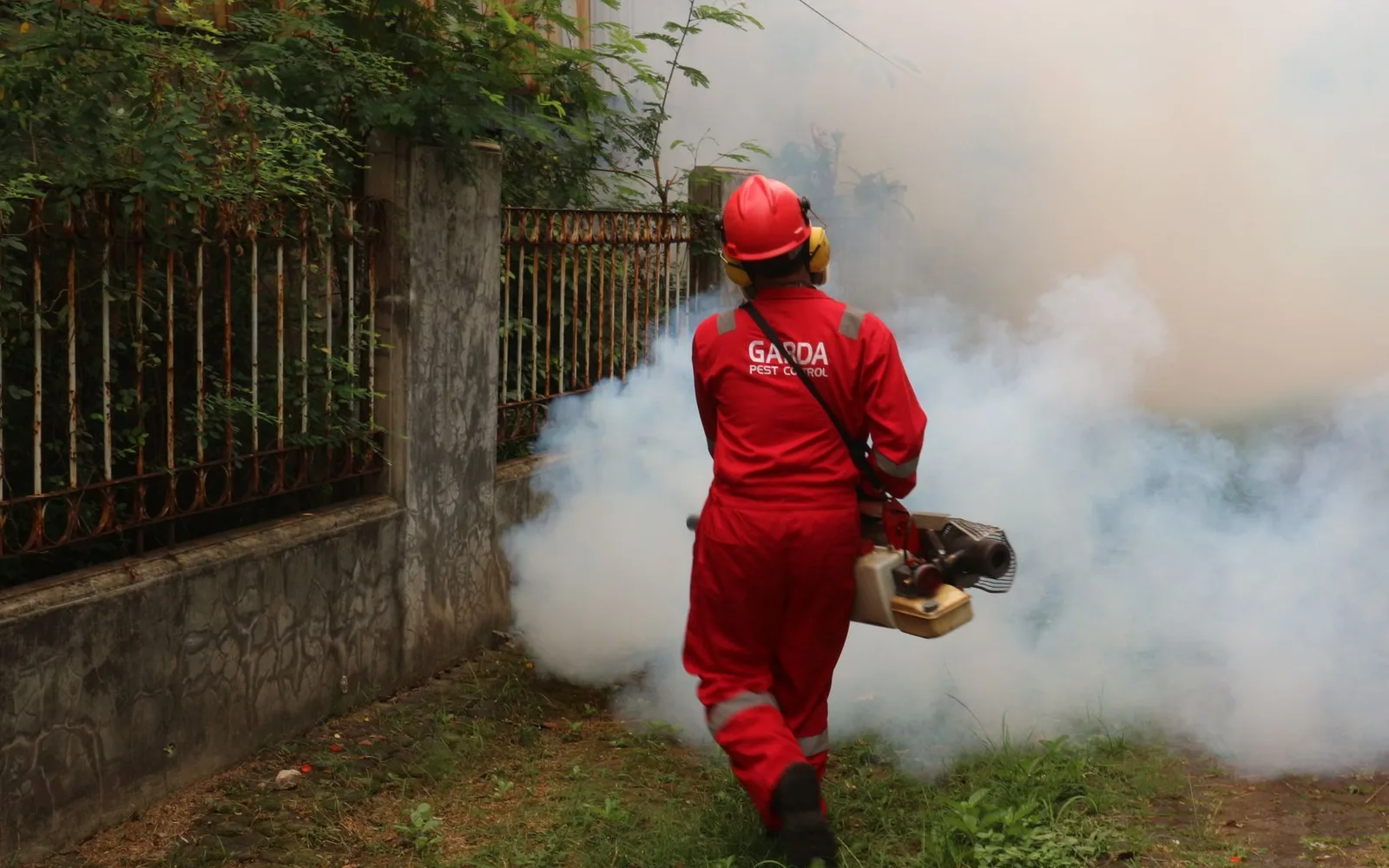
Rest houses and farms in Al Hamra Jeddah
Al Hamra is an established coastal district running between the Corniche and Madinah Road, mixing villas with apartment towers and hotels. High humidity and salt air throughout the year accelerate mosquito and rodent breeding, and irrigated gardens and fountains provide permanent standing water sources where sun and salt air intensify the problem.
-
Targeted, not broadcast
Product goes into cracks and runways, never sprayed across open surfaces.
-
Told before we start
What we will use, where it goes, and what to cover or move before we arrive.
-
A follow-up visit
We return after the first treatment, because what survives it does not show on the day.
-
Homes and businesses
Apartments and villas, and kitchens and stores that need a record of each visit.
Why they keep coming back in Al Hamra
Salt spray accumulates on walls and timber and weakens them, but the moisture the sea air carries creates the perfect breeding ground for mosquitoes and fungal growth. The method is set out in full on what Rest houses and farms involves.
Irrigated gardens and fountains year round
Private gardens, public parks and Corniche fountains are watered continuously even through summer. This warm water and standing water in flexible pipes and shallow reservoirs becomes a mosquito production centre from March through November.
High humidity, salt air and coastal drainage
Salt air raises humidity and keeps soil damp permanently even beneath villas and towers. Rainwater and sewage drainage is sluggish because of low elevation above sea level, leaving excavations and channels wet.
Villas and towers overlooking the sea directly
Luxury villas and flats next to the water have deep foundations and thick walls, but salt and moisture penetrate fine cracks. Rodents and insects find shelter in gaps beneath foundations and in damp external walls.
Al Hamra on the map
Al Hamra sits about 3.5 km from Al Andalus and about 3.5 km from Mushrifah.
Open in Google MapsThe site decides the shape of the programme
Directly on the Red Sea shore with a waterfront facing the King Fahd Fountain, restaurants and cafes nearby, a botanical garden along the Corniche, and coastal soil that stays damp even in summer.
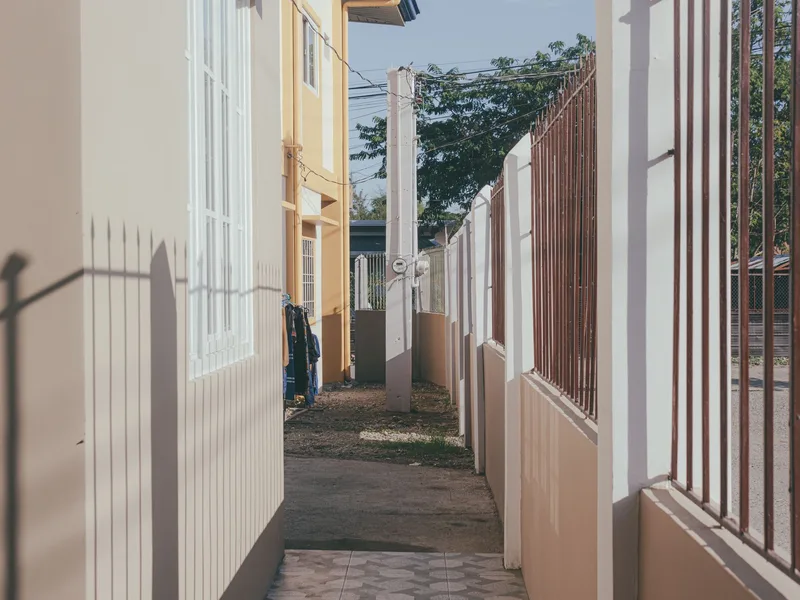
The foot of the wall
The wall foot in Al Hamra needs special care because humidity penetrates deep foundations and salt accumulates on the surface.
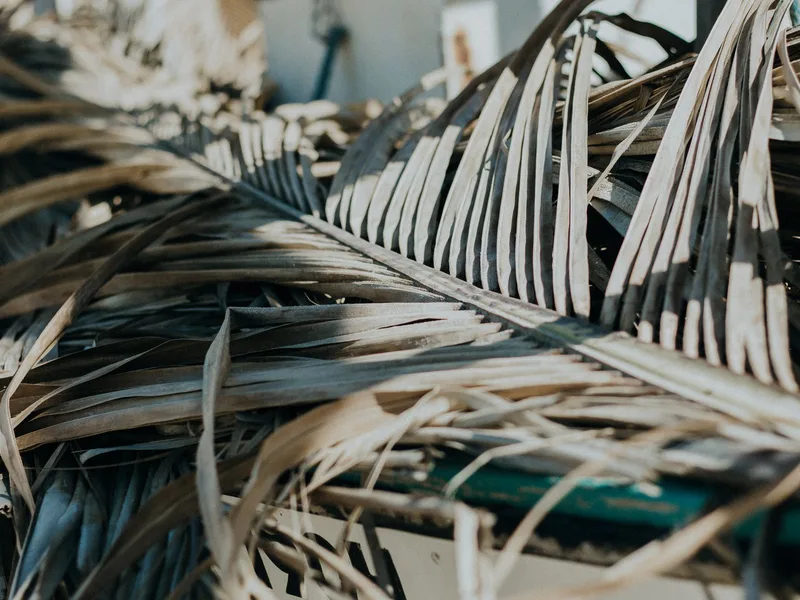
Frond and block piles
Plant debris and fallen leaves from gardens stack up quickly and become insect shelters if not lifted weekly.
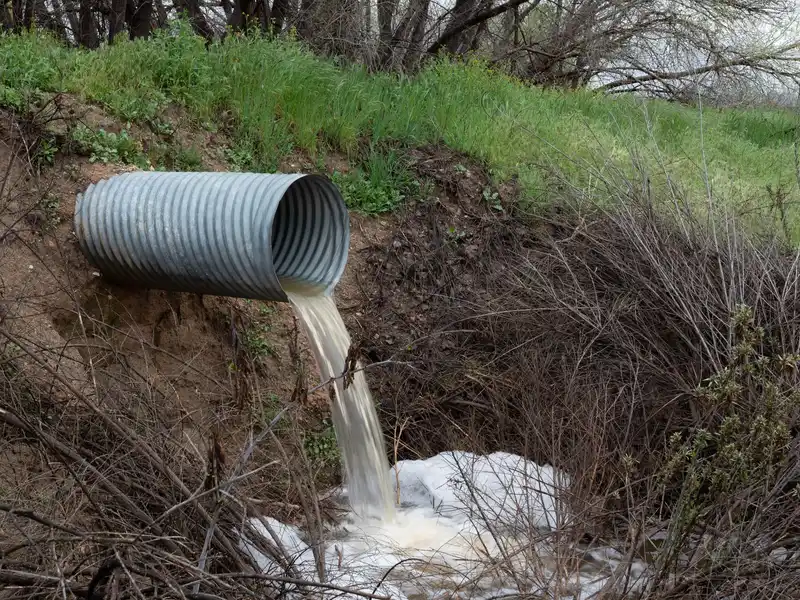
Standing water
Standing water sits in excavations, channels, flexible pipes and shallow tanks, requiring separate inspection from other water sources.
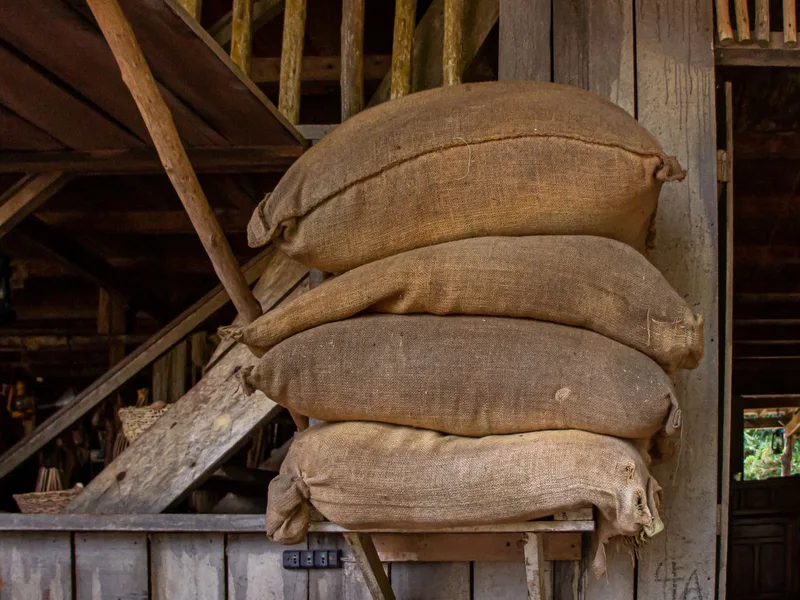
The feed store
There is no feed store in the traditional sense, but nearby restaurants and cafes produce food waste that attracts rodents and flies.
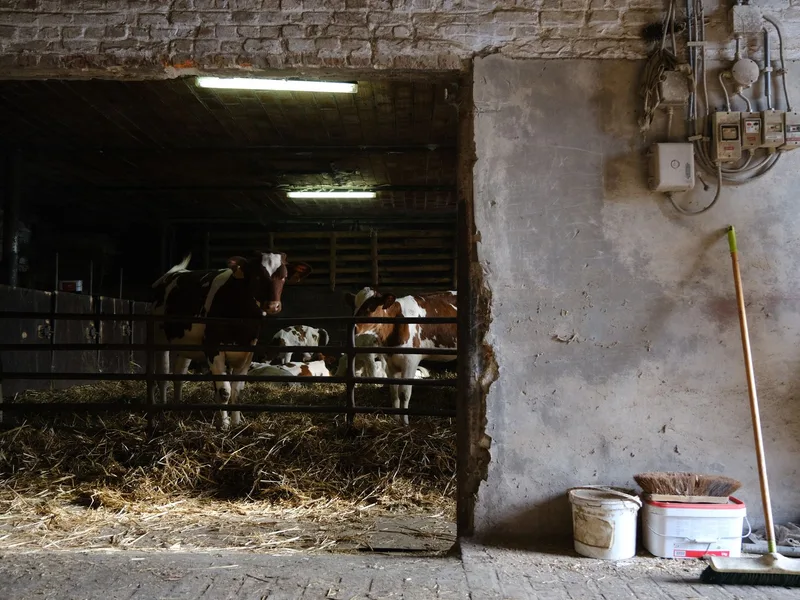
Pens and bedding
Spaces beneath villas and towers stay damp year round and become safe rodent nests. Treatment focuses on external openings, not indoor entry.
The building that stays shut
Buildings and flats that close seasonally are rare, but furnished units may be shut for weeks, turning them into insect refuges.
How we work
-
1
Walk the site and number the points
We walk the boundary, the feed store, the pens, the water sources and the buildings, record the species present, the burrows, the entry points and every standing water source, and number the monitoring positions on a plan.
-
2
Lift what things hide under
The piles, the rubble, the fallen dates, the feed sacks pushed up against the wall. On any large plot these gather simply because there is room for them, and clearing them brings the numbers down before a single product is used.
-
3
The perimeter band and targeted treatment
A band at the foot of the wall and the buildings, treatment into the burrows and cracks, locked rodent stations fixed along the route, and mosquito breeding sites treated in the water itself.
-
4
Scheduled visits and a sheet each time
We come back on an agreed schedule, read the same points, renew the band the sun and the irrigation have used up, and write down what was found, what was applied and where, and what the site needs closed.
What the rest house and farm programme includes
-

A site walk and a map of the points
The boundary, the buildings, the pens and the water sources, and a plan with the monitoring positions numbered before anything is installed.
-

Water sources treated at the source
Drinking troughs, drip lines, tank outlets and anything that stands for days, because mosquitoes come out of water and not out of the air.
-

A treated band at the perimeter
The foot of the wall, the building bases and the path edges, which is the line anything coming off the open ground has to cross.
-

Locked rodent stations
Fixed and numbered along one route, and closed so that neither a child's hand nor an animal on the site can get into them.
-

What the site does afterwards
What to cover, where to move animal water bowls, when irrigation can start again without washing the band off, and the ventilation time, which we give you on the call because it changes with the product and the space.
-

Scheduled visits and a record
A schedule agreed ahead of the seasons, the same points read every time, and a record of what was found, what was treated and what is still open.
The character of Al Hamra
Coastal area: high humidity and salt air through the year
Al Hamra is coastal so humidity never stops and accelerates natural breeding of every water-loving pest. Treatment focuses on water drainage, ventilation and preventing accumulations more than killing existing pests. The programme must be frequent through breeding seasons.
Questions about this district
Our small garden has permanent water from irrigation. Does this attract more mosquitoes?
Yes, mosquitoes prefer warm water dense with plants over cold open water. We focus on draining standing water, reducing evening irrigation and clearing fallen leaves.
People say mosquitoes come from the sea. Does treating the house alone protect us?
Mosquitoes come from irrigated gardens far more than from the sea. Treatment focuses on the villa boundary, garden and gaps under foundations. The whole district needs one unified programme for real control.
Sea salt damages timber and external walls. Does it reduce treatment effectiveness?
Salt weakens materials but does not reduce treatment effect. We treat cracks and gaps deep beneath the surface where insects shelter from humidity and salt.
High humidity pushes the air conditioning bill up. Does treatment affect the villa?
Treatment is exterior first, then moves indoors after ventilation. Modern villas are well sealed so the air conditioning cools them back down after treatment.
We have an old drain beneath the villa. Does the coastal moisture make pest problems worse?
The old drain and coastal humidity together create perfect conditions for rodents and cockroaches. We treat drain pipes from outside and openings leading to them from below the villa.
Is an annual programme enough for Al Hamra or do we need something more intensive?
An annual programme is not enough for high humidity. We recommend a three-visit programme in summer and autumn and concentrated visits in spring when mosquito breeding begins.
How much does rest houses and farms in Al Hamra cost?
It is set after the inspection, because the price follows the type of infestation, the size of the space, how far it has spread and the number of visits it needs. Send a photo and a description on WhatsApp and we will give you an estimate before we reach Al Hamra.
Nearby districts we cover
Other services in Al Hamra
Other services we provide to residents of Al Hamra.
-
 Residential
Cockroach control
Residential
Cockroach control
-
 Residential
Bed bug control
Residential
Bed bug control
-
 Residential
Termite control
Residential
Termite control
-
 Residential
Rodents and mice
Residential
Rodents and mice
-
 Residential
Mosquito control
Residential
Mosquito control
-
 Residential
Fly control
Residential
Fly control
-
 Residential
Ant control
Residential
Ant control
-
 Residential
Gecko control
Residential
Gecko control
-
 Residential
Scorpion control
Residential
Scorpion control
-
 Residential
Snake control
Residential
Snake control
-
 Residential
Flea control
Residential
Flea control
-
 Residential
Bird and pigeon control
Residential
Bird and pigeon control
-
 Residential
Preventive treatment
Residential
Preventive treatment
-
 Residential
Disinfection
Residential
Disinfection
-
 Commercial
Annual contracts
Commercial
Annual contracts
-
 Commercial
Restaurants and cafes
Commercial
Restaurants and cafes
-
 Commercial
Hotels and apartments
Commercial
Hotels and apartments
-
 Commercial
Warehouses and factories
Commercial
Warehouses and factories
-
 Commercial
Schools and nurseries
Commercial
Schools and nurseries
-
 Commercial
Retail and malls
Commercial
Retail and malls
-
 Commercial
Fumigation
Commercial
Fumigation
-
 Water tanks
Water tank cleaning
Water tanks
Water tank cleaning
-
 Water tanks
Water tank sterilization
Water tanks
Water tank sterilization
-
 Water tanks
Water tank sealing
Water tanks
Water tank sealing
-
 Water tanks
Tank leak repair
Water tanks
Tank leak repair
Need rest houses and farms in Al Hamra? Tell us what you saw and we will tell you what it needs
We reach Al Hamra at a time we agree, and you get the full cost before we start.