
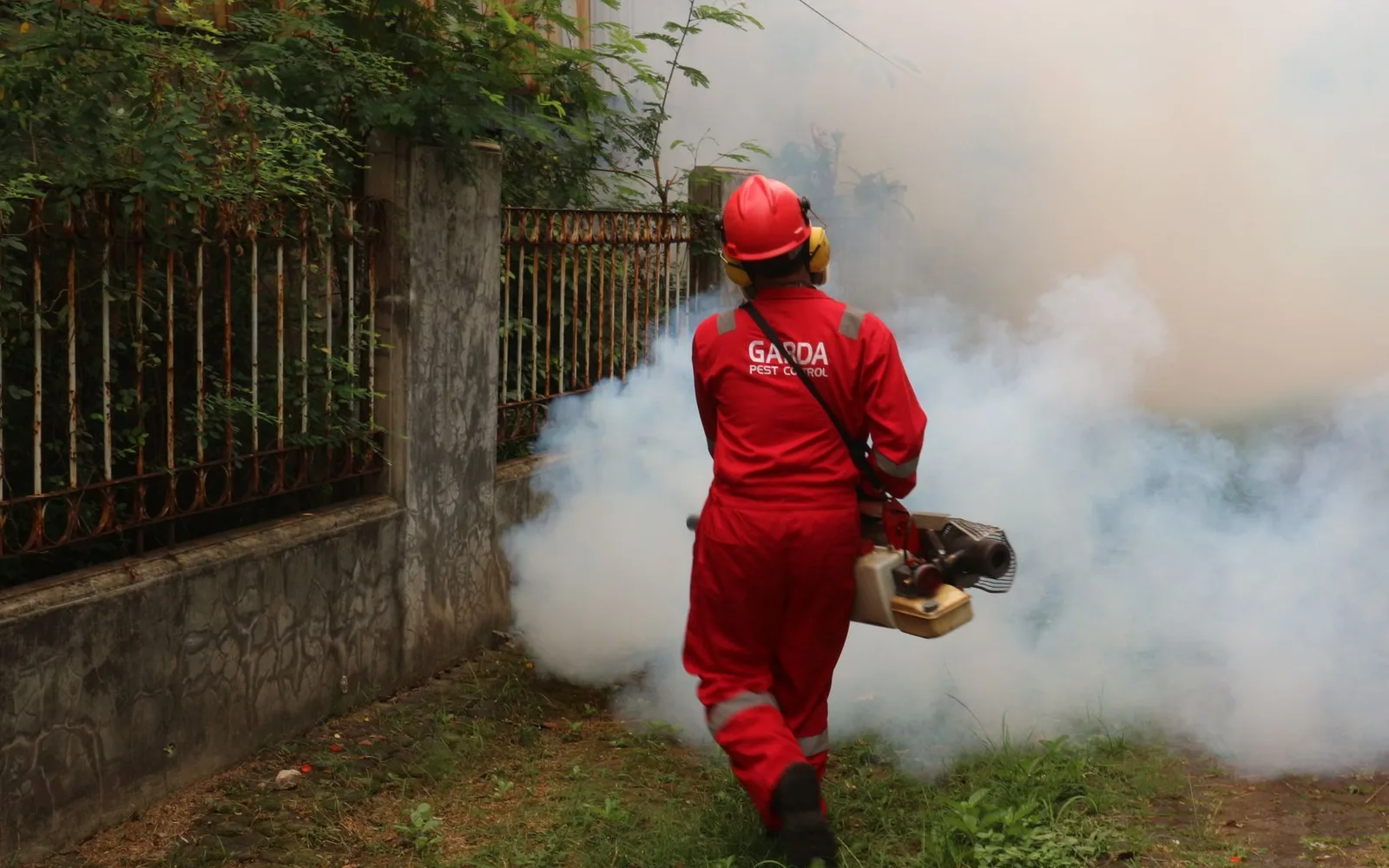
Rest houses and farms in Al Aziziyah Jeddah
Al Aziziyah is a dense, established district filled with restaurants, shops and food depots on every street, and small rest houses here compete against constant food pressure from the built environment around them. Old construction and worn drainage mean pests inhabit the buildings themselves, not just the outside boundary.
-
Targeted, not broadcast
Product goes into cracks and runways, never sprayed across open surfaces.
-
Told before we start
What we will use, where it goes, and what to cover or move before we arrive.
-
A follow-up visit
We return after the first treatment, because what survives it does not show on the day.
-
Homes and businesses
Apartments and villas, and kitchens and stores that need a record of each visit.
Why they keep coming back in Al Aziziyah
Cockroaches live inside the walls of old buildings and emerge only at night, making surface spraying alone completely ineffective. The method is set out in full on our Rest houses and farms service.
Ageing buildings house pests inside the walls themselves
Al Aziziyah's structures date from earlier decades, and cavities between walls and internal channels are permanent colonies for cockroaches and rodents. Surface treatment cannot reach them. We work through entry points, cracks and feeding channels where they move inside.
Worn drainage and broken pipes become highways
Sewage pipes from decades past leak and crack, and rodents and cockroaches travel through them from shop to shop. We inspect the drainage network around the rest house and next door, and stop water leaks that attract pests.
Restaurants and food stores around push pests outward
Dense restaurants on Makarona Road and Tahliah Street leave food scraps and daily waste everywhere. Rodents and cockroaches live well among them and spread into nearby rest houses. The programme blocks transit routes between food stores, gardens and rooms.
The character of Al Aziziyah
Mixed district: shops at street level with homes above them
Ground floor shops mean food and drink are close to the home, and pests move freely between shop and rest house through shared cavities and pipework. The pressure is not seasonal but constant throughout the year.
The site decides the shape of the programme
A tightly packed quarter surrounded by cafes, shops and busy food markets, with low-lying ground and ageing pipework, particularly high humidity near food and trade corridors.
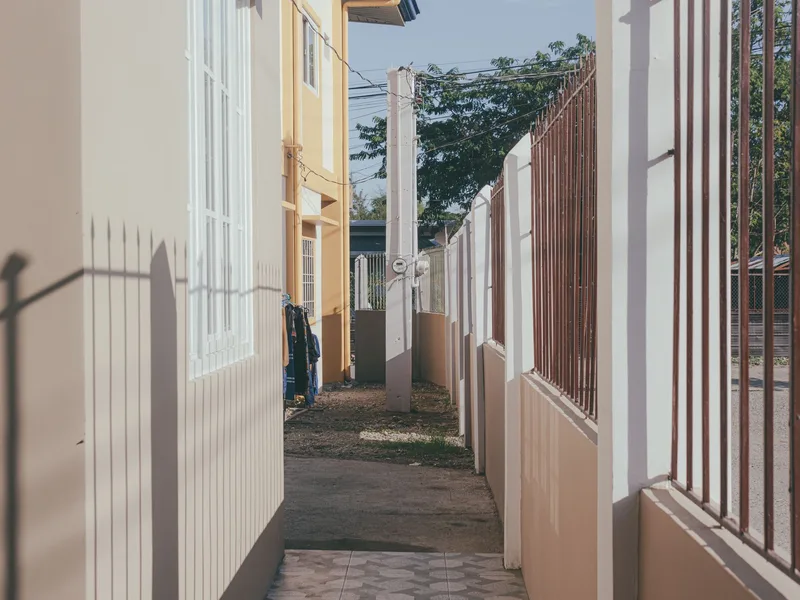
The foot of the wall
The wall base in Al Aziziyah stands on old footings that may have cracks and voids, and the treatment band must cover the wall, ground and penetrate cavities within the original masonry.
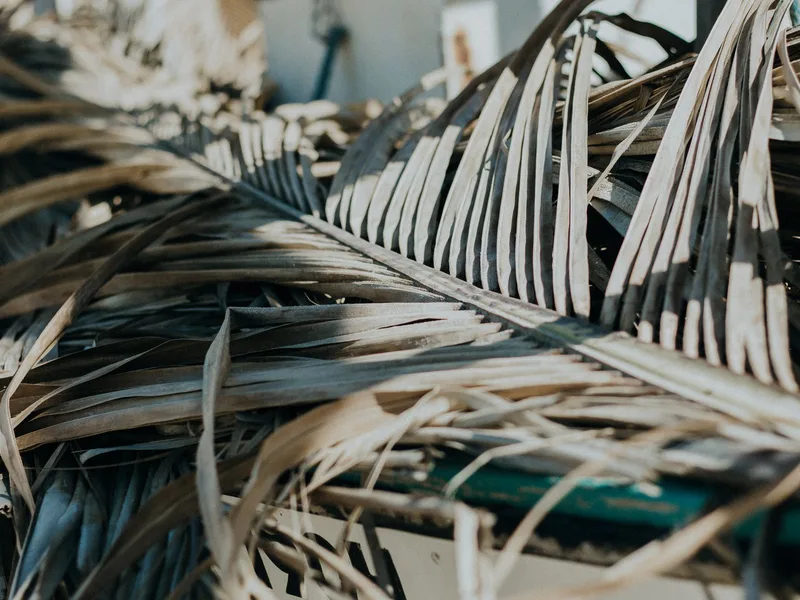
Frond and block piles
Soil and damp around the wall hide cockroaches and scorpions, and piles of block and frond hold new generations. We lift and move everything, exposing the wall base fully.
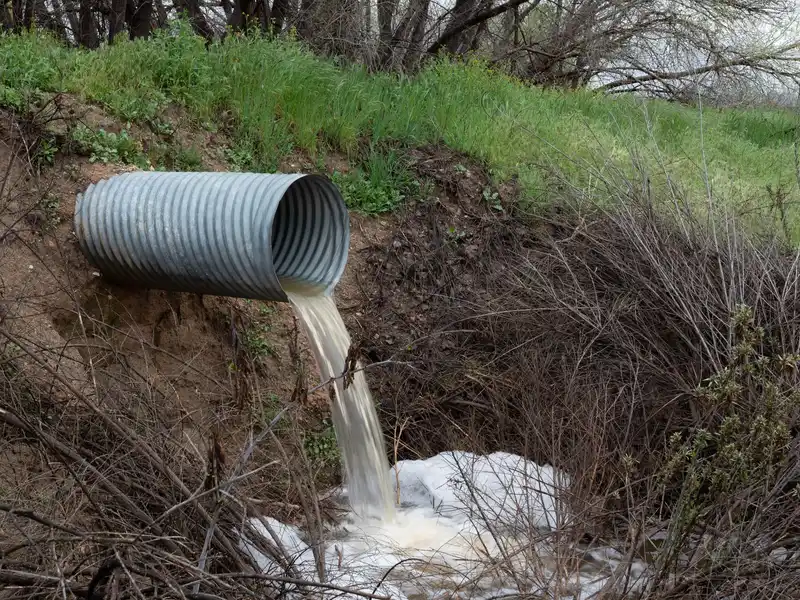
Standing water
Standing water comes from drainage leaks and burst pipes, not only irrigation. Every damp area near walls needs investigation for the source and leak repair before chemical treatment.
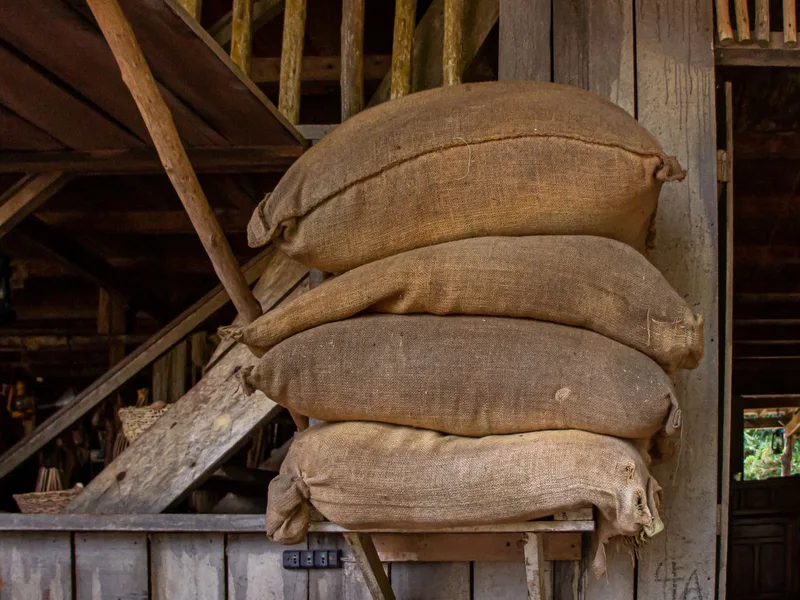
The feed store
Stored grain and food matter draw pests from surrounding shop streets. The store must be inspected at each visit, old sacks discarded and the ground around the store treated with mineral dust.
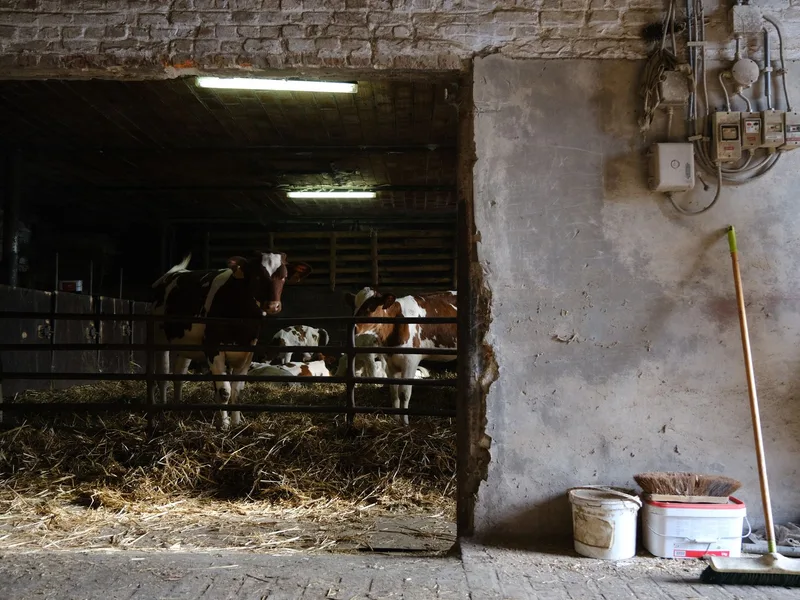
Pens and bedding
Small pens next to the rest house need pest isolation because bedding, moisture and food scraps attract them. Doors and windows must be sealed tight and the pen footings treated.
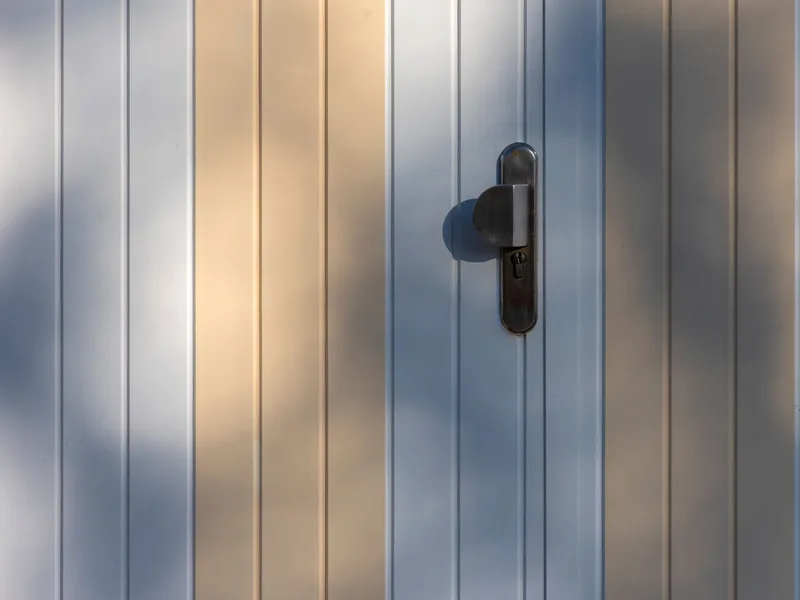
The building that stays shut
Closed rooms in old buildings may shelter cockroaches and rodents all day. We treat cracks around doors and windows from outside and assess the need for internal wall treatment.
How we work
-
1
Walk the site and number the points
We walk the boundary, the feed store, the pens, the water sources and the buildings, record the species present, the burrows, the entry points and every standing water source, and number the monitoring positions on a plan.
-
2
Lift what things hide under
The piles, the rubble, the fallen dates, the feed sacks pushed up against the wall. On any large plot these gather simply because there is room for them, and clearing them brings the numbers down before a single product is used.
-
3
The perimeter band and targeted treatment
A band at the foot of the wall and the buildings, treatment into the burrows and cracks, locked rodent stations fixed along the route, and mosquito breeding sites treated in the water itself.
-
4
Scheduled visits and a sheet each time
We come back on an agreed schedule, read the same points, renew the band the sun and the irrigation have used up, and write down what was found, what was applied and where, and what the site needs closed.
What the rest house and farm programme includes
-

A site walk and a map of the points
The boundary, the buildings, the pens and the water sources, and a plan with the monitoring positions numbered before anything is installed.
-

Water sources treated at the source
Drinking troughs, drip lines, tank outlets and anything that stands for days, because mosquitoes come out of water and not out of the air.
-

A treated band at the perimeter
The foot of the wall, the building bases and the path edges, which is the line anything coming off the open ground has to cross.
-

Locked rodent stations
Fixed and numbered along one route, and closed so that neither a child's hand nor an animal on the site can get into them.
-

What the site does afterwards
What to cover, where to move animal water bowls, when irrigation can start again without washing the band off, and the ventilation time, which we give you on the call because it changes with the product and the space.
-

Scheduled visits and a record
A schedule agreed ahead of the seasons, the same points read every time, and a record of what was found, what was treated and what is still open.
What is different about Al Aziziyah Sub-Municipality
The Al Aziziyah sub municipality takes in the established heart of northern Jeddah, from the Al Hamra corniche on the Red Sea to Al Rehab east of King Abdullah Road. Its buildings date back decades, mostly mid rise apartment blocks over shops and closely packed restaurants along Makarona Road, Tahliah Street and Palestine Street, alongside villas and hotel towers near the shore. Sea humidity is high in the western districts, plumbing and drainage in the older blocks are ageing, and food outlets, hospitals and irrigated gardens are everywhere, conditions that favour cockroaches, ants, mosquitoes and rodents throughout the year.
Questions about this district
Drainage contractors cannot fix the pipes and pests keep coming through them?
Public drainage repair is not our work, but testing the drains around your rest house, locating leaks and finding open paths is. We treat the area around drain openings and seal unprotected outlets.
Wall damp from pipe leaks makes the plaster wet. Does it matter?
High moisture attracts cockroaches and ants directly. We treat cracks and cavities in damp walls with mineral dust and diluted liquid that penetrates deep into the plaster and remains active even where water is present.
The next door shop sprays randomly. Does it affect us?
Random unplanned spraying drives pests from shop to shop without killing them. Our programme blocks escape routes from the adjoining building and focuses on chemical barriers in cracks and cavities rather than surface spray.
Cockroaches appear only at night and we see none by day. What works?
Cockroaches hide in walls and cavities by day and emerge at night to feed and drink. Treating walls, cavities and internal channels stops them emerging at all and prevents breeding inside the structure.
Are food pests in the store different from cockroaches and rodents?
Yes. Stored product pests like weevils and moths infest grain stores and need separate treatment. Cockroaches and rodents we manage together, but the store itself needs a separate inspection and old sacks must be replaced.
Do visits focus on inside the building or outside it?
We start outside: wall, ground and drainage. Then move to internal cracks, cavities and channels. Each visit reads walls, floors, dark cavities and records findings in writing.
How much does rest houses and farms in Al Aziziyah cost?
It is set after the inspection, because the price follows the type of infestation, the size of the space, how far it has spread and the number of visits it needs. Send a photo and a description on WhatsApp and we will give you an estimate before we reach Al Aziziyah.
Other services in Al Aziziyah
Other services we provide to residents of Al Aziziyah.
-
 Residential
Cockroach control
Residential
Cockroach control
-
 Residential
Bed bug control
Residential
Bed bug control
-
 Residential
Termite control
Residential
Termite control
-
 Residential
Rodents and mice
Residential
Rodents and mice
-
 Residential
Mosquito control
Residential
Mosquito control
-
 Residential
Fly control
Residential
Fly control
-
 Residential
Ant control
Residential
Ant control
-
 Residential
Gecko control
Residential
Gecko control
-
 Residential
Scorpion control
Residential
Scorpion control
-
 Residential
Snake control
Residential
Snake control
-
 Residential
Flea control
Residential
Flea control
-
 Residential
Bird and pigeon control
Residential
Bird and pigeon control
-
 Residential
Preventive treatment
Residential
Preventive treatment
-
 Residential
Disinfection
Residential
Disinfection
-
 Commercial
Annual contracts
Commercial
Annual contracts
-
 Commercial
Restaurants and cafes
Commercial
Restaurants and cafes
-
 Commercial
Hotels and apartments
Commercial
Hotels and apartments
-
 Commercial
Warehouses and factories
Commercial
Warehouses and factories
-
 Commercial
Schools and nurseries
Commercial
Schools and nurseries
-
 Commercial
Retail and malls
Commercial
Retail and malls
-
 Commercial
Fumigation
Commercial
Fumigation
-
 Water tanks
Water tank cleaning
Water tanks
Water tank cleaning
-
 Water tanks
Water tank sterilization
Water tanks
Water tank sterilization
-
 Water tanks
Water tank sealing
Water tanks
Water tank sealing
-
 Water tanks
Tank leak repair
Water tanks
Tank leak repair
Need rest houses and farms in Al Aziziyah? Tell us what you saw and we will tell you what it needs
We reach Al Aziziyah at a time we agree, and you get the full cost before we start.