
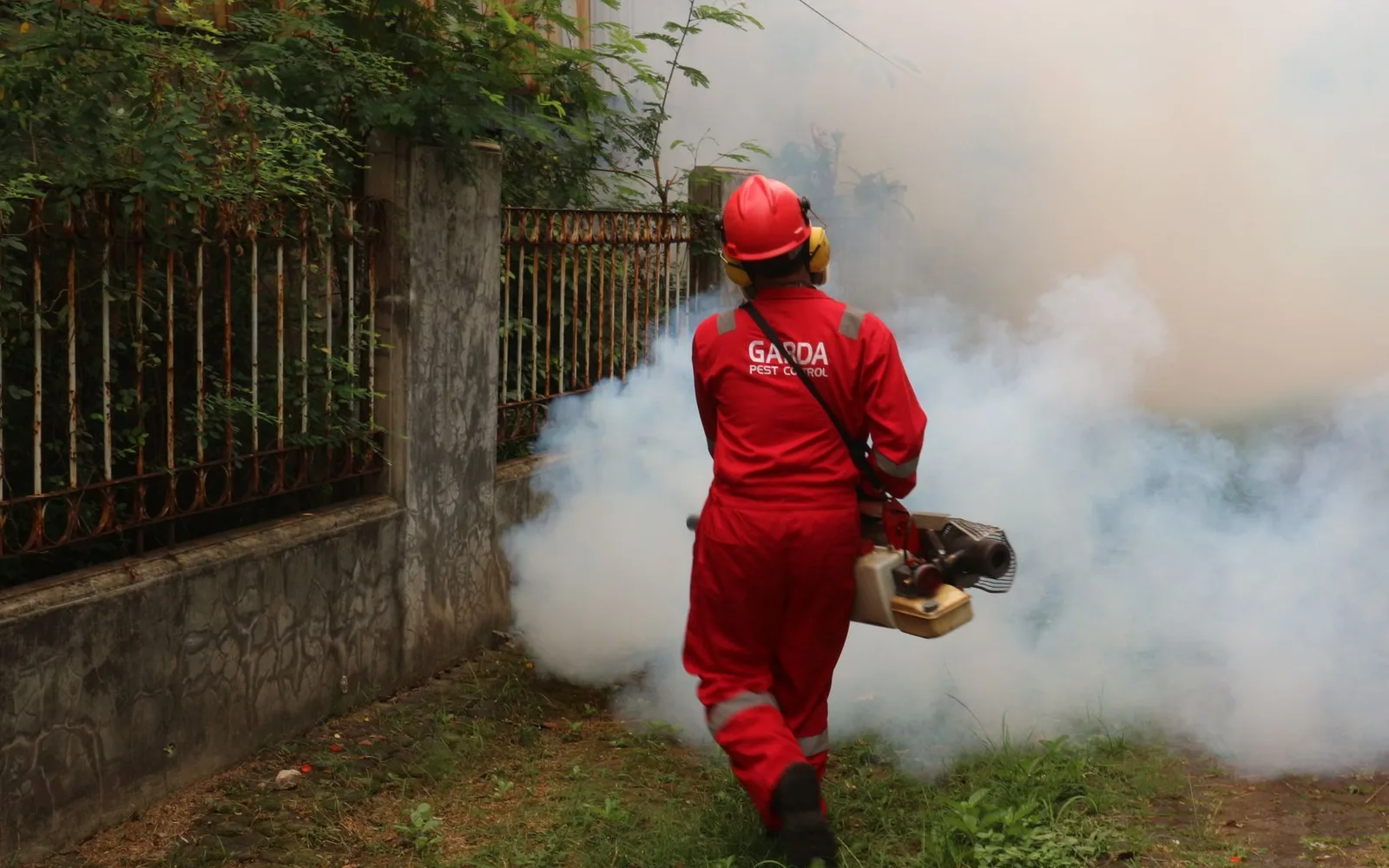
Rest houses and farms in Al Saruriyah Jeddah
Al Saruriyah is an industrial zone south Jeddah along the Al Laith Expressway, where commercial warehouses and distribution stores outnumber homes and stand beside vegetable and livestock markets. The open storage, exposed markets, nearness to the Islamic Port and the Industrial City mean that insects find food and shelter all year round.
-
Targeted, not broadcast
Product goes into cracks and runways, never sprayed across open surfaces.
-
Told before we start
What we will use, where it goes, and what to cover or move before we arrive.
-
A follow-up visit
We return after the first treatment, because what survives it does not show on the day.
-
Homes and businesses
Apartments and villas, and kitchens and stores that need a record of each visit.
Why they keep coming back in Al Saruriyah
Markets clear daily of livestock and produce, but blood, spilled feed and animal waste leave residues that draw insects and rodents even after rapid cleaning. The method is set out in full on Rest houses and farms in detail.
Open livestock and vegetable markets with exposed butchering
Open market environment means no barrier between outdoor pests and indoor ones. The smell of blood and animal waste attracts rodents, flies and insects from miles away and lets them settle where they feed.
Open warehouses and unprotected stacked goods
Commercial and distribution warehouses do not contain pests. Rats climb easily across shelving and goods, and insects hide in gaps between crates and pallets stacked floor to ceiling.
Open drainage channels and seasonal pooling
Open storm drains beside the main road collect water and rubbish, becoming mosquito breeding pools. Small seasonal pools between warehouses give aquatic insects perfect breeding grounds.
Landmarks of Al Saruriyah
Al Saruriyah is accessed from the Al Laith Expressway that forms its northern boundary and runs down towards Shifa Jeddah Medical Complex. Reaching the Vegetable and Fruit Market and the Livestock Market requires regular treatment that covers the markets, warehouses and external perimeter as a single system.
- Al Laith Expressway
- Shifa Jeddah Medical Complex
- Vegetable and Fruit Market
- Livestock Market
- Al Seef Beach
The site decides the shape of the programme
The ground is low lying and waterlogging occurs easily around the vegetable market and livestock yards, while humid air drifts in from the port and industrial complex to the west.
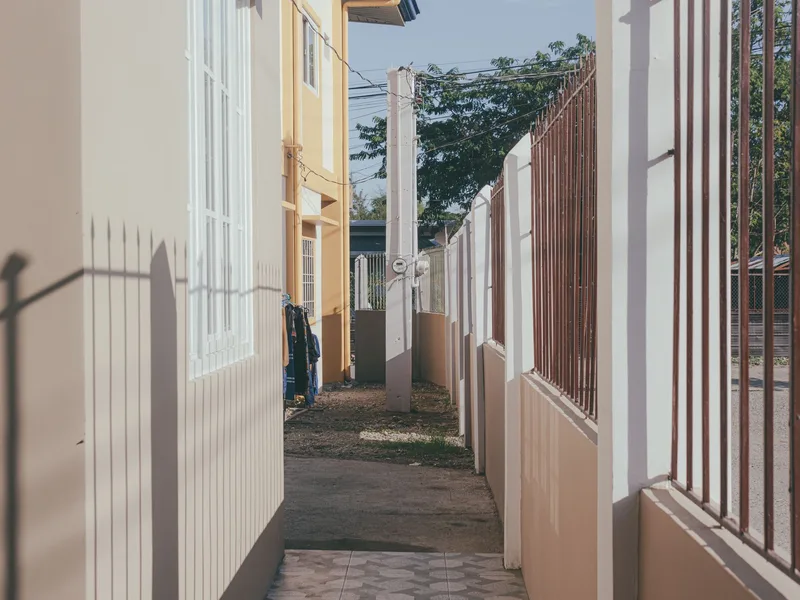
The foot of the wall
Concrete warehouse footings crack under heavy truck loading, giving rodents and insects easy entry routes from the ground.
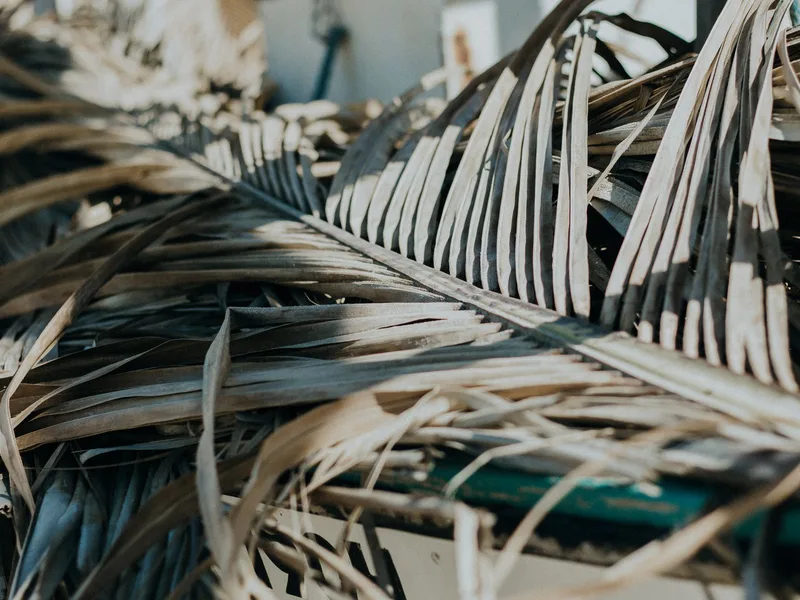
Frond and block piles
Crates and goods stacked directly on the floor provide enclosed shelter for rats and insects at the base.
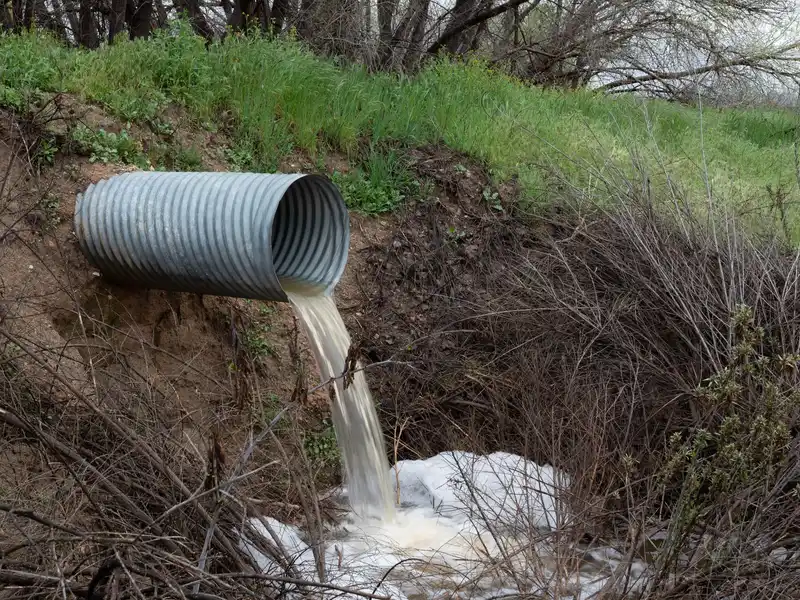
Standing water
Drainage water and seepage from the market pools in small puddles, especially in damp warehouse corners.
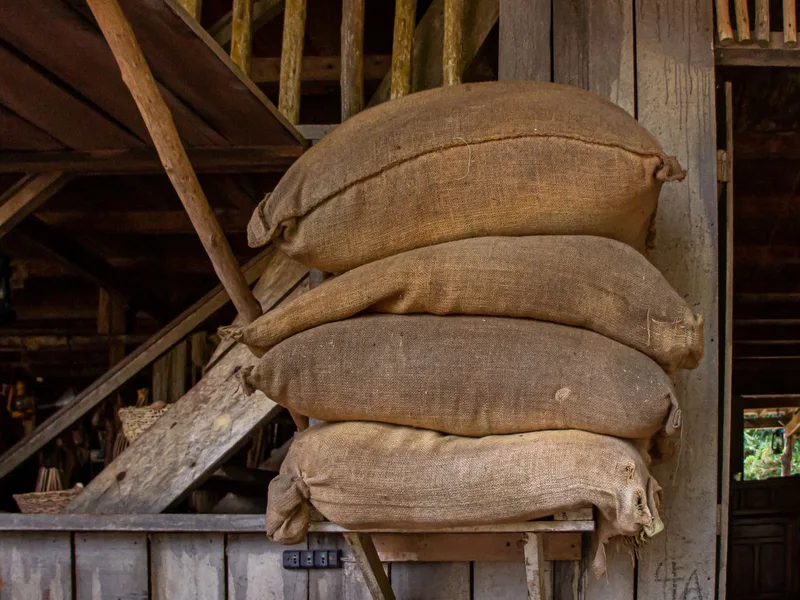
The feed store
Bags of feed and dry goods left in corners attract rodents and insects throughout the storage season.
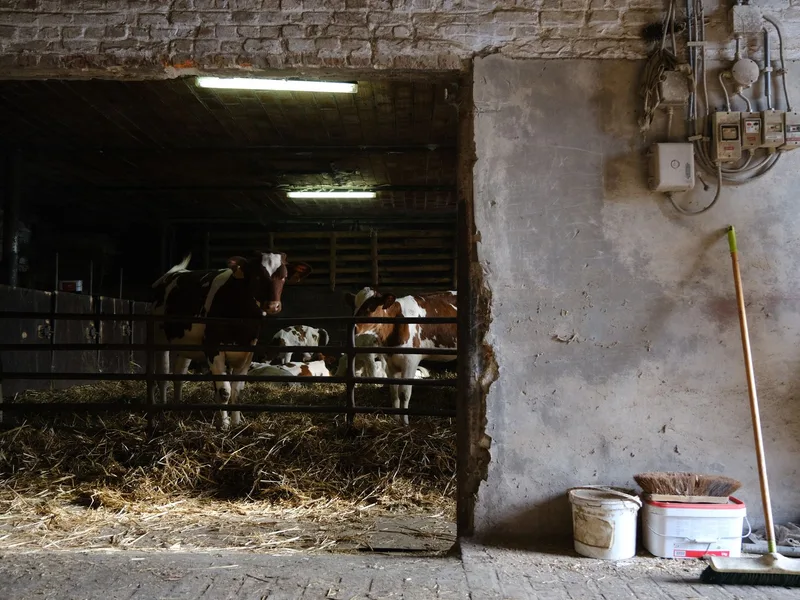
Pens and bedding
Stacks of wet fertiliser bags provide continuous food and shelter for rodents and insects.
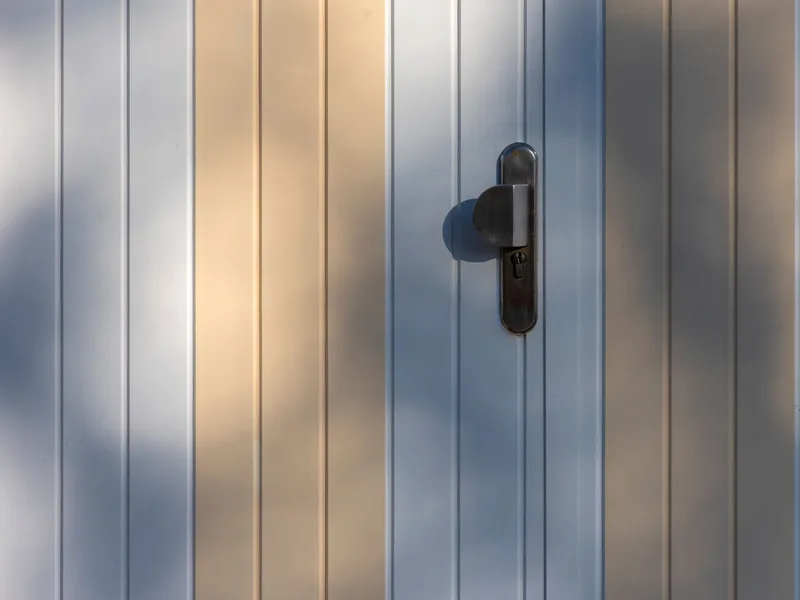
The building that stays shut
Enclosed dark wet spaces round drain openings give insects their perfect breeding environment.
How we work
-
1
Walk the site and number the points
We walk the boundary, the feed store, the pens, the water sources and the buildings, record the species present, the burrows, the entry points and every standing water source, and number the monitoring positions on a plan.
-
2
Lift what things hide under
The piles, the rubble, the fallen dates, the feed sacks pushed up against the wall. On any large plot these gather simply because there is room for them, and clearing them brings the numbers down before a single product is used.
-
3
The perimeter band and targeted treatment
A band at the foot of the wall and the buildings, treatment into the burrows and cracks, locked rodent stations fixed along the route, and mosquito breeding sites treated in the water itself.
-
4
Scheduled visits and a sheet each time
We come back on an agreed schedule, read the same points, renew the band the sun and the irrigation have used up, and write down what was found, what was applied and where, and what the site needs closed.
What the rest house and farm programme includes
-

A site walk and a map of the points
The boundary, the buildings, the pens and the water sources, and a plan with the monitoring positions numbered before anything is installed.
-

Water sources treated at the source
Drinking troughs, drip lines, tank outlets and anything that stands for days, because mosquitoes come out of water and not out of the air.
-

A treated band at the perimeter
The foot of the wall, the building bases and the path edges, which is the line anything coming off the open ground has to cross.
-

Locked rodent stations
Fixed and numbered along one route, and closed so that neither a child's hand nor an animal on the site can get into them.
-

What the site does afterwards
What to cover, where to move animal water bowls, when irrigation can start again without washing the band off, and the ventilation time, which we give you on the call because it changes with the product and the space.
-

Scheduled visits and a record
A schedule agreed ahead of the seasons, the same points read every time, and a record of what was found, what was treated and what is still open.
What is different about South Sub-Municipality
The South sub municipality runs from the edge of Old Makkah Road down to Al Khumrah and the southern corniche. Dense residential districts sit beside new subdivisions such as Al Sanabil and Al Taawun, warehouse fringes such as Al Saruriyah and Al Sarawat, and an old seaside settlement at Al Quzayn. Open stormwater channels cross the housing, and the warehouses, the vegetable and livestock markets and the nearby Islamic Port and Industrial City give pests shelter, food and year round humidity. Pressure is greatest in the older quarters, where drainage networks are ageing.
Questions about this district
The market opens every day. Can regular treatment protect us from rats and flies?
Regular treatment is necessary but alone insufficient. The market also needs thorough daily cleaning, immediate waste disposal, and barriers round all entrances.
We stack goods on the warehouse floor. Do rats climb up from below?
Yes, rats climb directly from the ground up through stacked goods. All goods must be raised onto shelving with clear space between them and every wall.
A small pool forms beside the warehouse after rain. Does this attract mosquitoes?
Yes, any standing water draws mosquitoes within days. Standing water must drain immediately, or the pool treated with a mosquito killer safe for food storage areas.
Flies from the neighbouring market spread into our warehouse. How do we protect it?
Screens and closed doors alone do not work. We treat the warehouse perimeter and install fly traps at all entrances.
The medical complex is next to us. Do pests from the market reach it?
Yes, insects do not distinguish between a warehouse and a medical complex. Cooperation with the complex on treating the shared perimeter is essential.
Is there a worse season for pests in Al Saruriyah?
Hot summer drives up insect and mosquito breeding rates. Winter is less intense but rodents remain active. The programme needs intensification in summer months.
How much does rest houses and farms in Al Saruriyah cost?
It is set after the inspection, because the price follows the type of infestation, the size of the space, how far it has spread and the number of visits it needs. Send a photo and a description on WhatsApp and we will give you an estimate before we reach Al Saruriyah.
Nearby districts we cover
Other services in Al Saruriyah
Other services we provide to residents of Al Saruriyah.
-
 Residential
Cockroach control
Residential
Cockroach control
-
 Residential
Bed bug control
Residential
Bed bug control
-
 Residential
Termite control
Residential
Termite control
-
 Residential
Rodents and mice
Residential
Rodents and mice
-
 Residential
Mosquito control
Residential
Mosquito control
-
 Residential
Fly control
Residential
Fly control
-
 Residential
Ant control
Residential
Ant control
-
 Residential
Gecko control
Residential
Gecko control
-
 Residential
Scorpion control
Residential
Scorpion control
-
 Residential
Snake control
Residential
Snake control
-
 Residential
Flea control
Residential
Flea control
-
 Residential
Bird and pigeon control
Residential
Bird and pigeon control
-
 Residential
Preventive treatment
Residential
Preventive treatment
-
 Residential
Disinfection
Residential
Disinfection
-
 Commercial
Annual contracts
Commercial
Annual contracts
-
 Commercial
Restaurants and cafes
Commercial
Restaurants and cafes
-
 Commercial
Hotels and apartments
Commercial
Hotels and apartments
-
 Commercial
Warehouses and factories
Commercial
Warehouses and factories
-
 Commercial
Schools and nurseries
Commercial
Schools and nurseries
-
 Commercial
Retail and malls
Commercial
Retail and malls
-
 Commercial
Fumigation
Commercial
Fumigation
-
 Water tanks
Water tank cleaning
Water tanks
Water tank cleaning
-
 Water tanks
Water tank sterilization
Water tanks
Water tank sterilization
-
 Water tanks
Water tank sealing
Water tanks
Water tank sealing
-
 Water tanks
Tank leak repair
Water tanks
Tank leak repair
Need rest houses and farms in Al Saruriyah? Tell us what you saw and we will tell you what it needs
We reach Al Saruriyah at a time we agree, and you get the full cost before we start.