
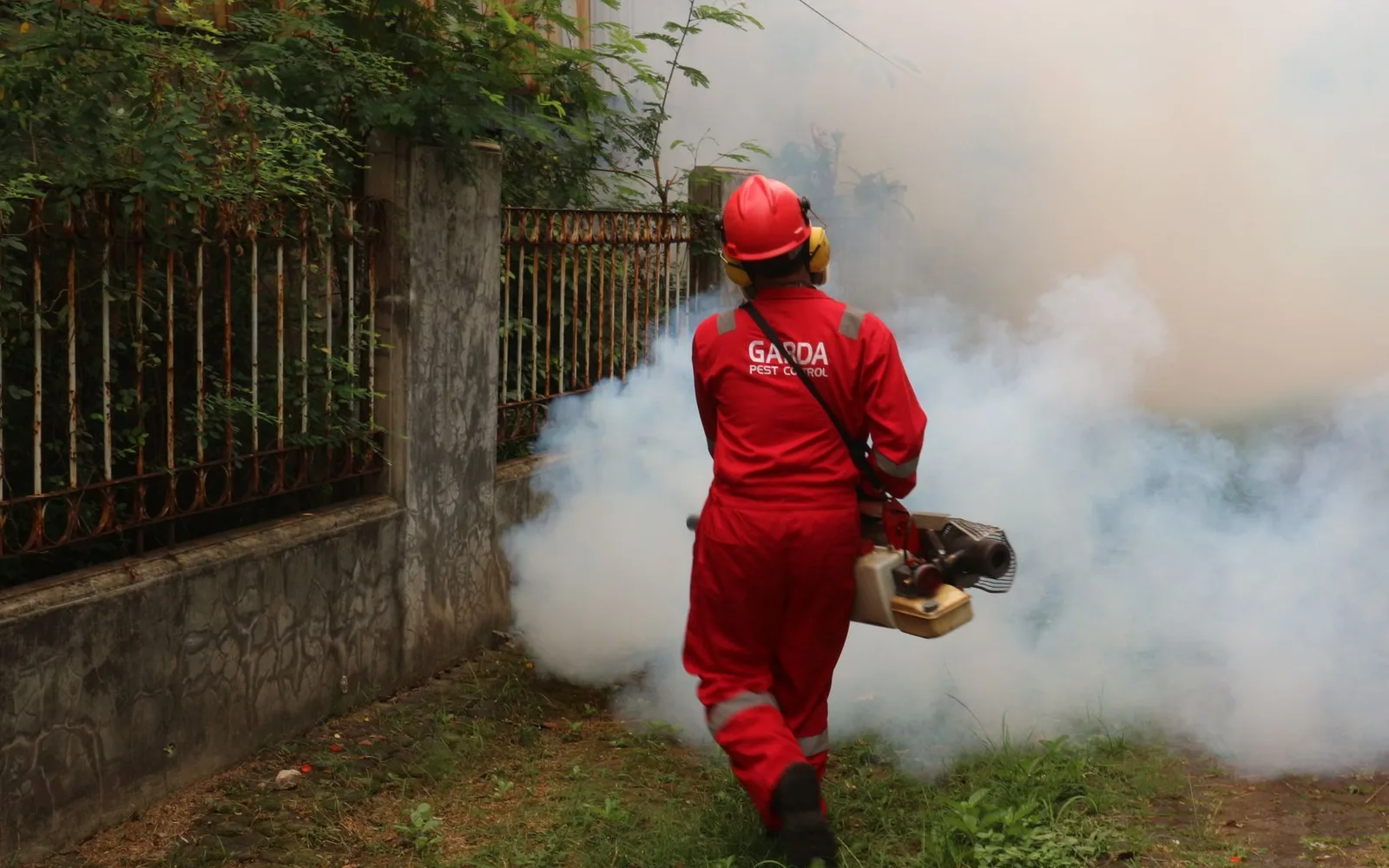
Rest houses and farms in Al Taqwa Makkah
Al Taqwa is a new development district south of Al Misfalah around Qawz Al Nakasah, with building work on a steep hillside and vacant plots between homes and new schemes, and rest houses and farms here face different pressure: water and floods from steep slopes, and pests migrating from vacant ground and ongoing construction sites.
-
Targeted, not broadcast
Product goes into cracks and runways, never sprayed across open surfaces.
-
Told before we start
What we will use, where it goes, and what to cover or move before we arrive.
-
A follow-up visit
We return after the first treatment, because what survives it does not show on the day.
-
Homes and businesses
Apartments and villas, and kitchens and stores that need a record of each visit.
Why they keep coming back in Al Taqwa
Vacant ground and excavations from ongoing work provide natural pest shelters waiting to migrate into new buildings. The method is set out in full on how we approach Rest houses and farms.
Floods from slopes bring water and pests
The district sits on a steep slope and floods cascade down from the hills through Al Taqwa Street. Water collects around new footings and draws water loving pests and mosquitoes. New rest houses need protection from floods and standing water. We focus on drainage and drying the area around new footings.
Vacant ground and ongoing construction flush pests
Vacant ground and excavations from building work host natural pest colonies. New buildings and rest houses become attractive targets for pests migrating from this open ground. We focus on barriers, entry points and protection from migrating pests.
Ongoing development means changing environment and new pests
The area is under continuous development and construction, and the environment changes constantly. Each building phase brings new pest types. The programme must be flexible and adapt to shifting environmental conditions.
Al Taqwa on the map
Al Taqwa sits about 1.5 km from Al Misfalah and about 2.5 km from Kudai.
Open in Google MapsThe site decides the shape of the programme
A newly developed district south of Al Misfalah, ongoing construction on the slope, vacant plots between homes, old informal settlement cleared, Al Taqwa Street as the main artery.
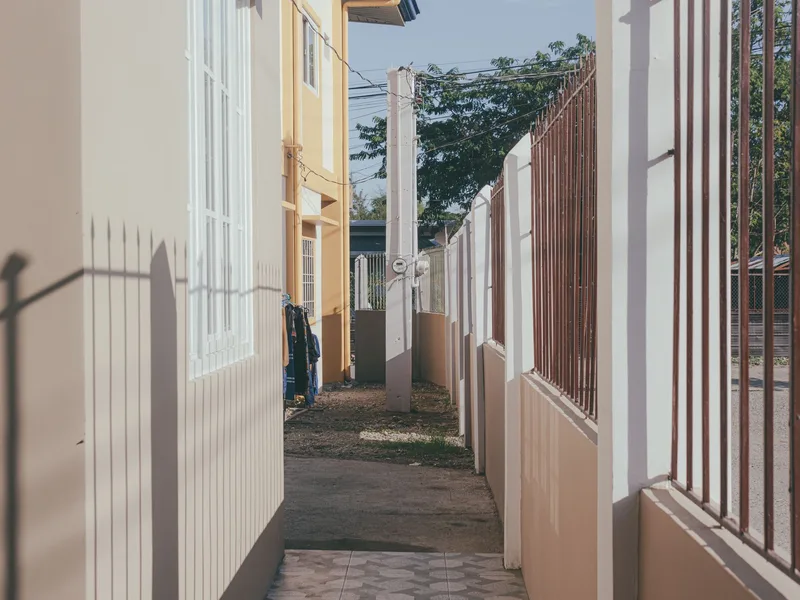
The foot of the wall
The wall in Al Taqwa sits on a slope and the treatment band must protect against floods and water running down from above. We focus on drainage and preventing water pooling around footings.
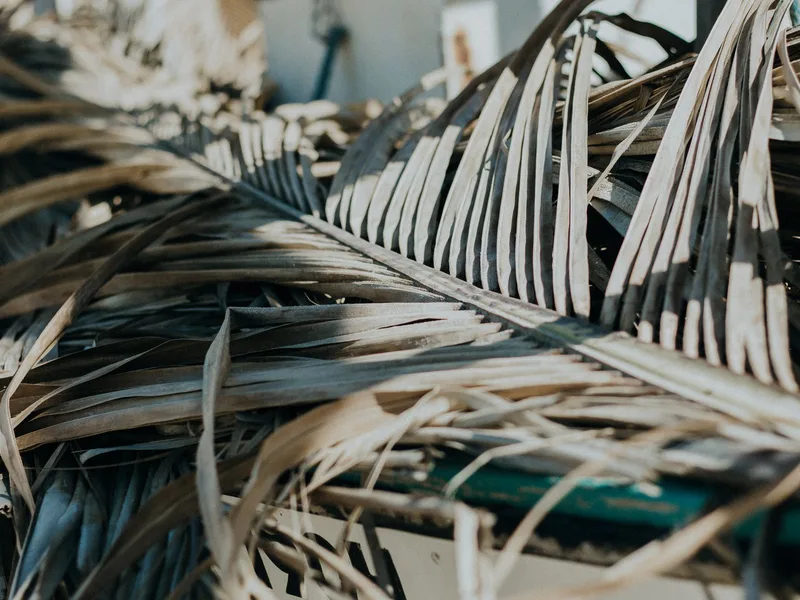
Frond and block piles
Material heaps and blocks from ongoing building hide pests. We move and remove all heaps and dry ground around the rest house.
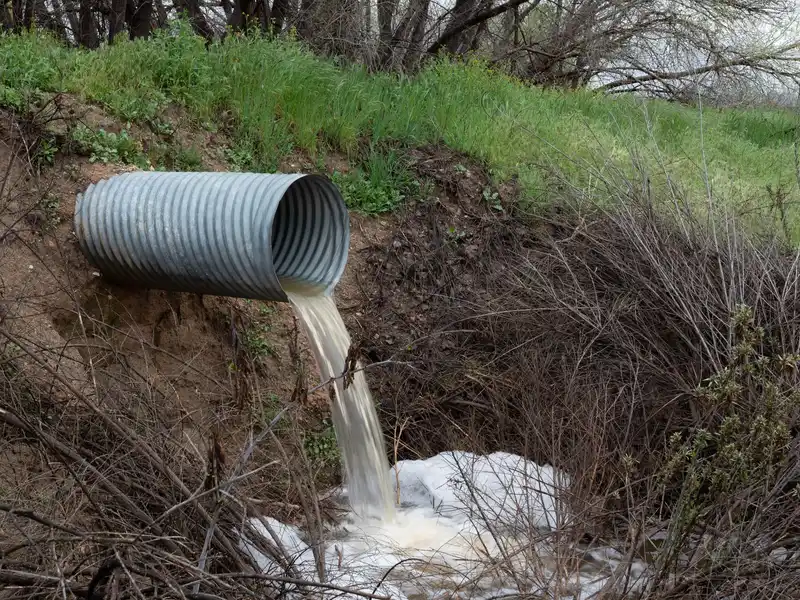
Standing water
Standing water comes from floods, rain and newly laid drainage not yet stable. Every low spot needs immediate assessment and drainage.
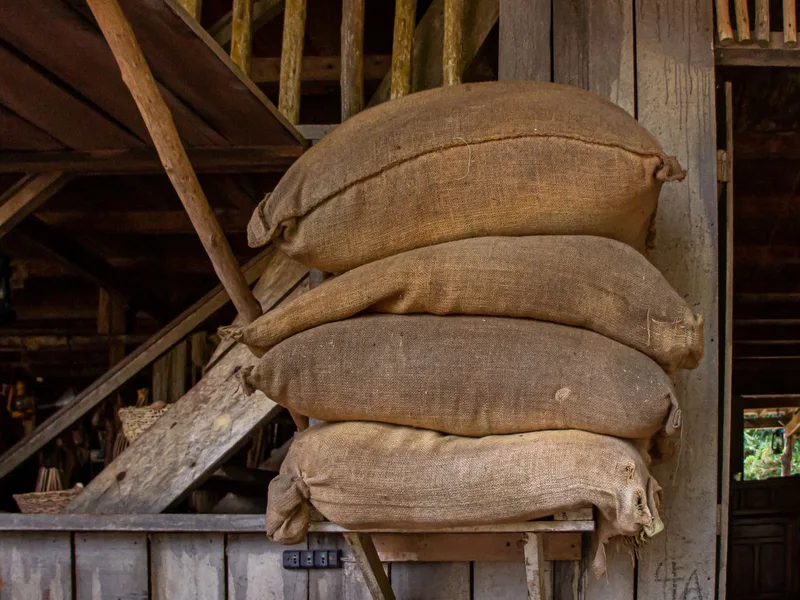
The feed store
The store in a new rest house may be empty but we inspect it before use. Gaps around doors, windows and footings need treatment.
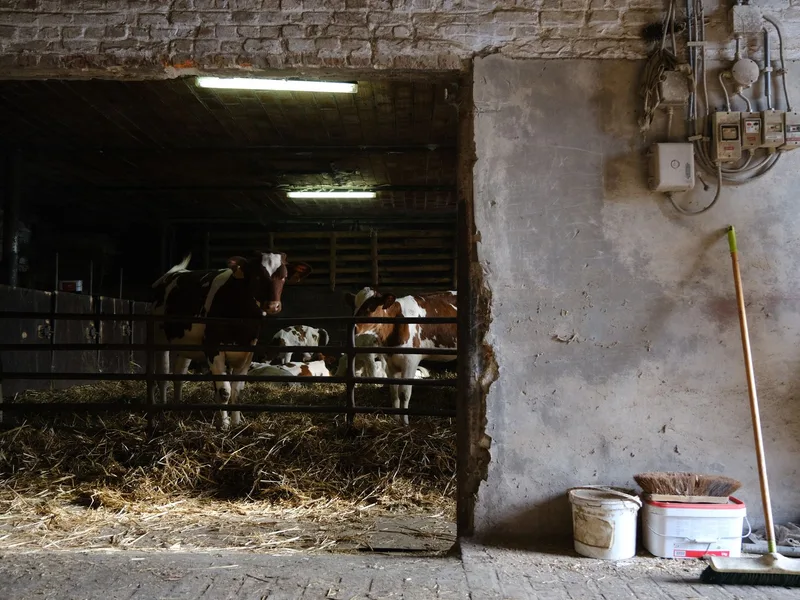
Pens and bedding
Small pens, if planned, need protection from the start. Footings, doors and gaps are treated during construction itself.
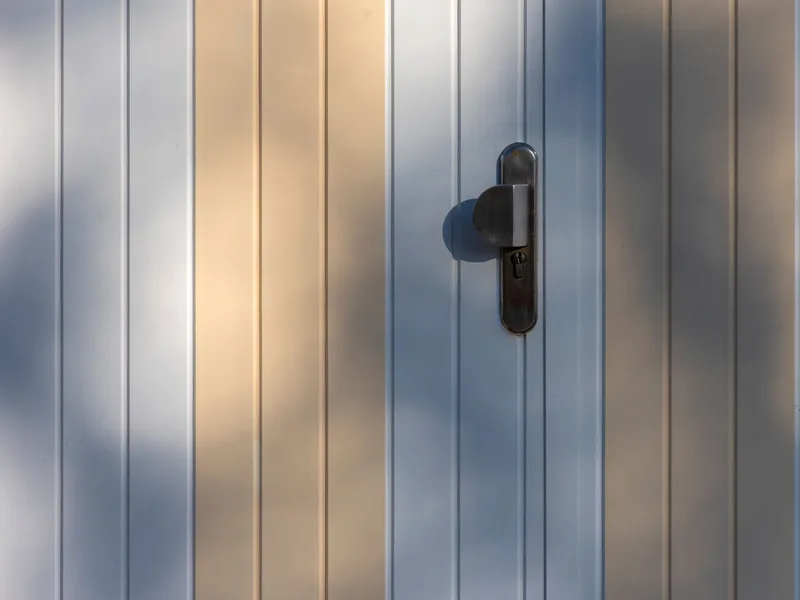
The building that stays shut
Closed rooms in new buildings may be offices or stores. We treat cracks and cavities inside and outside because new footings may contain voids.
How we work
-
1
Walk the site and number the points
We walk the boundary, the feed store, the pens, the water sources and the buildings, record the species present, the burrows, the entry points and every standing water source, and number the monitoring positions on a plan.
-
2
Lift what things hide under
The piles, the rubble, the fallen dates, the feed sacks pushed up against the wall. On any large plot these gather simply because there is room for them, and clearing them brings the numbers down before a single product is used.
-
3
The perimeter band and targeted treatment
A band at the foot of the wall and the buildings, treatment into the burrows and cracks, locked rodent stations fixed along the route, and mosquito breeding sites treated in the water itself.
-
4
Scheduled visits and a sheet each time
We come back on an agreed schedule, read the same points, renew the band the sun and the irrigation have used up, and write down what was found, what was applied and where, and what the site needs closed.
What the rest house and farm programme includes
-

A site walk and a map of the points
The boundary, the buildings, the pens and the water sources, and a plan with the monitoring positions numbered before anything is installed.
-

Water sources treated at the source
Drinking troughs, drip lines, tank outlets and anything that stands for days, because mosquitoes come out of water and not out of the air.
-

A treated band at the perimeter
The foot of the wall, the building bases and the path edges, which is the line anything coming off the open ground has to cross.
-

Locked rodent stations
Fixed and numbered along one route, and closed so that neither a child's hand nor an animal on the site can get into them.
-

What the site does afterwards
What to cover, where to move animal water bowls, when irrigation can start again without washing the band off, and the ventilation time, which we give you on the call because it changes with the product and the space.
-

Scheduled visits and a record
A schedule agreed ahead of the seasons, the same points read every time, and a record of what was found, what was treated and what is still open.
Landmarks of Al Taqwa
Work in Al Taqwa centres on Al Taqwa Street from the east and Qawz Al Nakasah from the west, with steep slopes to the north, and Jabal Sharaf and Ibrahim Al Khalil Street mark access and treatment routes. Areas surrounding ongoing construction work determine barrier priorities and treatment sequencing around this geographic axis.
- Al Taqwa Street
- Qawz Al Nakasah
- Ibrahim Al Khalil Street
- Jabal Sharaf
Questions about this district
The slope is steep and floods run straight down to the rest house. What do we do?
Floods bring water and pests. We focus on drainage around footings and raising soil around the wall and metal barriers to stop water entering.
Vacant ground around the rest house. When does building start there?
Vacant ground hosts temporary pest colonies. We focus on barriers and entry points and blocking entry routes even if building begins on neighbouring plots.
The district is new and municipal drainage is still under construction?
New drainage may take time to stabilise. We focus on draining water from around the rest house and barriers around footings while waiting for the drainage network to complete.
Which direction do pests come from here?
Pests come from vacant ground, slopes and water from floods. We focus on equal protection from all directions with barriers and water defence.
Al Taqwa Street has a popular market. Does it export pests?
The street market may leave food scraps and waste. We focus on protecting the rest house boundary with strong barriers and cleaning food waste around the rest house.
Are new rest houses best protected from the start?
Yes. New rest houses must be protected from the beginning before pests establish. Strong preventive treatment during construction matters more than later remedy.
How much does rest houses and farms in Al Taqwa cost?
It is set after the inspection, because the price follows the type of infestation, the size of the space, how far it has spread and the number of visits it needs. Send a photo and a description on WhatsApp and we will give you an estimate before we reach Al Taqwa.
Nearby districts we cover
Other services in Al Taqwa
Other services we provide to residents of Al Taqwa.
-
 Residential
Cockroach control
Residential
Cockroach control
-
 Residential
Bed bug control
Residential
Bed bug control
-
 Residential
Termite control
Residential
Termite control
-
 Residential
Rodents and mice
Residential
Rodents and mice
-
 Residential
Mosquito control
Residential
Mosquito control
-
 Residential
Fly control
Residential
Fly control
-
 Residential
Ant control
Residential
Ant control
-
 Residential
Gecko control
Residential
Gecko control
-
 Residential
Scorpion control
Residential
Scorpion control
-
 Residential
Snake control
Residential
Snake control
-
 Residential
Flea control
Residential
Flea control
-
 Residential
Bird and pigeon control
Residential
Bird and pigeon control
-
 Residential
Preventive treatment
Residential
Preventive treatment
-
 Residential
Disinfection
Residential
Disinfection
-
 Commercial
Annual contracts
Commercial
Annual contracts
-
 Commercial
Restaurants and cafes
Commercial
Restaurants and cafes
-
 Commercial
Hotels and apartments
Commercial
Hotels and apartments
-
 Commercial
Warehouses and factories
Commercial
Warehouses and factories
-
 Commercial
Schools and nurseries
Commercial
Schools and nurseries
-
 Commercial
Retail and malls
Commercial
Retail and malls
-
 Commercial
Fumigation
Commercial
Fumigation
-
 Water tanks
Water tank cleaning
Water tanks
Water tank cleaning
-
 Water tanks
Water tank sterilization
Water tanks
Water tank sterilization
-
 Water tanks
Water tank sealing
Water tanks
Water tank sealing
-
 Water tanks
Tank leak repair
Water tanks
Tank leak repair
Need rest houses and farms in Al Taqwa? Tell us what you saw and we will tell you what it needs
We reach Al Taqwa at a time we agree, and you get the full cost before we start.