
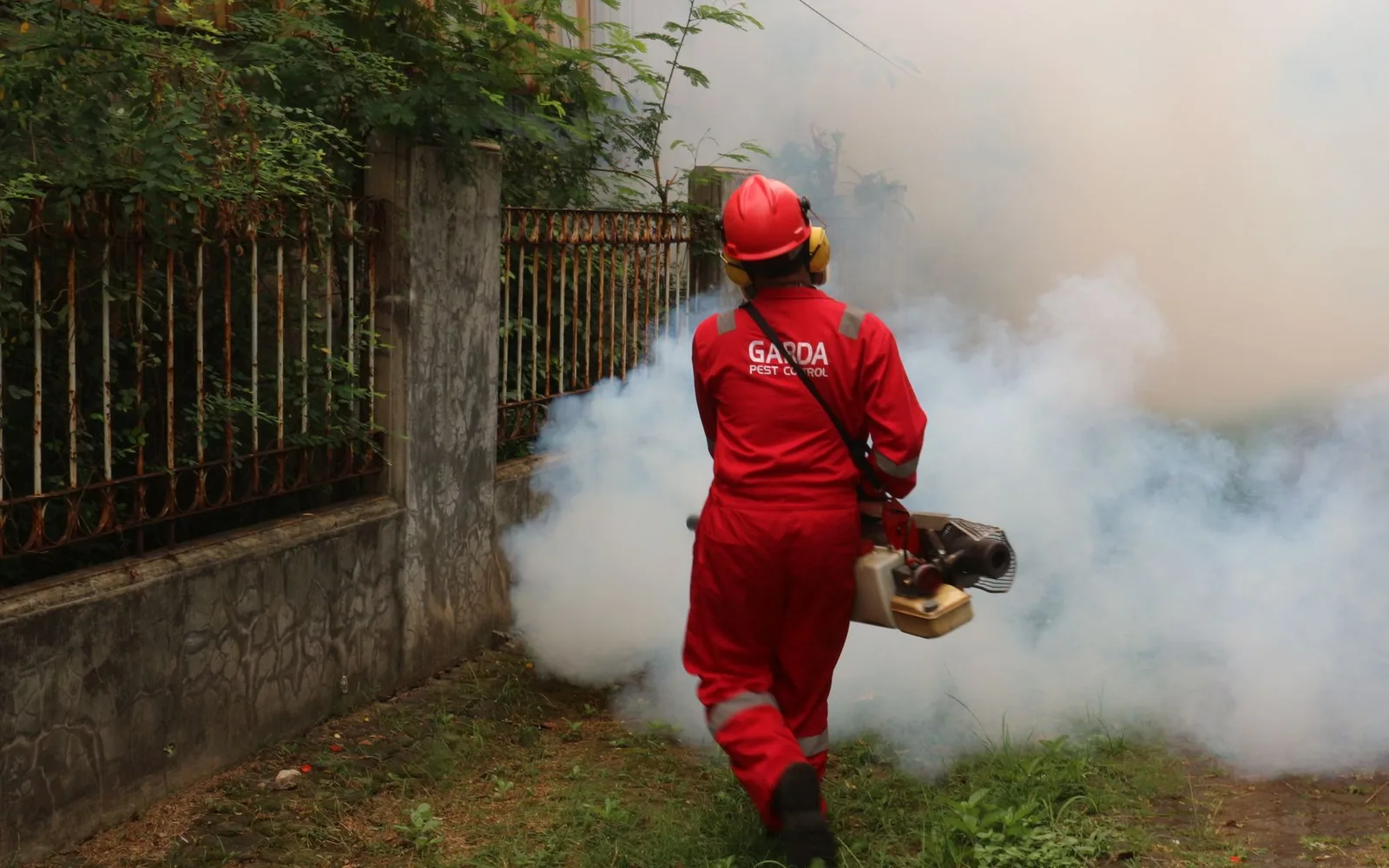
Rest houses and farms in Kudai Makkah
Kudai is an old, thinly settled commercial district south east of the Grand Mosque on the lower slopes of Jabal Khandamah, chosen as the site for seasonal coach and car parks. Pest pressure here does not come from residential crowding but from seasonal surges, large storage facilities and the drainage from the Zamzam water bottling project.
-
Targeted, not broadcast
Product goes into cracks and runways, never sprayed across open surfaces.
-
Told before we start
What we will use, where it goes, and what to cover or move before we arrive.
-
A follow-up visit
We return after the first treatment, because what survives it does not show on the day.
-
Homes and businesses
Apartments and villas, and kitchens and stores that need a record of each visit.
Why they keep coming back in Kudai
Hajj season brings thousands of buses and vehicles to the parks here, leaving behind food scraps, furniture and cargo. Insects spread rapidly through the small shops and storage facilities surrounding the parks. The method is set out in full on how we approach Rest houses and farms.
Seasonal surge and intense movement during Hajj season
Kudai receives thousands of visitors and seasonal goods traffic in a very short window. Buses and vehicles bring insects from many different regions. Shops and warehouses around the car parks receive massive food and furniture shipments. The Kudai programme focuses on preparing zones before Hajj season and protecting shops from pests hidden in incoming goods.
Open ground and uncontrolled water and drainage
Car parks and open spaces surround the hills, and water runs across open terrain without organised drainage. The Zamzam water project handles vast quantities of water and wastewater. High moisture and standing water create ideal conditions for mosquitoes and water-breeding pests. Treatment focuses on drainage channels and wet areas around the project.
Seasonal shops and storage hubs that empty and fill by calendar
Kudai Towers and small shops open and close by season. In season they fill with furniture, food and goods. Outside the tourist season many stay empty or locked. Pests shelter in these shops and storage facilities during dormant periods. The Kudai programme shifts with the season: intense treatment before Hajj, lighter monitoring during quiet periods.
Landmarks of Kudai
Work in Kudai is organised by the shop or hotel location relative to the Kudai car parks and Jabal Khandamah that surrounds the district. Visits start at the main coach parks and wet zones around the Zamzam water project, moving towards the towers and shops on Ajyad Street.
- Kudai Car Parks
- Zamzam Water Project
- Kudai Towers
- Kudai Ajyad Tunnel
- Jabal Khandamah
The site decides the shape of the programme
The district is spread across open ground with huge coach parks and uneven hillsides, the Zamzam industrial plant, and modern hotel towers, with drainage water running across open terrain and collecting in low zones.
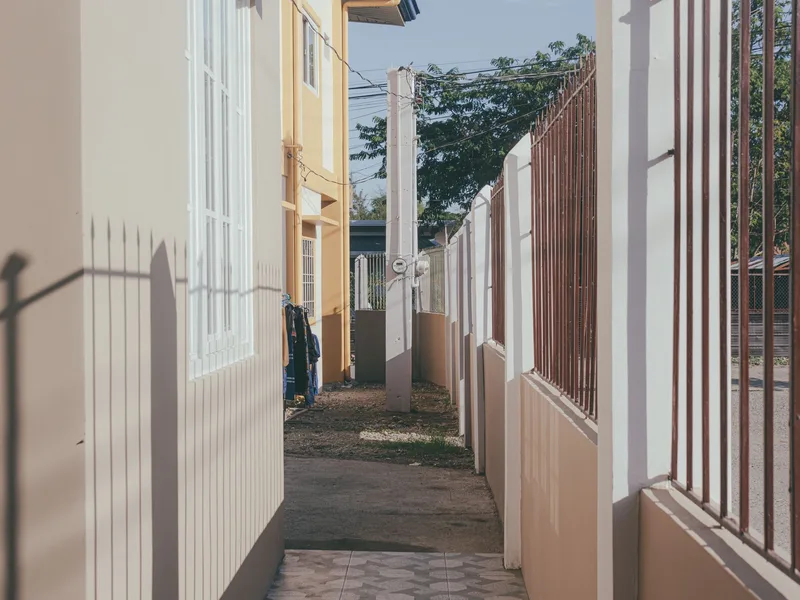
The foot of the wall
The car park foundations and gaps beneath buses and vehicles provide rat and insect shelters. Treatment focuses on these hidden zones under and between vehicles.
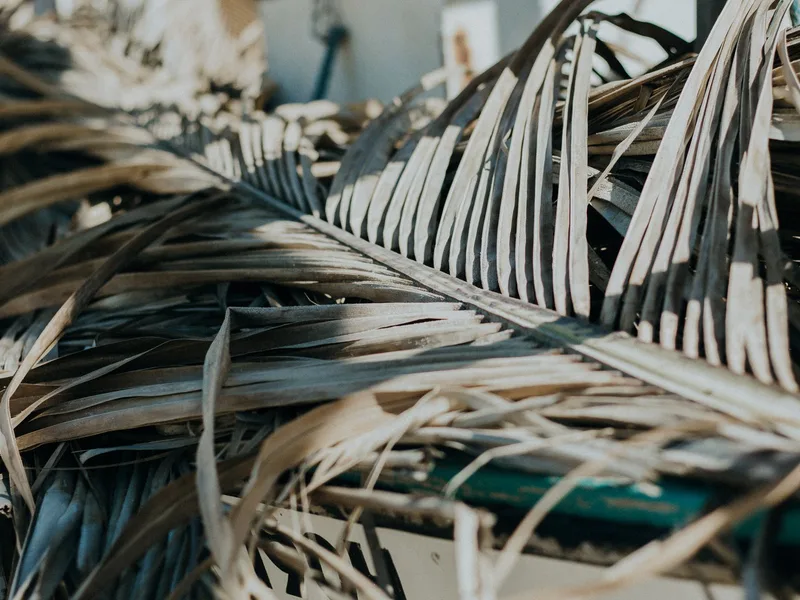
Frond and block piles
Seasonal stacks of goods, furniture and stored food attract rats and cockroaches. Clearing old stock and cleaning storage before the season restarts is essential.
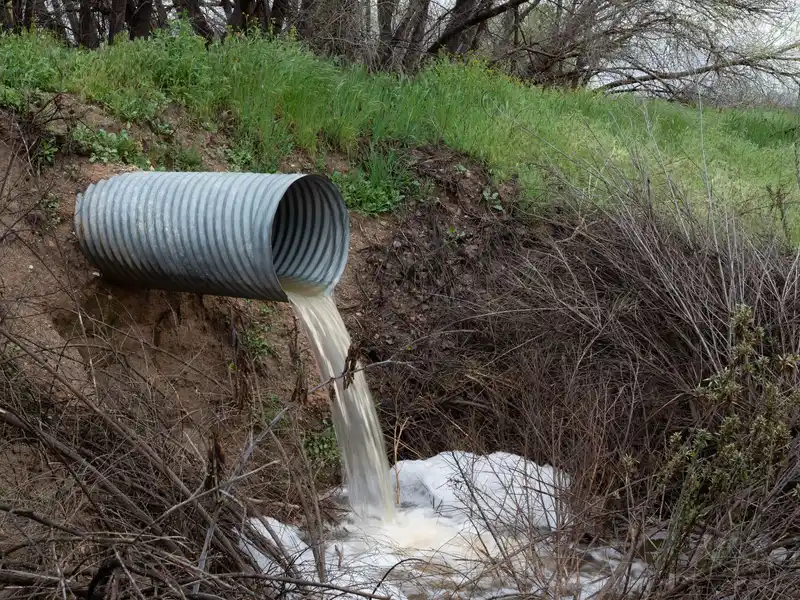
Standing water
Standing water around the Zamzam project and unmanaged drainage breeds mosquitoes and water insects. Treatment focuses on drainage channels and wet areas.
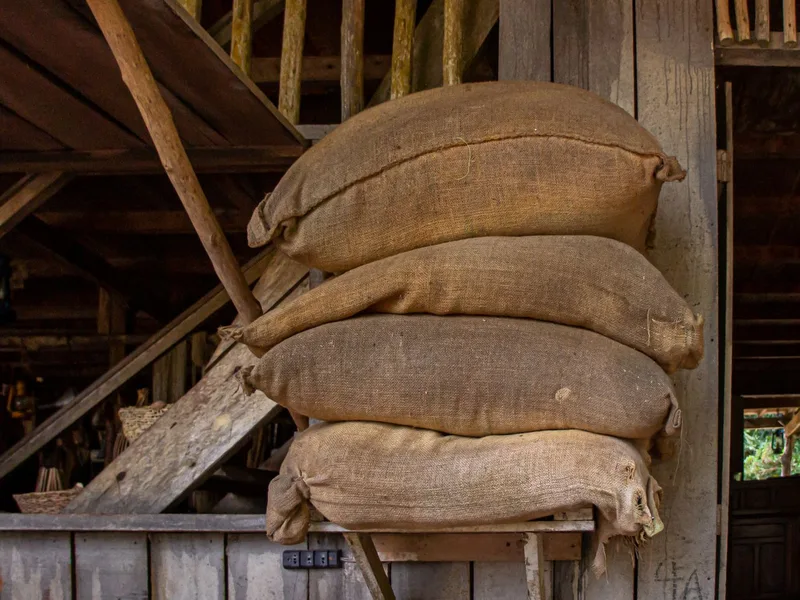
The feed store
Food and goods warehouses that fill seasonally provide pest nutrition. Visits focus on storage before new stock arrives.
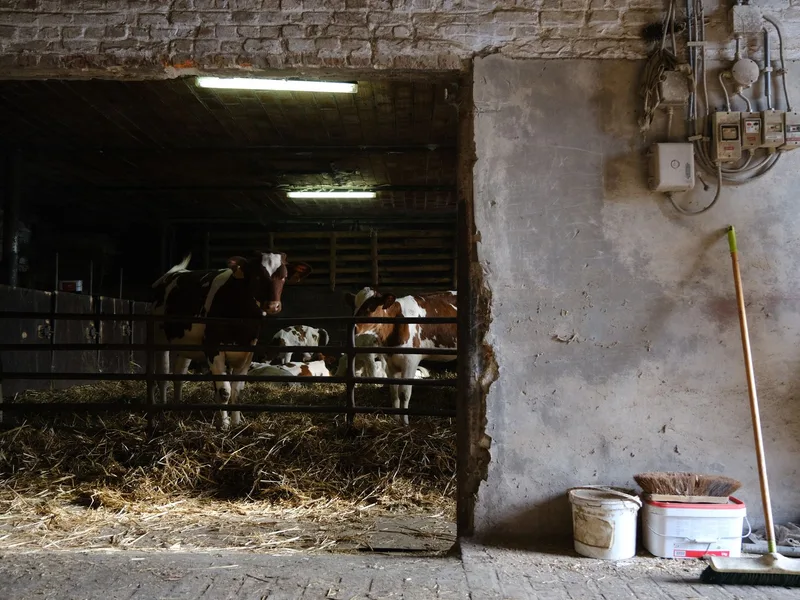
Pens and bedding
Open ground, coach rows and passages in the parks are pest highways. Treatment focuses on these open zones.
The building that stays shut
Locked and sealed shops outside season provide pest shelters. Close inspection and cleaning before season prevents insects from establishing before shops reopen.
How we work
-
1
Walk the site and number the points
We walk the boundary, the feed store, the pens, the water sources and the buildings, record the species present, the burrows, the entry points and every standing water source, and number the monitoring positions on a plan.
-
2
Lift what things hide under
The piles, the rubble, the fallen dates, the feed sacks pushed up against the wall. On any large plot these gather simply because there is room for them, and clearing them brings the numbers down before a single product is used.
-
3
The perimeter band and targeted treatment
A band at the foot of the wall and the buildings, treatment into the burrows and cracks, locked rodent stations fixed along the route, and mosquito breeding sites treated in the water itself.
-
4
Scheduled visits and a sheet each time
We come back on an agreed schedule, read the same points, renew the band the sun and the irrigation have used up, and write down what was found, what was applied and where, and what the site needs closed.
What the rest house and farm programme includes
-

A site walk and a map of the points
The boundary, the buildings, the pens and the water sources, and a plan with the monitoring positions numbered before anything is installed.
-

Water sources treated at the source
Drinking troughs, drip lines, tank outlets and anything that stands for days, because mosquitoes come out of water and not out of the air.
-

A treated band at the perimeter
The foot of the wall, the building bases and the path edges, which is the line anything coming off the open ground has to cross.
-

Locked rodent stations
Fixed and numbered along one route, and closed so that neither a child's hand nor an animal on the site can get into them.
-

What the site does afterwards
What to cover, where to move animal water bowls, when irrigation can start again without washing the band off, and the ventilation time, which we give you on the call because it changes with the product and the space.
-

Scheduled visits and a record
A schedule agreed ahead of the seasons, the same points read every time, and a record of what was found, what was treated and what is still open.
What is different about Al Misfalah Sub-Municipality
Al Misfalah sub municipality runs downhill from the south of the Grand Mosque through Al Misfalah, Kudai and Al Rawabi to Al Taqwa, Al Hindawiyah, Al Khalidiyah and Al Rusayfah at the third ring road. The northern end is old apartment blocks and pilgrim hotels with restaurants along Ibrahim Al Khalil Street and the huge coach parks at Kudai. The south and west are dense popular districts with countless small shops and unplanned hillside housing, some of it already cleared for redevelopment, giving way to orderly land grant schemes in Al Rusayfah beside the railway station.
Questions about this district
Buses and vehicles come from many regions. Do they carry insects and rodents with them?
Yes, buses and vehicles carry pests from different areas. Rats and cockroaches hide under buses and inside crew compartments. The huge Kudai parks provide shelter for pests between rows and under vehicle gaps. We focus on areas beneath and around the parks and the cleaning access holes.
The Zamzam water project produces large volumes and generates drainage. Does this breed mosquitoes?
Yes, large water projects attract mosquitoes directly. Standing water and unmanaged drainage around the project creates ideal mosquito breeding conditions. We coordinate with project management to control standing water and manage waste drainage. Treatment focuses on wet zones and channels around the plant.
Seasonal shops stay closed for months. Do insects shelter inside them?
Yes, shops sealed for long periods become ideal rat and cockroach shelters. Inspection and cleaning before season opens is essential. We focus on cracks, openings and dark areas inside the shop. Pre opening treatment stops pests settling in before business restarts.
How often do we need visits during Hajj season versus outside it?
The Kudai programme shifts by season. Before Hajj season we run intensive visits weekly for one month to prepare zones. During the season we may increase frequency as needed. Outside season visits drop to monthly monitoring of any remaining pests.
New Kudai Towers stand next to old car parks. Is pest pressure higher on the hotel towers?
Yes, the new towers next to car parks and open ground experience higher pressure than buildings far from the parks. Mosquitoes and water breeding pests climb from wet zones into the tower levels. Hotels in the towers need exterior treatment in the zones surrounding the building.
How do we protect shops from insects hidden in new goods arriving for the season?
Inspection on arrival is essential. We focus on unloading access points, entries and temporary storage zones. Pre arrival treatment reduces the risk of hidden insects entering. Staff training to spot and report pests early speeds up control response.
How much does rest houses and farms in Kudai cost?
It is set after the inspection, because the price follows the type of infestation, the size of the space, how far it has spread and the number of visits it needs. Send a photo and a description on WhatsApp and we will give you an estimate before we reach Kudai.
Nearby districts we cover
Other services in Kudai
Other services we provide to residents of Kudai.
-
 Commercial
Annual contracts
-
 Commercial
Restaurants and cafes
-
 Commercial
Hotels and apartments
-
 Commercial
Warehouses and factories
Need rest houses and farms in Kudai? Tell us what you saw and we will tell you what it needs
We reach Kudai at a time we agree, and you get the full cost before we start.