
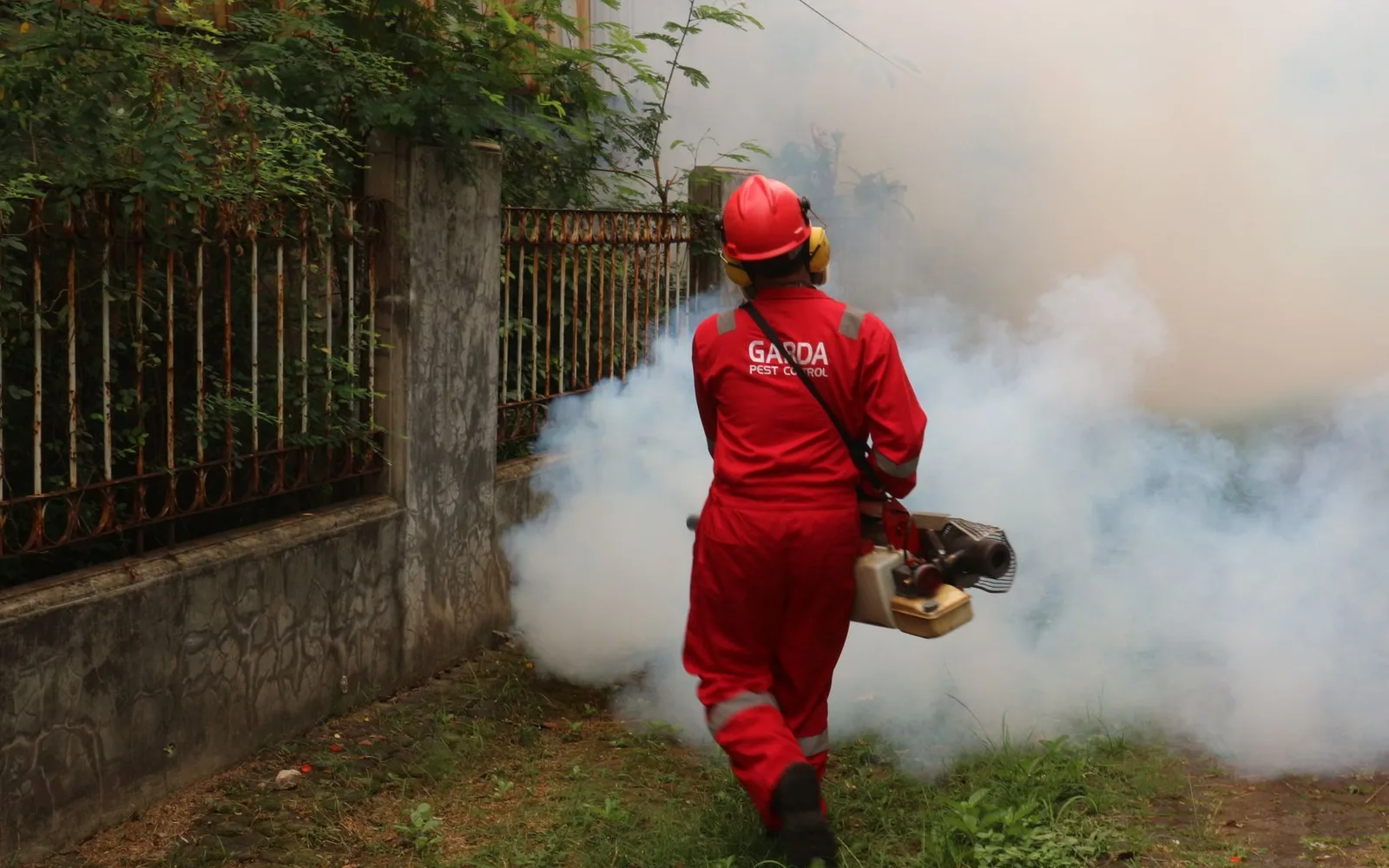
Rest houses and farms in North Obhur Jeddah
Rest houses and resorts along North Obhur's seafront face relentless pressure from salt-air insects and rodents flowing in from the beach and vacant ground. High humidity year round speeds mosquito and fly breeding, and sea salt weakens standard pesticide adhesion. The programme begins at the outer wall and covers all surrounding piles and structures.
-
Targeted, not broadcast
Product goes into cracks and runways, never sprayed across open surfaces.
-
Told before we start
What we will use, where it goes, and what to cover or move before we arrive.
-
A follow-up visit
We return after the first treatment, because what survives it does not show on the day.
-
Homes and businesses
Apartments and villas, and kitchens and stores that need a record of each visit.
Why they keep coming back in North Obhur
Beachfront rest houses show seasonal insect activity that shifts with tides and salt wind carry, altering the timing and strength of visits needed to stay ahead of pressure. The method is set out in full on how we approach Rest houses and farms.
Sea breezes carry eggs and adult insects inland
Salt air and coastal winds deliver insect species from the sea and neighbouring beaches that do not occur in inland districts. Larvae and pupae travel both by land and sea, meaning the treatment cycle here must be stronger and more frequent than interior programmes to cut off incoming generations.
Fresh and brackish water create different breeding niches
Irrigation from wells mixes with salt seep at shallow depth, and coastal plants hold moisture constantly. Mosquitoes breeding in fresh water differ from those breeding in brackish conditions; each type requires separate targeting and timing.
Irrigated gardens on sand compress pests at the wall base
Coastal sand drains quickly, yet regular irrigation keeps the soil damp. Scorpions, centipedes and rodents shelter at the wall foot where damp sand meets foundations, concentrating there. This calls for intensive treatment of the wall band and the first metre into the garden.
Landmarks of North Obhur
The rest house position near North Obhur Beach and Sharm Obhur determines where pests enter your property and where coastal pressure peaks. Our programme covers the entire perimeter from the shoreline through the garden interior, tracking new arrivals flowing in from the water channels and dune systems.
- Sharm Obhur
- North Obhur Beach
- Prince Abdullah Al Faisal Street
- Jeddah Tower
- Jeddah Economic City
The site decides the shape of the programme
The northern coastal location keeps humidity high throughout the year. Irrigated green space in villas and resorts retains water, and Wadi Obhur and vacant plots between buildings give rodents and reptiles year round shelter.
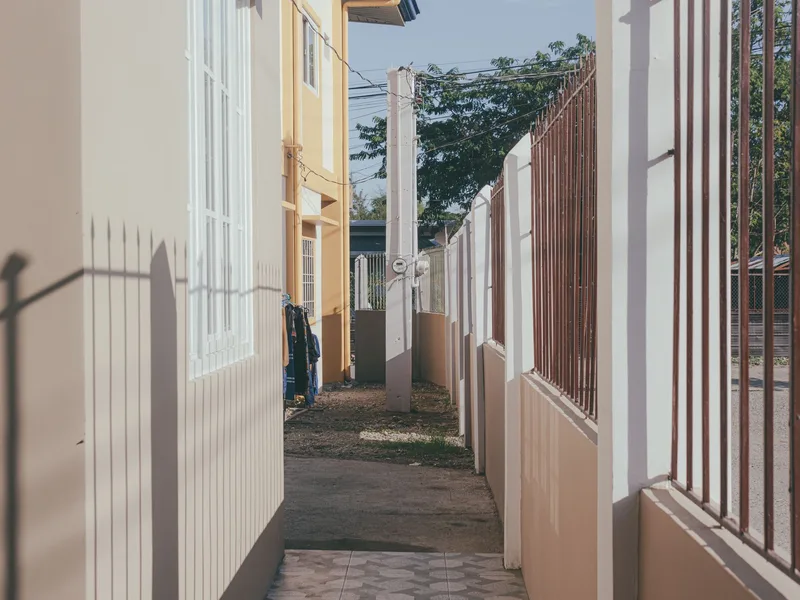
The foot of the wall
The coastal wall erodes under salt and wind and holds small unseen cracks. Treatment starts at the base where wall meets ground, the sheltering line where scorpions sit and feed.
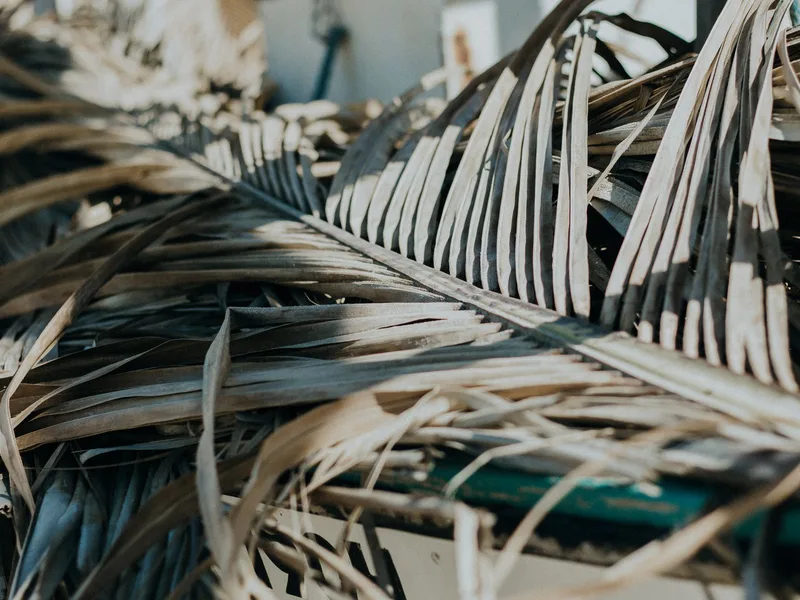
Frond and block piles
Fronds from irrigated date palms and discarded block piles offer perfect shelter for scorpions, centipedes and rodents; soil moisture beneath them stays high from constant watering.
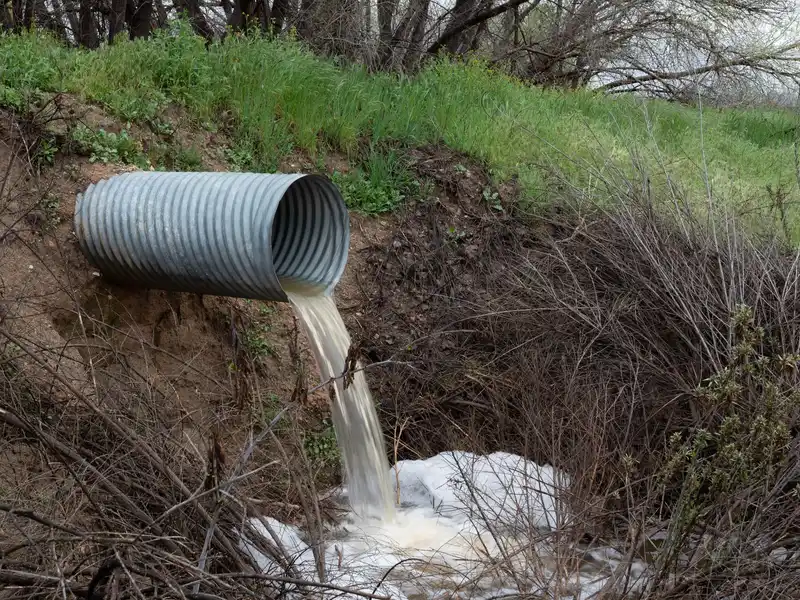
Standing water
Standing water in irrigated gardens drains slowly into coastal sand, creating week long mosquito breeding pockets. Every low spot around the wall produces new generations in rotation.

The feed store
Feed stores, if present, draw rodents from great distances. Humidity inside them creates ideal conditions for simultaneous insect and rodent colonies sharing the same space.
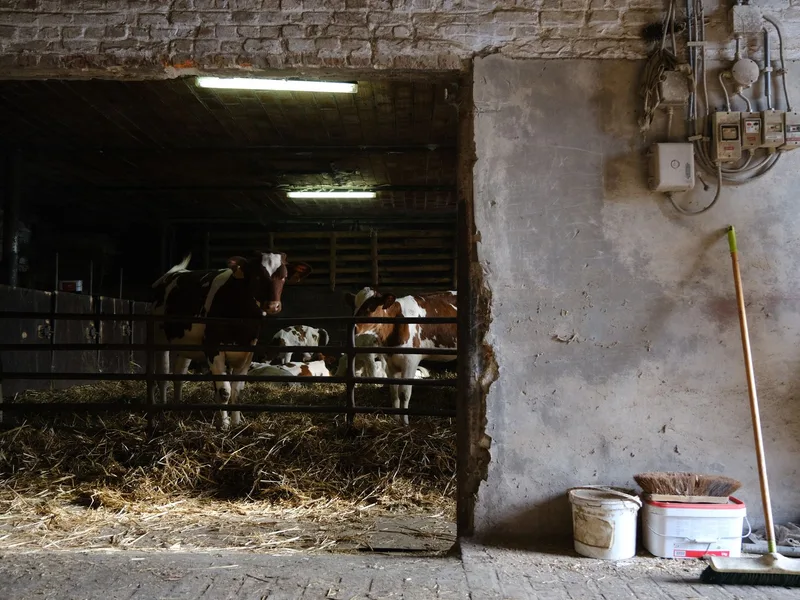
Pens and bedding
Pens and livestock areas need separate management because animals require open ventilation. We clean bedding and apply safe treatments before animals return to occupied pens.
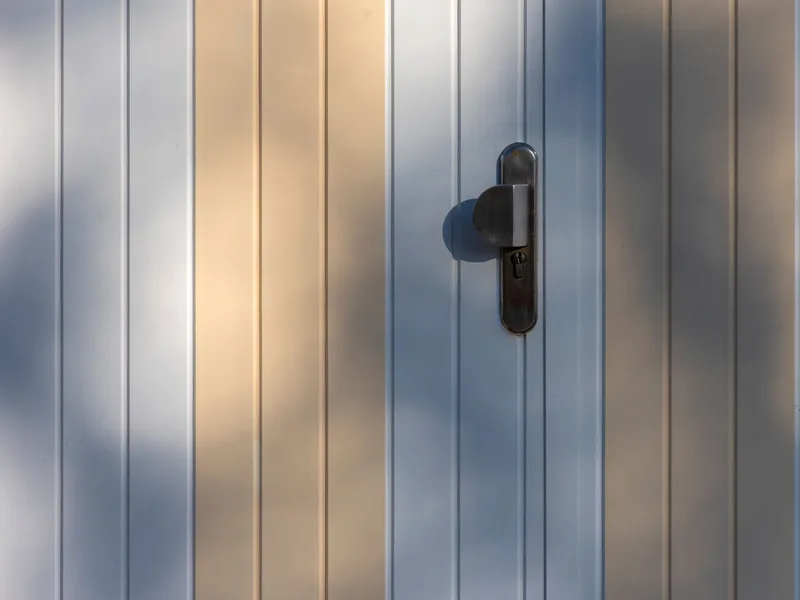
The building that stays shut
Sealed buildings in the rest house complex trap humid air that holds insects inside. Treatment targets gaps and cracks around doors and windows where trapped air escapes to the outside.
How we work
-
1
Walk the site and number the points
We walk the boundary, the feed store, the pens, the water sources and the buildings, record the species present, the burrows, the entry points and every standing water source, and number the monitoring positions on a plan.
-
2
Lift what things hide under
The piles, the rubble, the fallen dates, the feed sacks pushed up against the wall. On any large plot these gather simply because there is room for them, and clearing them brings the numbers down before a single product is used.
-
3
The perimeter band and targeted treatment
A band at the foot of the wall and the buildings, treatment into the burrows and cracks, locked rodent stations fixed along the route, and mosquito breeding sites treated in the water itself.
-
4
Scheduled visits and a sheet each time
We come back on an agreed schedule, read the same points, renew the band the sun and the irrigation have used up, and write down what was found, what was applied and where, and what the site needs closed.
What the rest house and farm programme includes
-

A site walk and a map of the points
The boundary, the buildings, the pens and the water sources, and a plan with the monitoring positions numbered before anything is installed.
-

Water sources treated at the source
Drinking troughs, drip lines, tank outlets and anything that stands for days, because mosquitoes come out of water and not out of the air.
-

A treated band at the perimeter
The foot of the wall, the building bases and the path edges, which is the line anything coming off the open ground has to cross.
-

Locked rodent stations
Fixed and numbered along one route, and closed so that neither a child's hand nor an animal on the site can get into them.
-

What the site does afterwards
What to cover, where to move animal water bowls, when irrigation can start again without washing the band off, and the ventilation time, which we give you on the call because it changes with the product and the space.
-

Scheduled visits and a record
A schedule agreed ahead of the seasons, the same points read every time, and a record of what was found, what was treated and what is still open.
What is different about Dhahban Sub-Municipality
Dhahban sub municipality is the northern coastal strip of Jeddah, running from the north bank of Sharm Obhur up to the old village of Dhahban and Salman Bay. Its districts are recently built, with owner occupied villas and apartments, beach resorts and chalets on the shore, and land subdivisions still being developed. Nearness to the sea keeps humidity high all year, irrigated lawns in villas, resorts and district parks hold water, Wadi Obhur and the vacant plots between buildings give rodents and reptiles shelter, and the old fishing village of Dhahban gives the far north a rural edge.
Questions about this district
Does sea salt reduce how long pesticides stick to the boundary wall?
Yes. Salt deposits interact with some formulations and weaken adhesion. We use salt tolerant treatments and wash the wall of salt accumulation before application, then monitor more closely through the salt season.
The beach is metres away. Does this mean more frequent visits than inland rest houses?
Significantly more. Beachfront properties require visits at least double the frequency, especially in warm months when breeding rates are far higher than in urban districts miles inland.
Are coastal mosquitoes and flies different from city species and do they need different treatment?
Many mosquito species are confined to coastal habitats and require different control methods. Coastal flies also have faster life cycles and higher seasonal concentration, especially in summer.
The adjacent vacant land and shore are owned by others. How do you contain pests coming from outside property boundaries?
We strengthen the wall and boundary defences and create a treated barrier zone that discourages crossing. This is more effective than attempting to control land you do not own.
The year round high humidity must mean weekly visits instead of monthly, surely?
Not necessarily. Visit frequency depends on the pest species present, what arrives from the sea, the wall condition and the garden stock. We calculate this precisely for each property.
Can you treat the beach itself in front of the rest house or is that outside the programme?
The beach itself lies outside the programme, but we focus intensely on the transition zone where beach meets property, which is where arriving and departing pests concentrate.
How much does rest houses and farms in North Obhur cost?
It is set after the inspection, because the price follows the type of infestation, the size of the space, how far it has spread and the number of visits it needs. Send a photo and a description on WhatsApp and we will give you an estimate before we reach North Obhur.
Other services in North Obhur
Other services we provide to residents of North Obhur.
-
 Residential
Cockroach control
Residential
Cockroach control
-
 Residential
Bed bug control
Residential
Bed bug control
-
 Residential
Termite control
Residential
Termite control
-
 Residential
Rodents and mice
Residential
Rodents and mice
-
 Residential
Mosquito control
Residential
Mosquito control
-
 Residential
Fly control
Residential
Fly control
-
 Residential
Ant control
Residential
Ant control
-
 Residential
Gecko control
Residential
Gecko control
-
 Residential
Scorpion control
Residential
Scorpion control
-
 Residential
Snake control
Residential
Snake control
-
 Residential
Flea control
Residential
Flea control
-
 Residential
Bird and pigeon control
Residential
Bird and pigeon control
-
 Residential
Preventive treatment
Residential
Preventive treatment
-
 Residential
Disinfection
Residential
Disinfection
-
 Commercial
Annual contracts
Commercial
Annual contracts
-
 Commercial
Restaurants and cafes
Commercial
Restaurants and cafes
-
 Commercial
Hotels and apartments
Commercial
Hotels and apartments
-
 Commercial
Warehouses and factories
Commercial
Warehouses and factories
-
 Commercial
Schools and nurseries
Commercial
Schools and nurseries
-
 Commercial
Retail and malls
Commercial
Retail and malls
-
 Commercial
Fumigation
Commercial
Fumigation
-
 Water tanks
Water tank cleaning
Water tanks
Water tank cleaning
-
 Water tanks
Water tank sterilization
Water tanks
Water tank sterilization
-
 Water tanks
Water tank sealing
Water tanks
Water tank sealing
-
 Water tanks
Tank leak repair
Water tanks
Tank leak repair
Need rest houses and farms in North Obhur? Tell us what you saw and we will tell you what it needs
We reach North Obhur at a time we agree, and you get the full cost before we start.