
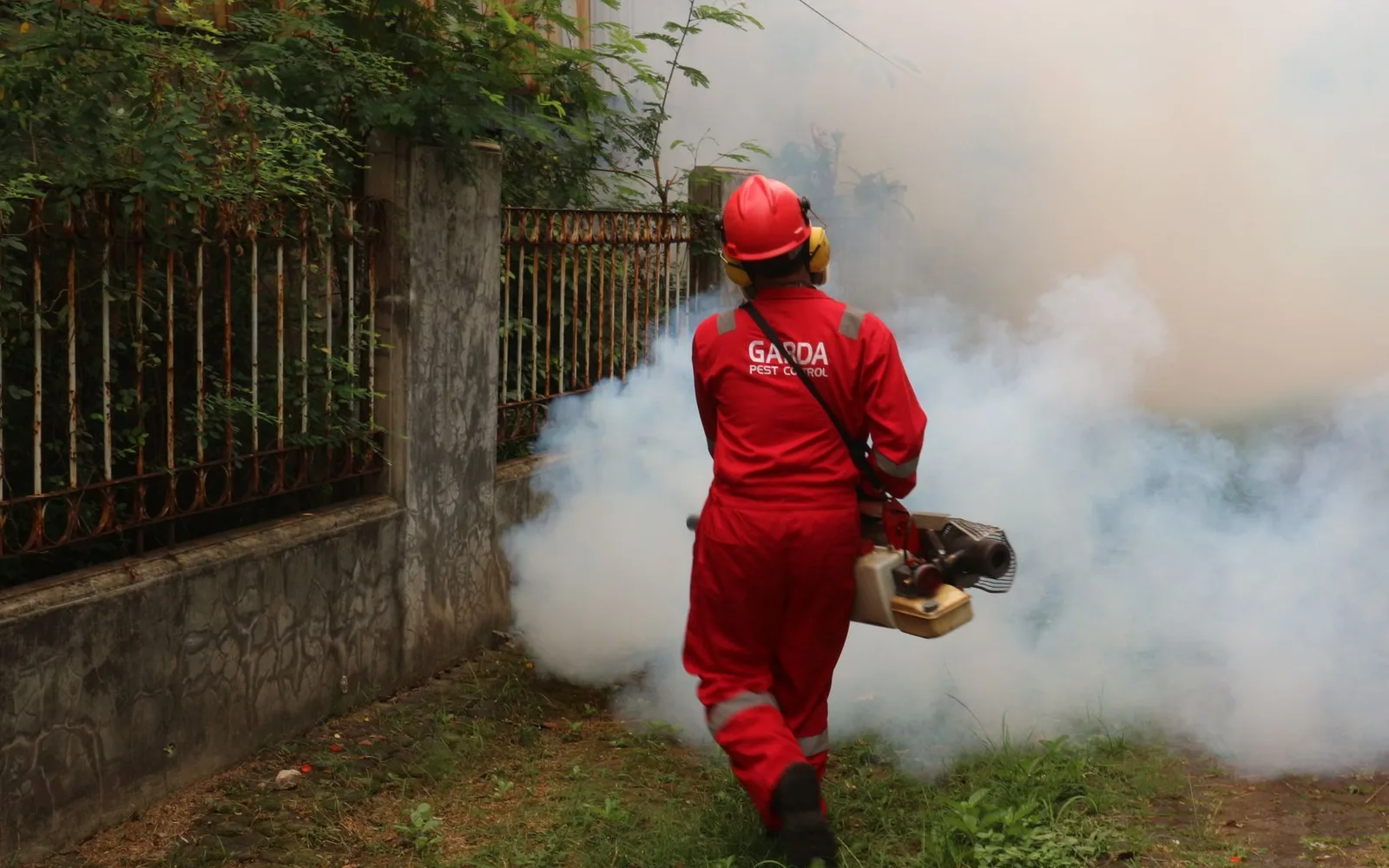
Rest houses and farms in South Obhur Jeddah
South Obhur sits on the open shore of Obhur Creek. High sea humidity and salt laden winds keep timber and concrete damp throughout the year. Chalets and rest houses are scattered along the waterfront and stand closed for long stretches. During closure these vacant buildings become safe havens for insects and rodents to breed undisturbed, sheltered from sun and salt wind.
-
Targeted, not broadcast
Product goes into cracks and runways, never sprayed across open surfaces.
-
Told before we start
What we will use, where it goes, and what to cover or move before we arrive.
-
A follow-up visit
We return after the first treatment, because what survives it does not show on the day.
-
Homes and businesses
Apartments and villas, and kitchens and stores that need a record of each visit.
Why they keep coming back in South Obhur
Rest houses locked for months can harbour thriving populations of cockroaches by the time they reopen. Empty chalets provide protection from salt wind for insect swarms to establish themselves undisturbed. The method is set out in full on what Rest houses and farms involves.
Persistent marine humidity and salt laden air
Sea humidity and salt spray keep timber and concrete surfaces damp year round. Surface treatments lose effectiveness quickly in high moisture. Products must resist salt and moisture and visits must be spaced closer than in inland areas to maintain an effective barrier.
Heavy irrigated gardens and dense planting
Gardens around villas and chalets are irrigated frequently. Standing water collects under plants and damp soil beneath vegetation provides breeding grounds for mosquitoes and cockroaches. Removing ponded water and regulating irrigation reduces the pressure on the treatment itself.
Sealed chalets and dark seasonal refuges
Rest houses and chalets stand locked for weeks or months at a time. Insects and rodents colonise these dark, protected spaces during closure. Pre closure treatment and a quick inspection on reopening are essential to prevent explosive population growth as soon as the doors are unlocked.
Landmarks of South Obhur
Work in South Obhur is organised using coastal landmarks and main access roads. Obhur Creek and the South Obhur Corniche define the service area, with rest houses and chalets distributed along the waterfront.
- Obhur Creek
- South Obhur Corniche
- King Abdulaziz Road
- Madinah Road
- Hibat Al Rahman Mosque
The site decides the shape of the programme
Standing irrigation water around landscaped gardens, permanently wet soil and salt air create ideal conditions for mosquitoes and cockroaches. Damp wooden structures and surfaces provide both food and shelter for insect colonies.
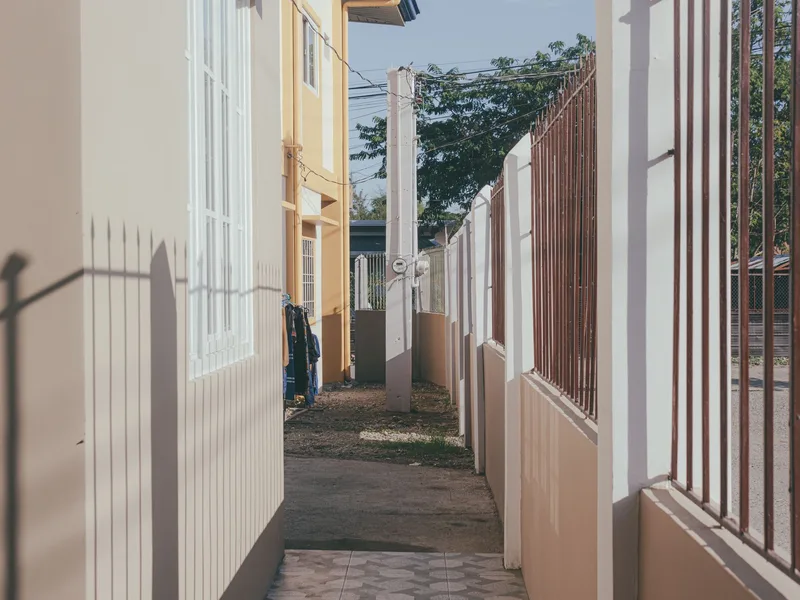
The foot of the wall
The foot of the wall or fence around each rest house needs a continuous barrier. Sea humidity shortens the life of treatment, so visits must be spaced closer than for inland buildings to sustain protection.
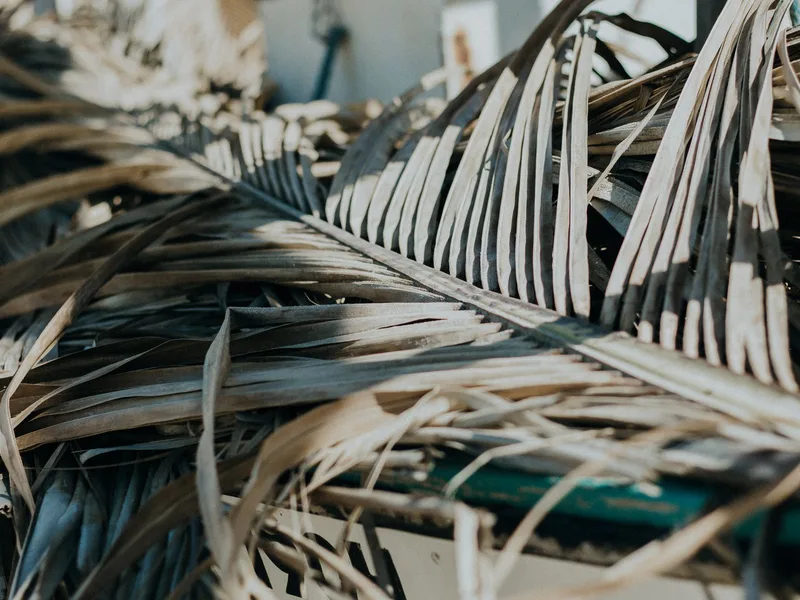
Frond and block piles
Piles of building materials, timber and stored goods outside the chalets provide refuge. Salt wind degrades timber and opens cracks that insects use as entry points.
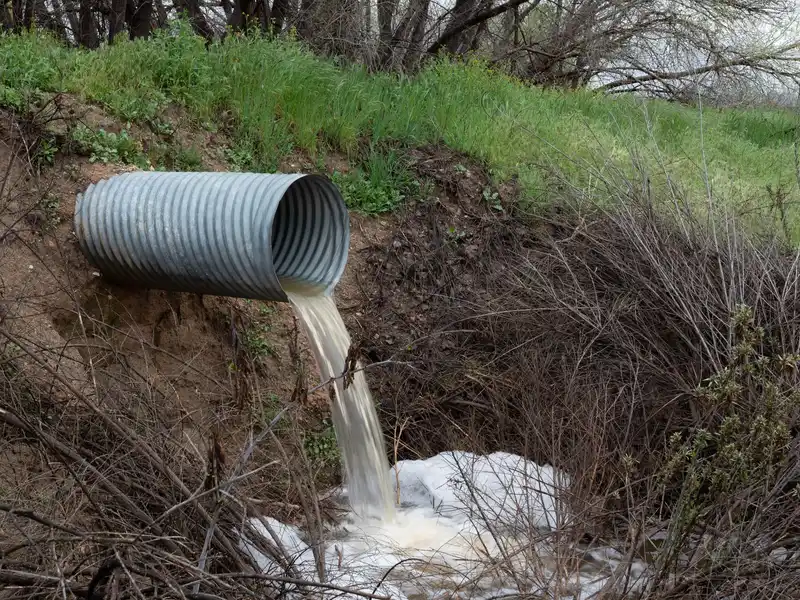
Standing water
Standing water in gardens and on irrigated lawns is a constant breeding source for mosquitoes. Water hides under plants and thick vegetation, so every part of the garden needs checking.
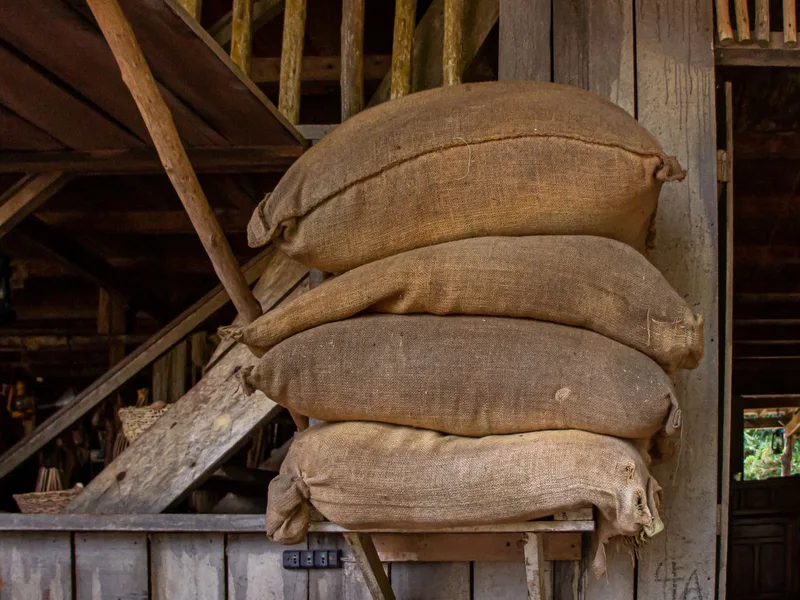
The feed store
Closed storage rooms and small outbuildings left locked for long periods can harbour rodent populations. Inspection before opening is essential.
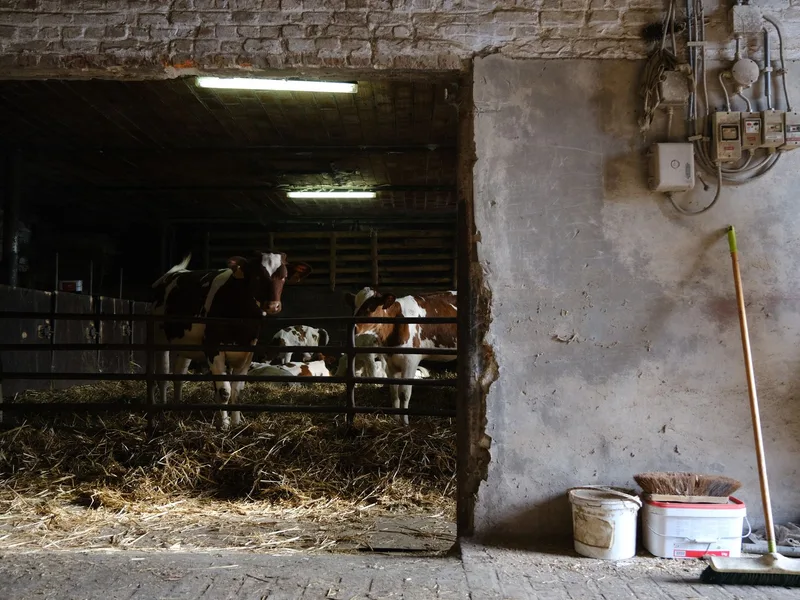
Pens and bedding
Furniture, stored materials and bedding left in closed chalets become safe refuges for insects and rodents. Cleaning and ventilation before closure reduces this risk.
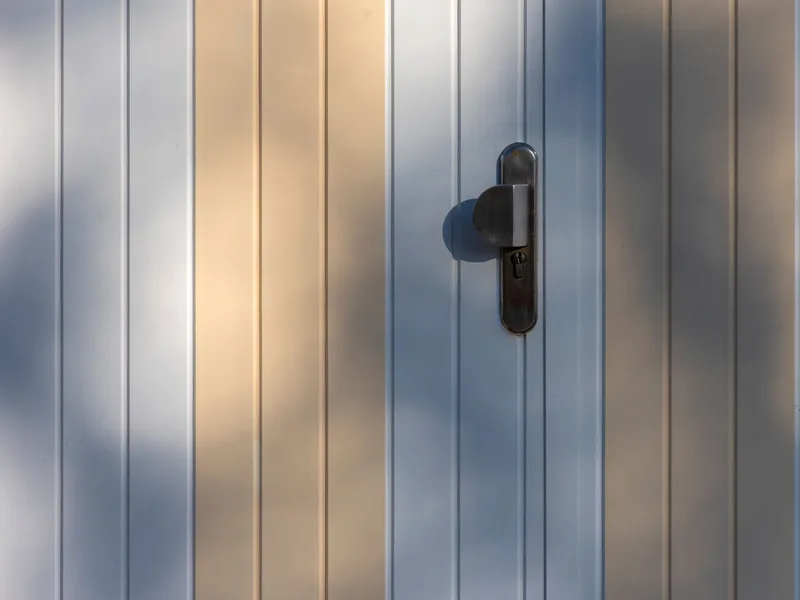
The building that stays shut
Spaces that remain sealed for an entire season can become home to large cockroach populations and occasionally snakes. The longer the closure the greater the risk of established infestation.
How we work
-
1
Walk the site and number the points
We walk the boundary, the feed store, the pens, the water sources and the buildings, record the species present, the burrows, the entry points and every standing water source, and number the monitoring positions on a plan.
-
2
Lift what things hide under
The piles, the rubble, the fallen dates, the feed sacks pushed up against the wall. On any large plot these gather simply because there is room for them, and clearing them brings the numbers down before a single product is used.
-
3
The perimeter band and targeted treatment
A band at the foot of the wall and the buildings, treatment into the burrows and cracks, locked rodent stations fixed along the route, and mosquito breeding sites treated in the water itself.
-
4
Scheduled visits and a sheet each time
We come back on an agreed schedule, read the same points, renew the band the sun and the irrigation have used up, and write down what was found, what was applied and where, and what the site needs closed.
What the rest house and farm programme includes
-

A site walk and a map of the points
The boundary, the buildings, the pens and the water sources, and a plan with the monitoring positions numbered before anything is installed.
-

Water sources treated at the source
Drinking troughs, drip lines, tank outlets and anything that stands for days, because mosquitoes come out of water and not out of the air.
-

A treated band at the perimeter
The foot of the wall, the building bases and the path edges, which is the line anything coming off the open ground has to cross.
-

Locked rodent stations
Fixed and numbered along one route, and closed so that neither a child's hand nor an animal on the site can get into them.
-

What the site does afterwards
What to cover, where to move animal water bowls, when irrigation can start again without washing the band off, and the ventilation time, which we give you on the call because it changes with the product and the space.
-

Scheduled visits and a record
A schedule agreed ahead of the seasons, the same points read every time, and a record of what was found, what was treated and what is still open.
What is different about Obhur Sub-Municipality
Obhur sub-municipality runs along Jeddah's northern shoreline from Al Shati up to Obhur Creek. It mixes large villas and gated compounds with busy commercial spines of restaurants, cafes, markets and hotels. Sea humidity is high for most of the year and salt laden breezes keep timber and render damp, while irrigated gardens and lawns surround the corniche and the villa plots. Standing irrigation water, dense planting and food waste from the hospitality strip suit cockroaches, mosquitoes and ants, and the chalets and rest houses scattered along the creek stand empty for long spells, which lets insects and rodents settle undisturbed.
Questions about this district
The chalet closes for the summer. Should it be treated before we lock up?
Yes, comprehensive treatment before closing for long periods is essential. Dark sealed spaces provide perfect breeding conditions. A quick inspection when reopening confirms that no new colonies have established in the closure period.
Humidity here is very high. Does treatment stay effective as long as inland?
High humidity shortens the effective life of treatment. We use stronger products that resist moisture and salt air. Visits are spaced closer than in dry areas to maintain the protective barrier through the year.
Mosquitoes blow in directly from the creek. Can we protect against that?
Mosquitoes from the water cannot be stopped entirely. Treatment of the perimeter, removal of standing water and protection of openings reduces breeding near the building and slows entry. You also reduce the breeding habitat that makes settlement possible.
Snakes appear here sometimes. Does treating insects affect them?
Snakes come hunting for rodents and larger insects. Effective rodent control reduces snake visits, though products do not affect snakes directly. Cutting off the food chain that attracts them is the indirect effect.
Is treatment safe near the beach, gardens and children?
We use products approved for residential and tourism settings. We work at set times and avoid hours when children are in the gardens or playing outside.
Between seasons do we need year round treatment or just seasonal spray?
The coastal climate suits insects year round. Even during locked closure periods insects can establish themselves and breed. Continuous low level treatment beats seasonal intensive spray because pests settle during gaps between treatments.
How much does rest houses and farms in South Obhur cost?
It is set after the inspection, because the price follows the type of infestation, the size of the space, how far it has spread and the number of visits it needs. Send a photo and a description on WhatsApp and we will give you an estimate before we reach South Obhur.
Nearby districts we cover
Other services in South Obhur
Other services we provide to residents of South Obhur.
-
 Residential
Cockroach control
Residential
Cockroach control
-
 Residential
Bed bug control
Residential
Bed bug control
-
 Residential
Termite control
Residential
Termite control
-
 Residential
Rodents and mice
Residential
Rodents and mice
-
 Residential
Mosquito control
Residential
Mosquito control
-
 Residential
Fly control
Residential
Fly control
-
 Residential
Ant control
Residential
Ant control
-
 Residential
Gecko control
Residential
Gecko control
-
 Residential
Scorpion control
Residential
Scorpion control
-
 Residential
Snake control
Residential
Snake control
-
 Residential
Flea control
Residential
Flea control
-
 Residential
Bird and pigeon control
Residential
Bird and pigeon control
-
 Residential
Preventive treatment
Residential
Preventive treatment
-
 Residential
Disinfection
Residential
Disinfection
-
 Commercial
Annual contracts
Commercial
Annual contracts
-
 Commercial
Restaurants and cafes
Commercial
Restaurants and cafes
-
 Commercial
Hotels and apartments
Commercial
Hotels and apartments
-
 Commercial
Warehouses and factories
Commercial
Warehouses and factories
-
 Commercial
Schools and nurseries
Commercial
Schools and nurseries
-
 Commercial
Retail and malls
Commercial
Retail and malls
-
 Commercial
Fumigation
Commercial
Fumigation
-
 Water tanks
Water tank cleaning
Water tanks
Water tank cleaning
-
 Water tanks
Water tank sterilization
Water tanks
Water tank sterilization
-
 Water tanks
Water tank sealing
Water tanks
Water tank sealing
-
 Water tanks
Tank leak repair
Water tanks
Tank leak repair
Need rest houses and farms in South Obhur? Tell us what you saw and we will tell you what it needs
We reach South Obhur at a time we agree, and you get the full cost before we start.