
Fly control in Al Ajawid Jeddah
Al Ajawid is a mixed district spread across higher ground between the Jeddah Makkah Expressway and landscaped areas, combining ground-floor shops with apartment blocks and villas. Flies travel easily from commercial waste into the homes above and between buildings.
-
Targeted, not broadcast
Product goes into cracks and runways, never sprayed across open surfaces.
-
Told before we start
What we will use, where it goes, and what to cover or move before we arrive.
-
A follow-up visit
We return after the first treatment, because what survives it does not show on the day.
-
Homes and businesses
Apartments and villas, and kitchens and stores that need a record of each visit.
Why they keep coming back in Al Ajawid
Ground-floor shops in Al Ajawid attract flies in numbers, but the real problem is that residents directly above find flies climbing into their flats through shared openings within hours of an infestation starting. The method is set out in full on the full Fly control page.
Shops and flats share the same building
Al Ajawid has mixed-use blocks where the ground floor shop shares the same stairwell, drainage and ventilation with flats above it. Flies attracted to shop waste climb directly into the homes through shared pipes, cavities and connecting spaces.
Vacant plots and gardens beside homes
Al Ajawid has vacant residential plots scattered around villas and apartment blocks, and Al Ajawid Park provides a natural wild fly breeding ground. This wild fly population can reach homes that sit near the green space.
Irrigation and shared green spaces create constant moisture
The extensive landscaping and continuous watering throughout the district creates high humidity and ideal breeding conditions for flies, whilst drain lines from irrigation systems can pool standing water where fly larvae thrive.
The character of Al Ajawid
Mixed district: shops at street level with homes above them
A mixed neighbourhood means flies may originate from the ground-floor shop, a neighbouring untreated flat, or the green spaces around you. Treatment must cover the entire building, the commercial spaces, and seal entry points from the landscaped areas outside.
Where the flies are actually coming from
A quiet middle-class neighbourhood of low-rise apartment blocks, villas and residential plots, served by Al Salihin Mosque, Al Ajawid Park, schools and a Hyper Panda store, with constant green space and irrigation.
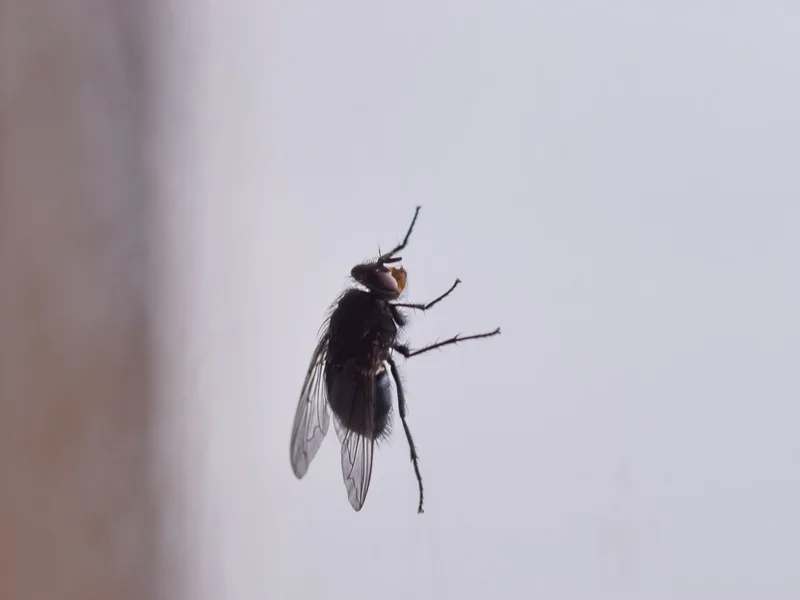
House fly
House flies in Al Ajawid breed in ground-floor shop waste and domestic waste together, thriving in the elevated moisture from green spaces and irrigation systems throughout the neighbourhood.
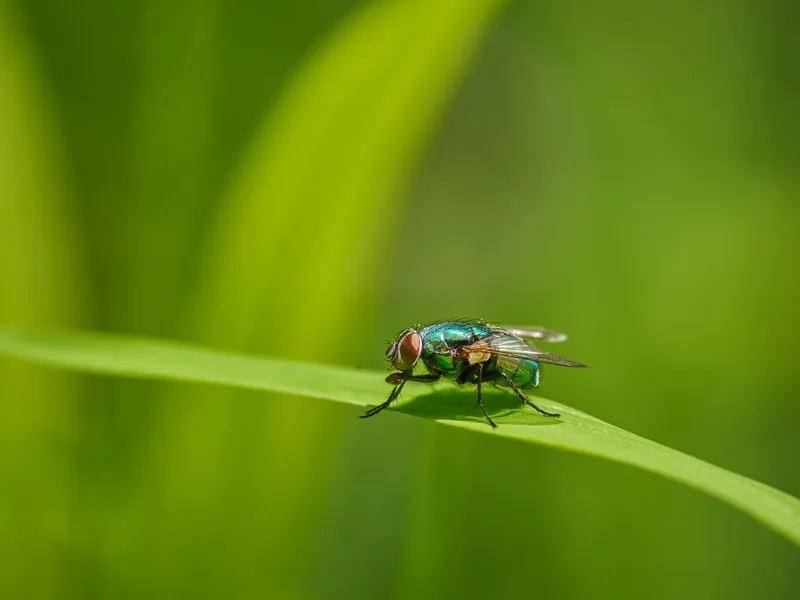
Blow fly
Blow flies are attracted to restaurant and grocery waste at street level in the district, laying eggs in waste left uncovered, sometimes for a day or more before collection or replacement.
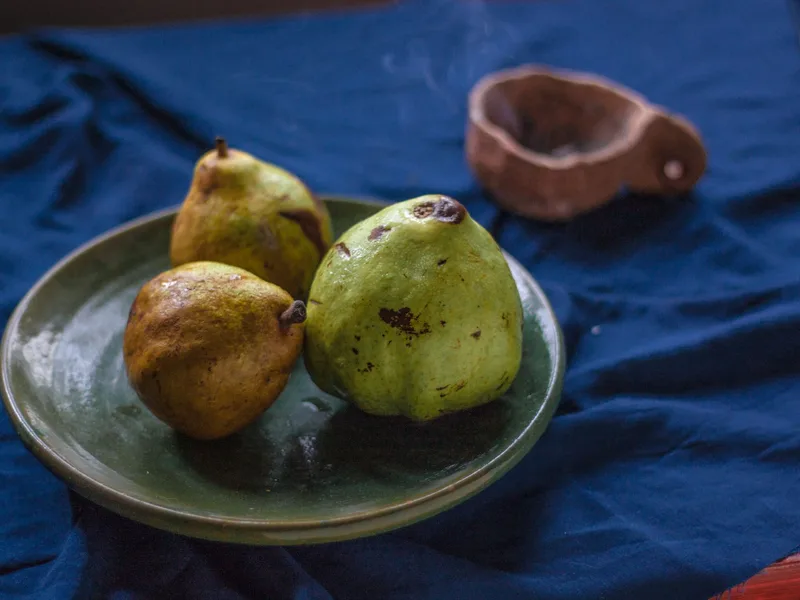
Fermenting residue
Fermenting residue around shops and homes, especially from food scraps and rotting fruit, feeds fly breeding rapidly in wet soil and gardens where moisture is constantly maintained.
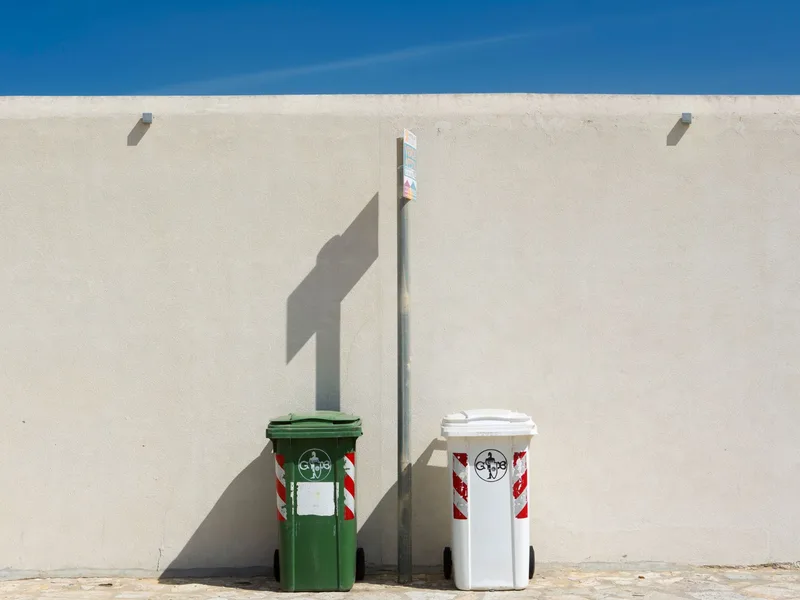
The bin base
The bin base in ground-floor shops retains high moisture from rainfall and irrigation, which accelerates larval development even during seasons when conditions are drier elsewhere.
The film inside a drain
The drain film is built thicker in Al Ajawid by the sustained moisture, with standing water from irrigation and drainage systems providing year-round feeding for larvae and pupae.
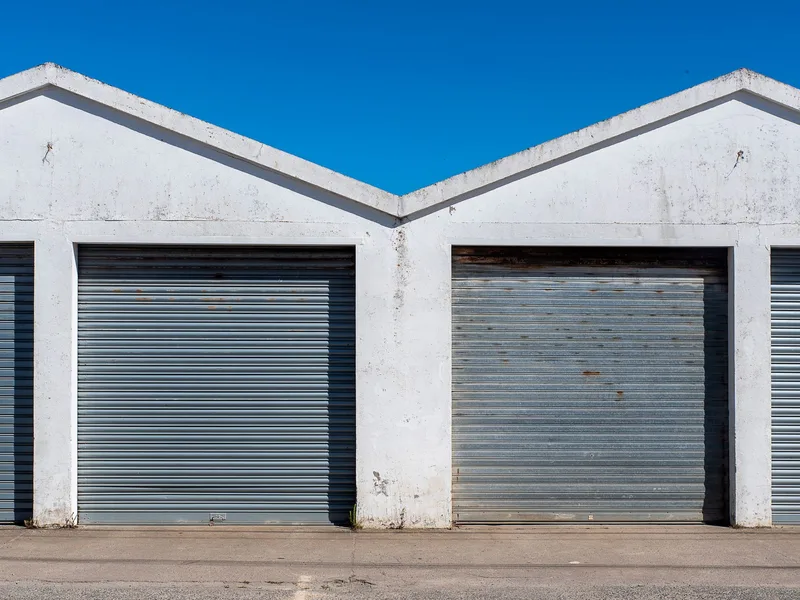
The service door and its mesh
The service door and mesh in shops and blocks must be kept tight because the surrounding moisture and green spaces bring flies constantly, even if the shop interior is clean.
How we work
-
1
Inspect and trace the source
We trace the flies back to their medium: waste and the bin area, floor traps, drain runs and any standing organic wetness, and we identify the species from its size, its flight and where it settles.
-
2
Treat the breeding medium
Washing and scouring bin bases and floor traps, and a foam that treats the film inside the pipe, because removing the medium is the only thing that stops production.
-
3
Treat the resting surfaces
A fly spends most of its time settled on ceilings, cables, the tops of walls and the sunlit wall outside the door, and that is where the residual and the bait go, not into the air.
-
4
Proofing and the follow-up
We close the ways in and sort out the screens and the doors, then come back on a date matching the emergence of the pupae that were already in the medium on the first visit.
What fly control includes
-

A source tracing inspection
The species, the breeding medium and the route in, established before anything is applied.
-

Drains and floor traps
Scouring the film stuck inside the pipe and treating it with foam, which is where drain flies come from and almost nowhere else.
-

Residual on the resting surfaces
Ceilings, cables, the tops of walls and the sunlit wall outside the door, kept off food preparation surfaces.
-

Fly bait in protected positions
An attractant bait set at bin areas and service entrances, out of reach of children and pets and away from food.
-

Aftercare instructions
Ventilation, what to cover, and what needs a screen, an air curtain or a different waste routine.
-

A scheduled follow-up
A set date matching the emergence of the pupae, and re-treatment of any source still producing.
Landmarks of Al Ajawid
Fly control in Al Ajawid begins around the main routes through Al Ajawid Park where wild flies gather, and extends along Al Ajawid Street and through the mixed-use blocks between the Jeddah Makkah Expressway and the quieter residential zones.
- Jeddah Makkah Expressway
- Al Ajawid Street
- Al Salihin Mosque
- Al Ajawid Park
- Hyper Panda Al Ajawid
Questions about this district
Are my flat's flies coming from the ground floor shop or from a neighbouring flat?
In Al Ajawid flies may originate from a ground-floor restaurant or grocery, or travel from a neighbouring untreated flat, but the primary source is usually the ground floor shop and the shared waste areas associated with it.
Is treating my flat alone enough or must the entire building be treated together?
Treating one flat may reduce flies temporarily, but if the ground-floor shop or a neighbour's flat remains untreated, flies return quickly. Treating the whole building and the commercial space is far more effective.
Is Al Ajawid Park a permanent fly source for homes bordering it?
The park provides natural fly breeding ground, and nearby homes will see higher fly pressure, but park flies are attracted first to weaknesses in the home itself, such as uncovered waste or unprotected openings.
Does Al Ajawid have more flies than other Jeddah neighbourhoods because of the green spaces?
Yes, extensive landscaping and constant irrigation create high humidity and wet soil, which supports faster fly breeding cycles, but targeted treatment breaks the reproduction cycle effectively even with elevated moisture.
Why do fly numbers spike sharply after rain in Al Ajawid?
Rain makes soil very wet and overwhelms the drainage, creating perfect breeding conditions for flies and allowing new generations to emerge at accelerated rates.
If we treat our villa but leave the neighbouring vacant plots untreated, what happens?
Vacant plots may hold flies, but without accumulated waste they may not be a primary source. The priority is sealing your home well and breaking the reproduction cycle indoors first.
How much does fly control in Al Ajawid cost?
It is set after the inspection, because the price follows the type of infestation, the size of the space, how far it has spread and the number of visits it needs. Send a photo and a description on WhatsApp and we will give you an estimate before we reach Al Ajawid.
Nearby districts we cover
Other services in Al Ajawid
Other services we provide to residents of Al Ajawid.
-
 Residential
Cockroach control
-
 Residential
Bed bug control
-
 Residential
Termite control
-
 Residential
Rodents and mice
Need fly control in Al Ajawid? Tell us what you saw and we will tell you what it needs
We reach Al Ajawid at a time we agree, and you get the full cost before we start.