
Fly control in Al Farouq Jeddah
Al Farouq is a mixed district in south Jeddah, apartment blocks rise above ground-floor shops, and it sits on major crossroads carrying heavy traffic. Its edges are marked by warehouses and industrial workshops, meaning flies arrive from both commercial and industrial waste simultaneously.
-
Targeted, not broadcast
Product goes into cracks and runways, never sprayed across open surfaces.
-
Told before we start
What we will use, where it goes, and what to cover or move before we arrive.
-
A follow-up visit
We return after the first treatment, because what survives it does not show on the day.
-
Homes and businesses
Apartments and villas, and kitchens and stores that need a record of each visit.
Why they keep coming back in Al Farouq
Al Farouq experiences constant movement of goods, vehicles and workers because of the main roads and industrial activity, and waste accumulates fast and in diverse forms from trade and manufacture. The method is set out in full on the full Fly control page.
Shops and industrial workshops producing different waste streams
Al Farouq has diverse shops and industrial workshops, each leaving different waste. Some is organic from food, some is industrial waste, oils and solvents. This mix attracts different fly species simultaneously.
Major roads with heavy traffic all day
The Haramain Road and Al Falah Road run through Al Farouq with continuous heavy movement. Trucks and goods enter constantly, materials are unloaded throughout the day, bringing dust and insects from outside the district.
Vacant plots and gaps between buildings
Al Farouq has vacant plots between apartment blocks and warehouses. Water pools in these gaps and loose waste collects there, drainage may be incomplete, creating fly breeding zones beside residential buildings.
The character of Al Farouq
Mixed district: shops at street level with homes above them
A mixed neighbourhood means your fly source is not one shop but a combination of shops, workshops and warehouses. Treatment must target all these sources together, not just your individual flat.
Where the flies are actually coming from
A district between the ring road and Old Makkah Road, with apartment buildings standing beside vacant plots, crossed by the Haramain Road and Al Falah Road, warehouses and industry marking its outer edges.
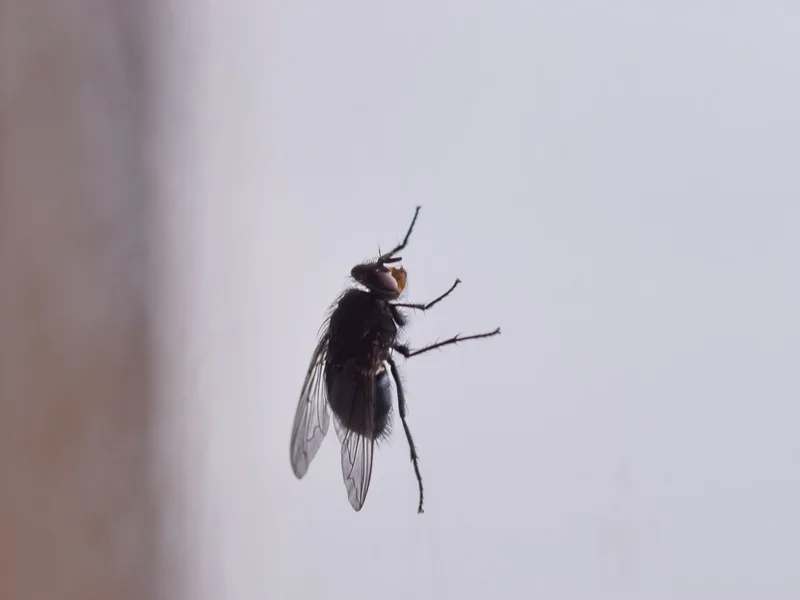
House fly
House flies in Al Farouq breed in waste from ground-floor shops and industrial workshops together, thriving in the constant activity and diverse waste streams.
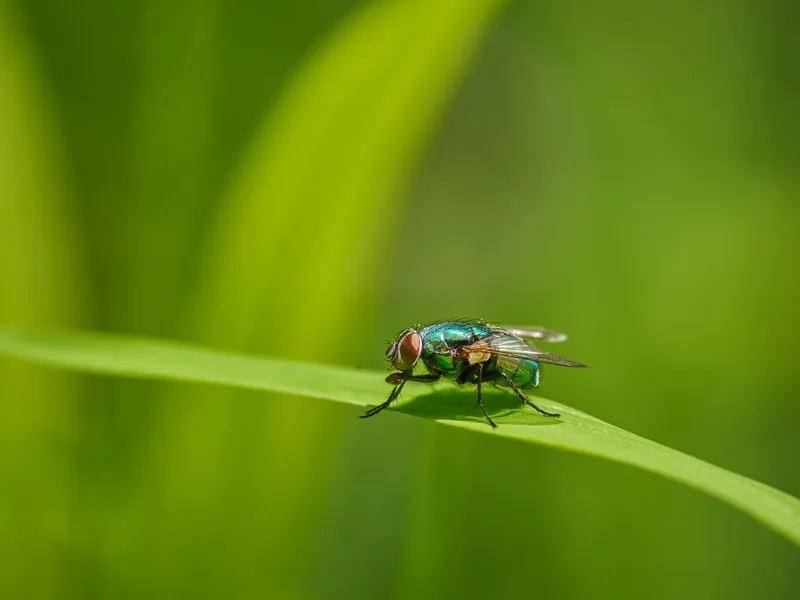
Blow fly
Blow flies are attracted to organic waste from shops and small eateries, laying eggs in open bins and waste bags around the shops.
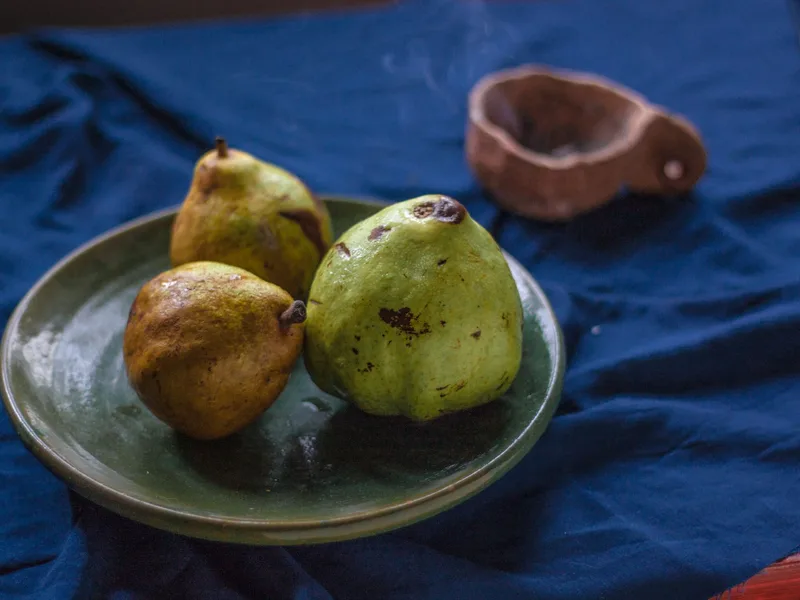
Fermenting residue
Fermenting residue from shop and workshop waste pools in vacant plots and gaps between buildings, providing nutrition for larvae.
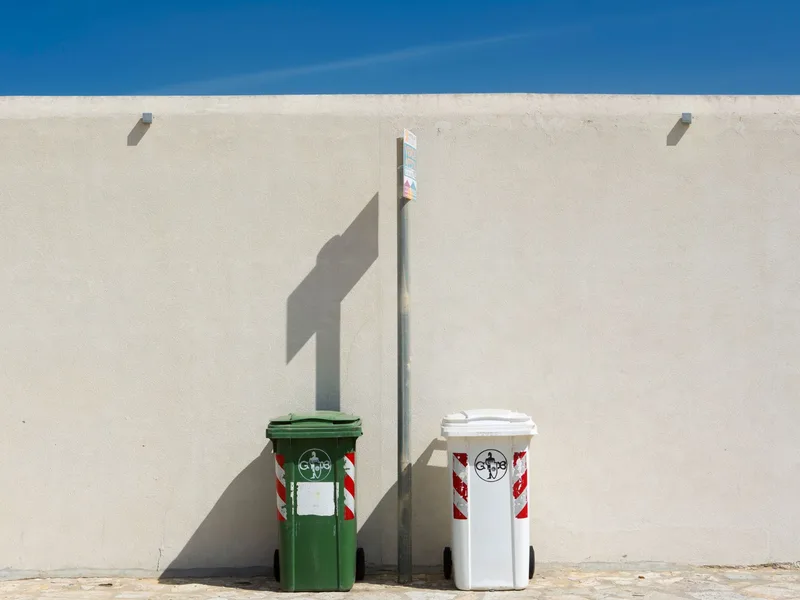
The bin base
The bin base fills with moisture from mixed shop and workshop waste, accelerating larval development, especially if the bin lacks regular emptying.
The film inside a drain
The drain film beneath shops and workshops is built thick from diverse waste, oils and fats from workshops and food from shops, creating a rich breeding environment for larvae.
The service door and its mesh
The service door and mesh must seal tightly because flies arrive from multiple sources at the same time, main roads, shops and industrial workshops all sending flies towards the residential flats.
How we work
-
1
Inspect and trace the source
We trace the flies back to their medium: waste and the bin area, floor traps, drain runs and any standing organic wetness, and we identify the species from its size, its flight and where it settles.
-
2
Treat the breeding medium
Washing and scouring bin bases and floor traps, and a foam that treats the film inside the pipe, because removing the medium is the only thing that stops production.
-
3
Treat the resting surfaces
A fly spends most of its time settled on ceilings, cables, the tops of walls and the sunlit wall outside the door, and that is where the residual and the bait go, not into the air.
-
4
Proofing and the follow-up
We close the ways in and sort out the screens and the doors, then come back on a date matching the emergence of the pupae that were already in the medium on the first visit.
What fly control includes
-

A source tracing inspection
The species, the breeding medium and the route in, established before anything is applied.
-

Drains and floor traps
Scouring the film stuck inside the pipe and treating it with foam, which is where drain flies come from and almost nowhere else.
-

Residual on the resting surfaces
Ceilings, cables, the tops of walls and the sunlit wall outside the door, kept off food preparation surfaces.
-

Fly bait in protected positions
An attractant bait set at bin areas and service entrances, out of reach of children and pets and away from food.
-

Aftercare instructions
Ventilation, what to cover, and what needs a screen, an air curtain or a different waste routine.
-

A scheduled follow-up
A set date matching the emergence of the pupae, and re-treatment of any source still producing.
Landmarks of Al Farouq
Fly control in Al Farouq organises around the neighbourhood's main traffic arteries, particularly the Haramain Road and Al Falah Road where shops and workshops cluster, and around Abdullah ibn Rawahah Mosque at the heart of the district, surrounded by concentrated commercial activity.
- Old Makkah Road
- Haramain Road
- Al Falah Road
- Abdullah ibn Rawahah Mosque
- Imam Ahmad ibn Hanbal Mosque
- Al Farouq Park
Questions about this district
Are the flies in my flat coming from the ground floor shop or from industrial workshops next door?
They may come from both sources. The ground floor shop sits directly above your flat foundation, and industrial workshops scatter waste into the air nearby, but the ground floor shop is the most direct and fastest entry route.
Why do flies increase days after the ground floor shop closes?
Waste left in the shop remains in the bin and surrounding areas, existing larvae complete their cycle, and new fly generations emerge even after the shop closes.
Do the Haramain Road and Al Falah Road bring flies from other warehouses and workshops elsewhere?
Yes, the roads carry heavy traffic from trucks and goods that may carry insects, and warehouses along the roads may scatter waste, but the greatest pressure comes from shops within Al Farouq itself.
Is treating my flat alone sufficient or must the shop and workshops be treated too?
Treating the flat alone may reduce indoor flies temporarily, but the ground floor shop and adjacent workshops continuously resupply them. The neighbourhood must be treated in coordination.
Are the vacant plots and gaps between buildings a continuous fly source in Al Farouq?
Vacant plots may pool water and hold dumped waste, providing a fly habitat, but if waste does not accumulate there regularly, they may not be the primary source.
When is the best time to treat flies in Al Farouq?
Evening or night when traffic is lighter is best, but effective control requires repeated treatment because the main roads continuously bring fresh flies into the district.
How much does fly control in Al Farouq cost?
It is set after the inspection, because the price follows the type of infestation, the size of the space, how far it has spread and the number of visits it needs. Send a photo and a description on WhatsApp and we will give you an estimate before we reach Al Farouq.
Nearby districts we cover
Other services in Al Farouq
Other services we provide to residents of Al Farouq.
-
 Residential
Cockroach control
-
 Residential
Bed bug control
-
 Residential
Termite control
-
 Residential
Rodents and mice
Need fly control in Al Farouq? Tell us what you saw and we will tell you what it needs
We reach Al Farouq at a time we agree, and you get the full cost before we start.