
Fly control in Al Hajlah Makkah
Al Hajlah is a zone of hotels and rented apartment buildings on Ibrahim Al Khalil Street below the Grand Mosque, south west of the Haram between two hills. Pilgrims and visitors fill the hotels year round, and food and waste pile up. The street is extremely narrow and hotels are dense, and flies walk from hotel to hotel and from residences to hotels easily.
-
Targeted, not broadcast
Product goes into cracks and runways, never sprayed across open surfaces.
-
Told before we start
What we will use, where it goes, and what to cover or move before we arrive.
-
A follow-up visit
We return after the first treatment, because what survives it does not show on the day.
-
Homes and businesses
Apartments and villas, and kitchens and stores that need a record of each visit.
Why they keep coming back in Al Hajlah
Hotels here are very small and squeezed together, and food and waste accumulate faster because of the high density of visitors. The method is set out in full on our Fly control service.
Very small hotels pressed against each other
Hotels in Al Hajlah are tiny, some with only ten rooms. Hotels touch each other, and flies cross from one to the next through walls and surfaces. Every hotel collects food and drink waste from hundreds of guests every day.
Hotel kitchens with no modern ventilation
Kitchens are very small and ventilation is old or absent. Cooking happens daily for dozens of guests, and steam and moisture fill the kitchen. Flies breed in the kitchen and rise into guest rooms.
The cramped street and shared yard space
Ibrahim Al Khalil Street is extremely narrow and the shared waste bin sits beside the hotel. Odours and flies fill the street and neighbouring hotels. Shared yard space between hotels collects water and odours.
Al Hajlah on the map
Al Hajlah sits about 0.5 km from Ajyad and about 0.5 km from Al Shubaikah.
Open in Google MapsWhere the flies are actually coming from
Narrow strip on Ibrahim Al Khalil Street south west of the Grand Mosque, very many small hotels and rented apartment buildings, extremely cramped street between hotels.
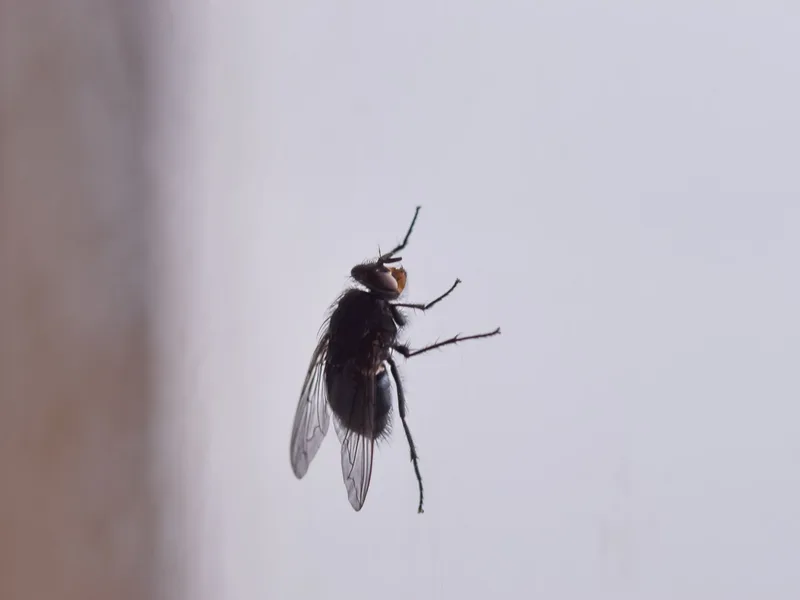
House fly
The house fly breeds in waste piling up from hotel kitchen operations, and rests on corridor and room walls.
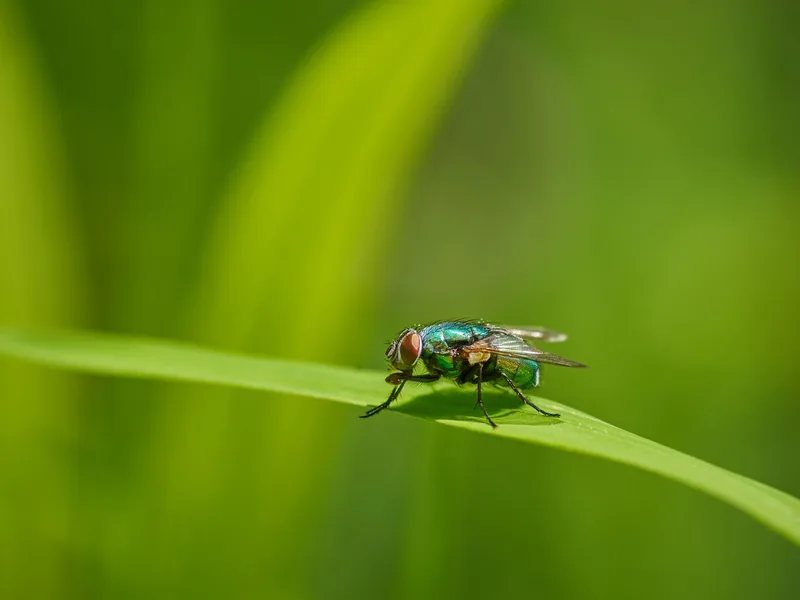
Blow fly
The blow fly is uncommon in Al Hajlah because it is a dry mountainous zone, but moisture from small kitchens draws it.
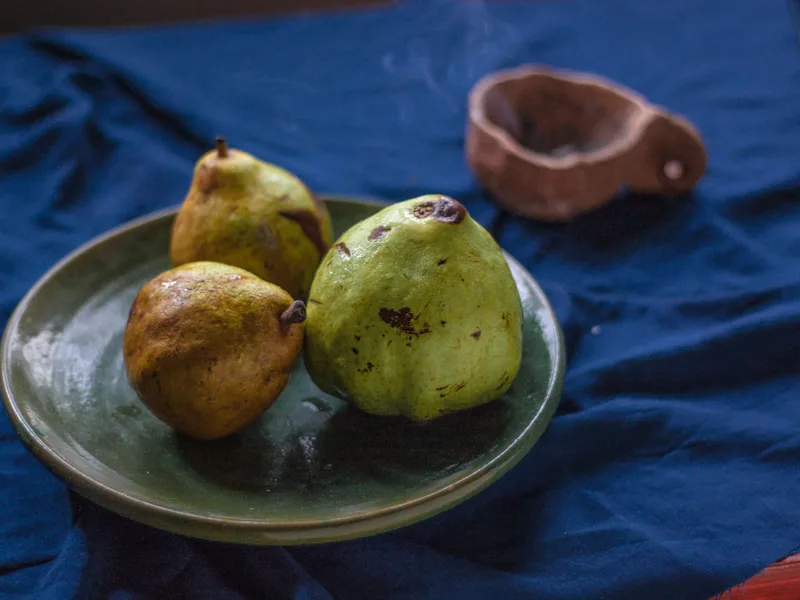
Fermenting residue
Food waste from hundreds of guests builds up in small kitchens and bins, and rapid decomposition creates ideal conditions.
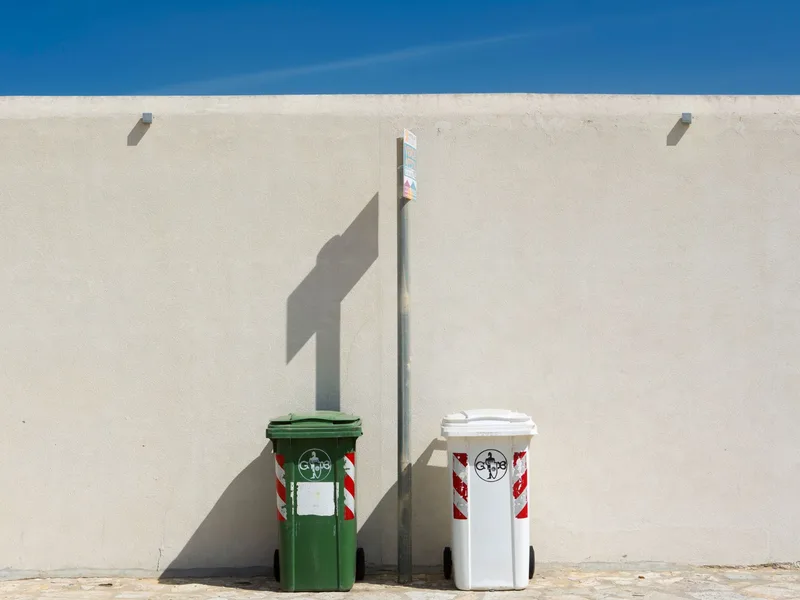
The bin base
Water from kitchens and bathrooms drains into old pipes, and standing water provides breeding ground.
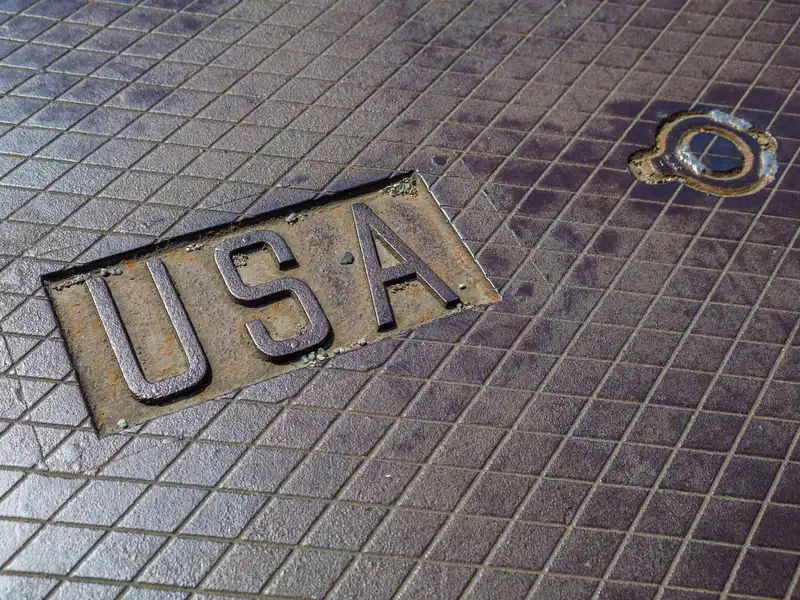
The film inside a drain
Biofilm develops quickly in kitchen and bathroom pipes, and high moisture provides ideal conditions.
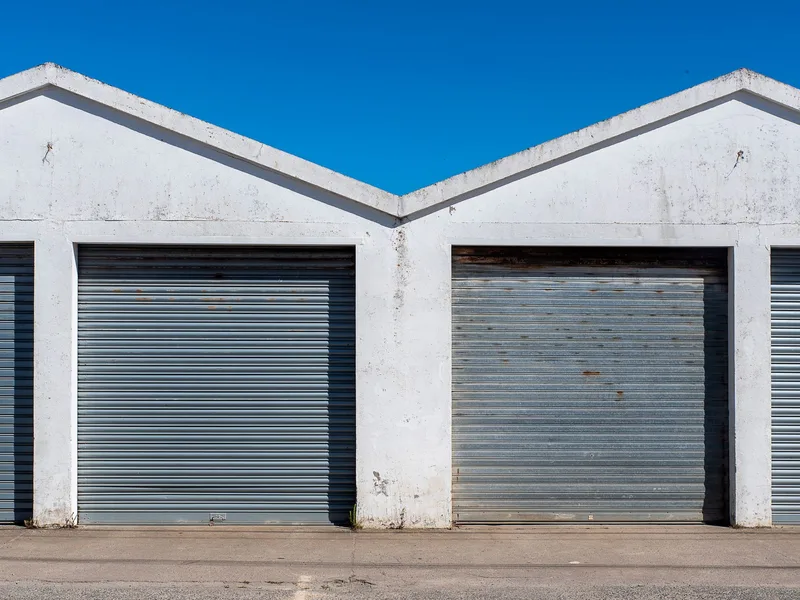
The service door and its mesh
Hotel doors stand open all day for guests, and the narrow street lets flies pass from hotel to hotel easily.
How we work
-
1
Inspect and trace the source
We trace the flies back to their medium: waste and the bin area, floor traps, drain runs and any standing organic wetness, and we identify the species from its size, its flight and where it settles.
-
2
Treat the breeding medium
Washing and scouring bin bases and floor traps, and a foam that treats the film inside the pipe, because removing the medium is the only thing that stops production.
-
3
Treat the resting surfaces
A fly spends most of its time settled on ceilings, cables, the tops of walls and the sunlit wall outside the door, and that is where the residual and the bait go, not into the air.
-
4
Proofing and the follow-up
We close the ways in and sort out the screens and the doors, then come back on a date matching the emergence of the pupae that were already in the medium on the first visit.
What fly control includes
-

A source tracing inspection
The species, the breeding medium and the route in, established before anything is applied.
-

Drains and floor traps
Scouring the film stuck inside the pipe and treating it with foam, which is where drain flies come from and almost nowhere else.
-

Residual on the resting surfaces
Ceilings, cables, the tops of walls and the sunlit wall outside the door, kept off food preparation surfaces.
-

Fly bait in protected positions
An attractant bait set at bin areas and service entrances, out of reach of children and pets and away from food.
-

Aftercare instructions
Ventilation, what to cover, and what needs a screen, an air curtain or a different waste routine.
-

A scheduled follow-up
A set date matching the emergence of the pupae, and re-treatment of any source still producing.
Landmarks of Al Hajlah
Fly treatment in Al Hajlah focuses on hotels and apartment buildings near the Grand Mosque and Jabal Omar, and the street rising from Al Shubaikah Cemetery to the Haram courtyards where the densest hotels cluster.
- Ibrahim Al Khalil Street
- The Grand Mosque
- Jabal Omar
- Al Shubaikah Cemetery
- Al Hijrah Street
Questions about this district
Does guest density make fly problems worse in hotels?
Yes greatly. Every guest brings food and drink waste, and small kitchens cannot handle the volume. Waste builds up and flies breed fast.
Must each hotel be treated separately?
Preferred to treat several pressed-together hotels at once. Pressed hotels share air and moisture, so treating one may fail if a neighbouring hotel stays infested.
Does a central kitchen reduce fly problems?
No, because a small central kitchen collects more waste. The solution is better ventilation, drainage and storage, not fewer kitchens.
When is fly pressure worst in Al Hajlah?
Year round because hotels never close. Hajj and Umrah seasons make it worse, especially at peak times.
Can a hotel close during treatment?
Tourist hotels cannot close. We schedule treatment between guest batches or treat separated sections without disturbing guests.
Are shared waste bins causing the flies?
Yes, part of it. Bins overflow and poor ventilation around them creates ideal conditions. Better waste management helps but chemical control is necessary.
How much does fly control in Al Hajlah cost?
It is set after the inspection, because the price follows the type of infestation, the size of the space, how far it has spread and the number of visits it needs. Send a photo and a description on WhatsApp and we will give you an estimate before we reach Al Hajlah.
Nearby districts we cover
Other services in Al Hajlah
Other services we provide to residents of Al Hajlah.
-
 Residential
Cockroach control
Residential
Cockroach control
-
 Residential
Bed bug control
Residential
Bed bug control
-
 Residential
Termite control
Residential
Termite control
-
 Residential
Rodents and mice
Residential
Rodents and mice
-
 Residential
Mosquito control
Residential
Mosquito control
-
 Residential
Ant control
Residential
Ant control
-
 Residential
Gecko control
Residential
Gecko control
-
 Residential
Scorpion control
Residential
Scorpion control
-
 Residential
Snake control
Residential
Snake control
-
 Residential
Flea control
Residential
Flea control
-
 Residential
Bird and pigeon control
Residential
Bird and pigeon control
-
 Residential
Preventive treatment
Residential
Preventive treatment
-
 Residential
Disinfection
Residential
Disinfection
-
 Commercial
Annual contracts
Commercial
Annual contracts
-
 Commercial
Restaurants and cafes
Commercial
Restaurants and cafes
-
 Commercial
Hotels and apartments
Commercial
Hotels and apartments
-
 Commercial
Warehouses and factories
Commercial
Warehouses and factories
-
 Commercial
Schools and nurseries
Commercial
Schools and nurseries
-
 Commercial
Retail and malls
Commercial
Retail and malls
-
 Commercial
Rest houses and farms
Commercial
Rest houses and farms
-
 Commercial
Fumigation
Commercial
Fumigation
-
 Water tanks
Water tank cleaning
Water tanks
Water tank cleaning
-
 Water tanks
Water tank sterilization
Water tanks
Water tank sterilization
-
 Water tanks
Water tank sealing
Water tanks
Water tank sealing
-
 Water tanks
Tank leak repair
Water tanks
Tank leak repair
Need fly control in Al Hajlah? Tell us what you saw and we will tell you what it needs
We reach Al Hajlah at a time we agree, and you get the full cost before we start.