
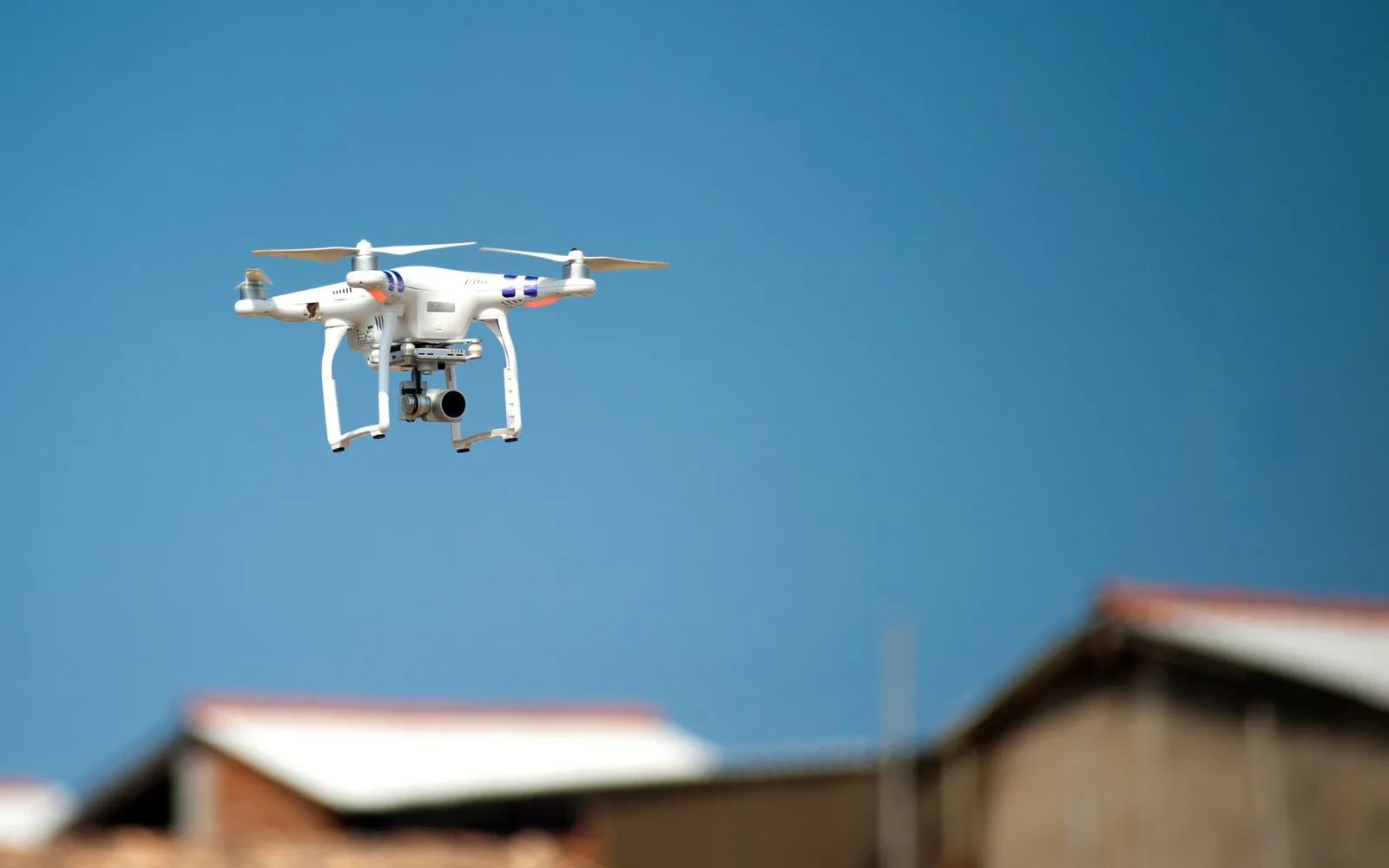
Fly control in Al Tandabawi Makkah
Al Tandabawi is an old suburb within walking distance west of Makkah's central zone, with tightly packed lanes like Al Makwar and Harat Al Yaman where medieval street patterns persist. Medieval fabric intermingles with newer buildings and small hotels serving Umrah visitors. This mixture of ages within a confined space creates unique fly challenges that differ markedly from newer Makkah districts.
-
Targeted, not broadcast
Product goes into cracks and runways, never sprayed across open surfaces.
-
Told before we start
What we will use, where it goes, and what to cover or move before we arrive.
-
A follow-up visit
We return after the first treatment, because what survives it does not show on the day.
-
Homes and businesses
Apartments and villas, and kitchens and stores that need a record of each visit.
Why they keep coming back in Al Tandabawi
Small hotels and restaurants operate at high intensity during Umrah seasons day and night, producing vast quantities of food waste that breed flies abundantly if not handled properly. The method is set out in full on our Fly control service.
Seasonal hotels and restaurants drive spikes
Small hotels and eateries in Al Tandabawi operate at high density during Umrah seasons, producing huge volumes of food waste that trigger explosive fly breeding, then the pressure drops again when visitors leave.
Shared pipes make separation impossible
The close-packed lanes and shared piping between hotels, apartment blocks and houses make it practically impossible to isolate and treat one building separately. Any effective treatment must cover the whole quarter or fail completely.
Open construction sites breed continuously
The ongoing demolition and construction around Jabal Omar and the central zone leave exposed wet earth and open excavations where flies breed abundantly, then spread into the surrounding lanes.
The character of Al Tandabawi
Historic district: close-set buildings, narrow lanes and ageing services
In historic Al Tandabawi, seasonal hotels and restaurants are the primary fly drivers, and the tight building stock and shared pipes mean treating one hotel alone will not solve the problem while the whole district shares the same environment.
Where the flies are actually coming from
Tightly packed lanes and shared piping throughout old dense building stock create a complex network of internal and external fly corridors.
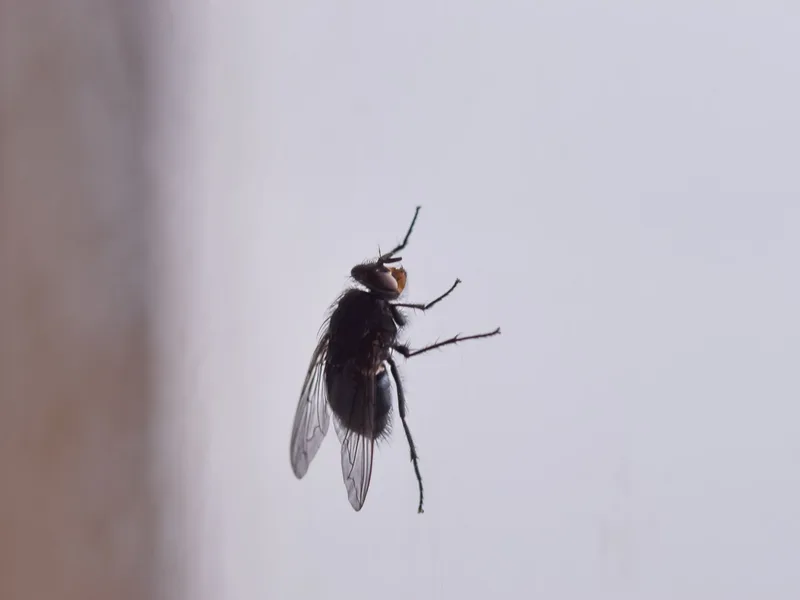
House fly
House flies in Al Tandabawi feed on scraps from the small restaurants and hotels that operate continuously year round and intensively during Umrah seasons.
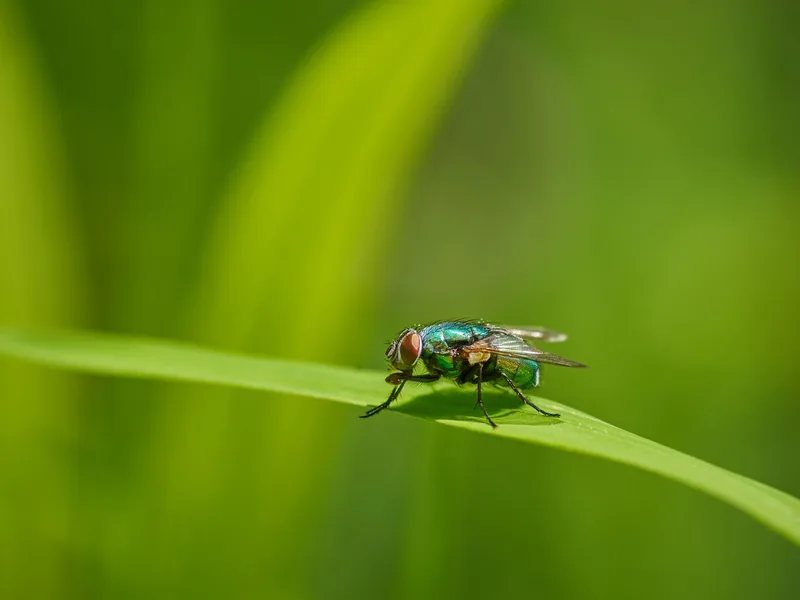
Blow fly
Blow flies appear in large numbers around hotels, food storage rooms and eateries that stock perishables, particularly where visitor numbers peak.
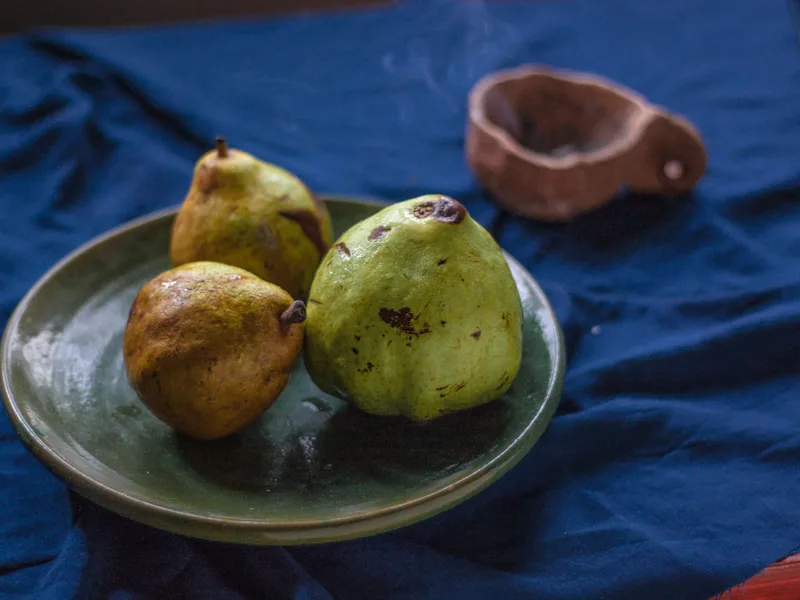
Fermenting residue
Food waste from hotels and restaurants accumulates in the narrow lanes and blind passages behind building rows in continuous streams.
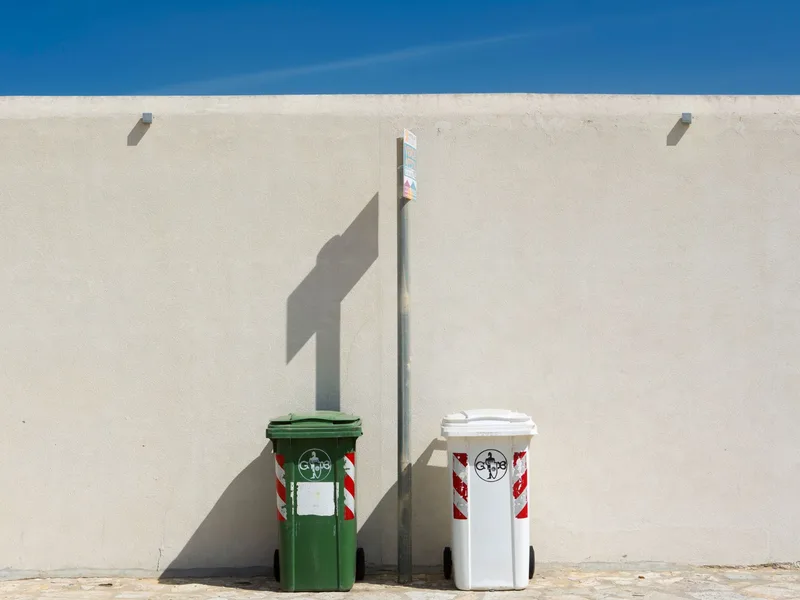
The bin base
Bin bases in hotels and restaurants collect liquid run off and fatty food scraps from busy kitchens constantly.
The film inside a drain
Drain films coat the shared piping that connects hotels to apartment blocks and houses throughout the quarter, providing perfect larval habitat.
The service door and its mesh
Service doors for hotels and restaurants open throughout the night to receive guests and deliveries, and missing mesh allows direct fly entry into shared spaces.
How we work
-
1
Inspect and trace the source
We trace the flies back to their medium: waste and the bin area, floor traps, drain runs and any standing organic wetness, and we identify the species from its size, its flight and where it settles.
-
2
Treat the breeding medium
Washing and scouring bin bases and floor traps, and a foam that treats the film inside the pipe, because removing the medium is the only thing that stops production.
-
3
Treat the resting surfaces
A fly spends most of its time settled on ceilings, cables, the tops of walls and the sunlit wall outside the door, and that is where the residual and the bait go, not into the air.
-
4
Proofing and the follow-up
We close the ways in and sort out the screens and the doors, then come back on a date matching the emergence of the pupae that were already in the medium on the first visit.
What fly control includes
-

A source tracing inspection
The species, the breeding medium and the route in, established before anything is applied.
-

Drains and floor traps
Scouring the film stuck inside the pipe and treating it with foam, which is where drain flies come from and almost nowhere else.
-

Residual on the resting surfaces
Ceilings, cables, the tops of walls and the sunlit wall outside the door, kept off food preparation surfaces.
-

Fly bait in protected positions
An attractant bait set at bin areas and service entrances, out of reach of children and pets and away from food.
-

Aftercare instructions
Ventilation, what to cover, and what needs a screen, an air curtain or a different waste routine.
-

A scheduled follow-up
A set date matching the emergence of the pupae, and re-treatment of any source still producing.
What is different about Ajyad Sub-Municipality
Ajyad sub municipality takes in the districts that press against the Grand Mosque from the south and west: Ajyad, Al Hajlah, Al Shubaikah, Al Tandabawi and Al Mansour. Hotels and rented apartment blocks for Umrah visitors stack up along Ajyad Street and Ibrahim Al Khalil Street, with kitchens and restaurants running aday and night in season. Behind them, Al Shubaikah and Al Tandabawi keep narrow old lanes on hillside ground where buildings and drains are ageing, and demolition and construction sites are a constant presence around Jabal Omar and the central zone.
Questions about this district
Do the many small hotels increase flies dramatically during season?
Extremely yes. Small hotels receive vast numbers of Umrah visitors and generate enormous quantities of food waste. Fly numbers spike sharply during these peak seasons.
Is treating a single hotel enough or must the whole alley be treated?
Close-packed lanes and shared drainage mean treating one hotel alone will fail. Flies will return quickly from neighbouring hotels, restaurants and shared piping.
Are the construction sites around Jabal Omar the main fly source?
Yes. Open wet soil and excavations provide ideal breeding ground, and flies spread from there into the surrounding lanes and buildings.
Do nighttime restaurants running continuously increase flies?
Yes significantly. Night operation means continuous food waste generation and flies breeding in these conditions at high density.
Are old flats stacked above hotels and restaurants hard to treat?
Very much so. Flats suffer constant fly incursion from the hotels and restaurants below, and complete separation is not possible given the shared structures.
Is fly pressure in Al Tandabawi worse than other Makkah districts?
Yes. The concentration of hotels, restaurants, old tight building stock and open construction sites makes Al Tandabawi a special case needing a distinct strategy.
How much does fly control in Al Tandabawi cost?
It is set after the inspection, because the price follows the type of infestation, the size of the space, how far it has spread and the number of visits it needs. Send a photo and a description on WhatsApp and we will give you an estimate before we reach Al Tandabawi.
Nearby districts we cover
Other services in Al Tandabawi
Other services we provide to residents of Al Tandabawi.
-
 Residential
Cockroach control
Residential
Cockroach control
-
 Residential
Bed bug control
Residential
Bed bug control
-
 Residential
Termite control
Residential
Termite control
-
 Residential
Rodents and mice
Residential
Rodents and mice
-
 Residential
Mosquito control
Residential
Mosquito control
-
 Residential
Ant control
Residential
Ant control
-
 Residential
Gecko control
Residential
Gecko control
-
 Residential
Scorpion control
Residential
Scorpion control
-
 Residential
Snake control
Residential
Snake control
-
 Residential
Flea control
Residential
Flea control
-
 Residential
Bird and pigeon control
Residential
Bird and pigeon control
-
 Residential
Preventive treatment
Residential
Preventive treatment
-
 Residential
Disinfection
Residential
Disinfection
-
 Commercial
Annual contracts
Commercial
Annual contracts
-
 Commercial
Restaurants and cafes
Commercial
Restaurants and cafes
-
 Commercial
Hotels and apartments
Commercial
Hotels and apartments
-
 Commercial
Warehouses and factories
Commercial
Warehouses and factories
-
 Commercial
Schools and nurseries
Commercial
Schools and nurseries
-
 Commercial
Retail and malls
Commercial
Retail and malls
-
 Commercial
Rest houses and farms
Commercial
Rest houses and farms
-
 Commercial
Fumigation
Commercial
Fumigation
-
 Water tanks
Water tank cleaning
Water tanks
Water tank cleaning
-
 Water tanks
Water tank sterilization
Water tanks
Water tank sterilization
-
 Water tanks
Water tank sealing
Water tanks
Water tank sealing
-
 Water tanks
Tank leak repair
Water tanks
Tank leak repair
Need fly control in Al Tandabawi? Tell us what you saw and we will tell you what it needs
We reach Al Tandabawi at a time we agree, and you get the full cost before we start.