
Fly control in Al Husayniyah Makkah
Al Husayniyah is a mixed district in south Makkah between Al Awali and Jabal Kasab, where old farmland and orchards have given way to housing schemes with hotels and villas beside modest homes. Wadi Uranah runs through it, and dense restaurants and markets provide constant food waste whilst open land provides natural fly shelter.
-
Targeted, not broadcast
Product goes into cracks and runways, never sprayed across open surfaces.
-
Told before we start
What we will use, where it goes, and what to cover or move before we arrive.
-
A follow-up visit
We return after the first treatment, because what survives it does not show on the day.
-
Homes and businesses
Apartments and villas, and kitchens and stores that need a record of each visit.
Why they keep coming back in Al Husayniyah
Old farm enclosures hold standing water for weeks after rain, and each pool becomes a fly breeding site within days as material settles and organic matter accumulates. The method is set out in full on the full Fly control page.
Dense restaurants and markets with high food waste volumes
The district hosts markets and restaurants along the Taif Al Hada road serving thousands of visitors and workers daily. Food waste collects in shared areas and open ground with no organised removal system.
Open land and farm enclosures that provide natural shelter
Old farms and enclosures have not been fully cleared and offer protected shelter from heat and wind. Stagnant water in these areas provides ideal development conditions for fly larvae.
Wadi Uranah carrying rainwater and seasonal flood flows
The wadi crosses the district carrying rainfall and flood water, leaving deep pools in multiple locations. Each pool remains for weeks and provides fly breeding sites across the entire area.
The character of Al Husayniyah
Mixed district: shops at street level with homes above them
A mixed district combines homes, villas, restaurants and open land, each providing a different fly source. Treating one home alone is incomplete; the entire district needs integrated control targeting restaurants, open ground and residences simultaneously to interrupt all breeding sources.
Where the flies are actually coming from
The transition from farming to building left old open farm enclosures and orchards exposed. Wadi Uranah carries rainwater and flash floods through the area, and waste collects in these open spaces without managed removal.
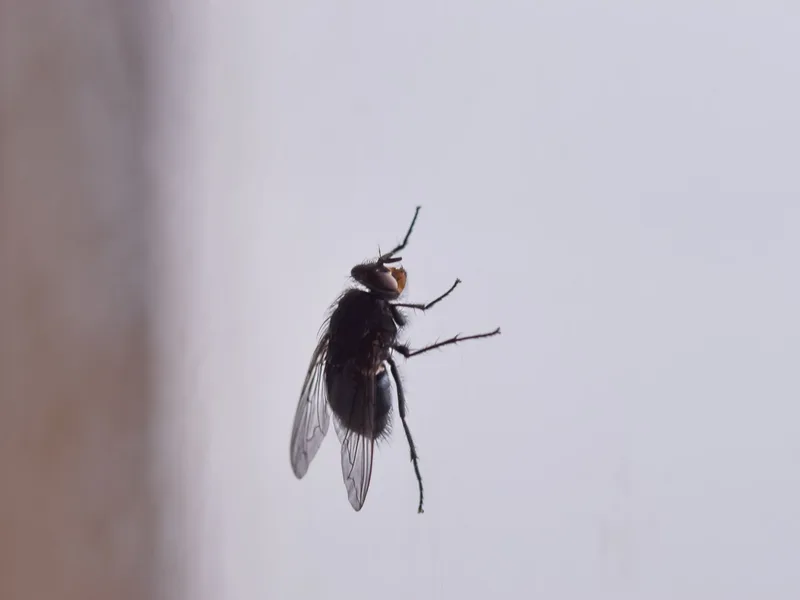
House fly
House flies shelter in villas and large houses where restaurants exist or protected refuge from heat provides cover from weather.
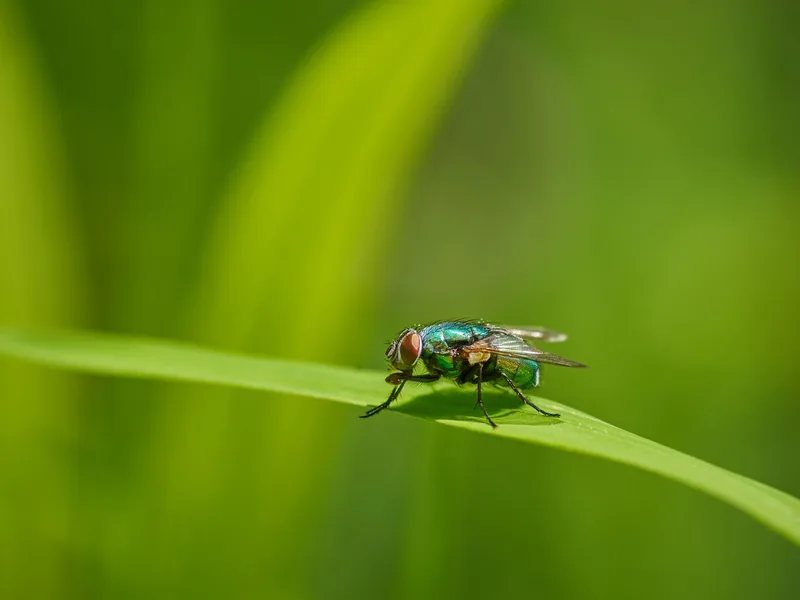
Blow fly
Blow flies prefer open ground, standing water, mould growth and accumulated waste scattered across the unmanaged land.
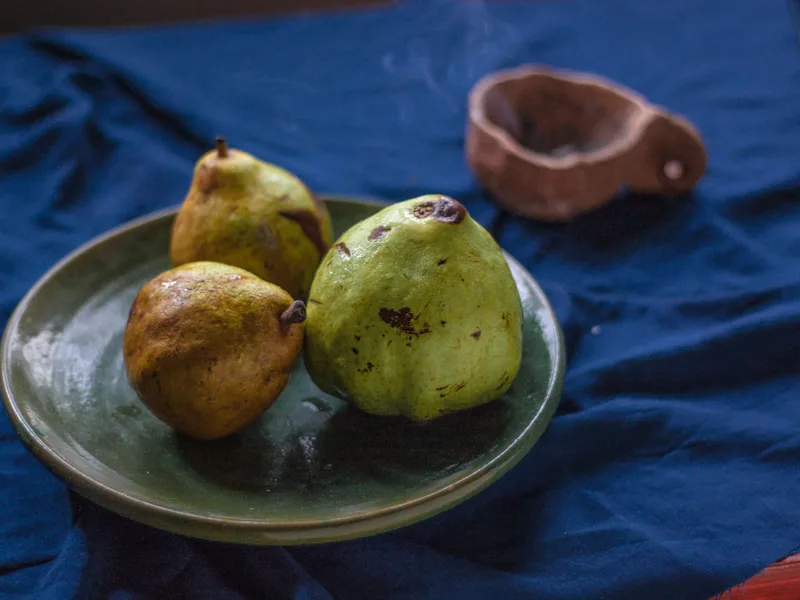
Fermenting residue
Fermenting residue from food discarded on open plots provides direct nutrition for entire fly swarms and accelerates adult emergence.
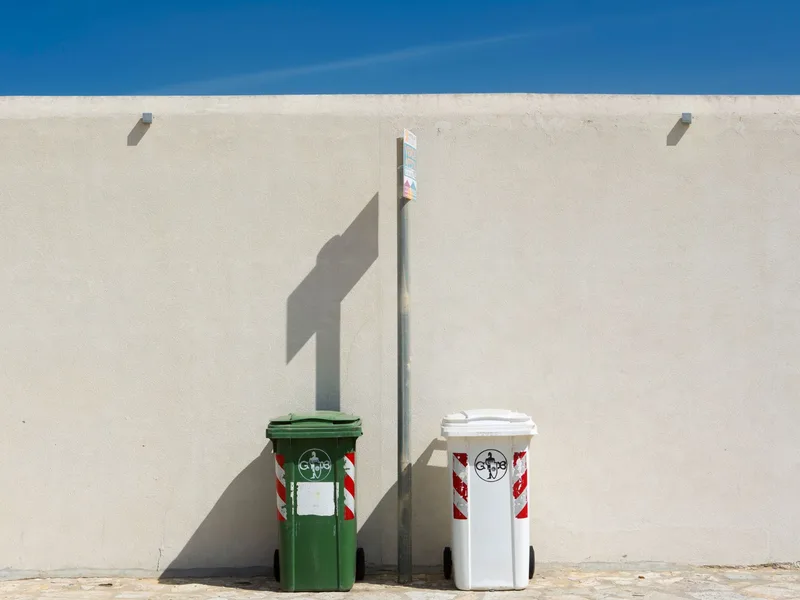
The bin base
The shared bin base in common areas leaks continuously, and waste accumulates in low ground where it remains wet.
The film inside a drain
Standing water biofilm in pools formed by flooding blocks the water surface after days, providing protection for eggs and larvae sheltered beneath.

The service door and its mesh
The service doors to the restaurants and their worn mesh allow free entry of fly swarms from the open ground areas.
How we work
-
1
Inspect and trace the source
We trace the flies back to their medium: waste and the bin area, floor traps, drain runs and any standing organic wetness, and we identify the species from its size, its flight and where it settles.
-
2
Treat the breeding medium
Washing and scouring bin bases and floor traps, and a foam that treats the film inside the pipe, because removing the medium is the only thing that stops production.
-
3
Treat the resting surfaces
A fly spends most of its time settled on ceilings, cables, the tops of walls and the sunlit wall outside the door, and that is where the residual and the bait go, not into the air.
-
4
Proofing and the follow-up
We close the ways in and sort out the screens and the doors, then come back on a date matching the emergence of the pupae that were already in the medium on the first visit.
What fly control includes
-

A source tracing inspection
The species, the breeding medium and the route in, established before anything is applied.
-

Drains and floor traps
Scouring the film stuck inside the pipe and treating it with foam, which is where drain flies come from and almost nowhere else.
-

Residual on the resting surfaces
Ceilings, cables, the tops of walls and the sunlit wall outside the door, kept off food preparation surfaces.
-

Fly bait in protected positions
An attractant bait set at bin areas and service entrances, out of reach of children and pets and away from food.
-

Aftercare instructions
Ventilation, what to cover, and what needs a screen, an air curtain or a different waste routine.
-

A scheduled follow-up
A set date matching the emergence of the pupae, and re-treatment of any source still producing.
What is different about Al Aziziyah (Makkah) Sub-Municipality
Al Aziziyah sub municipality runs from the Bin Dawood markets to the Al Hada road and carries pilgrim traffic to Mina. Hotel towers and furnished apartment blocks fill and empty with the Hajj and Ramadan seasons, and the kitchens, restaurants and markets along Al Masjid Al Haram Road and King Abdulaziz Road leave food waste at every peak. Southwards the fabric loosens into villas and planned streets in An Naseem and Al Awali, then Al Abidiyah's campus and the old farms of Al Husayniyah, where Wadi Uranah holds water after rain and farm enclosures shelter rodents and reptiles.
Questions about this district
Do open plots and old farm enclosures provide a natural fly source?
Yes, they retain water and mould and offer protected shelter from heat, attracting flies from surrounding areas in significant numbers.
Are the restaurants and markets on Taif Al Hada Road the primary cause?
Restaurants are important, but open ground and standing water are equally basic sources. Together they create ideal fly breeding conditions throughout the district.
Does Wadi Uranah provide a permanent development environment?
Yes, the wadi holds water permanently in certain areas, and waste from surrounding locations accumulates in it, providing both food and water sources.
Are the villas in Al Husayniyah better protected from flies than modest houses?
New villas offer better protection, but flies travel easily from open ground and restaurants, so complete protection does not exist anywhere in the district.
Is treating my home alone enough when open land surrounds it?
Treating the home is necessary but the open ground needs separate treatment. Comprehensive control must target the entire district including all surrounding land.
How often do I need treatment in a scheme like Al Husayniyah with valleys and open ground?
Weekly or twice-weekly treatment is important, especially before and after rainy seasons when new pools form and fly breeding accelerates dramatically.
How much does fly control in Al Husayniyah cost?
It is set after the inspection, because the price follows the type of infestation, the size of the space, how far it has spread and the number of visits it needs. Send a photo and a description on WhatsApp and we will give you an estimate before we reach Al Husayniyah.
Nearby districts we cover
Other services in Al Husayniyah
Other services we provide to residents of Al Husayniyah.
-
 Residential
Cockroach control
Residential
Cockroach control
-
 Residential
Bed bug control
Residential
Bed bug control
-
 Residential
Termite control
Residential
Termite control
-
 Residential
Rodents and mice
Residential
Rodents and mice
-
 Residential
Mosquito control
Residential
Mosquito control
-
 Residential
Ant control
Residential
Ant control
-
 Residential
Gecko control
Residential
Gecko control
-
 Residential
Scorpion control
Residential
Scorpion control
-
 Residential
Snake control
Residential
Snake control
-
 Residential
Flea control
Residential
Flea control
-
 Residential
Bird and pigeon control
Residential
Bird and pigeon control
-
 Residential
Preventive treatment
Residential
Preventive treatment
-
 Residential
Disinfection
Residential
Disinfection
-
 Commercial
Annual contracts
Commercial
Annual contracts
-
 Commercial
Restaurants and cafes
Commercial
Restaurants and cafes
-
 Commercial
Hotels and apartments
Commercial
Hotels and apartments
-
 Commercial
Warehouses and factories
Commercial
Warehouses and factories
-
 Commercial
Schools and nurseries
Commercial
Schools and nurseries
-
 Commercial
Retail and malls
Commercial
Retail and malls
-
 Commercial
Rest houses and farms
Commercial
Rest houses and farms
-
 Commercial
Fumigation
Commercial
Fumigation
-
 Water tanks
Water tank cleaning
Water tanks
Water tank cleaning
-
 Water tanks
Water tank sterilization
Water tanks
Water tank sterilization
-
 Water tanks
Water tank sealing
Water tanks
Water tank sealing
-
 Water tanks
Tank leak repair
Water tanks
Tank leak repair
Need fly control in Al Husayniyah? Tell us what you saw and we will tell you what it needs
We reach Al Husayniyah at a time we agree, and you get the full cost before we start.