
Fly control in Al Rawdah Makkah
Al Rawdah is a cluster of hotels and pilgrim residences east of the Grand Mosque between King Fahd Road and the Al Faisaliyah tunnel, sitting behind Jabal Abu Qubais. Older family homes are steadily replaced by tall seasonal accommodation blocks, and shared restaurants, kitchens and heavily loaded drains create an unbroken fly source during every pilgrimage season.
-
Targeted, not broadcast
Product goes into cracks and runways, never sprayed across open surfaces.
-
Told before we start
What we will use, where it goes, and what to cover or move before we arrive.
-
A follow-up visit
We return after the first treatment, because what survives it does not show on the day.
-
Homes and businesses
Apartments and villas, and kitchens and stores that need a record of each visit.
Why they keep coming back in Al Rawdah
Every Hajj and Umrah season fills the hotels rapidly and waste becomes a fly source for weeks before proper cleaning and removal occurs. The method is set out in full on what Fly control involves.
High-density seasonal hotel blocks with shared restaurants
Hotel buildings and seasonal residences supply thousands of beds in a single season with shared restaurants and kitchens serving many thousands of guests daily. Food waste does not get cleared quickly and accumulates in confined waste areas underground.
Heavy drainage load from hundreds of units through a single tunnel
All wastewater from the hotels passes through the Al Faisaliyah tunnel. This causes pipe congestion and waste accumulation. Stagnant water provides ideal conditions for fly larval development protected from disturbance.
Natural wind protection traps moisture and waste in place
The position between mountain and tunnel shields the area from wind, but this traps moisture, odours and flies inside the district. Stagnant air means flies remain in the area instead of dispersing away.
Al Rawdah on the map
Al Rawdah sits about 1 km from Al Maabdah and about 1.5 km from Al Jumayzah.
Open in Google MapsWhere the flies are actually coming from
The location between King Fahd Road and the mountain tunnel offers natural wind protection, but this traps moisture and waste. Stagnant water pools in low areas where drainage cannot clear efficiently.
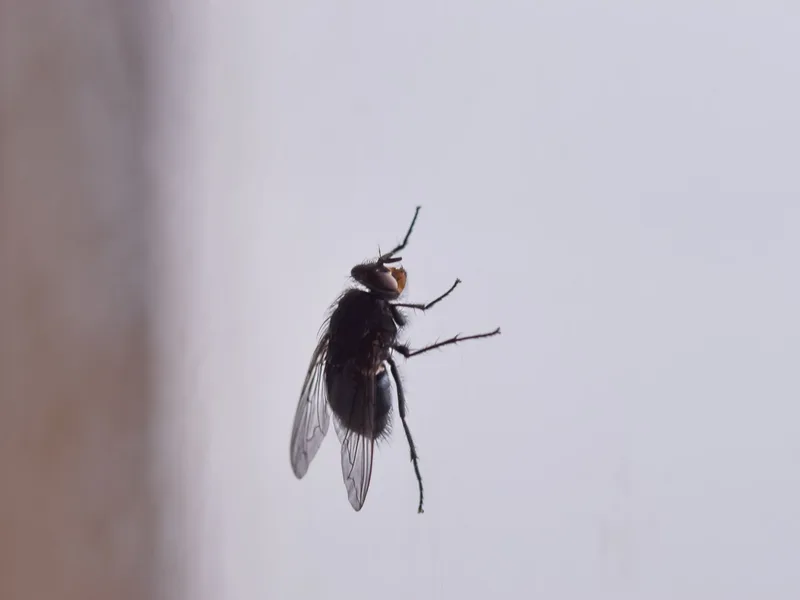
House fly
House flies shelter in the corridors and vacant rooms between guests, and constant occupant changeover provides opportunity for new flies to enter with every arriving guest.
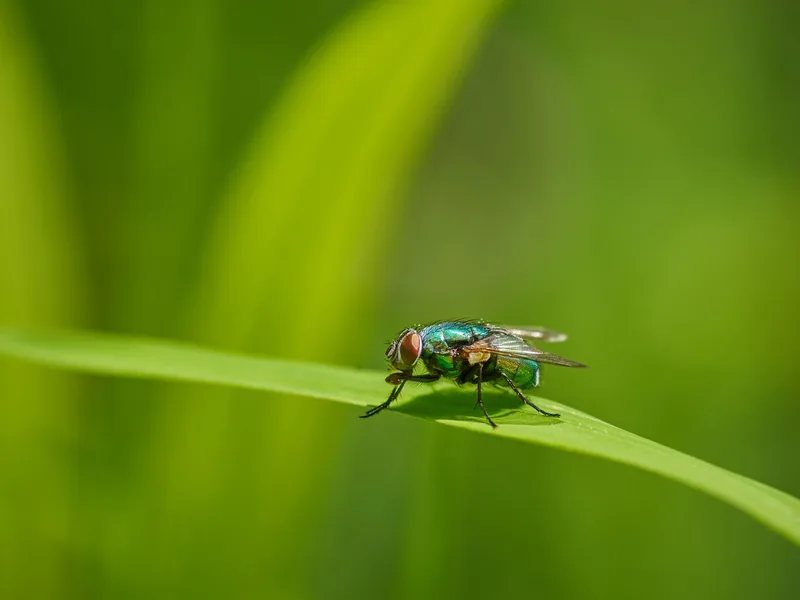
Blow fly
Blow flies favour exposed food in the restaurants and shared kitchens, and breed rapidly in hotel heat and close to the drainage outlets.
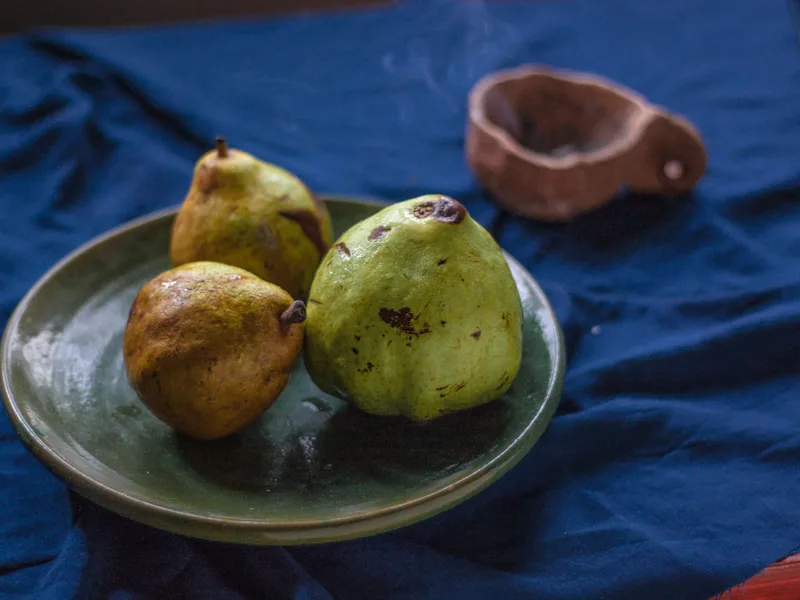
Fermenting residue
Fermenting residue collects in the shared bins and waste areas, accumulating during Hajj season with food waste sitting underground for days.
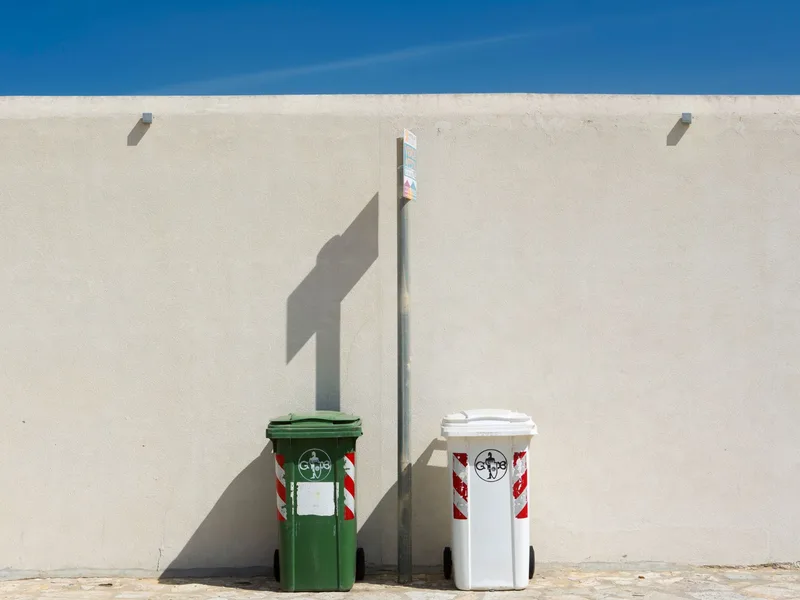
The bin base
The shared bin base serving the entire hotel leaks food remnants and liquids, collecting in underground areas that never dry completely between seasons.
The film inside a drain
Standing water biofilm in blocked pipes provides protected breeding conditions for fly larvae for weeks until hotel cleaning and pipe flushing occurs after the season ends.
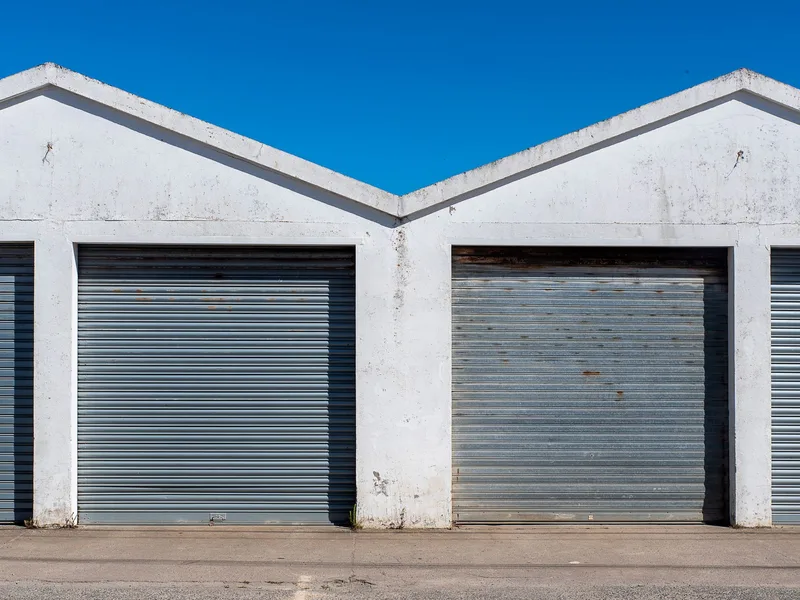
The service door and its mesh
The service doors and mesh screens of the restaurants are not sealed properly, and constant guest movement allows flies entry and exit throughout the day.
How we work
-
1
Inspect and trace the source
We trace the flies back to their medium: waste and the bin area, floor traps, drain runs and any standing organic wetness, and we identify the species from its size, its flight and where it settles.
-
2
Treat the breeding medium
Washing and scouring bin bases and floor traps, and a foam that treats the film inside the pipe, because removing the medium is the only thing that stops production.
-
3
Treat the resting surfaces
A fly spends most of its time settled on ceilings, cables, the tops of walls and the sunlit wall outside the door, and that is where the residual and the bait go, not into the air.
-
4
Proofing and the follow-up
We close the ways in and sort out the screens and the doors, then come back on a date matching the emergence of the pupae that were already in the medium on the first visit.
What fly control includes
-

A source tracing inspection
The species, the breeding medium and the route in, established before anything is applied.
-

Drains and floor traps
Scouring the film stuck inside the pipe and treating it with foam, which is where drain flies come from and almost nowhere else.
-

Residual on the resting surfaces
Ceilings, cables, the tops of walls and the sunlit wall outside the door, kept off food preparation surfaces.
-

Fly bait in protected positions
An attractant bait set at bin areas and service entrances, out of reach of children and pets and away from food.
-

Aftercare instructions
Ventilation, what to cover, and what needs a screen, an air curtain or a different waste routine.
-

A scheduled follow-up
A set date matching the emergence of the pupae, and re-treatment of any source still producing.
What is different about Al Maabdah Sub-Municipality
Al Maabdah sub municipality climbs from Al Abtah and Al Jumayzah beside the Al Mualla cemetery up through Al Khansa and Rai Adhakhir to Al Adl, Jabal Al Nour, Wadi Jaleel and Qurtubah on the outer ring roads. It mixes hotels and pilgrim housing near the Grand Mosque with old popular houses on hillside passes, new housing schemes on valley floors that carry flash floods after rain, and industrial plots, workshops and warehouses along Al Hajj Street in Qurtubah. Street widening and expropriation leave partly demolished frontages in Al Khansa.
Questions about this district
Do seasonal hotels provide worse fly breeding than ordinary residential buildings?
Significantly worse, because a single hotel sees occupant turnover every three days, and waste from hundreds of guests provides continuous nutrition without any break.
Are shared kitchens and restaurants worse than separate commercial establishments?
Yes, because shared kitchens carry extremely heavy workloads and waste accumulates in high volume. Waste remains underground for extended periods before proper disposal.
Does drainage through a single tunnel cause congestion and waste buildup?
Yes, all hotels use the same pipes. Excess load causes blockages that trap water and organic matter where fly larvae develop undisturbed.
Does Jabal Abu Qubais behind the buildings provide natural fly shelter?
The mountain shields the area from wind, so flies remain in the district instead of dispersing, but the mountain itself provides no food or direct breeding habitat.
How often do I need treatment during Hajj season in Al Rawdah?
Weekly treatment minimum during the season, possibly more frequently if the hotels are fully occupied and waste accumulates at accelerated rates.
Is treatment after season ends enough, or does it need to continue?
After the season ends problems reduce, but the older houses that remain and accumulated waste provide a low-level source that still needs periodic treatment.
How much does fly control in Al Rawdah cost?
It is set after the inspection, because the price follows the type of infestation, the size of the space, how far it has spread and the number of visits it needs. Send a photo and a description on WhatsApp and we will give you an estimate before we reach Al Rawdah.
Nearby districts we cover
Other services in Al Rawdah
Other services we provide to residents of Al Rawdah.
-
 Residential
Cockroach control
Residential
Cockroach control
-
 Residential
Bed bug control
Residential
Bed bug control
-
 Residential
Termite control
Residential
Termite control
-
 Residential
Rodents and mice
Residential
Rodents and mice
-
 Residential
Mosquito control
Residential
Mosquito control
-
 Residential
Ant control
Residential
Ant control
-
 Residential
Gecko control
Residential
Gecko control
-
 Residential
Scorpion control
Residential
Scorpion control
-
 Residential
Snake control
Residential
Snake control
-
 Residential
Flea control
Residential
Flea control
-
 Residential
Bird and pigeon control
Residential
Bird and pigeon control
-
 Residential
Preventive treatment
Residential
Preventive treatment
-
 Residential
Disinfection
Residential
Disinfection
-
 Commercial
Annual contracts
Commercial
Annual contracts
-
 Commercial
Restaurants and cafes
Commercial
Restaurants and cafes
-
 Commercial
Hotels and apartments
Commercial
Hotels and apartments
-
 Commercial
Warehouses and factories
Commercial
Warehouses and factories
-
 Commercial
Schools and nurseries
Commercial
Schools and nurseries
-
 Commercial
Retail and malls
Commercial
Retail and malls
-
 Commercial
Rest houses and farms
Commercial
Rest houses and farms
-
 Commercial
Fumigation
Commercial
Fumigation
-
 Water tanks
Water tank cleaning
Water tanks
Water tank cleaning
-
 Water tanks
Water tank sterilization
Water tanks
Water tank sterilization
-
 Water tanks
Water tank sealing
Water tanks
Water tank sealing
-
 Water tanks
Tank leak repair
Water tanks
Tank leak repair
Need fly control in Al Rawdah? Tell us what you saw and we will tell you what it needs
We reach Al Rawdah at a time we agree, and you get the full cost before we start.