
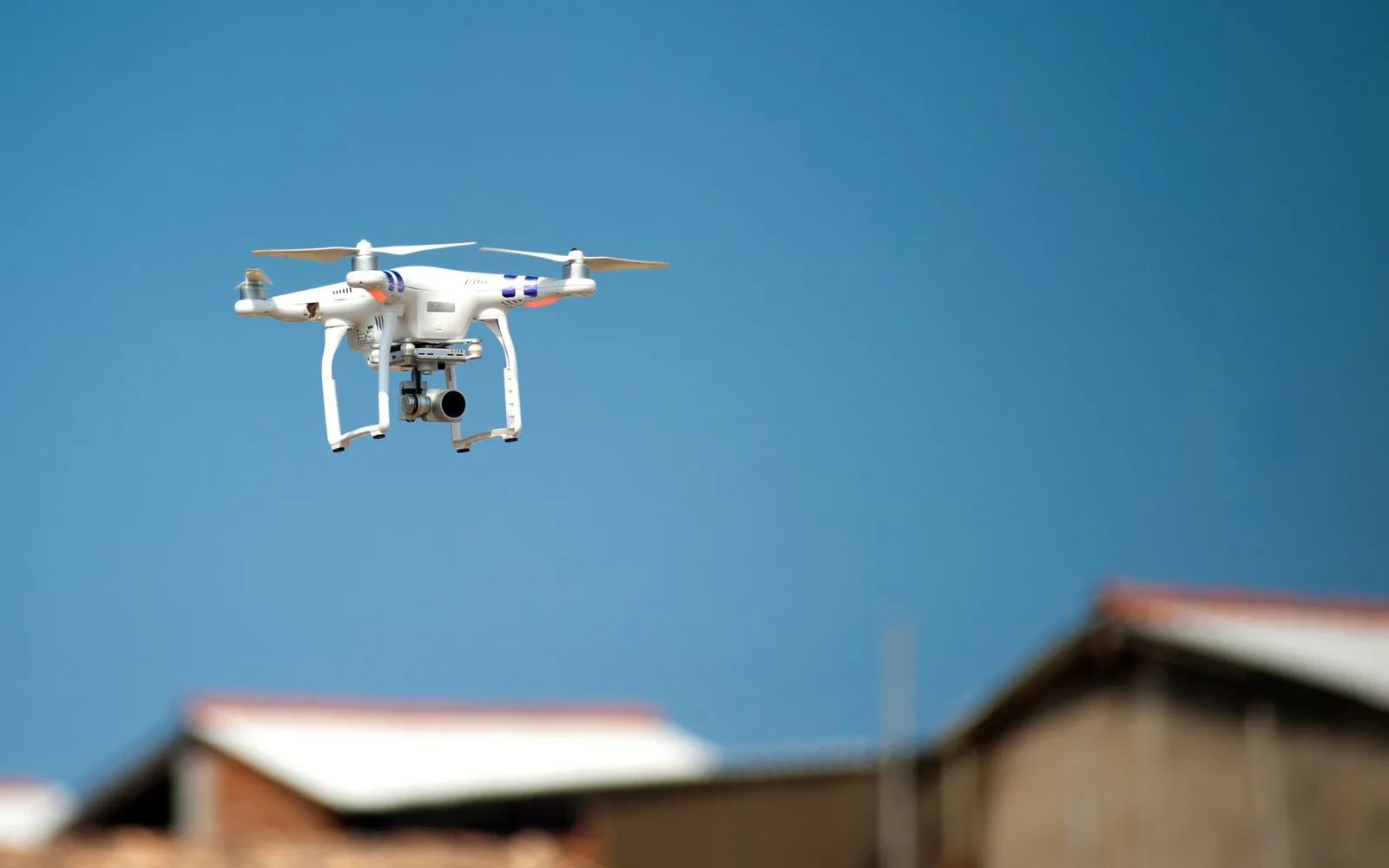
Fly control in Al Maabdah Makkah
Al Maabdah is an historic district two kilometres north east of the Grand Mosque, where old palaces and houses have been converted into hotels and apartment blocks on Al Maabdah Street and the Al Masjid Al Haram Road. Flies here are heavy because hotels and the nearby hospital produce rich organic waste, and the ancient buildings have failing sewage and wide gaps between their thick walls.
-
Targeted, not broadcast
Product goes into cracks and runways, never sprayed across open surfaces.
-
Told before we start
What we will use, where it goes, and what to cover or move before we arrive.
-
A follow-up visit
We return after the first treatment, because what survives it does not show on the day.
-
Homes and businesses
Apartments and villas, and kitchens and stores that need a record of each visit.
Why they keep coming back in Al Maabdah
Flats in Al Maabdah that sit above hotels and commercial premises experience heavy fly pressure all year, even in the winter cold that suppresses infestations in other parts of the city. The method is set out in full on the full Fly control page.
Hotels produce endless food waste
The hotels in Al Maabdah generate vast quantities of rich organic refuse from their kitchens and restaurants continuously. The waste seeps through shared drainage and the gaps between old buildings, allowing flies to move easily from the adjacent hotel to the residential flat without entering from outside.
Old buildings and failing sewage
The buildings of Al Maabdah are very old and their pipes date from decades past. Broken and leaking sewage creates the perfect fly breeding environment inside walls, passages and foundations. Repairing such sewage in historic structures is nearly impossible.
Proximity to King Faisal Hospital and government offices
King Faisal Hospital and the adjoining government buildings contribute additional fly sources from medical and administrative waste. Flies transfer between these sources and residential flats through shared drainage and the air, creating a cycle that never fully stops.
Al Maabdah on the map
Al Maabdah sits about 1 km from Al Rawdah and about 1.5 km from Al Jumayzah.
Open in Google MapsWhere the flies are actually coming from
In Wadi Ibrahim on the Al Abtah side, Al Maabdah is an old quarter with narrow lanes and buildings whose drainage dates from decades past. Hotels, residential towers, King Faisal Hospital and the municipal headquarters surround the district.
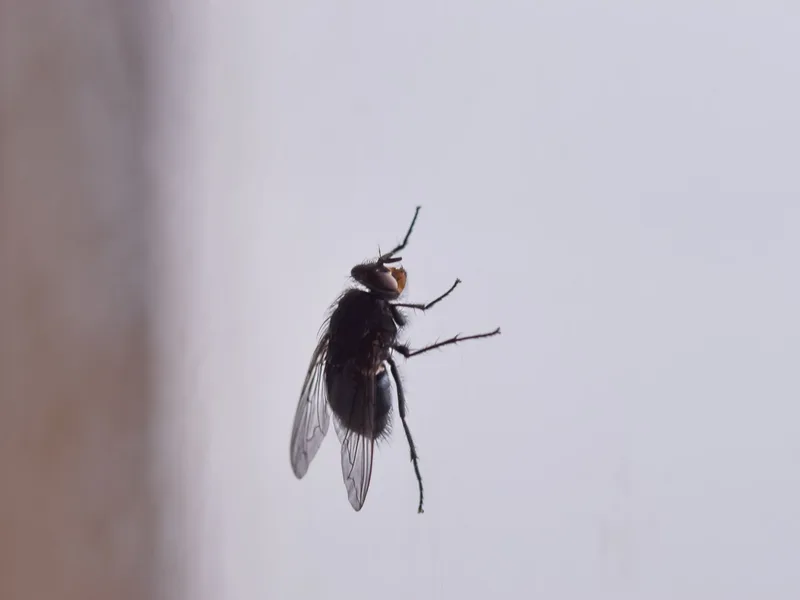
House fly
House flies in Al Maabdah transfer from hotels and the hospital to flats through shared drainage and large gaps in the old thick walls, creating continuous waves of infestation from external sources.
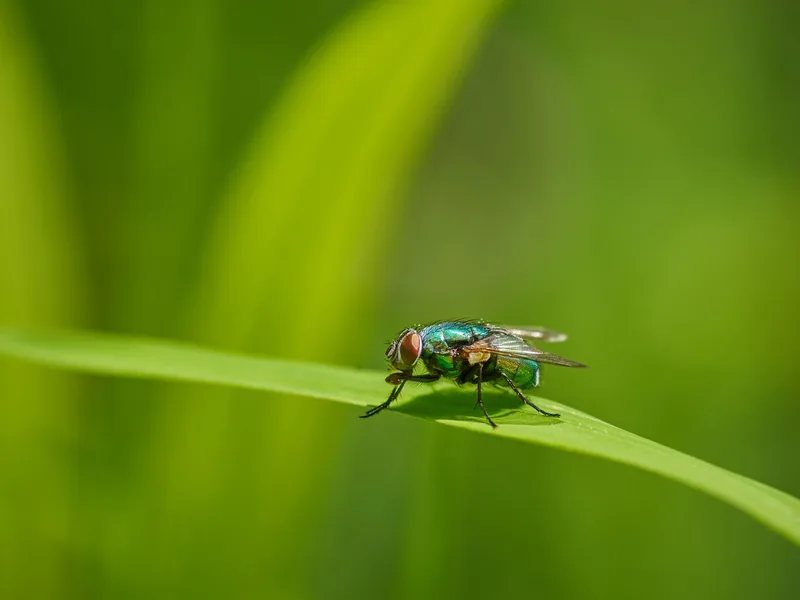
Blow fly
Blow flies appear heavily in Al Maabdah due to the rich organic waste from restaurant kitchens, hotel operations and hospital facilities.
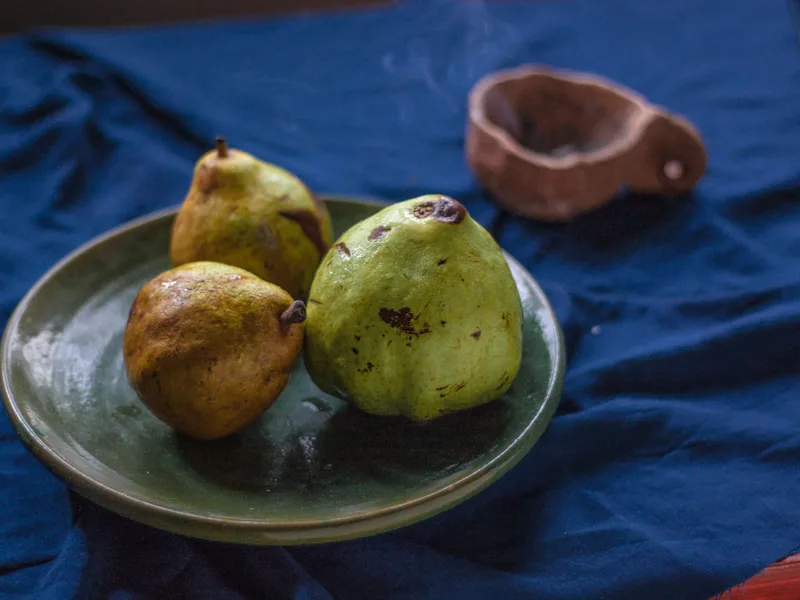
Fermenting residue
Fermenting residue accumulates in the failing and broken sewage threaded through the walls of old buildings, establishing a permanent breeding site that produces new flies continuously.
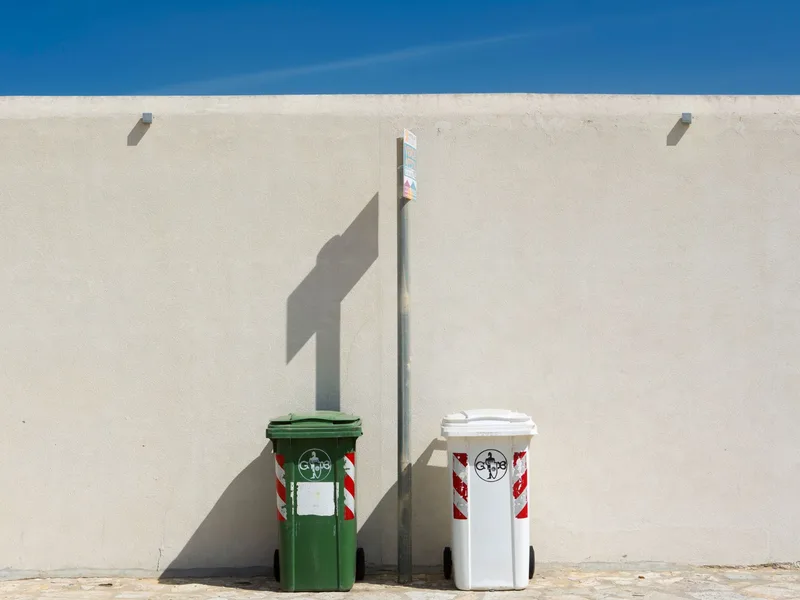
The bin base
The rubbish collection point in Al Maabdah often serves the hotel and residents together, and liquids leak from it into the soil and the old walls, attracting flies to every level of the building.
The film inside a drain
Internal drainage in Al Maabdah's buildings is fractured and seeps into walls and passages, creating ideal conditions for larval development in environments that cannot be reached or repaired.
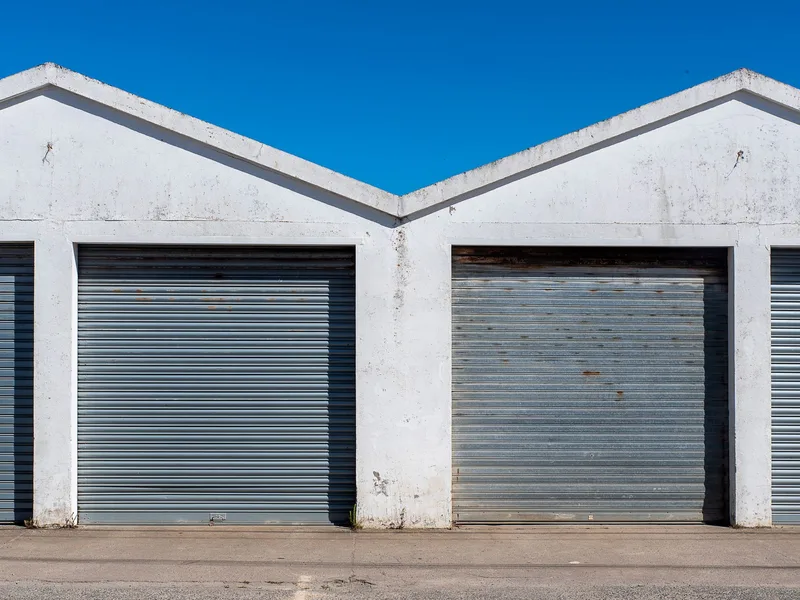
The service door and its mesh
Metal mesh screens on flat windows are often loose or perforated due to age, allowing constant fly entry that no amount of internal treatment can fully overcome.
How we work
-
1
Inspect and trace the source
We trace the flies back to their medium: waste and the bin area, floor traps, drain runs and any standing organic wetness, and we identify the species from its size, its flight and where it settles.
-
2
Treat the breeding medium
Washing and scouring bin bases and floor traps, and a foam that treats the film inside the pipe, because removing the medium is the only thing that stops production.
-
3
Treat the resting surfaces
A fly spends most of its time settled on ceilings, cables, the tops of walls and the sunlit wall outside the door, and that is where the residual and the bait go, not into the air.
-
4
Proofing and the follow-up
We close the ways in and sort out the screens and the doors, then come back on a date matching the emergence of the pupae that were already in the medium on the first visit.
What fly control includes
-

A source tracing inspection
The species, the breeding medium and the route in, established before anything is applied.
-

Drains and floor traps
Scouring the film stuck inside the pipe and treating it with foam, which is where drain flies come from and almost nowhere else.
-

Residual on the resting surfaces
Ceilings, cables, the tops of walls and the sunlit wall outside the door, kept off food preparation surfaces.
-

Fly bait in protected positions
An attractant bait set at bin areas and service entrances, out of reach of children and pets and away from food.
-

Aftercare instructions
Ventilation, what to cover, and what needs a screen, an air curtain or a different waste routine.
-

A scheduled follow-up
A set date matching the emergence of the pupae, and re-treatment of any source still producing.
Landmarks of Al Maabdah
Al Maabdah sits on Al Maabdah Street and close to King Faisal Hospital, surrounded by hotels on all sides. Work begins on the main street and at the hospital area where waste sources concentrate, then moves into the flats within the buildings themselves.
- Al Maabdah Street
- Al Masjid Al Haram Road
- Holy Capital Municipality
- King Faisal Hospital
- Al Saqqaf Palace
Questions about this district
The adjoining hotel cleans constantly but flies in our flat are still very heavy. Why?
Hotel cleaning reduces free-flying insects, but waste, water and grease have seeped into the shared sewage and soil. Flies breed in the drainage and the walls continuously, and treating the hotel surfaces alone does not disrupt the cycle inside.
Is the failing sewage in Al Maabdah the main fly problem?
Failing sewage is ideal breeding habitat but not the only source. Hotel and hospital waste continuously feed this habitat. Treating the sewage alone without controlling waste input will not stop the infestation.
Our flat is close to King Faisal Hospital. Will we have flies constantly?
Proximity to the hospital increases pressure, but strong treatment makes a significant difference. The hospital and hotels are sources, but controlling internal drainage and waste reduces numbers substantially.
Do the narrow old lanes of Al Maabdah shelter flies?
Yes. The narrow lanes, ancient walls and broken sewage provide ideal shelter for flies and insects. Cracks and gaps are abundant and many are unreachable or inaccessible to treatment.
Is treating our flat alone enough against the hotel's constant waste?
Treating the flat improves conditions but flies return from the hotel and shared sewage. The best outcome combines treating the flat, managing the drainage and coordinating with the hotel on waste control.
Does winter reduce flies in Al Maabdah like it does elsewhere in Makkah?
No. The heated hotels, warm buildings and wet sewage sustain fly activity in Al Maabdah through winter. Numbers do not fall as sharply in the cold season as they do in the rest of the city.
How much does fly control in Al Maabdah cost?
It is set after the inspection, because the price follows the type of infestation, the size of the space, how far it has spread and the number of visits it needs. Send a photo and a description on WhatsApp and we will give you an estimate before we reach Al Maabdah.
Nearby districts we cover
Other services in Al Maabdah
Other services we provide to residents of Al Maabdah.
-
 Residential
Cockroach control
Residential
Cockroach control
-
 Residential
Bed bug control
Residential
Bed bug control
-
 Residential
Termite control
Residential
Termite control
-
 Residential
Rodents and mice
Residential
Rodents and mice
-
 Residential
Mosquito control
Residential
Mosquito control
-
 Residential
Ant control
Residential
Ant control
-
 Residential
Gecko control
Residential
Gecko control
-
 Residential
Scorpion control
Residential
Scorpion control
-
 Residential
Snake control
Residential
Snake control
-
 Residential
Flea control
Residential
Flea control
-
 Residential
Bird and pigeon control
Residential
Bird and pigeon control
-
 Residential
Preventive treatment
Residential
Preventive treatment
-
 Residential
Disinfection
Residential
Disinfection
-
 Commercial
Annual contracts
Commercial
Annual contracts
-
 Commercial
Restaurants and cafes
Commercial
Restaurants and cafes
-
 Commercial
Hotels and apartments
Commercial
Hotels and apartments
-
 Commercial
Warehouses and factories
Commercial
Warehouses and factories
-
 Commercial
Schools and nurseries
Commercial
Schools and nurseries
-
 Commercial
Retail and malls
Commercial
Retail and malls
-
 Commercial
Rest houses and farms
Commercial
Rest houses and farms
-
 Commercial
Fumigation
Commercial
Fumigation
-
 Water tanks
Water tank cleaning
Water tanks
Water tank cleaning
-
 Water tanks
Water tank sterilization
Water tanks
Water tank sterilization
-
 Water tanks
Water tank sealing
Water tanks
Water tank sealing
-
 Water tanks
Tank leak repair
Water tanks
Tank leak repair
Need fly control in Al Maabdah? Tell us what you saw and we will tell you what it needs
We reach Al Maabdah at a time we agree, and you get the full cost before we start.