
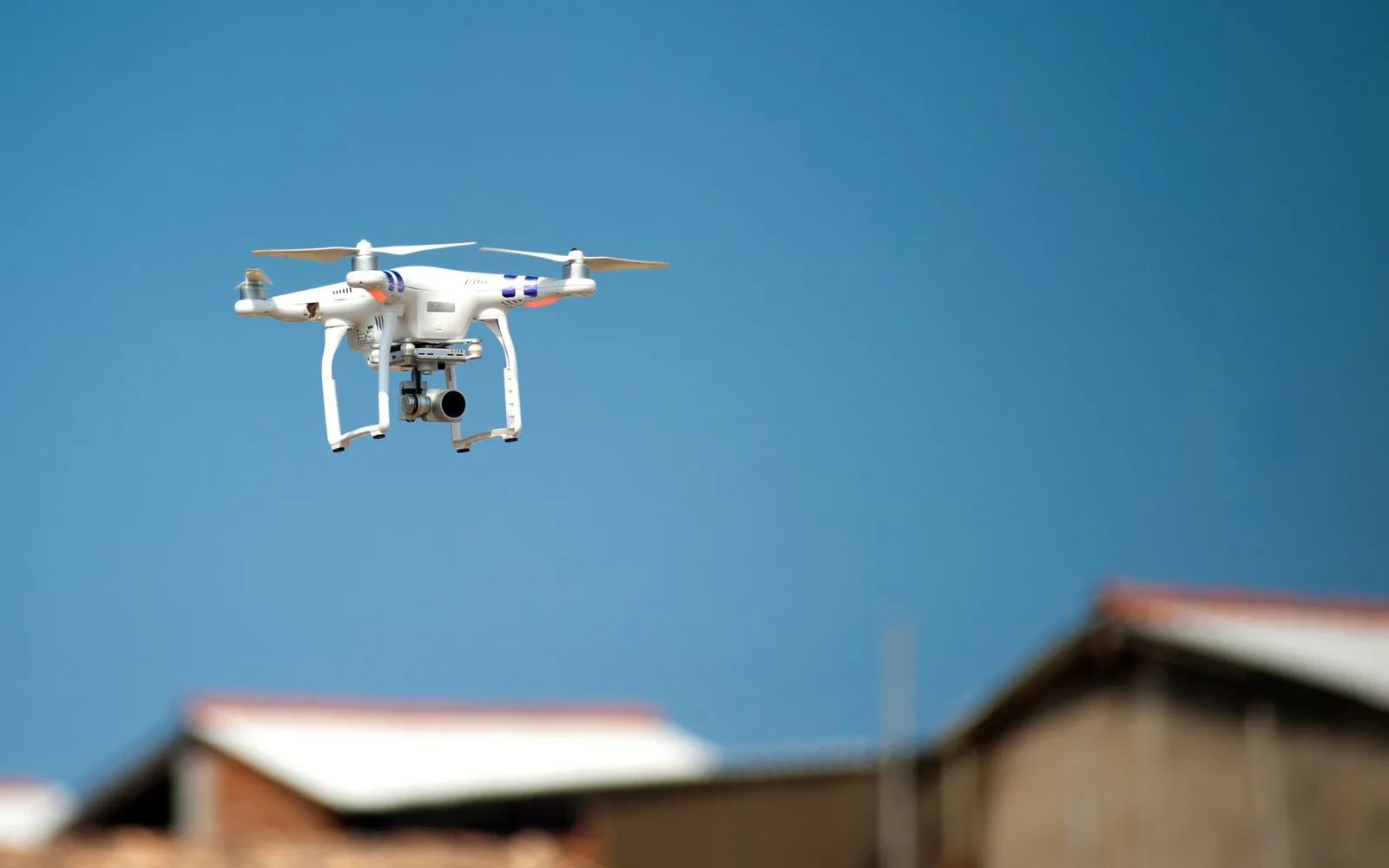
Fly control in Thaniyah Makkah
Thaniyah is a rural tract with scattered houses across open hillside dotted with small orchards and irrigation wells. Flies here spring from natural sources: the wadi, the ravines and neighbouring farms, so treating a single house requires understanding that the source is not a finished district but the open landscape itself. Control must reach outward to the actual breeding ground.
-
Targeted, not broadcast
Product goes into cracks and runways, never sprayed across open surfaces.
-
Told before we start
What we will use, where it goes, and what to cover or move before we arrive.
-
A follow-up visit
We return after the first treatment, because what survives it does not show on the day.
-
Homes and businesses
Apartments and villas, and kitchens and stores that need a record of each visit.
Why they keep coming back in Thaniyah
Fly outbreaks here are more seasonal than the city but directly linked to watering patterns and nearby orchards; a house may feel remote but the breeding source sits just beyond the property boundary. The method is set out in full on the full Fly control page.
The wadi and ravines are a natural unending fly source
Wadi Mudarraja and its surrounding ravines receive rainwater, groundwater and irrigation runoff, creating a naturally damp environment where flies breed continuously. A house near the wadi receives flies directly from this source, and distance from town does not protect it because flies migrate seeking shade and moisture. Treating the house alone leaves this natural factory running.
Wells and continuous watering keep soil moist year round
Rural houses in Thaniyah draw from private wells and water the property constantly through the growing season. Wet soil around the house and in small gardens provides an ideal breeding ground, and larvae develop quickly because hillside humidity and temperature combine perfectly. Fly populations rise within days of heavy watering.
Small orchards beside the house produce fallen fruit and live breeding
Rural homes here have small date and fruit orchards, and fallen and rotting fruit on the ground is direct food for flies and a laying ground for eggs. The orchard is metres from the house, not distant, so flies do not stay there but enter the house seeking cool shelter at dusk. Treating the house whilst the orchard runs untouched leaves the main source intact.
The character of Thaniyah
Rural area: farms, open ground and scattered homes
Thaniyah is rural with scattered houses; flies here originate from natural open sources around the property, not from a finished district.
Where the flies are actually coming from
Open hilly ground east of Uhud between the Makkah to Taif expressway and Hatim district, where Wadi Mudarraja runs and the hamlet of Abid Al Qurashi sits, with scattered rural homes and continuous water sources for irrigation.
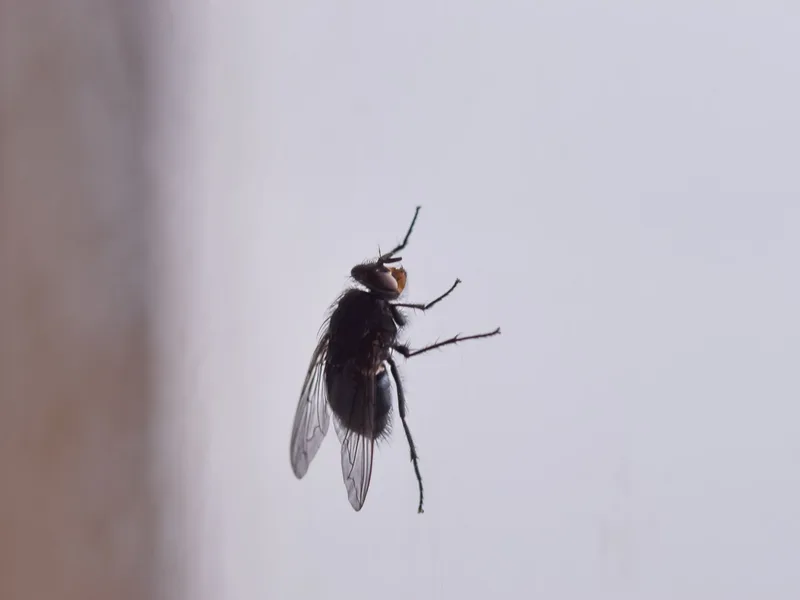
House fly
House flies arrive from the wadi and ravines and find in the orchard and moist soil around the property a matching breeding habitat, entering the house at dusk seeking cool night shelter.
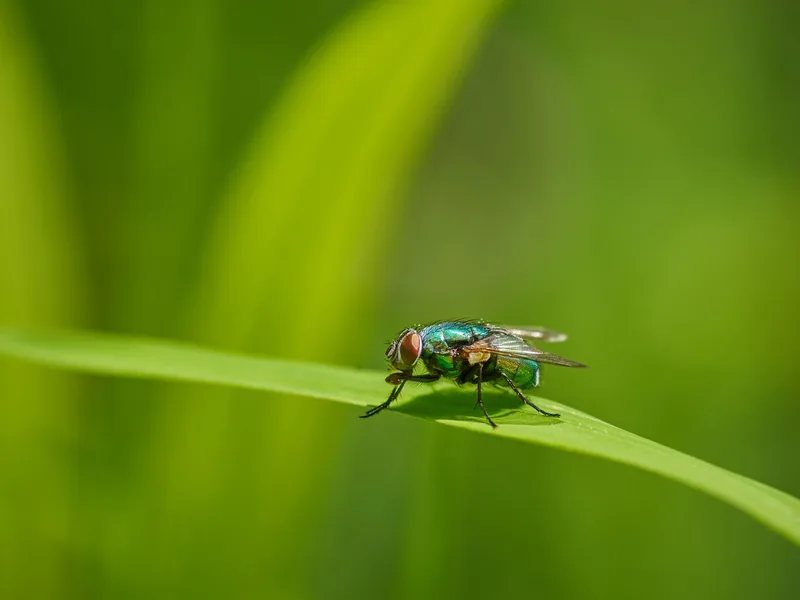
Blow fly
Blow flies originate from rotting fruit in the orchard and wadi and breed rapidly in fallen date and fruit around the house perimeter.
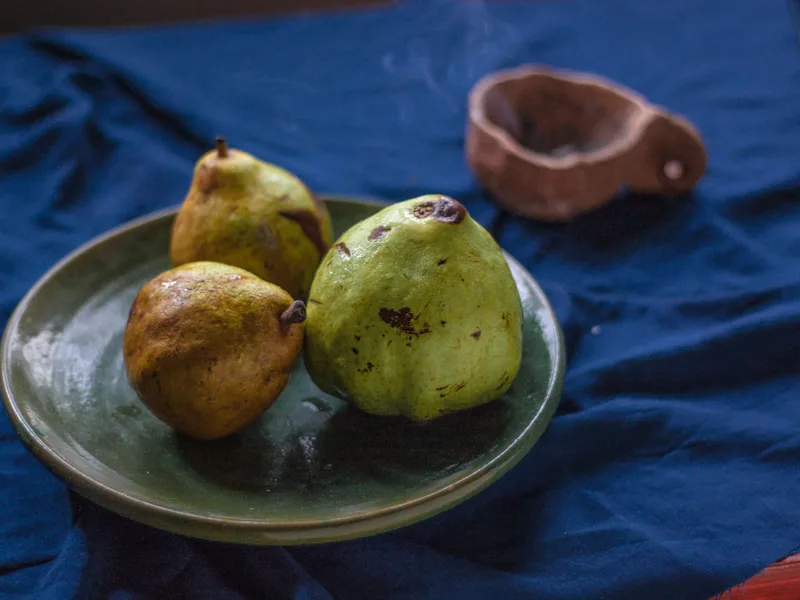
Fermenting residue
Decomposing fruit in orchard ground and soil around the house is a powerful breeding medium, and moisture from watering and wadi runoff keeps it active through the season.
The bin base
The rubbish heap and household waste around a rural house collects kitchen scraps and garden matter, becoming a secondary breeding centre especially in summer months.

The film inside a drain
Irrigation channels and well outflow around the property create continuous damp soil, which attracts flies from the orchard and wadi throughout the growing period.
The service door and its mesh
House openings and doors in evening and night need protection because rural flies enter seeking cool refuge after daylight heat, particularly through summer.
How we work
-
1
Inspect and trace the source
We trace the flies back to their medium: waste and the bin area, floor traps, drain runs and any standing organic wetness, and we identify the species from its size, its flight and where it settles.
-
2
Treat the breeding medium
Washing and scouring bin bases and floor traps, and a foam that treats the film inside the pipe, because removing the medium is the only thing that stops production.
-
3
Treat the resting surfaces
A fly spends most of its time settled on ceilings, cables, the tops of walls and the sunlit wall outside the door, and that is where the residual and the bait go, not into the air.
-
4
Proofing and the follow-up
We close the ways in and sort out the screens and the doors, then come back on a date matching the emergence of the pupae that were already in the medium on the first visit.
What fly control includes
-

A source tracing inspection
The species, the breeding medium and the route in, established before anything is applied.
-

Drains and floor traps
Scouring the film stuck inside the pipe and treating it with foam, which is where drain flies come from and almost nowhere else.
-

Residual on the resting surfaces
Ceilings, cables, the tops of walls and the sunlit wall outside the door, kept off food preparation surfaces.
-

Fly bait in protected positions
An attractant bait set at bin areas and service entrances, out of reach of children and pets and away from food.
-

Aftercare instructions
Ventilation, what to cover, and what needs a screen, an air curtain or a different waste routine.
-

A scheduled follow-up
A set date matching the emergence of the pupae, and re-treatment of any source still producing.
Landmarks of Thaniyah
Rural homes in Thaniyah lie north of the Makkah to Taif expressway between Uhud and Hatim, surrounded by Wadi Mudarraja, Abid Al Qurashi hamlet and open ravines. Fly treatment must account for proximity to the wadi and closeness to surrounding orchards around the house, because this rural setting creates a natural and continuous breeding environment.
- Makkah to Taif Expressway
- Wadi Mudarraja
- Abid Al Qurashi Hamlet
Questions about this district
Are the flies I see from Wadi Mudarraja or from the orchard beside the house?
Both sources feed the problem. The wadi is a permanent natural source due to its moisture and organic matter, and the orchard is closer and more impactful on the house. Flies come from both but the orchard is stronger because it sits so near the house openings and produces daily.
Is treating the house alone sufficient or must the orchard be treated separately too?
Treating the house blocks direct entry but flies continue breeding in the orchard and soil around it. Full control includes the house interior, the orchard, soil around the house boundary and the well outflow where possible. Without orchard treatment, flies return from there within days.
Is the small orchard really a continuous fly source or merely a shelter?
The orchard is a continuous breeding source because fallen fruit and moist soil around the trees provide complete breeding habitat. Flies lay eggs on rotting fruit and in soil around palms, and larvae develop fast. The orchard is not shelter alone; it is a fly factory producing new adults every two days.
If we reduce watering will the flies reduce or is the source too natural to stop?
Less watering reduces flies but does not eliminate them because the wadi and ravines provide a permanent natural source. Flies do not depend only on watering around the house but on overall landscape moisture. Active treatment is necessary even with reduced water because the source is environmental.
How many fly treatments per year does a rural house in Thaniyah typically need?
Peak season runs April through September when moisture is high and heat accelerates breeding. Monthly treatment in summer may be necessary, and bi monthly through winter is usually adequate. If watering is year round, treatment may be needed through winter too because the moist environment never fully stops.
Are the wild flies from ravines and hillside different from ordinary house flies?
Yes, wild fly species from the ravines and wadi are larger and hardier than common house flies, but all types are a problem. Wild flies migrate to the house at night seeking cool shelter. House treatment stops all types but the natural source keeps producing through the season.
How much does fly control in Thaniyah cost?
It is set after the inspection, because the price follows the type of infestation, the size of the space, how far it has spread and the number of visits it needs. Send a photo and a description on WhatsApp and we will give you an estimate before we reach Thaniyah.
Other services in Thaniyah
Other services we provide to residents of Thaniyah.
-
 Residential
Cockroach control
Residential
Cockroach control
-
 Residential
Bed bug control
Residential
Bed bug control
-
 Residential
Termite control
Residential
Termite control
-
 Residential
Rodents and mice
Residential
Rodents and mice
-
 Residential
Mosquito control
Residential
Mosquito control
-
 Residential
Ant control
Residential
Ant control
-
 Residential
Gecko control
Residential
Gecko control
-
 Residential
Scorpion control
Residential
Scorpion control
-
 Residential
Snake control
Residential
Snake control
-
 Residential
Flea control
Residential
Flea control
-
 Residential
Bird and pigeon control
Residential
Bird and pigeon control
-
 Residential
Preventive treatment
Residential
Preventive treatment
-
 Residential
Disinfection
Residential
Disinfection
-
 Commercial
Annual contracts
Commercial
Annual contracts
-
 Commercial
Restaurants and cafes
Commercial
Restaurants and cafes
-
 Commercial
Hotels and apartments
Commercial
Hotels and apartments
-
 Commercial
Warehouses and factories
Commercial
Warehouses and factories
-
 Commercial
Schools and nurseries
Commercial
Schools and nurseries
-
 Commercial
Retail and malls
Commercial
Retail and malls
-
 Commercial
Rest houses and farms
Commercial
Rest houses and farms
-
 Commercial
Fumigation
Commercial
Fumigation
-
 Water tanks
Water tank cleaning
Water tanks
Water tank cleaning
-
 Water tanks
Water tank sterilization
Water tanks
Water tank sterilization
-
 Water tanks
Water tank sealing
Water tanks
Water tank sealing
-
 Water tanks
Tank leak repair
Water tanks
Tank leak repair
Need fly control in Thaniyah? Tell us what you saw and we will tell you what it needs
We reach Thaniyah at a time we agree, and you get the full cost before we start.