
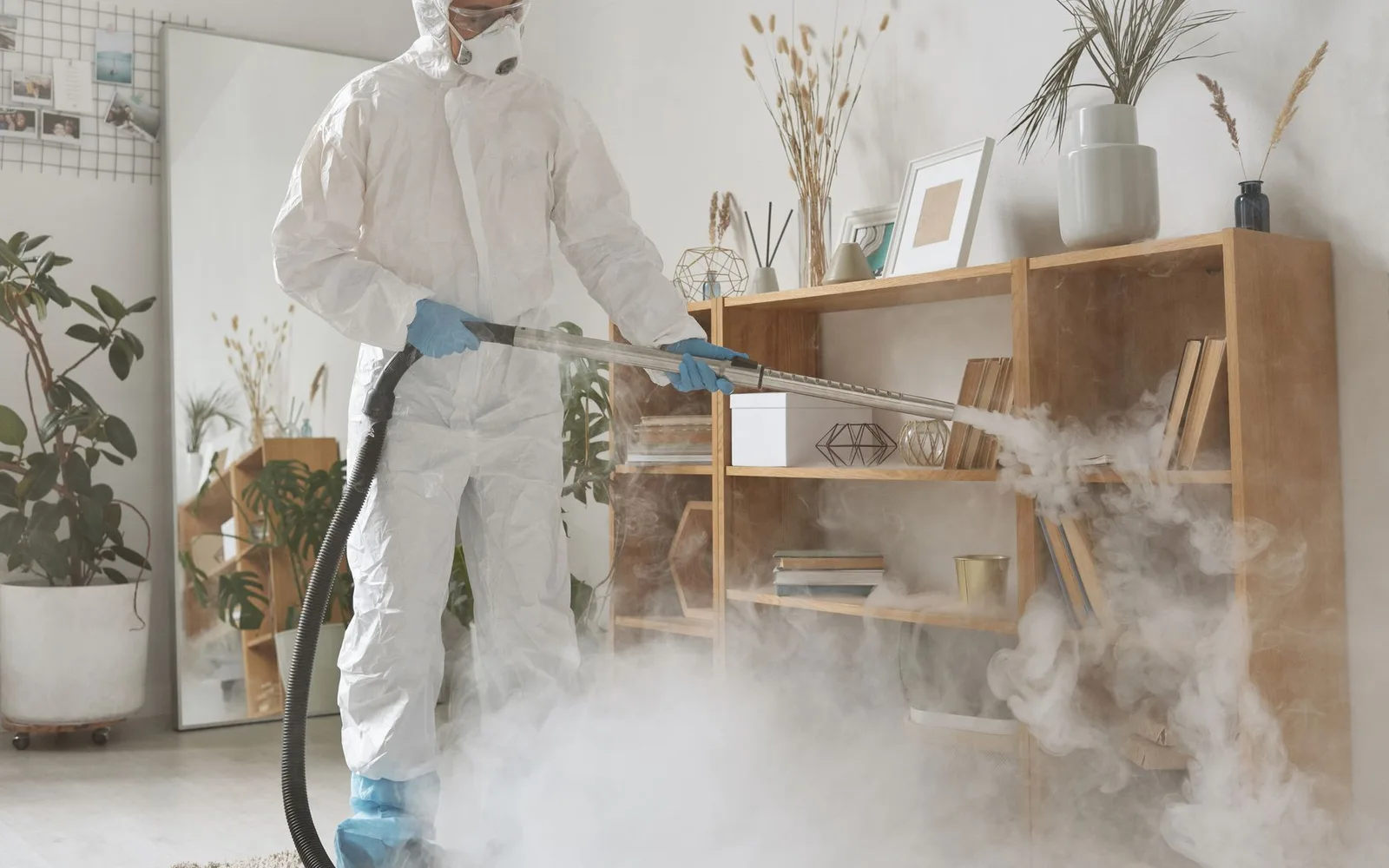
Fumigation in Al Aziziyah Makkah
Al Aziziyah sits on the pilgrim road to Mina, six kilometres from the Haram, where hotel towers, markets and storerooms cluster densely. Congestion peaks in Ramadan and Hajj season, bringing insects with the visitors and goods flowing through. Fumigation here must account for the surges of arrivals, the turnover of stock, and the constant flow through bus stations and hotels.
-
Targeted, not broadcast
Product goes into cracks and runways, never sprayed across open surfaces.
-
Told before we start
What we will use, where it goes, and what to cover or move before we arrive.
-
A follow-up visit
We return after the first treatment, because what survives it does not show on the day.
-
Homes and businesses
Apartments and villas, and kitchens and stores that need a record of each visit.
Why they keep coming back in Al Aziziyah
Severe seasonality means heavy infestations arrive in Ramadan and Hajj, then quiet spells follow, requiring a flexible treatment schedule that adapts to the cycles. The method is set out in full on our Fumigation service.
Sharp seasonal surges of pilgrims and imported goods
Heavy congestion in Ramadan and Hajj brings insects with arriving pilgrims and goods. Stations, hotels and markets face enormous pressure, and reinfestation after fumigation happens very quickly if the incoming flow is not checked.
Mix of modern towers and traditional, older storerooms
Modern hotels stand beside ageing storerooms and traditional markets where voids vary widely. Insects establish in old corners and corroded pipes under the markets where standard spraying cannot reach.
Major bus station as a constant source of fresh infestation
Mahbas Al Jinn brings new passengers daily with luggage and goods likely harbouring insects. Insects move from buses and travellers into adjoining hotels and storerooms immediately after arrival.
Al Aziziyah on the map
What decides whether fumigation is the right method
A crowded commercial zone on the pilgrim route, housing a major bus station, the former university campus, bustling markets and diverse storerooms storing seasonal goods.
Grain and feed
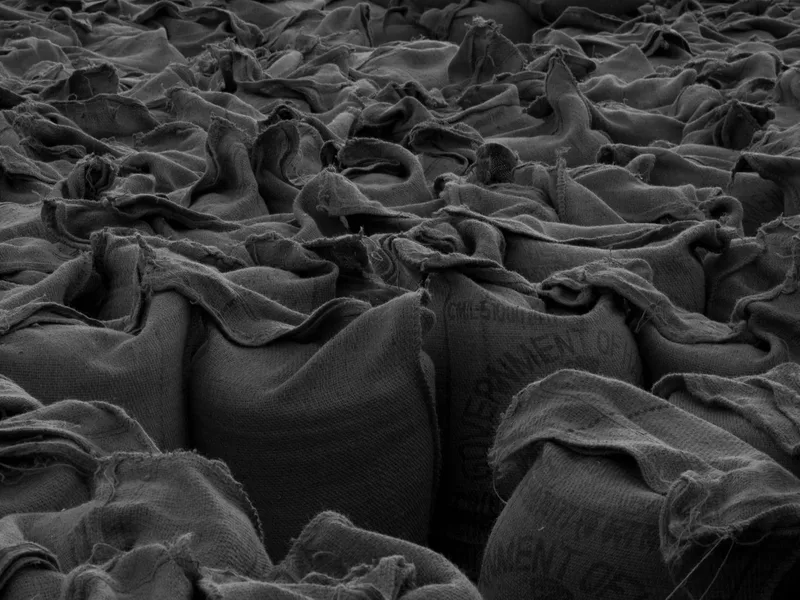
Grain and feed stocks are stored at Al Aziziyah markets in large quantities and inspecting them before fumigation is essential to prevent contamination.

Cartons and packaging
Cartons and packaging from storerooms and markets pile up quickly in season, and clearing them improves gas dispersal through the space.
Pallets and timber
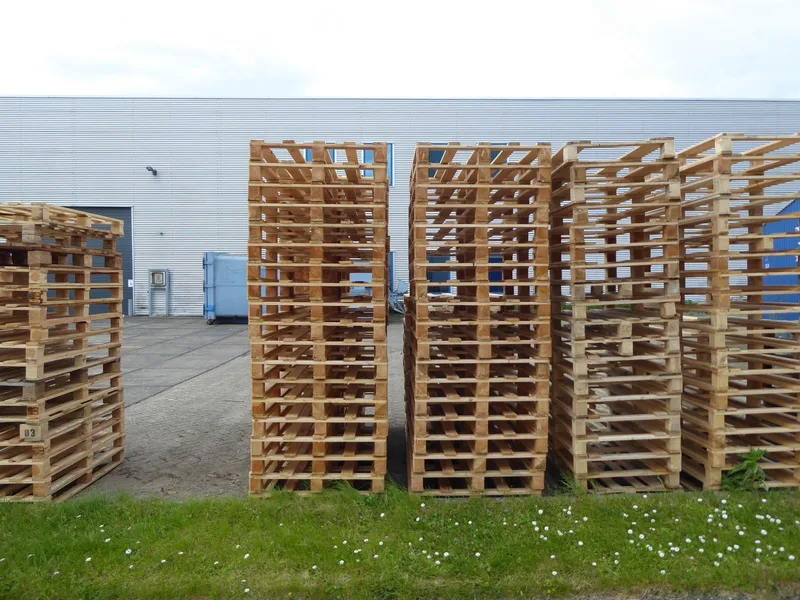
Pallets and timber from imported shipments stack in storerooms, and moving them beforehand is necessary for effective coverage.
Containers and consignments
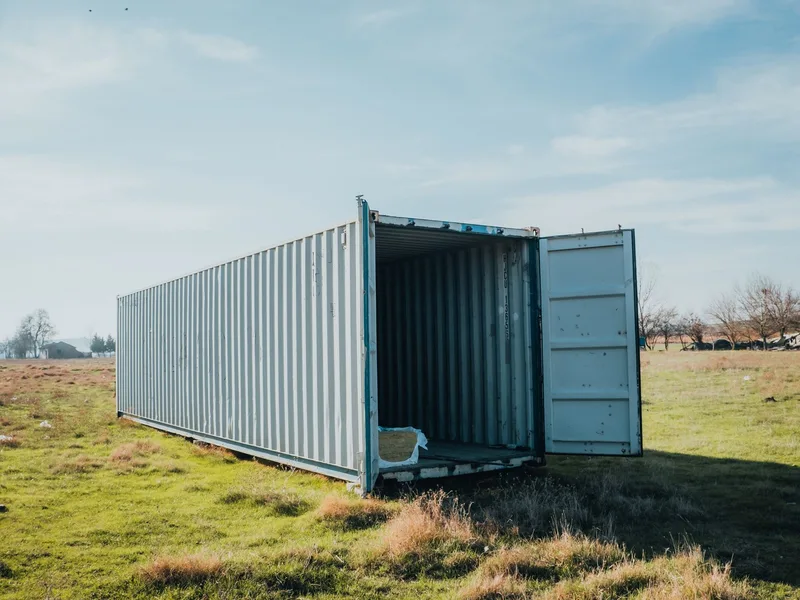
Containers and consignments from ports arrive daily in peak season, and immediate inspection prevents new infestations entering the premises.
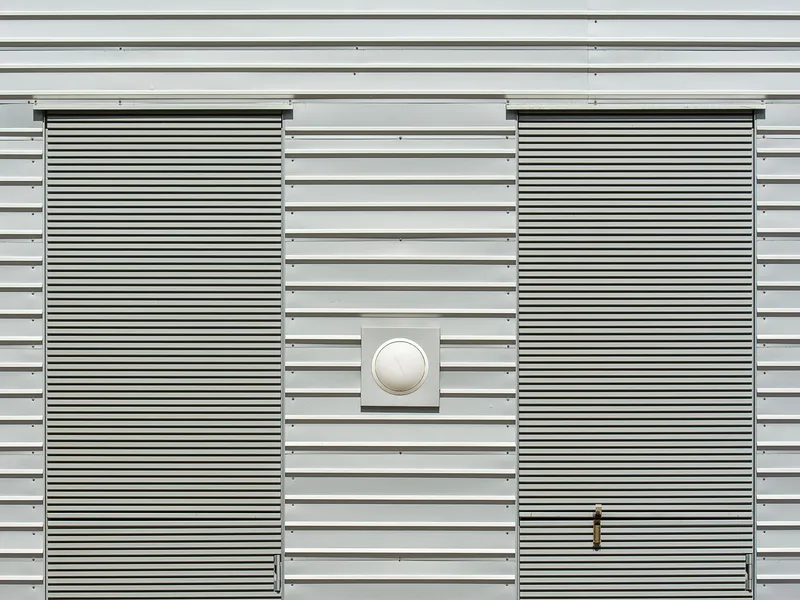
Where the gas escapes
Gas escape routes are numerous between markets, storerooms and hotels: shared openings, old piping and cracks in adjoining walls.
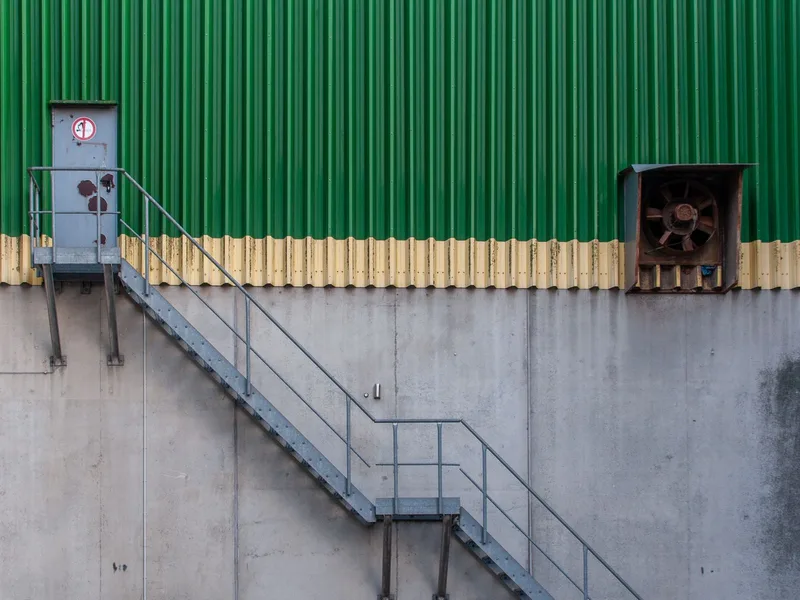
Aeration afterwards
Post-fumigation aeration requires market shops and storerooms to be opened together to draw remaining gas out of the whole zone.
How we work
-
1
Survey and sampling
We identify the pest and its stage, go through the stock, the racking and the corners, measure the volume, and establish whether the place can be sealed as it stands or a sheeted enclosure has to be built over the stacks.
-
2
Sealing and preparation
Sheeting sealed to the floor around the stacks or the room closed up, vents, drains and door edges shut, the area emptied of people and warning signage placed before anything is introduced.
-
3
Gas introduction and monitored exposure
The dose is calculated from the volume, the commodity and its temperature, and readings through the period confirm the concentration is still there at the end of the exposure and not only at the start.
-
4
Aeration, clearance and the record
Forced ventilation, then repeated readings until the space is handed back, and a report covering what was found, how the enclosure was built, the exposure period, the readings and what needs correcting at goods inwards.
What fumigation includes
-

A recorded survey
Pest and stage, samples from the commodity, and the volume of the space, before fumigation is decided on at all.
-

Sealing the enclosure
Vents, floor drains, door edges and cable runs, which is where the gas goes if nobody closes them.
-

Dosing and monitored exposure
Dose set by volume, commodity and temperature, with readings tracking the concentration to the end of the exposure.
-

Aeration and clearance readings
Extraction and forced ventilation, then repeated readings, and the space is not opened to staff until a reading allows it.
-

Monitoring points afterwards
Pheromone traps and check points on the goods inwards route, because fumigation leaves nothing behind to protect what arrives next.
-

The report and a follow-up visit
A written record of the work and its readings, and a date to re-check the stock and deal with anything new.
The character of Al Aziziyah
Commercial area: offices, showrooms and small stores
A commercial area means markets, storerooms and constant daily movement of goods. Seasonality adds a critical factor: fumigation needs a programme that keeps pace with monthly surges.
Questions about this district
Is fumigation better at peak season or should we wait for quieter periods?
Peak season has highest pest numbers but evacuation is impossible and reinfestation returns fast. Quieter periods suit fumigation better, but continuous monitoring during peak months is essential.
Do insects arriving with bus passengers and luggage need separate treatment?
Yes, buses, luggage and goods carry insects in. Treating the station or inspecting seasonal goods before storage reduces reinfestation risks from external sources.
How do we handle hotel towers and market storerooms at the same time?
Modern hotels shut easily, but markets and storerooms stay open. Treating them separately at different times and coordinating to prevent cross-migration of insects works better.
Do goods imported from ports in Ramadan need treatment before storage?
Yes, imported goods often carry pest infestations, especially in peak season. Inspecting and isolating goods before entry into main storerooms prevents widespread distribution.
How many times per year does Al Aziziyah need fumigation?
During quiet periods, every few months may suffice. During season though, fumigation may be needed every few weeks to counter successive new infestations.
Do furniture, textiles and heavy goods take longer to fumigate?
Yes, furniture, clothing and heavy goods need longer for gas to penetrate fully. Higher dosing or longer exposure time is needed compared with light goods.
How much does fumigation in Al Aziziyah cost?
It is set after the inspection, because the price follows the type of infestation, the size of the space, how far it has spread and the number of visits it needs. Send a photo and a description on WhatsApp and we will give you an estimate before we reach Al Aziziyah.
Other services in Al Aziziyah
Other services we provide to residents of Al Aziziyah.
-
 Residential
Cockroach control
Residential
Cockroach control
-
 Residential
Bed bug control
Residential
Bed bug control
-
 Residential
Termite control
Residential
Termite control
-
 Residential
Rodents and mice
Residential
Rodents and mice
-
 Residential
Mosquito control
Residential
Mosquito control
-
 Residential
Fly control
Residential
Fly control
-
 Residential
Ant control
Residential
Ant control
-
 Residential
Gecko control
Residential
Gecko control
-
 Residential
Scorpion control
Residential
Scorpion control
-
 Residential
Snake control
Residential
Snake control
-
 Residential
Flea control
Residential
Flea control
-
 Residential
Bird and pigeon control
Residential
Bird and pigeon control
-
 Residential
Preventive treatment
Residential
Preventive treatment
-
 Residential
Disinfection
Residential
Disinfection
-
 Commercial
Annual contracts
Commercial
Annual contracts
-
 Commercial
Restaurants and cafes
Commercial
Restaurants and cafes
-
 Commercial
Hotels and apartments
Commercial
Hotels and apartments
-
 Commercial
Warehouses and factories
Commercial
Warehouses and factories
-
 Commercial
Schools and nurseries
Commercial
Schools and nurseries
-
 Commercial
Retail and malls
Commercial
Retail and malls
-
 Commercial
Rest houses and farms
Commercial
Rest houses and farms
-
 Water tanks
Water tank cleaning
Water tanks
Water tank cleaning
-
 Water tanks
Water tank sterilization
Water tanks
Water tank sterilization
-
 Water tanks
Water tank sealing
Water tanks
Water tank sealing
-
 Water tanks
Tank leak repair
Water tanks
Tank leak repair
Need fumigation in Al Aziziyah? Tell us what you saw and we will tell you what it needs
We reach Al Aziziyah at a time we agree, and you get the full cost before we start.