
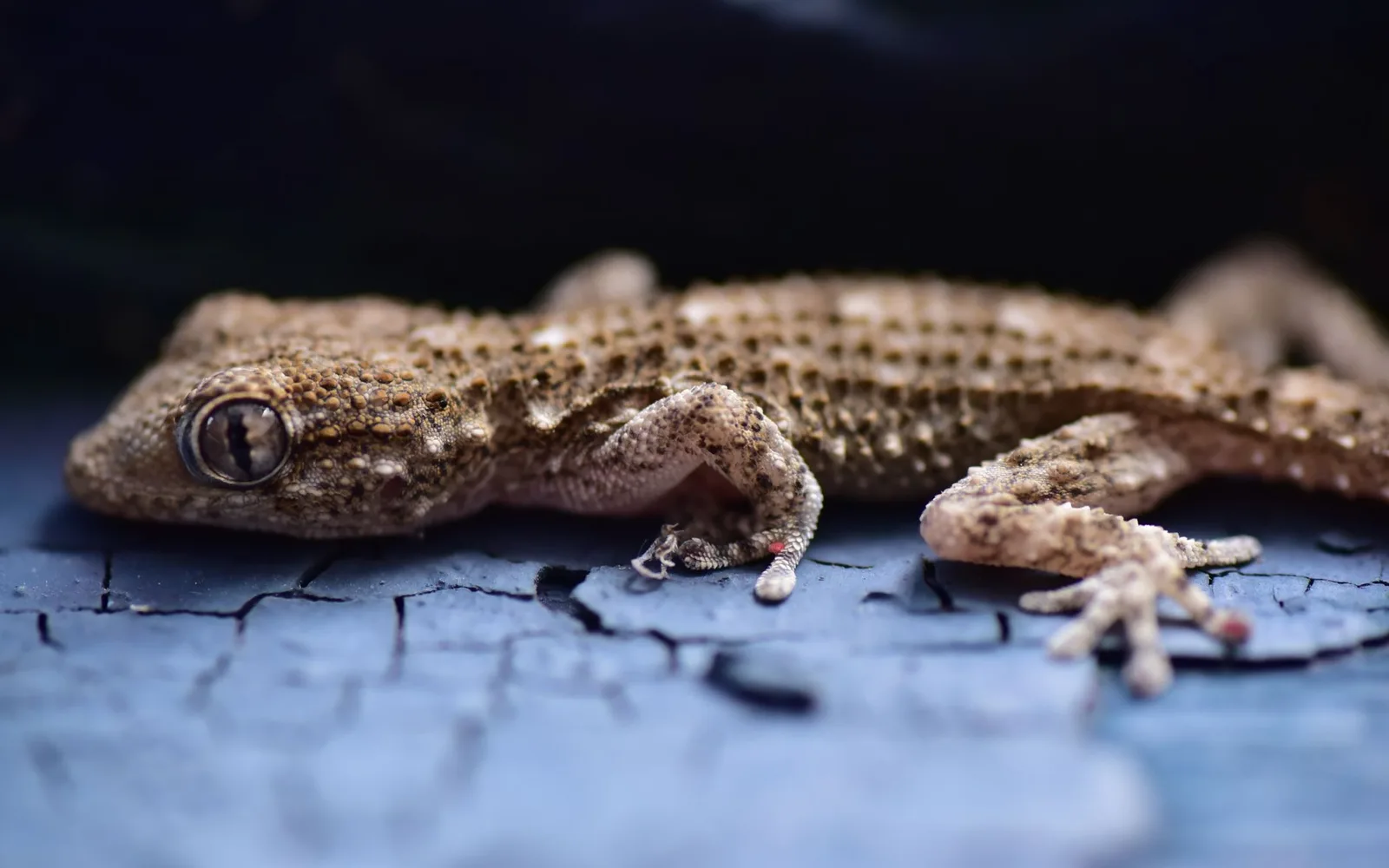
Gecko control in Al Naseem Makkah
Al Naseem is a mixed district where shops operate at street level and homes sit above them, which means geckos move freely from busy kitchens and food stores into the residential flats above. Treatment here requires coordination between the shop owners and the residents who live upstairs, because sealing only the flat leaves the food source intact below.
-
Targeted, not broadcast
Product goes into cracks and runways, never sprayed across open surfaces.
-
Told before we start
What we will use, where it goes, and what to cover or move before we arrive.
-
A follow-up visit
We return after the first treatment, because what survives it does not show on the day.
-
Homes and businesses
Apartments and villas, and kitchens and stores that need a record of each visit.
Why they keep coming back in Al Naseem
Residents living above food shops or markets report far more gecko activity because the insect food supply that brings them is working directly underneath, day and night. The method is set out in full on what Gecko control involves.
The shop below creates the problem
In Al Naseem, a flat above a restaurant or market sees more geckos because they feed on the insects thriving around the food and waste below. Treating only your flat by sealing gaps will not solve it while the food source beneath remains active. The insects that attract geckos breed constantly in commercial kitchens, so the gecko population regenerates unless the source is also treated.
Mixed construction makes coordination essential
Pipes and voids running between floors in Al Naseem carry geckos and insects from shop to flat and between flats. When you treat your space alone, the gecko simply finds another route or moves to your neighbour's flat through shared openings. The building's shared ducts and pipe chases are highways that link every unit vertically, so isolated treatment often fails.
Tourist hotels and seasonal guest traffic
The district is close to King Faisal Road with its pilgrim hotels that empty and fill with every Hajj and Ramadan peak. Each wave of guests brings fresh insects and adds new food sources. Gecko pressure in Al Naseem follows these seasonal waves, so treatment intensity and timing change with the tourist calendar.
Al Naseem on the map
Al Naseem sits about 2.5 km from Al Sanabel and about 3 km from Al Jamiah.
Open in Google MapsThe food, the opening and the crevice decide the method
The district sits on the Fourth Ring Road near Al Noor Hospital and tourist hotels, with intensive commercial activity, restaurants and markets that attract insects and the geckos that feed on them.
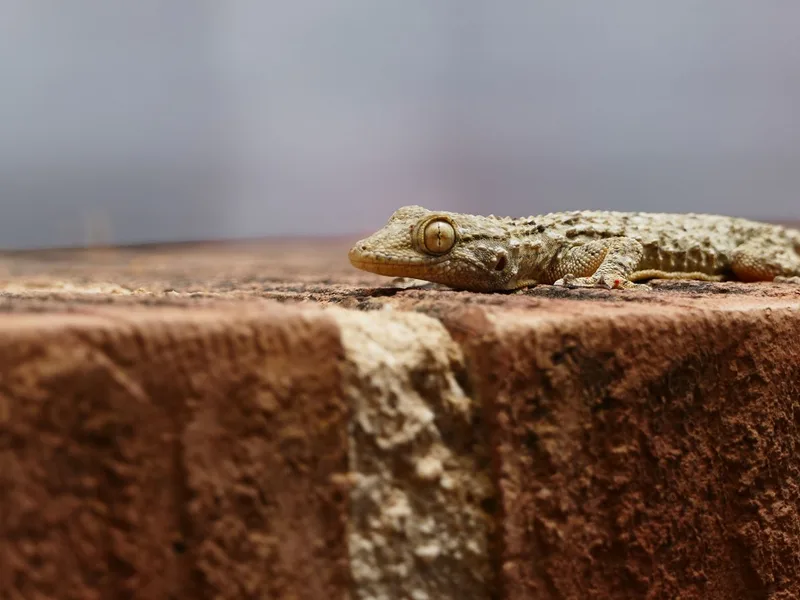
The house gecko
The house gecko in Al Naseem feeds on insects that come from the shop below or from the commercial waste, not from the residential area itself.
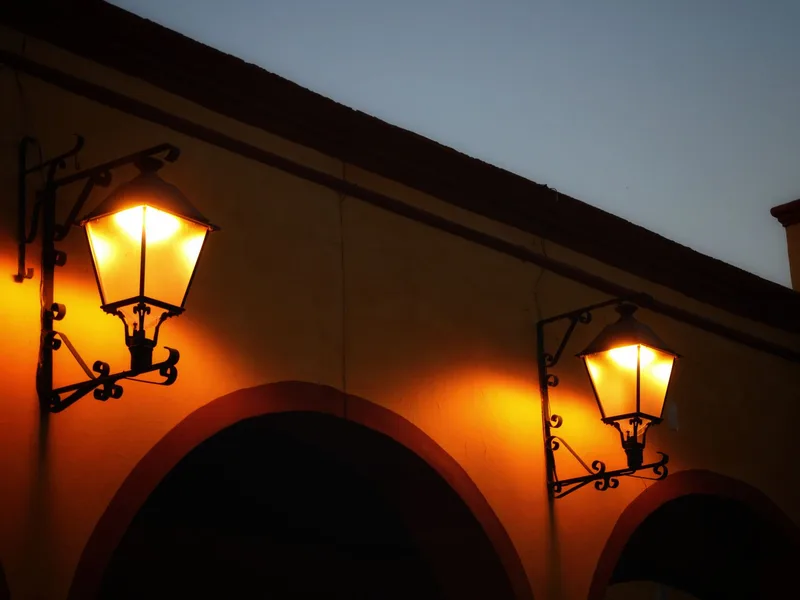
Outdoor lighting
Outdoor lighting on shops and food stores attracts insects all night, and geckos come to feed on them, so treating lighting around the whole building is essential.
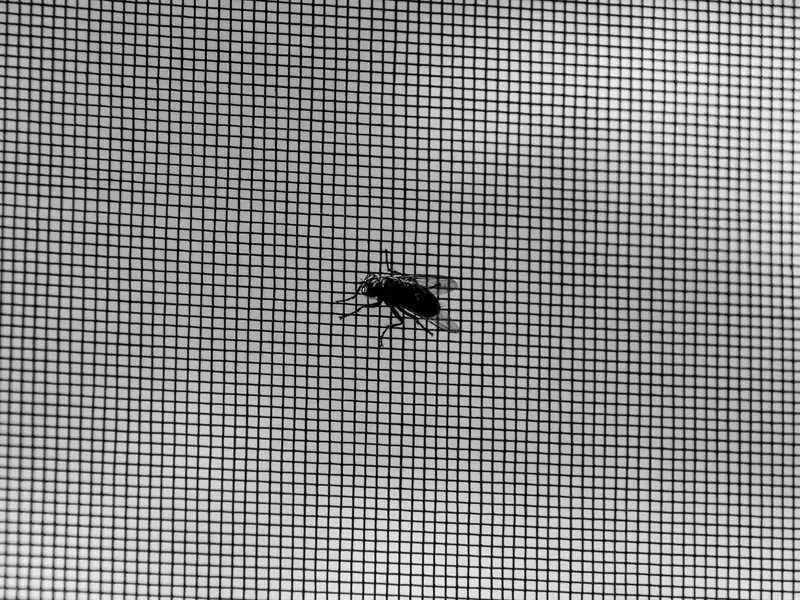
Window mesh
Window mesh and openings in flats above shops must be tight because the upward pressure from below is intense, and poor mesh lets geckos pass straight through.
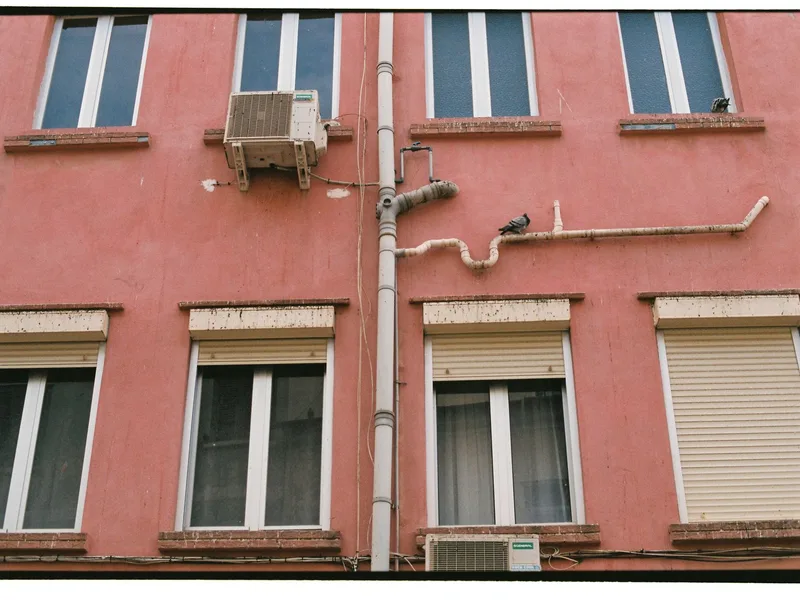
The air-conditioner sleeve
Air conditioner sleeves in Al Naseem flats must be sealed tightly because pipes may pass through unprotected spaces between the flat and the shop below.
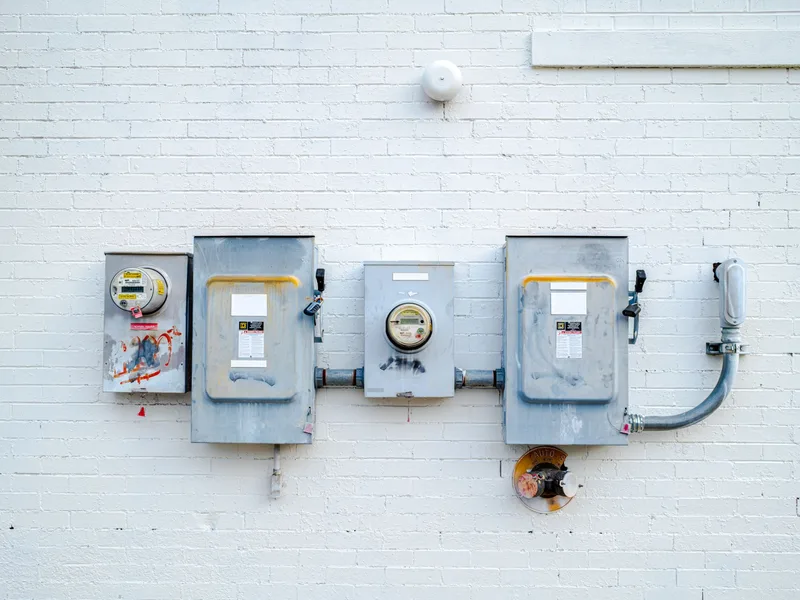
Meter boxes and electrical panels
The electrical panel and meter box in your flat need checking from behind because gaps around them may be large in older buildings, opening a direct route for geckos from ground level.
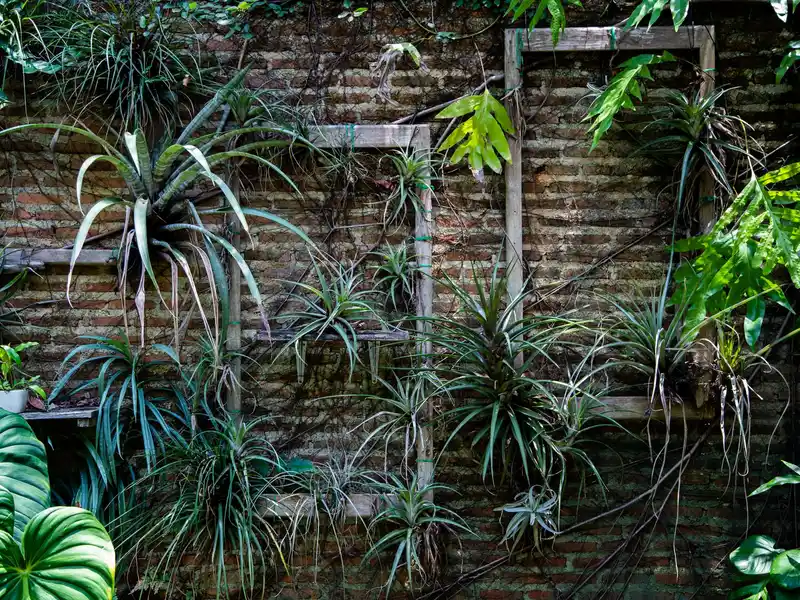
The garden and the irrigation
Gardens and irrigation are rare in Al Naseem because the district is dense and mixed-use, but if there is a rooftop or courtyard space, watering it attracts insects and the geckos that follow them.
How we work
-
1
Inspect at night and find the source
We come at the hour it is actually moving, and establish which wall face it is living on, which lights are gathering its food, the entry points and the crevices it wedges into by day.
-
2
Treat the food source
We treat the flying and crawling insects on the wall faces, around the perimeter and around the lighting. Once the food goes, the wall stops being worth staying on.
-
3
Close the openings and clear the crevices
We seal the air-conditioner sleeve, screen the vents and drain outlets, deal with the underside of doors, and place a repellent in the crevices and behind panels so they move out before anything is closed.
-
4
The follow-up visit
We come back once the glued eggs have hatched, check the seals held, and re-treat any wall face where activity has returned.
What gecko control includes
-

A recorded night inspection
Wall faces, lighting, entry points and egg sites, all established before anything is applied.
-

Treating the insects on the walls
Targeted treatment around lighting, windows and the building perimeter, because the food is what keeps it there.
-
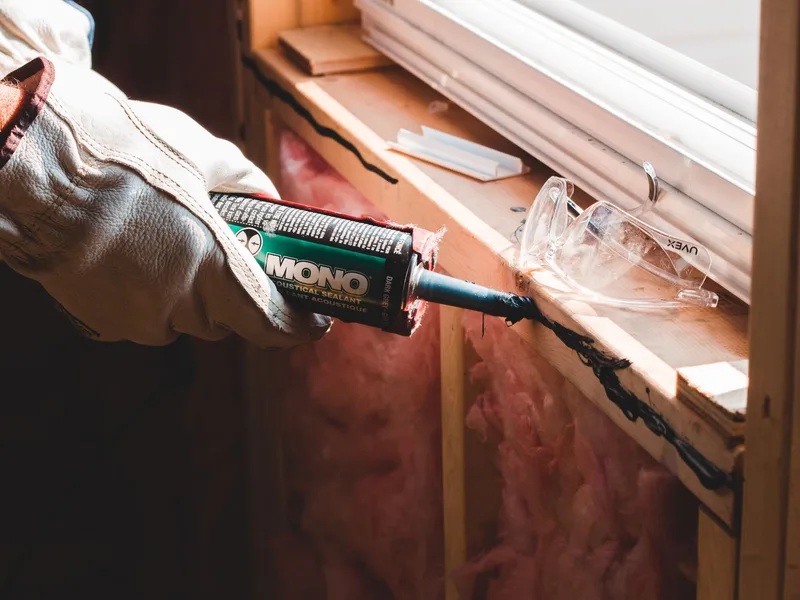
Placed repellent in the crevices
Behind panels, in wall joints and at the ceiling-void entries, where it sits out the day.
-

Screening vents and drain openings
Shafts, vents and the condensate outlet, which are entry points nobody looks at.
-

Aftercare instructions
Ventilation, what to cover, and the change to the outside lighting that stops the insects gathering again.
-

A scheduled follow-up
A set date after the first treatment, a check on the seals and re-treatment of anything still active.
What is different about Al Aziziyah (Makkah) Sub-Municipality
Al Aziziyah sub municipality runs from the Bin Dawood markets to the Al Hada road and carries pilgrim traffic to Mina. Hotel towers and furnished apartment blocks fill and empty with the Hajj and Ramadan seasons, and the kitchens, restaurants and markets along Al Masjid Al Haram Road and King Abdulaziz Road leave food waste at every peak. Southwards the fabric loosens into villas and planned streets in An Naseem and Al Awali, then Al Abidiyah's campus and the old farms of Al Husayniyah, where Wadi Uranah holds water after rain and farm enclosures shelter rodents and reptiles.
Questions about this district
Will treating only my flat stop geckos coming directly from the shop below?
No. Geckos in Al Naseem live on insects that breed in the restaurant or market, so treating your flat removes the current geckos but will not stop new ones entering. You must coordinate treatment of the shop itself so the breeding ground is broken, otherwise the insect population regenerates and draws geckos back up through the shared pipes and gaps.
If I seal every gap around electricity and water pipes in my flat, is that enough?
Sealing gaps is necessary but not sufficient in a mixed-use building like Al Naseem, because shared pipes between floors may not be sealed tightly on the shop side. Gaps in old masonry around these pipes are often inaccessible from your flat alone. The treatment must address the building's vertical transit points, not just your perimeter.
Are ground floor flats more gecko prone than those on the second or third storey?
Yes. Ground floor flats in Al Naseem sit under direct pressure from an active shop, while upper flats are less exposed but not protected. Shared vertical openings still connect them, especially if pipes are not sealed tightly, so upper flats can still receive geckos from below.
How many flats and shops must we treat together in one building?
That depends on how the shared pipes and openings connect them. A building with one active shop and several flats may need the shop plus all flats treated together, while a building with many shops requires a wider strategy. A night survey identifies which openings are actually in use by geckos.
Does having Al Noor Hospital nearby add to the gecko problem in our area?
The hospital and nearby tourist hotels increase foot traffic and commercial activity but are not a direct gecko source. Geckos follow food and insects, so if your shop below is active the hospital does not worsen the situation, but it does increase the general insect population in the district.
Will treating Wadi Uranah nearby stop geckos from entering our homes?
Wadi Uranah is nearby but not a direct gecko source for Al Naseem itself. The primary source is the shops and markets. Treating the wadi may help after heavy rainfall when it holds water, but treating the buildings and commercial premises is the main priority.
How much does gecko control in Al Naseem cost?
It is set after the inspection, because the price follows the type of infestation, the size of the space, how far it has spread and the number of visits it needs. Send a photo and a description on WhatsApp and we will give you an estimate before we reach Al Naseem.
Nearby districts we cover
Other services in Al Naseem
Other services we provide to residents of Al Naseem.
-
 Residential
Cockroach control
-
 Residential
Bed bug control
-
 Residential
Termite control
-
 Residential
Rodents and mice
Need gecko control in Al Naseem? Tell us what you saw and we will tell you what it needs
We reach Al Naseem at a time we agree, and you get the full cost before we start.