
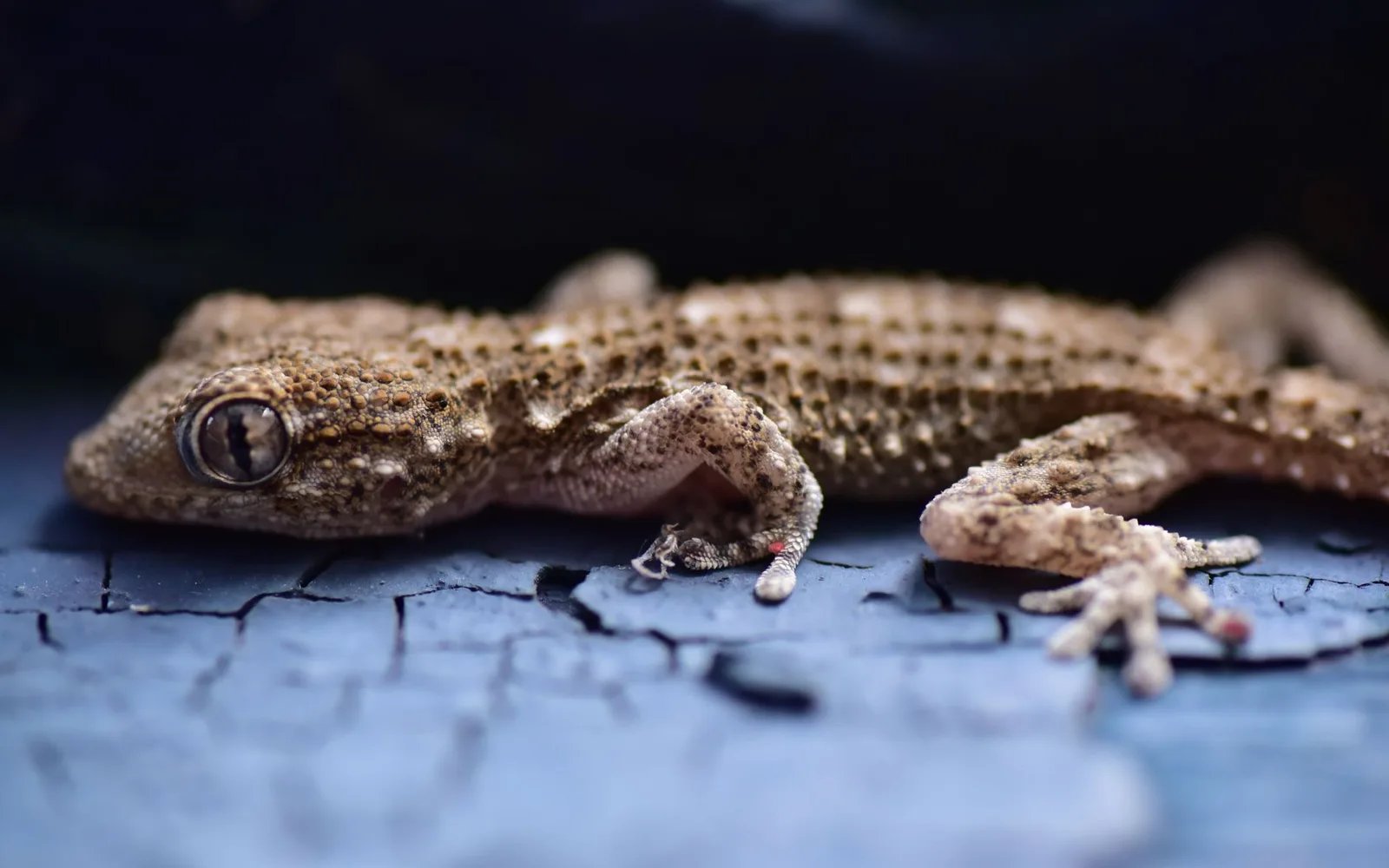
Gecko control in Al Rawabi Jeddah
Al Rawabi mixes shops at street level with homes above them, which means geckos find food in restaurants and shops at night, then climb into the flats. Treatment here focuses on the shared spaces, roofs and boundaries between shops and residences where geckos and their prey move between the two.
-
Targeted, not broadcast
Product goes into cracks and runways, never sprayed across open surfaces.
-
Told before we start
What we will use, where it goes, and what to cover or move before we arrive.
-
A follow-up visit
We return after the first treatment, because what survives it does not show on the day.
-
Homes and businesses
Apartments and villas, and kitchens and stores that need a record of each visit.
Why they keep coming back in Al Rawabi
The shops along the fast road stay lit and busy well into the night, and geckos remain active there for hours, feeding on insects drawn to the lights and grease around the eateries. The method is set out in full on the full Gecko control page.
The gaps between shop and flat
In mixed districts, geckos climb from the shop via cracks around pipes and wires between storeys. We treat these routes in the shared stairwell, around shared electrical panels, and behind the plasterboard where services pass between floors.
Insects clustering on outdoor lights
Street eateries and shops light the pavements all night long, and insects swarm the bulbs. Geckos settle nearby waiting to feed, especially on shop walls and the metal window grilles where they have clear sight of prey.
Damp in shared passages and roofs
The shared roofs and passages in mixed districts hold moisture from leaking pipes and air conditioner drains. Geckos hide in damp cracks between buildings where insects also cluster and shelter.
Landmarks of Al Rawabi
Work in Al Rawabi requires knowing its boundaries from east and west: Bin Laden Road divides it, with the northern section newer and the southern part older along Old Makkah Road. Geckos enter from the main streets via the ground floor shops and climb inward, so we focus on flat entrances and the gaps between shops and residences where they cross over.
- Old Makkah Road
- Bin Laden Road
- Bin Laden Park
- Ibn Al Qayyim Mosque
- Al Rawabi Shopping Centre
The food, the opening and the crevice decide the method
The district is cut by major roads like Bin Laden Road and Old Makkah Road. Moisture from the port and refinery side to the west keeps the narrow lanes damp, providing shelter for the insects that attract geckos.
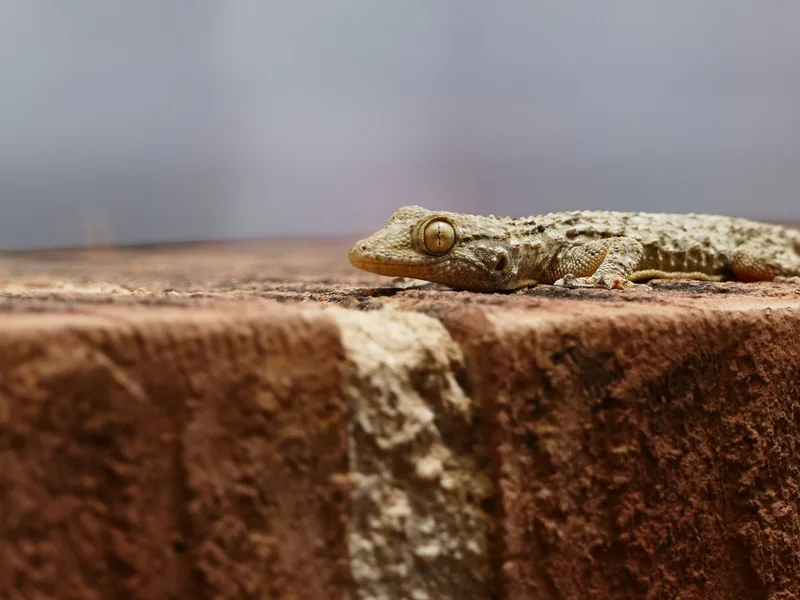
The house gecko
Geckos in Al Rawabi split between upper flats and ground level shops, because food is in the shops and shelter is in the flats above, so treatment covers both levels and the shared passages and stairwells between them.
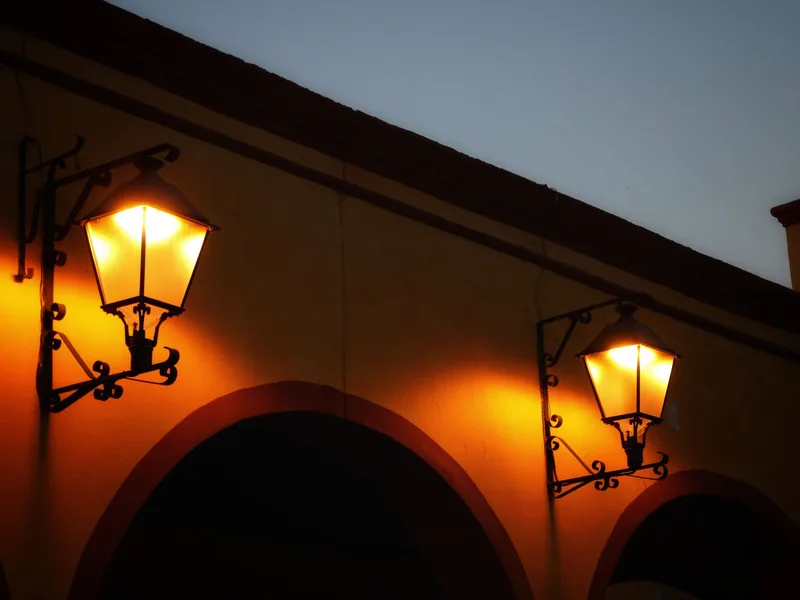
Outdoor lighting
Outdoor shop and restaurant lighting stays on all night and draws large insects that attract geckos. We treat shop walls, corners around the bulbs, and metal window grilles where geckos settle to hunt.
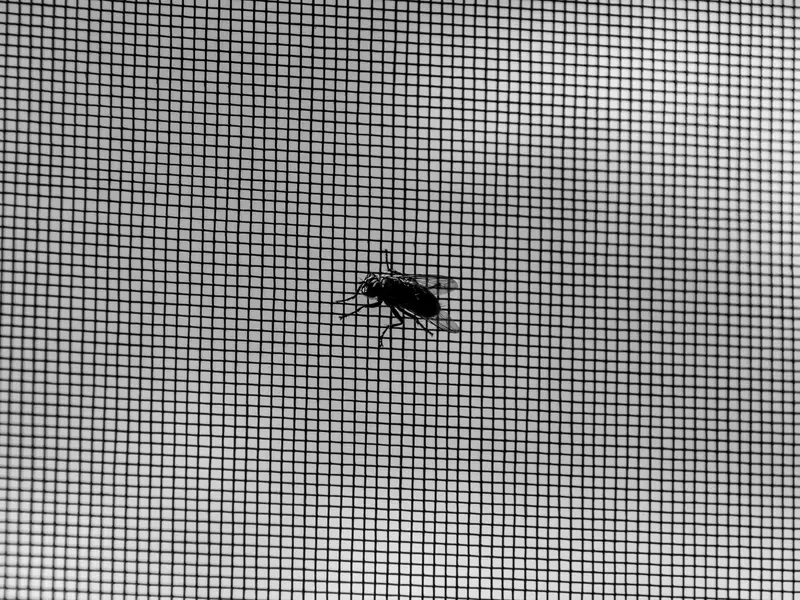
Window mesh
Window mesh is critical because flats open onto shared passages and shops below. Tears in the mesh and gaps between frame and wall are entry routes for geckos and their prey.
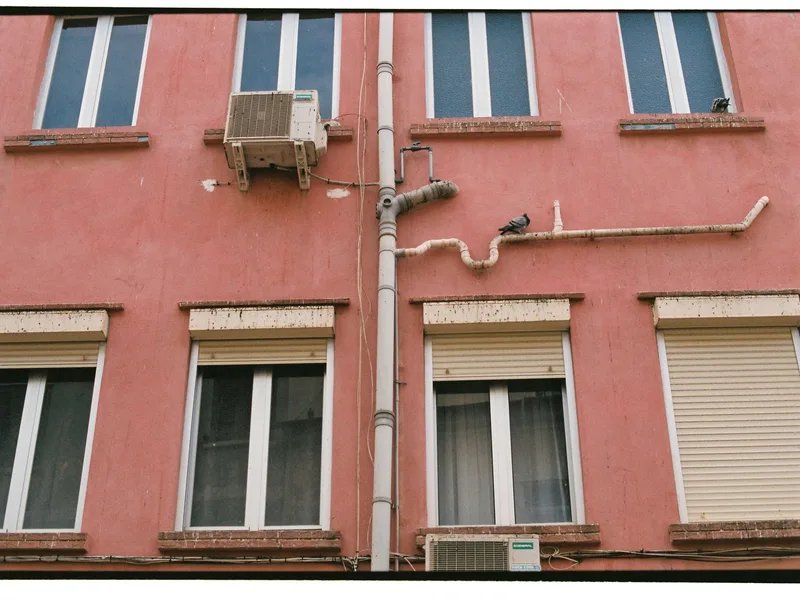
The air-conditioner sleeve
Air conditioner sleeves from shops and flats emerge through shared walls, and gaps around the pipes are highways for geckos. We seal these gaps and treat around the pipes and ducts.
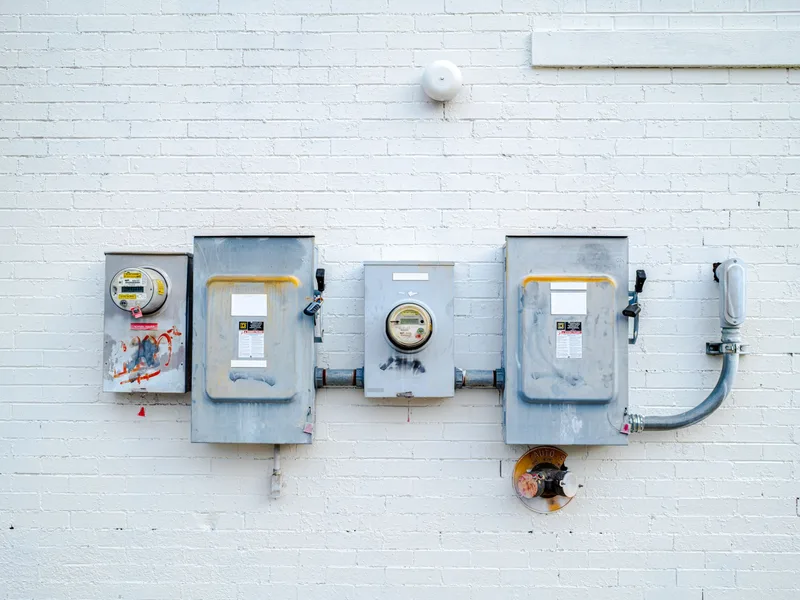
Meter boxes and electrical panels
Shared electrical panels in passages and stairwells hold many gaps and crevices. Geckos hide in them and insects cluster around them, so we treat them with care and precision.
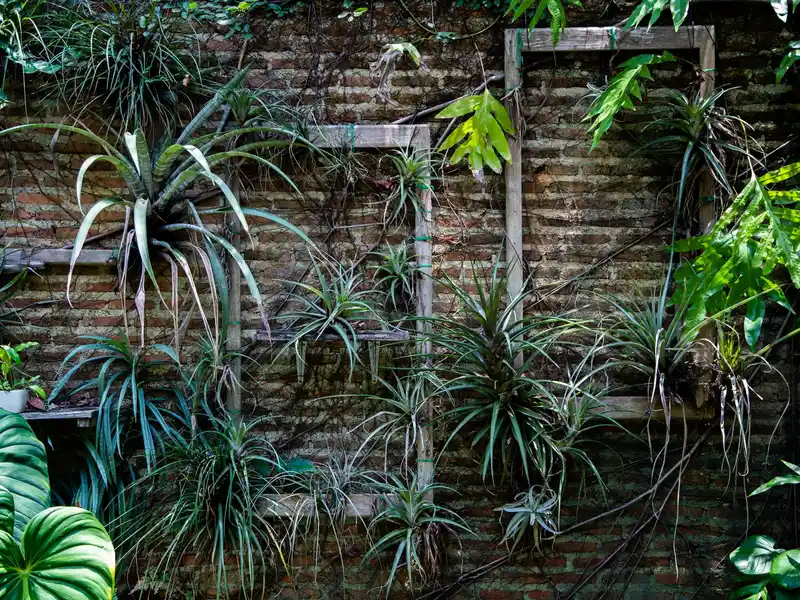
The garden and the irrigation
Small parks in the district like Bin Laden Park are nearby and attract insects; irrigation there creates damp ground that draws pests. We monitor the stormwater channels and drains around the edges of the neighbourhood.
How we work
-
1
Inspect at night and find the source
We come at the hour it is actually moving, and establish which wall face it is living on, which lights are gathering its food, the entry points and the crevices it wedges into by day.
-
2
Treat the food source
We treat the flying and crawling insects on the wall faces, around the perimeter and around the lighting. Once the food goes, the wall stops being worth staying on.
-
3
Close the openings and clear the crevices
We seal the air-conditioner sleeve, screen the vents and drain outlets, deal with the underside of doors, and place a repellent in the crevices and behind panels so they move out before anything is closed.
-
4
The follow-up visit
We come back once the glued eggs have hatched, check the seals held, and re-treat any wall face where activity has returned.
What gecko control includes
-

A recorded night inspection
Wall faces, lighting, entry points and egg sites, all established before anything is applied.
-

Treating the insects on the walls
Targeted treatment around lighting, windows and the building perimeter, because the food is what keeps it there.
-

Placed repellent in the crevices
Behind panels, in wall joints and at the ceiling-void entries, where it sits out the day.
-

Screening vents and drain openings
Shafts, vents and the condensate outlet, which are entry points nobody looks at.
-

Aftercare instructions
Ventilation, what to cover, and the change to the outside lighting that stops the insects gathering again.
-

A scheduled follow-up
A set date after the first treatment, a check on the seals and re-treatment of anything still active.
What is different about Al Jamiah Sub-Municipality
Al Jamiah sub municipality spans the older south of Jeddah. Planned districts such as Al Fayha, Al Thaghr and Madain Al Fahd sit beside crowded popular quarters like the Nazlahs and Al Quraiyat, and beside cleared or clearing land in Ghulail, Petromin and Al Thaalibah awaiting redevelopment. Apartment buildings stand close together above dense runs of shops and restaurants along Old Makkah Road and Prince Majid Road. Drainage in the popular quarters is ageing, humid air drifts in from the port and refinery side to the west, and the flat low lying ground holds rainwater in narrow streets.
Questions about this district
Do geckos move up from shops into the flats above?
Yes, in mixed districts geckos climb from the shop via gaps around pipes, wires and cracks in the shared walls. We seal these gaps after treatment to block their return route between levels.
Why are geckos so thick on the shop's outside walls?
Shops stay lit at night and insects are drawn to the light, grease and food scraps. Geckos settle on the walls and into corners to wait for prey, especially around exits and cracks in the facade.
Will the treatment affect residents sleeping in the flats?
Treatment is safe for residents because we use products approved for occupied spaces. We target shared passages and mechanical spaces, and avoid bedrooms and kitchens where families are present.
What about windows and openings in the flat itself?
Windows must have tight mesh with no tears or gaps. We inspect windows, vents and air conditioner sleeves, and treat the areas where insects gather before they draw geckos in.
How many visits do flats need in a district this busy commercially?
In mixed districts you may need two or three visits because shops constantly attract fresh insects. We set the visit schedule after the first night walk establishes what is feeding.
Do you treat the roofs of small hotels and restaurants in the district?
Yes, we treat hotels, restaurants and shops attached to a residence or under family ownership. We focus on kitchens, storerooms and areas where insects accumulate and shelter.
How much does gecko control in Al Rawabi cost?
It is set after the inspection, because the price follows the type of infestation, the size of the space, how far it has spread and the number of visits it needs. Send a photo and a description on WhatsApp and we will give you an estimate before we reach Al Rawabi.
Nearby districts we cover
Other services in Al Rawabi
Other services we provide to residents of Al Rawabi.
-
 Residential
Cockroach control
Residential
Cockroach control
-
 Residential
Bed bug control
Residential
Bed bug control
-
 Residential
Termite control
Residential
Termite control
-
 Residential
Rodents and mice
Residential
Rodents and mice
-
 Residential
Mosquito control
Residential
Mosquito control
-
 Residential
Fly control
Residential
Fly control
-
 Residential
Ant control
Residential
Ant control
-
 Residential
Scorpion control
Residential
Scorpion control
-
 Residential
Snake control
Residential
Snake control
-
 Residential
Flea control
Residential
Flea control
-
 Residential
Bird and pigeon control
Residential
Bird and pigeon control
-
 Residential
Preventive treatment
Residential
Preventive treatment
-
 Residential
Disinfection
Residential
Disinfection
-
 Commercial
Annual contracts
Commercial
Annual contracts
-
 Commercial
Restaurants and cafes
Commercial
Restaurants and cafes
-
 Commercial
Hotels and apartments
Commercial
Hotels and apartments
-
 Commercial
Warehouses and factories
Commercial
Warehouses and factories
-
 Commercial
Schools and nurseries
Commercial
Schools and nurseries
-
 Commercial
Retail and malls
Commercial
Retail and malls
-
 Commercial
Rest houses and farms
Commercial
Rest houses and farms
-
 Commercial
Fumigation
Commercial
Fumigation
-
 Water tanks
Water tank cleaning
Water tanks
Water tank cleaning
-
 Water tanks
Water tank sterilization
Water tanks
Water tank sterilization
-
 Water tanks
Water tank sealing
Water tanks
Water tank sealing
-
 Water tanks
Tank leak repair
Water tanks
Tank leak repair
Need gecko control in Al Rawabi? Tell us what you saw and we will tell you what it needs
We reach Al Rawabi at a time we agree, and you get the full cost before we start.