
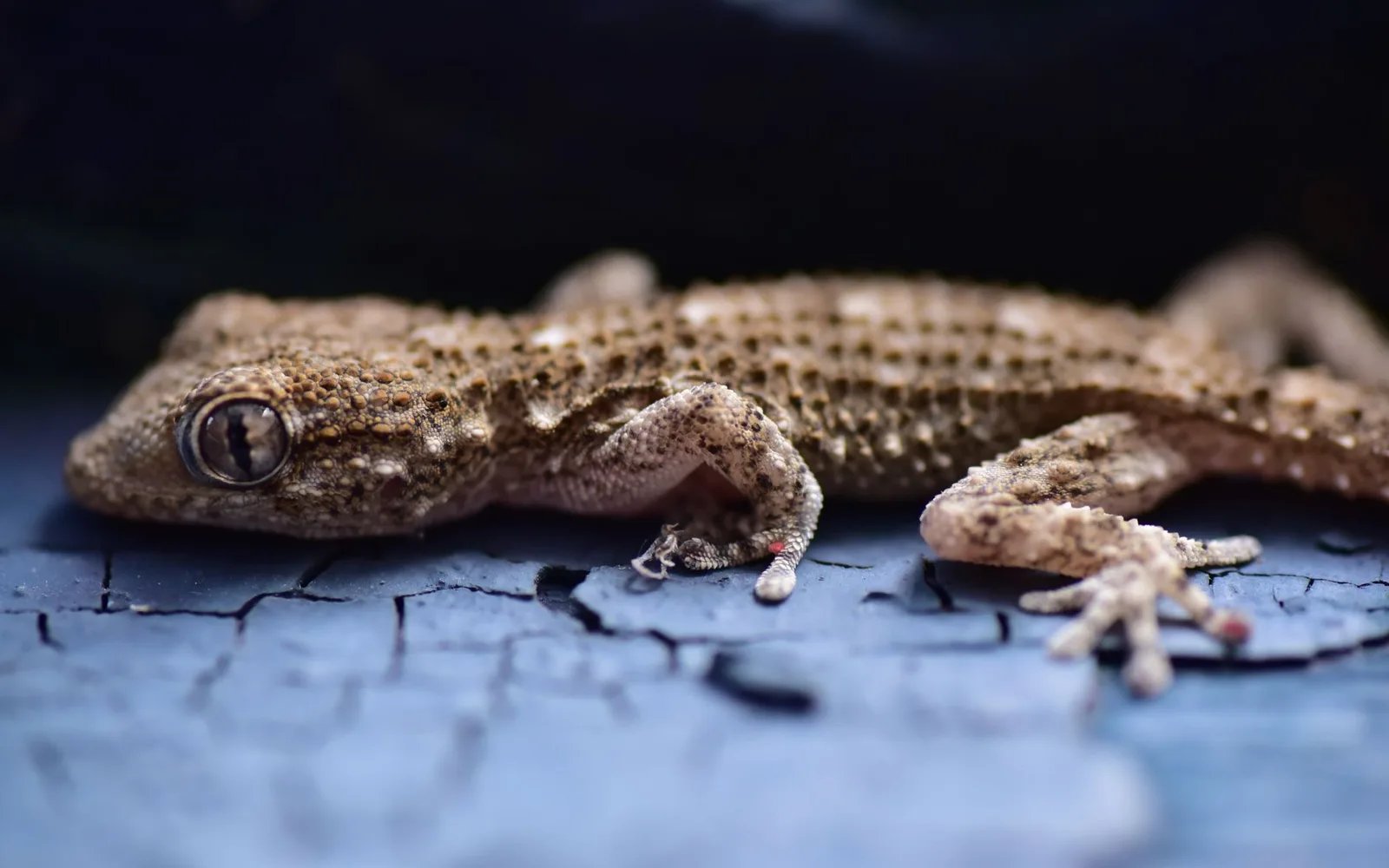
Gecko control in Mughammas Makkah
Mughammas is an industrial zone on Makkah's eastern edge, open land, warehouses and loading yards. Wadi Al Mughammas, renamed Al Wadi Al Akhdar as a popular picnic ground, holds water after heavy rain and keeps surrounding land damp for weeks. The gecko comes from damp areas far distant, hunting insects, and settles in warehouses and shops if it finds standing water and stored food waste.
-
Targeted, not broadcast
Product goes into cracks and runways, never sprayed across open surfaces.
-
Told before we start
What we will use, where it goes, and what to cover or move before we arrive.
-
A follow-up visit
We return after the first treatment, because what survives it does not show on the day.
-
Homes and businesses
Apartments and villas, and kitchens and stores that need a record of each visit.
Why they keep coming back in Mughammas
Open warehouses and shops built on bare earth hold large stocks of foodstuffs and stored materials that shed waste, and any gecko that arrives from the wadi finds everything it needs to shelter, hunt and breed. The method is set out in full on Gecko control in detail.
The nearby wadi and seasonal dampness attract gecko populations from afar
Wadi Al Mughammas carries water after heavy rain, leaving low ground and surrounding areas damp for weeks on end. Insects congregate in large numbers around this moisture, and the gecko arrives from distant areas following these insect populations. It settles in nearby crevices and chases, sometimes covering substantial ground at night to return to the wadi zone where water persists longest.
Warehouses and shops on open ground hold abundant food waste and water
Warehouses and commercial buildings in Mughammas typically have lightweight walls, exposed roofs and large gaps. Food waste and stored materials create an insect-rich, damp-prone environment that the gecko finds ideal for settling and breeding. Open-walled or roofless storage is particularly attractive.
Bare earth, excavated ground and stacked materials shelter the gecko by day
Unpaved ground, ground preparation work and heaped materials offer the gecko natural shelter from sun and heat. It hides beneath sand and rubble by day and emerges at night to hunt insects inside nearby warehouses and shops that operate with lights on.
Mughammas on the map
Mughammas sits about 2.5 km from Kawthar and about 3 km from Tarwiyah.
Open in Google MapsThe food, the opening and the crevice decide the method
Mughammas comprises open land and warehouses east of Al Sharai, named after Wadi Al Mughammas with the surrounding hills of Jabal Al Tariqi and Jabal Al Khatm, and the wadi itself is today a popular destination for camping and family outings.
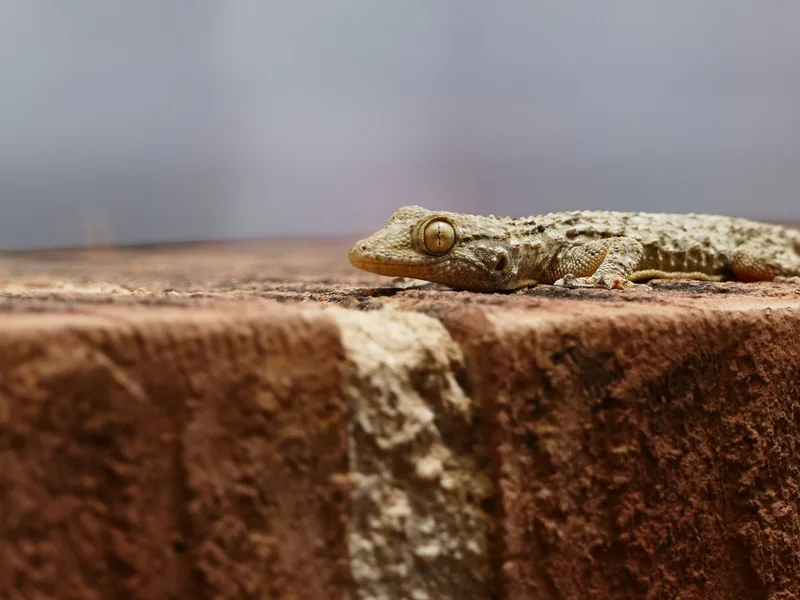
The house gecko
The house gecko shelters beneath heaped materials, loose earth and raised ground, emerging nightly to hunt insects that gather around warehouse openings, loading-dock lights and outdoor vents.
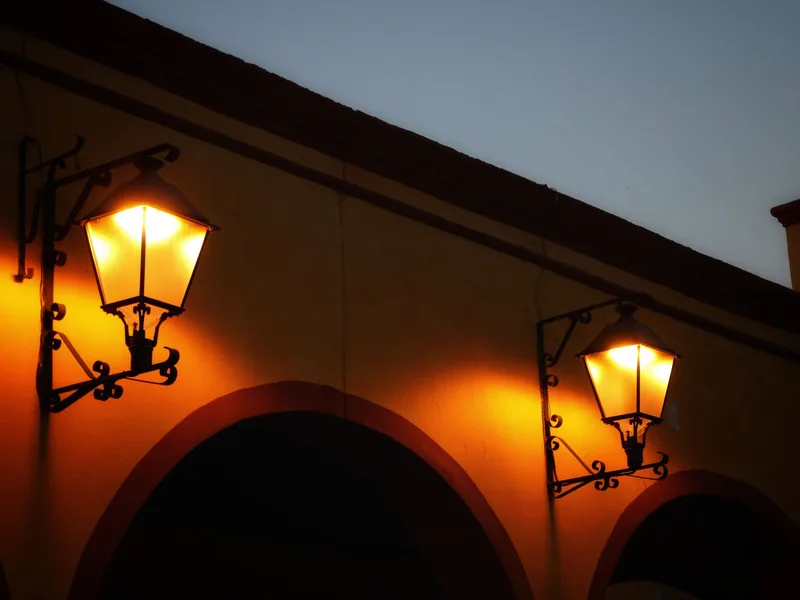
Outdoor lighting
Warehouse and shop lighting and open-walled storage left illuminated overnight draw flying insects in large numbers, and the gecko arrives from surrounding ground and stockpiles following the insect traffic.
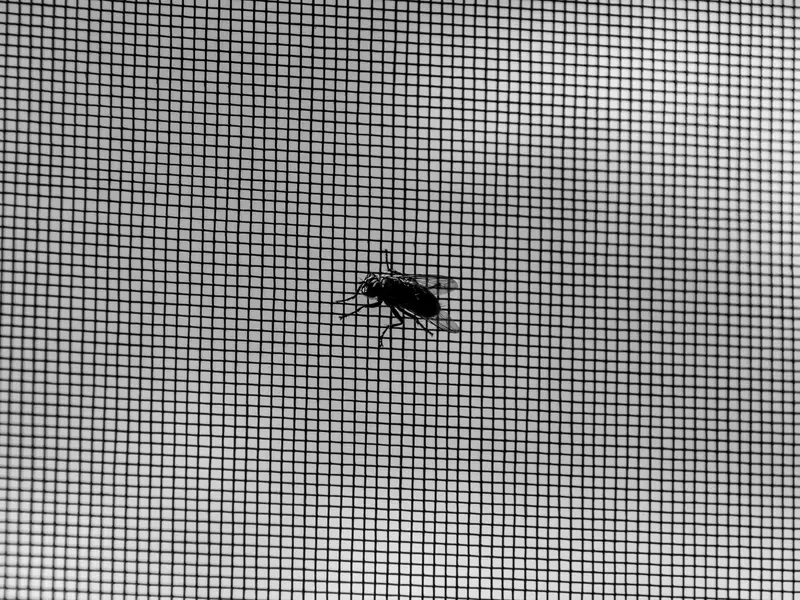
Window mesh
Gaps and cracks in lightweight warehouse walls and unsealed roofs offer easy entry for the gecko. Open-sided or roofless storage structures are particularly attractive entry points.
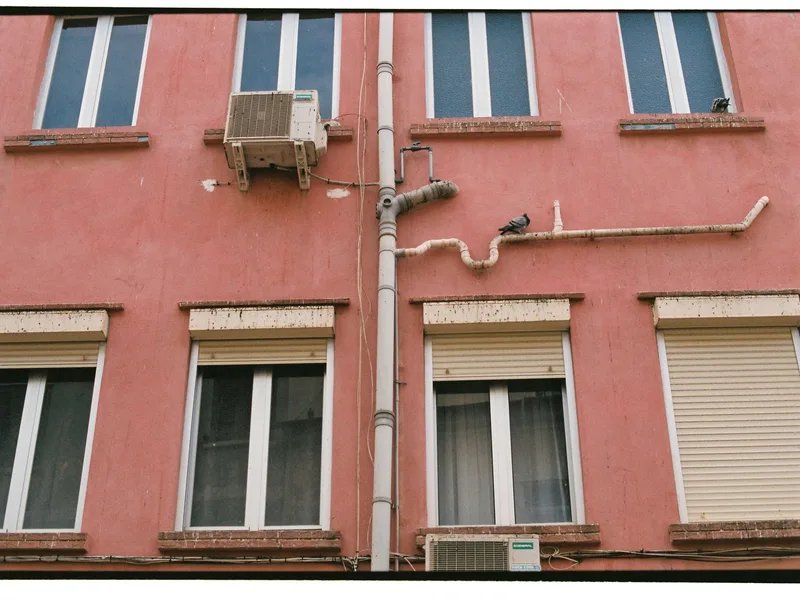
The air-conditioner sleeve
Air-conditioner ducts and drainage in warehouse buildings are often installed hastily with large unsealed gaps, and the gecko enters directly from bare ground without crossing a threshold into protected space.
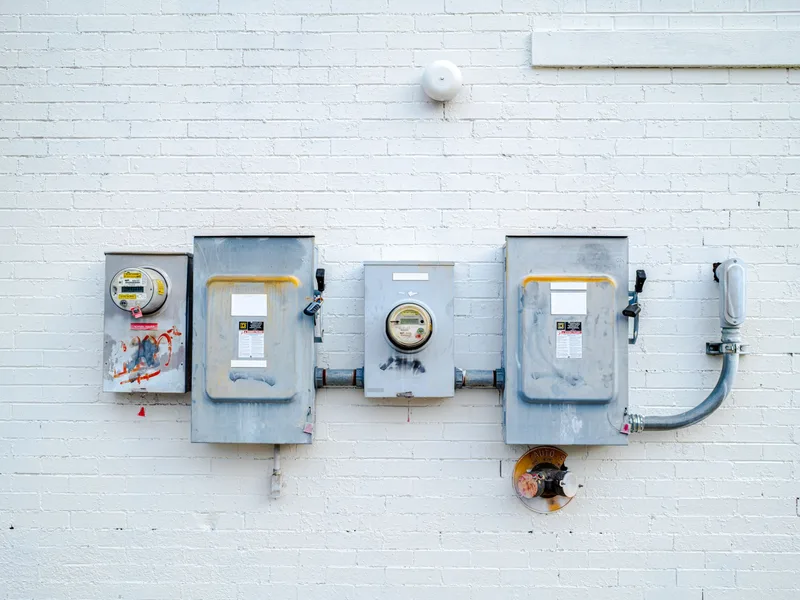
Meter boxes and electrical panels
Electrical boxes and meter cabinets in the industrial zone are often exposed or poorly protected, with insects massing around exposed wiring, drawing the gecko in to hunt close to building entries and loading areas.
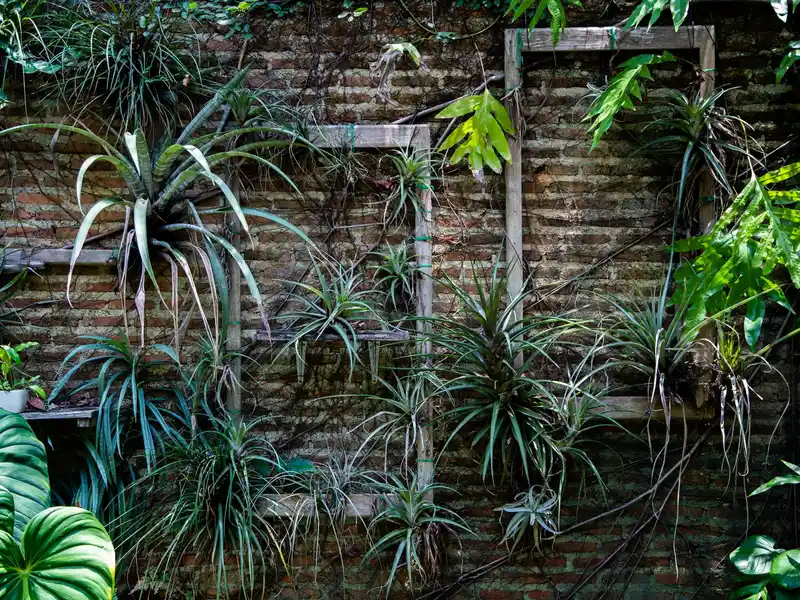
The garden and the irrigation
Damp ground near the wadi and low-lying areas around warehouses create ideal insect habitat, and geckos settle in these zones in large seasonal populations when moisture levels peak.
How we work
-
1
Inspect at night and find the source
We come at the hour it is actually moving, and establish which wall face it is living on, which lights are gathering its food, the entry points and the crevices it wedges into by day.
-
2
Treat the food source
We treat the flying and crawling insects on the wall faces, around the perimeter and around the lighting. Once the food goes, the wall stops being worth staying on.
-
3
Close the openings and clear the crevices
We seal the air-conditioner sleeve, screen the vents and drain outlets, deal with the underside of doors, and place a repellent in the crevices and behind panels so they move out before anything is closed.
-
4
The follow-up visit
We come back once the glued eggs have hatched, check the seals held, and re-treat any wall face where activity has returned.
What gecko control includes
-

A recorded night inspection
Wall faces, lighting, entry points and egg sites, all established before anything is applied.
-

Treating the insects on the walls
Targeted treatment around lighting, windows and the building perimeter, because the food is what keeps it there.
-

Placed repellent in the crevices
Behind panels, in wall joints and at the ceiling-void entries, where it sits out the day.
-

Screening vents and drain openings
Shafts, vents and the condensate outlet, which are entry points nobody looks at.
-

Aftercare instructions
Ventilation, what to cover, and the change to the outside lighting that stops the insects gathering again.
-

A scheduled follow-up
A set date after the first treatment, a check on the seals and re-treatment of anything still active.
Landmarks of Mughammas
Work in Mughammas relies on access routes across bare ground and into scattered warehouses, and treatment near Wadi Al Mughammas, known locally as Al Wadi Al Akhdar, must account for seasonal water flows and the visitor patterns that picnic grounds attract.
- Wadi Al Mughammas (Al Wadi Al Akhdar)
- Jabal Al Tariqi
- Wadi Mudarraja
- Wadi Al Sharai
- Hamid Al Qathami Mosque
Questions about this district
Does proximity to the wadi mean geckos return every rain season?
Yes. After heavy rain the wadi and surrounding ground stay damp for weeks, and insects concentrate densely. Geckos arrive from considerable distances to exploit these congregations. Warehouses and shops hundreds of metres from the wadi may see a spike in gecko activity immediately after rain.
Are Mughammas warehouses more exposed to geckos than residential houses?
Warehouse environments are ideal for geckos: stored goods offer shelter, food waste offers nutrition, and lightweight walls and gaps offer easy entry. Residential houses cannot compete with this variety of food and shelter in a single structure.
Is treating a single warehouse enough, or must you treat the entire industrial zone?
The gecko moves between warehouses and surrounding land effortlessly. Treating one warehouse may suppress the problem temporarily, but the gecko returns from adjoining warehouses and open ground. Treating the whole site and its perimeter is more cost-effective over time.
Do the heavy rains that fill the wadi solve the gecko problem in Mughammas?
Counterintuitively, heavy rain worsens the problem. Water attracts insects, insects attract geckos from farther away, so larger populations congregate around warehouses immediately after rain as they move to the most insect-rich ground in the district.
Are residential homes on the fringe of Mughammas less affected than central industrial buildings?
Homes on the fringe of the industrial zone sit close to warehouses and open ground, so they are often more exposed than homes in residential neighbourhoods distant from the industrial areas.
Is the gecko in Mughammas a different species from the gecko in residential districts?
The gecko species is the same, but the habitat and human activity differ vastly. In Mughammas, open ground, stacked materials and seasonal damp create a completely different environment from residential houses. Treatment strategy must adapt to the industrial setting.
How much does gecko control in Mughammas cost?
It is set after the inspection, because the price follows the type of infestation, the size of the space, how far it has spread and the number of visits it needs. Send a photo and a description on WhatsApp and we will give you an estimate before we reach Mughammas.
Other services in Mughammas
Other services we provide to residents of Mughammas.
-
 Residential
Cockroach control
Residential
Cockroach control
-
 Residential
Bed bug control
Residential
Bed bug control
-
 Residential
Termite control
Residential
Termite control
-
 Residential
Rodents and mice
Residential
Rodents and mice
-
 Residential
Mosquito control
Residential
Mosquito control
-
 Residential
Fly control
Residential
Fly control
-
 Residential
Ant control
Residential
Ant control
-
 Residential
Scorpion control
Residential
Scorpion control
-
 Residential
Snake control
Residential
Snake control
-
 Residential
Flea control
Residential
Flea control
-
 Residential
Bird and pigeon control
Residential
Bird and pigeon control
-
 Residential
Preventive treatment
Residential
Preventive treatment
-
 Residential
Disinfection
Residential
Disinfection
-
 Commercial
Annual contracts
Commercial
Annual contracts
-
 Commercial
Restaurants and cafes
Commercial
Restaurants and cafes
-
 Commercial
Hotels and apartments
Commercial
Hotels and apartments
-
 Commercial
Warehouses and factories
Commercial
Warehouses and factories
-
 Commercial
Schools and nurseries
Commercial
Schools and nurseries
-
 Commercial
Retail and malls
Commercial
Retail and malls
-
 Commercial
Rest houses and farms
Commercial
Rest houses and farms
-
 Commercial
Fumigation
Commercial
Fumigation
-
 Water tanks
Water tank cleaning
Water tanks
Water tank cleaning
-
 Water tanks
Water tank sterilization
Water tanks
Water tank sterilization
-
 Water tanks
Water tank sealing
Water tanks
Water tank sealing
-
 Water tanks
Tank leak repair
Water tanks
Tank leak repair
Need gecko control in Mughammas? Tell us what you saw and we will tell you what it needs
We reach Mughammas at a time we agree, and you get the full cost before we start.