
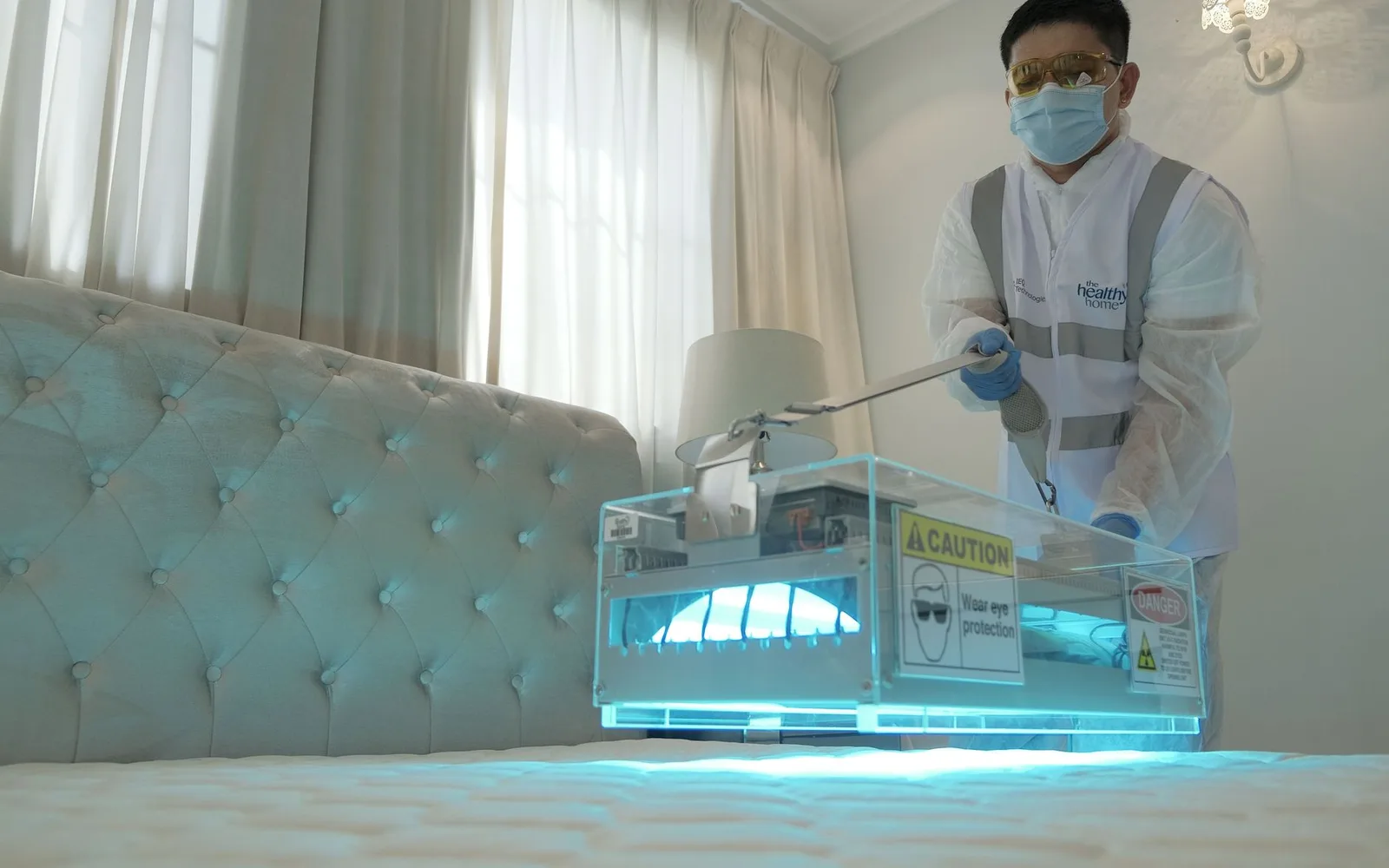
Hotels and apartments in Al Sharafiyah Jeddah
Al Sharafiyah is a commercial district with hotels and furnished apartments stacked above shops and offices, where constant guest movement and visitor traffic broaden the infection risk. The residential density and rapid turnover change how monitoring and treatment must work in this area specifically.
-
Targeted, not broadcast
Product goes into cracks and runways, never sprayed across open surfaces.
-
Told before we start
What we will use, where it goes, and what to cover or move before we arrive.
-
A follow-up visit
We return after the first treatment, because what survives it does not show on the day.
-
Homes and businesses
Apartments and villas, and kitchens and stores that need a record of each visit.
Why they keep coming back in Al Sharafiyah
Guests arriving from different regions sometimes carry infestations that do not appear until several days into their stay, requiring precisely timed follow-up inspections to catch them before checkout. The method is set out in full on how we approach Hotels and apartments.
Shops and storerooms below the residential units
Ground floor shops and small warehouses carry insects from daily deliveries and stock movement, and pipes and gaps connect these areas directly to the apartments above them. Treatment cannot stop at the room alone; it must reach the sources below and the pathways between.
Continuous movement and rotating guest populations
A hotel or furnished apartment in a commercial location receives visitors with high turnover, and rented furniture and luggage move in and out daily. This differs fundamentally from a quiet residential district where occupancy is stable and guests stay longer or live permanently.
Dense buildings and tight spacing between units
Rooms and flats are tightly packed in dense blocks, and shared pipes and wiring carry insects easily between units. A single inspection may need coordination with neighbouring rooms, and the layout itself makes cross-infestation a constant concern.
The character of Al Sharafiyah
Commercial area: offices, showrooms and small stores
A commercial zone means the hotel and apartments are not isolated: insects enter from shops and storerooms below, guests arrive from varied backgrounds, and treatment must encompass the commercial areas and the connections between them and the residential units.
What we check in the room, and behind it
Multiple residential blocks with commercial ground floors line King Fahd Road, and the continuous commercial activity with constant entry and exit increases the likelihood of insect transfer from street level to the rooms above.
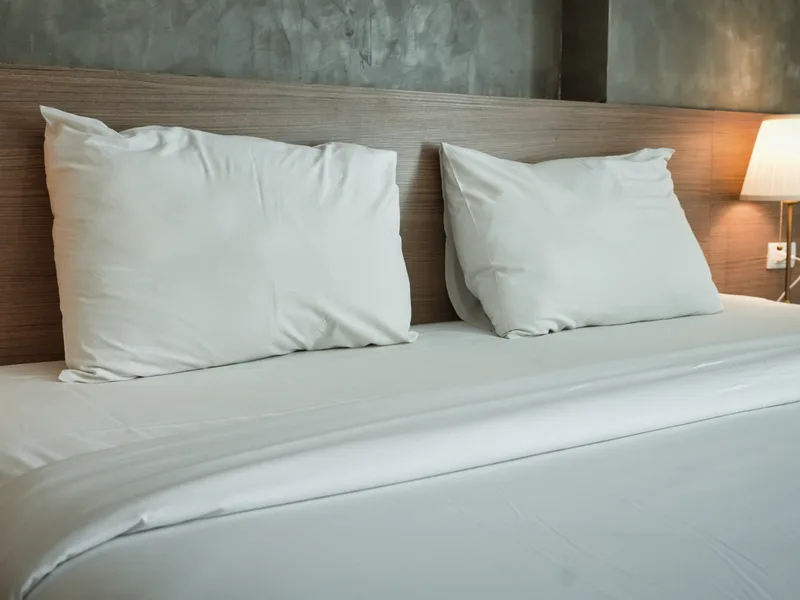
Mattress and base seams
The deep and tight seams in guest-use mattresses hold insects firmly, and in a commercial district with visitors from varied backgrounds, guests may bring infestations from other environments into the bed with them.
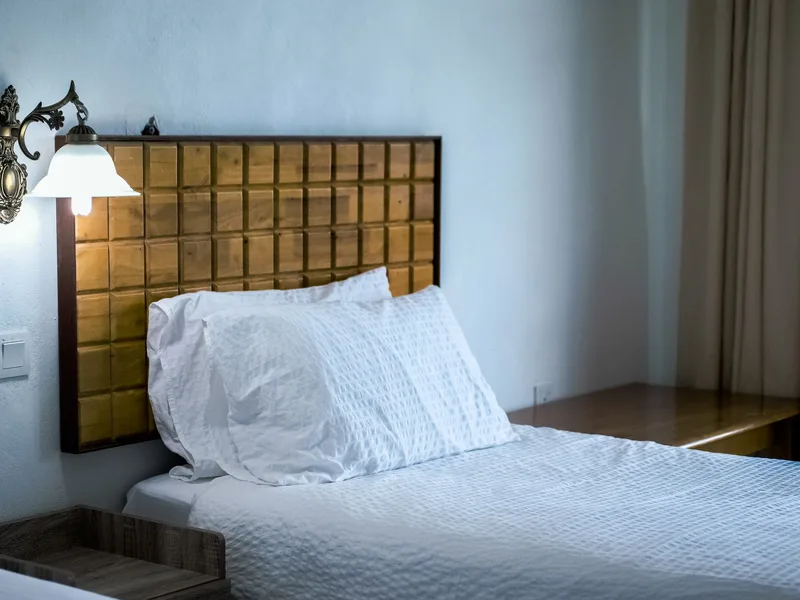
The headboard
The headboard in a hotel or furnished flat is usually anchored firmly to the wall, but the void behind it connects to shared pipes that may originate from the shop below and carry insects upward into the room.
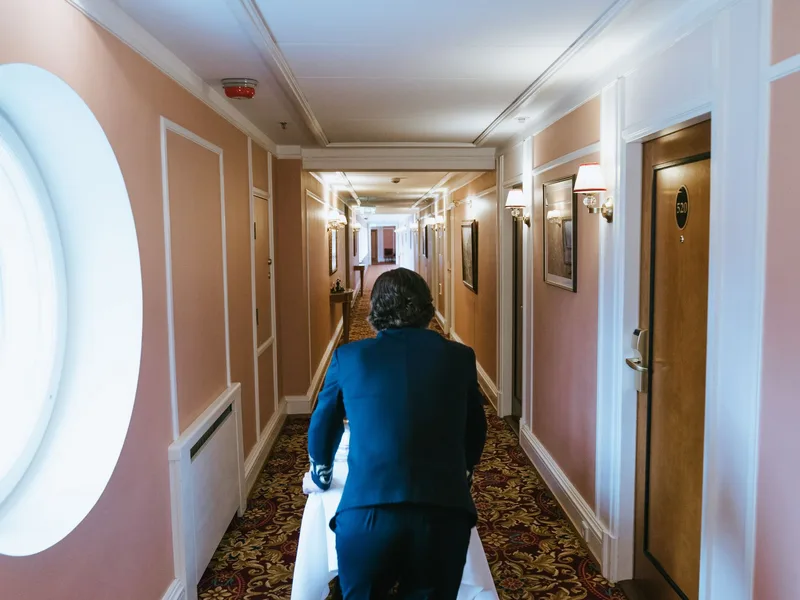
The rooms either side
Adjoining rooms in a dense building are very close, and shared seams and pipes between them make insect travel simple and invisible, especially if the neighbouring unit has not yet shown symptoms.
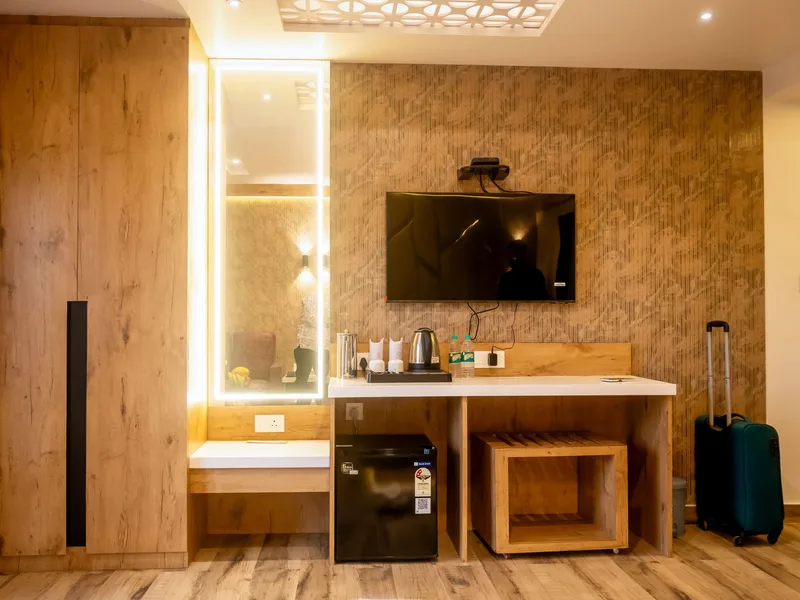
The luggage stand and wardrobe
The luggage stand and wardrobe receive luggage and clothing from different guests every day, and these items may carry insects from other locations directly into the room at check-in.
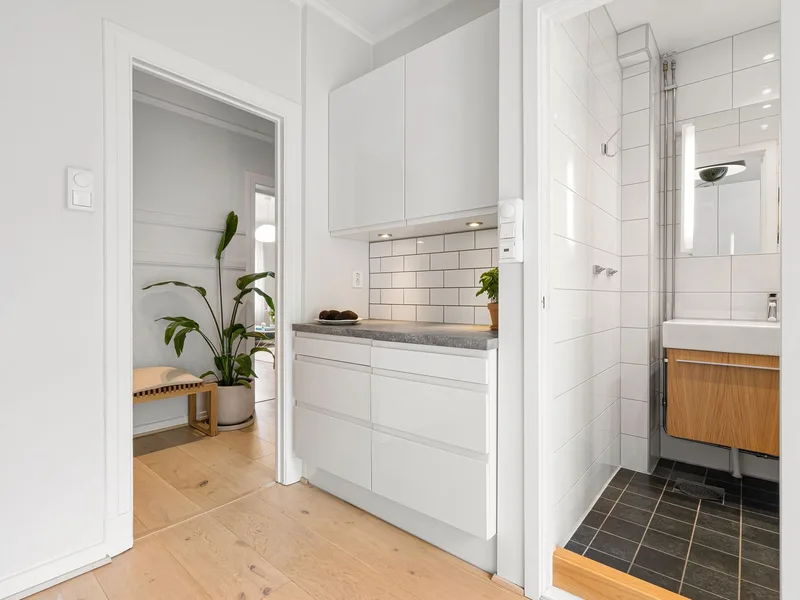
The kitchenette in a unit
The kitchenette in a furnished unit connects to water pipes that descend toward the commercial floors below, and gaps around the pipework provide open corridors where insects move freely between the flat and the shops beneath.
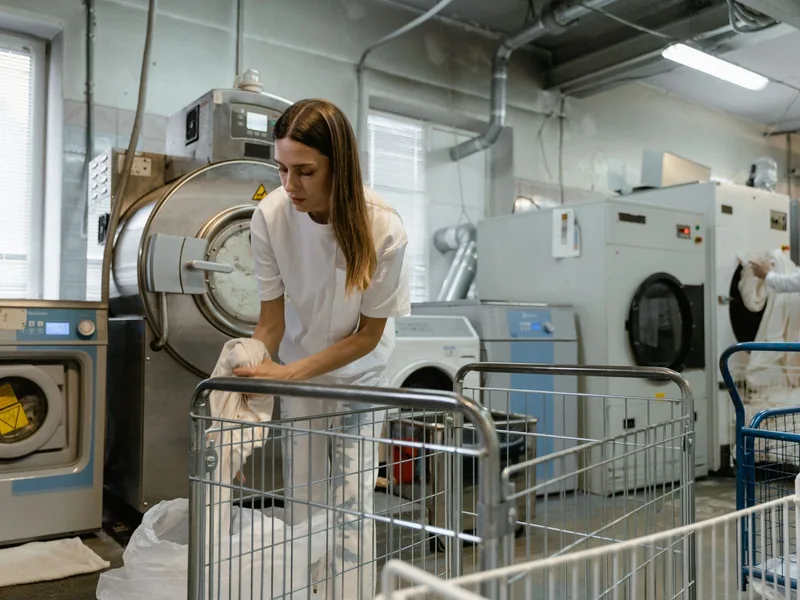
Laundry and the waste room
The laundry and waste room in the shared building may sit between floors or in a corner, and as a damp and persistently dirty space it harbours rodents and cockroaches and allows them to spread through the building's infrastructure.
How we work
-
1
Walk the floor, room by room
We start from what the staff reported, open the beds, lift the headboards and check the rooms either side and the ones above and below, then mark each room as affected, adjacent or clear.
-
2
Treatment outside occupied hours
Seams are vacuumed first, then steam or a targeted application goes onto the seams and joints, dust into the frame voids and behind the skirting, and gel bait through the kitchens and service areas. Nothing is broadcast over soft furnishings.
-
3
Sealing, and the operating routine
We close the skirting gap, the pipe penetration and the gap under the service corridor door, then agree with the staff that linen is bagged inside the room itself, and what gets reported the moment it is seen.
-
4
Follow-up, and putting the room back
We come back once the remaining eggs have hatched, read the monitors and open the bed a second time. A room returns to service on the result of that inspection, and the room number and both dates go into the log.
What the hotel and apartment programme includes
-

A recorded room by room inspection
Beds opened, headboards lifted, neighbouring rooms checked, and the state of every room number recorded before anything is applied.
-

Treatment of the beds and seams
Vacuuming, then a targeted application on mattress and base seams, frame joints and behind the skirting, never across the open surfaces of the room.
-

Bait and points in the service areas
Gel bait and numbered monitoring positions through the kitchen, the stores and the service corridors, read and logged on every visit.
-

Drains, laundry and waste
Floor gullies, the grease trap, the laundry and the ground around the containers, because that is the source that renews itself daily.
-

Room release and staff guidance
What is covered and cleared before we go in, the ventilation time we set for each case, and what the staff look for when they strip a bed.
-

A timed follow-up and a room log
A second visit timed to the hatch, monitors read, and a record carrying the room number, the date of each visit and what was found.
Landmarks of Al Sharafiyah
The residential units and hotels in Al Sharafiyah spread along King Fahd Road and around the King Saud Mosque, and the design of inspections accounts for the high traffic and tight construction along these main corridors that link shops, offices and homes.
- King Fahd Road
- King Saud Mosque
- Dr Bakhsh Hospital
- Khalid ibn Al Walid Street
- Othman ibn Affan Street
- University of Jeddah (Al Sharafiyah campus)
Questions about this district
Are shops and warehouses below the apartment a permanent pest source?
Yes. Fresh stock, daily deliveries and storage in the ground floor shops create breeding grounds for insects, and shared pipes and gaps carry them upward to the flats. Treatment of the residential units alone is incomplete; the commercial areas beneath must also be included to break the cycle.
Can a guest arriving from outside Jeddah bring a new infestation?
Yes. Luggage, furniture and clothing can carry eggs or live insects from other regions, and the infestation may not show itself until several days into the stay. Our follow-up inspection after checkout catches newly introduced infestations before the next guest checks in.
Is treating one apartment enough in a densely packed building?
Treatment of a single unit stops the infestation in that space. In a dense building, however, coordination with neighbouring units may be necessary, especially if signs appear in seams near shared walls or in the pipes that run between floors.
How often should hotels and furnished apartments here be inspected?
In a commercial location with high guest turnover, monthly or fortnightly inspection works better than quarterly. Frequency depends on the building age, guest volume and any prior infestation history.
Is rented furniture brought into the unit safe from infestation?
Furniture rented from outside Al Sharafiyah may carry subtle infestations. Pre-entry inspection is important. If it enters untested, we may later find insects entrenched in the seams and voids where they spread easily to the rest of the unit.
Does dampness from pipe leaks in shared walls increase insects?
Moisture from leaking pipes provides ideal conditions for cockroaches and rodents, and shared pipes in an older building create safe corridors for insects to travel between floors undetected and to establish new populations.
How much does hotels and apartments in Al Sharafiyah cost?
It is set after the inspection, because the price follows the type of infestation, the size of the space, how far it has spread and the number of visits it needs. Send a photo and a description on WhatsApp and we will give you an estimate before we reach Al Sharafiyah.
Other services in Al Sharafiyah
Other services we provide to residents of Al Sharafiyah.
-
 Residential
Cockroach control
Residential
Cockroach control
-
 Residential
Bed bug control
Residential
Bed bug control
-
 Residential
Termite control
Residential
Termite control
-
 Residential
Rodents and mice
Residential
Rodents and mice
-
 Residential
Mosquito control
Residential
Mosquito control
-
 Residential
Fly control
Residential
Fly control
-
 Residential
Ant control
Residential
Ant control
-
 Residential
Gecko control
Residential
Gecko control
-
 Residential
Scorpion control
Residential
Scorpion control
-
 Residential
Snake control
Residential
Snake control
-
 Residential
Flea control
Residential
Flea control
-
 Residential
Bird and pigeon control
Residential
Bird and pigeon control
-
 Residential
Preventive treatment
Residential
Preventive treatment
-
 Residential
Disinfection
Residential
Disinfection
-
 Commercial
Annual contracts
Commercial
Annual contracts
-
 Commercial
Restaurants and cafes
Commercial
Restaurants and cafes
-
 Commercial
Warehouses and factories
Commercial
Warehouses and factories
-
 Commercial
Schools and nurseries
Commercial
Schools and nurseries
-
 Commercial
Retail and malls
Commercial
Retail and malls
-
 Commercial
Rest houses and farms
Commercial
Rest houses and farms
-
 Commercial
Fumigation
Commercial
Fumigation
-
 Water tanks
Water tank cleaning
Water tanks
Water tank cleaning
-
 Water tanks
Water tank sterilization
Water tanks
Water tank sterilization
-
 Water tanks
Water tank sealing
Water tanks
Water tank sealing
-
 Water tanks
Tank leak repair
Water tanks
Tank leak repair
Need hotels and apartments in Al Sharafiyah? Tell us what you saw and we will tell you what it needs
We reach Al Sharafiyah at a time we agree, and you get the full cost before we start.