
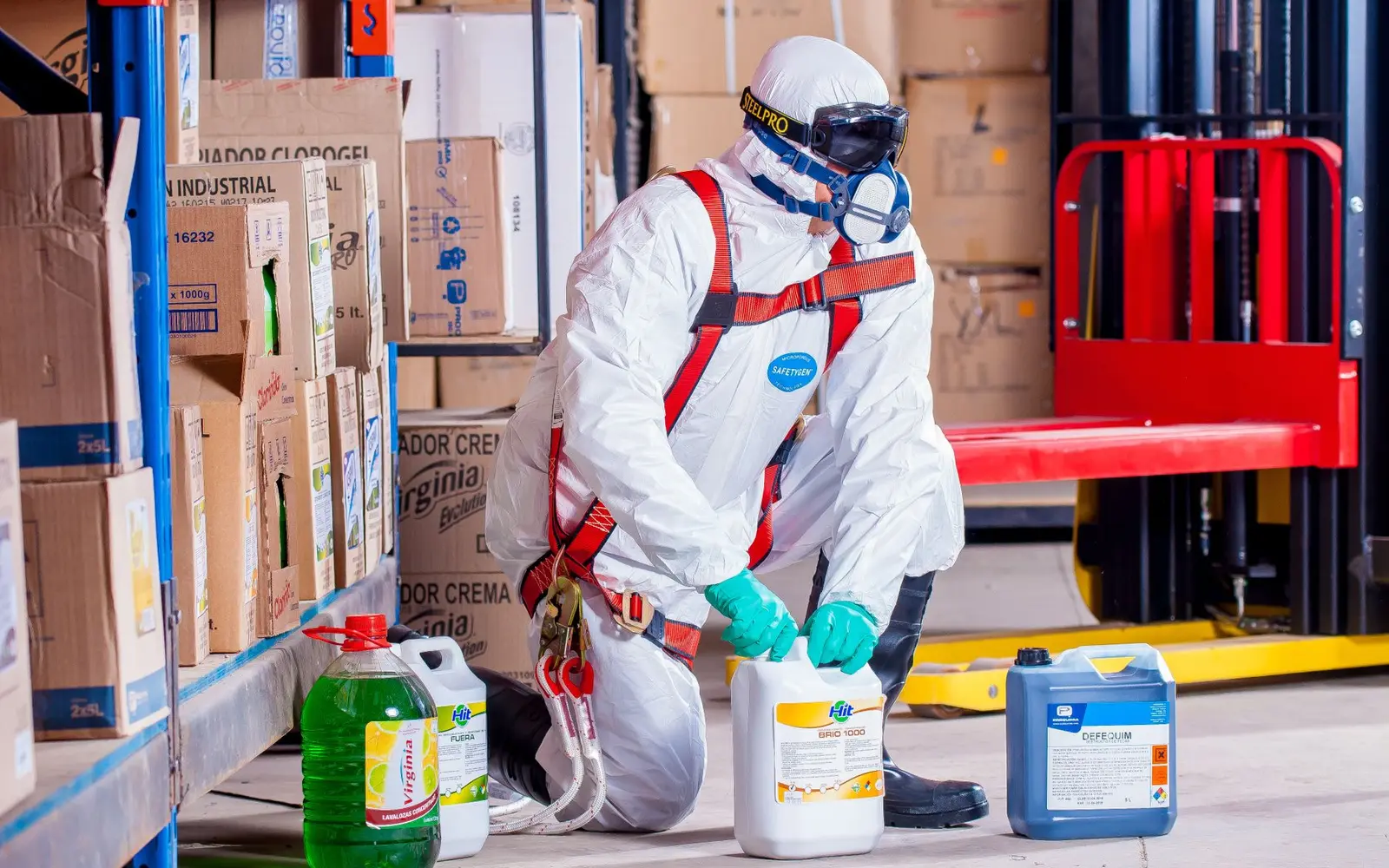
Warehouses and factories in Al Sharafiyah Jeddah
Small storerooms and showrooms in Al Sharafiyah receive diverse goods daily along busy King Fahd Road, meaning pest infestations arrive with almost every consignment. We identify the source at goods-in and treat it before it spreads up into the residential floors above the shops.
-
Targeted, not broadcast
Product goes into cracks and runways, never sprayed across open surfaces.
-
Told before we start
What we will use, where it goes, and what to cover or move before we arrive.
-
A follow-up visit
We return after the first treatment, because what survives it does not show on the day.
-
Homes and businesses
Apartments and villas, and kitchens and stores that need a record of each visit.
Why they keep coming back in Al Sharafiyah
Stock here comes from multiple sources and ports, so infestation is often already present when the carton reaches the receiving door. The first walk identifies what arrived damaged. The method is set out in full on how we approach Warehouses and factories.
Pest arrives inside the incoming box
Showrooms and small stores along King Fahd Road receive daily deliveries from varied suppliers. Inspection at goods-in is critical because infestation often travels in the packaging itself before stock ever enters the store. We trap and isolate at that moment.
Humidity rises through apartment levels
The residential blocks above the shops collect moisture from air conditioning units and kitchens, drawing cockroaches upwards from the warehouse. Our numbered monitoring points track movement at each floor where we detect upward traffic.
Narrow aisles trap stock tightly
Showroom layouts are cramped, with racking close together and cartons stacked high, hiding pest populations from casual inspection. We focus on corners and gaps between stacks where insects shelter undisturbed between deliveries.
The character of Al Sharafiyah
Commercial area: offices, showrooms and small stores
The commercial character means variety in goods types. One showroom may hold furniture whilst another holds clothing, each attracting different pests. This mix demands that the programme tracks each category separately and adjusts monitoring by shelf type.
What the first walk through the building reads
A dense commercial zone along King Fahd Road between Al Hamra and Al Ruwais, where ground floor shops and small warehouses sit directly beneath tall apartment blocks, allowing pests to migrate easily between the levels.

The shutter line
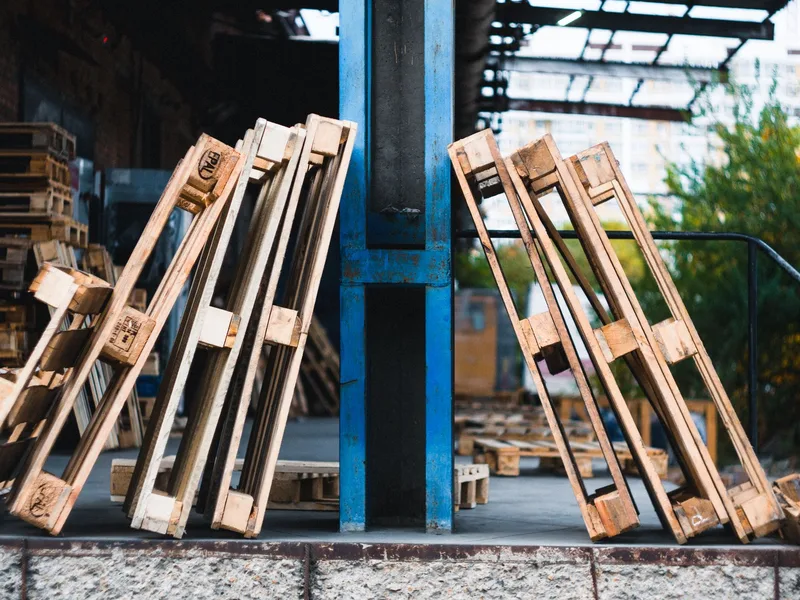
The goods-in shutter on King Fahd Road needs a pheromone trap at every opening cycle, and the tight exterior yard space means deliveries pile quickly against the weather.
What comes in on the pallet
Cartons and pallets arrive from multiple markets, some already open, and our first reading tells you which shipments carry infestation and which shelves they have reached.
The strip along the wall
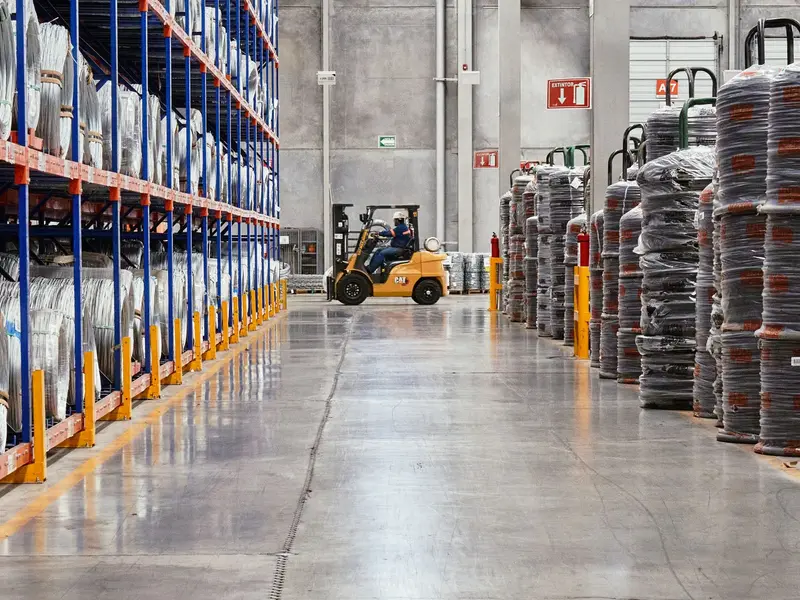
Metal racking in the showrooms leaves little space between units, and walls stay damp from the air conditioning units, so we focus on cracks and gaps behind the fixed racking.
Spillage under the racking
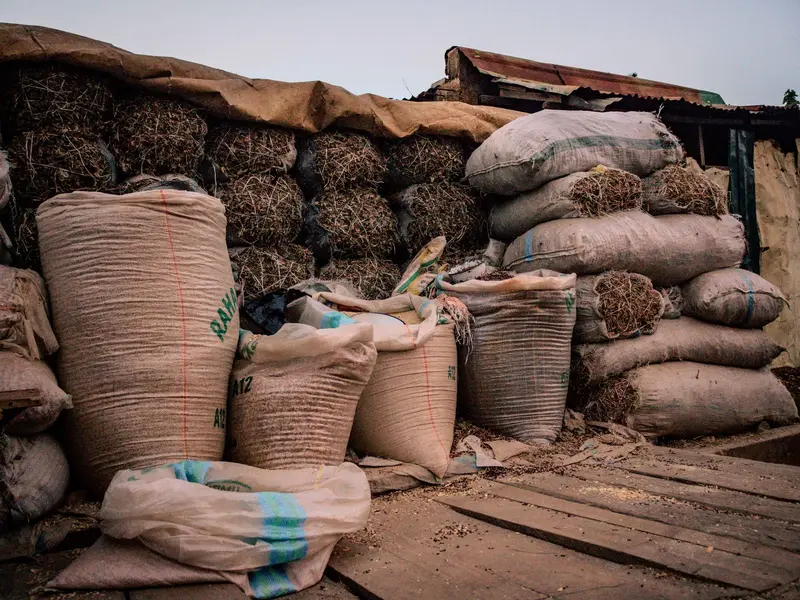
Spillage under racking is rare here because stock stays boxed, but what falls from stacked cartons above collects insects that would otherwise move on.
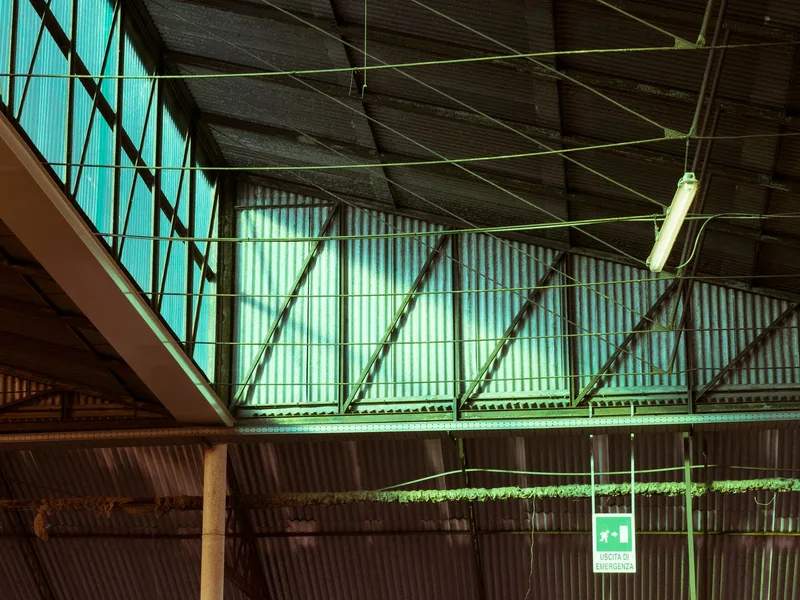
The roof and the openings above
The ceiling is shared with upper floors, and gaps around pipework above let insects pass down from the apartments into the warehouse space, so we seal those routes first.
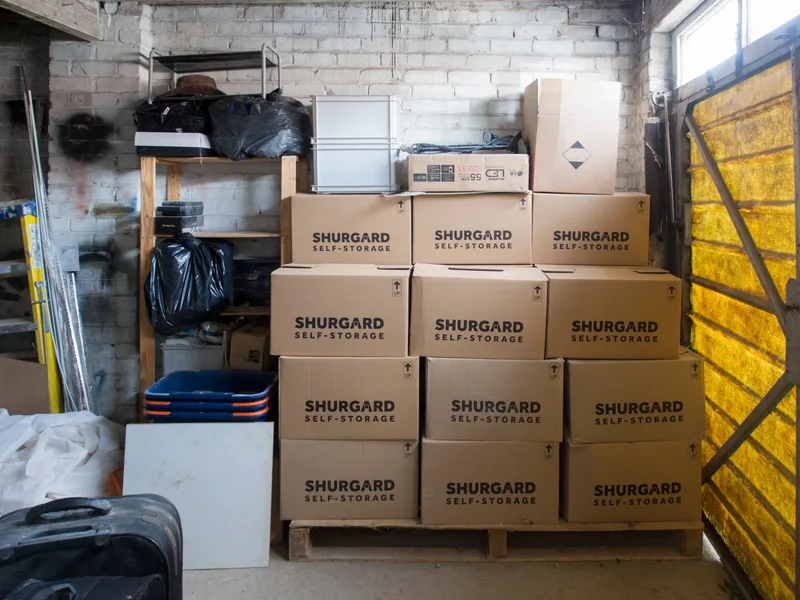
Stock that does not move
Stock moves quickly through the showrooms, but display items in the showroom stay on display for months, so we monitor those pieces carefully with trap density.
How we work
-
1
Survey the building and locate the source
We walk from the goods-in door through the racking, the production areas and the outside wall line, and establish whether the pressure is stored product pests inside the goods, rodents from the perimeter or flying insects from waste and doorways, because each of those is a different programme.
-
2
Pheromone traps and numbered points
Species-specific pheromone traps through the storage areas, and monitoring points on the external ring and along the internal walls, numbered on the racking plan. A trap treats nothing, it tells us which aisle the numbers are climbing in.
-
3
Targeted treatment and isolating the consignment
Spillage is lifted first, then empty racking, wall and floor junctions and voids are treated, and nothing is placed over open stock or a running line. A consignment showing activity is isolated where it stands rather than carried through the building.
-
4
Sealing, then the scheduled visits
We close door gaps, openings and pipe entries, then come back on an agreed schedule: the same traps and points are read each time, and a report goes over what was found, what was treated and what the building still needs closed.
What warehouse pest control includes
-

Site survey and racking plan
A walk from the goods-in door to the last aisle, and a plan with every monitoring position numbered before anything is installed.
-

Pheromone traps and numbered points
Species-specific traps through the storage areas and points along the perimeter line, read and logged on every visit.
-

Targeted treatment of racking and junctions
On empty racking, wall and floor junctions and voids, never over open stock or a running line.
-

Drains, waste and the perimeter
Floor gullies, the container area and the outside wall line, because that is the source which renews itself.
-

Proofing and building findings
Shutter gaps, brush seals and mesh over openings, with a list of what the site needs to repair.
-

Scheduled visits and a report each time
Agreed dates set by the pressure on the site, the same traps read again, and a report that records every visit.
Landmarks of Al Sharafiyah
Work here is organised along the King Fahd Road corridor, and we coordinate with stores near the King Saud Mosque and Dr Bakhsh Hospital to cover every small warehouse in the commercial zone consistently.
- King Fahd Road
- King Saud Mosque
- Dr Bakhsh Hospital
- Khalid ibn Al Walid Street
- Othman ibn Affan Street
- University of Jeddah (Al Sharafiyah campus)
Questions about this district
Do you inspect every single shipment that arrives?
Yes, new deliveries have a goods-in protocol at the receiving door. We search for activity signs before boxes are moved to racking. If we detect indicators we isolate the consignment immediately and treat the area.
Shops sit under apartments. How do you stop upward spread?
We place numbered monitoring points on staircases and lift shafts to read upward traffic patterns. We focus on cable runs and pipe gaps between floors where insects climb easily from the warehouse level upwards.
Some cartons stay open. What can be done?
Open cartons are pest harborage, especially if they hold food products or cardboard items. We advise covering them quickly and storing them in designated zones away from wall runs where insects hide.
How often do we receive reading reports?
A detailed report follows each visit. It shows you which points carried activity and treatment recommendations. This helps you adjust receiving protocols or storage layouts based on what we find.
Is cockroach the only pest problem here?
Cockroach and stored product beetle are the main two. But we also find food mites and ant in shops that stock grains or sugar products. The programme covers every pest type that affects stored goods.
When should we choose warehouse programme over regular spraying?
The warehouse programme is essential if you receive goods daily or weekly. Regular spraying does not track incoming consignments. Our programme inspects and alerts every visit, stopping infestation at the door.
How much does warehouses and factories in Al Sharafiyah cost?
It is set after the inspection, because the price follows the type of infestation, the size of the space, how far it has spread and the number of visits it needs. Send a photo and a description on WhatsApp and we will give you an estimate before we reach Al Sharafiyah.
Other services in Al Sharafiyah
Other services we provide to residents of Al Sharafiyah.
-
 Residential
Cockroach control
Residential
Cockroach control
-
 Residential
Bed bug control
Residential
Bed bug control
-
 Residential
Termite control
Residential
Termite control
-
 Residential
Rodents and mice
Residential
Rodents and mice
-
 Residential
Mosquito control
Residential
Mosquito control
-
 Residential
Fly control
Residential
Fly control
-
 Residential
Ant control
Residential
Ant control
-
 Residential
Gecko control
Residential
Gecko control
-
 Residential
Scorpion control
Residential
Scorpion control
-
 Residential
Snake control
Residential
Snake control
-
 Residential
Flea control
Residential
Flea control
-
 Residential
Bird and pigeon control
Residential
Bird and pigeon control
-
 Residential
Preventive treatment
Residential
Preventive treatment
-
 Residential
Disinfection
Residential
Disinfection
-
 Commercial
Annual contracts
Commercial
Annual contracts
-
 Commercial
Restaurants and cafes
Commercial
Restaurants and cafes
-
 Commercial
Hotels and apartments
Commercial
Hotels and apartments
-
 Commercial
Schools and nurseries
Commercial
Schools and nurseries
-
 Commercial
Retail and malls
Commercial
Retail and malls
-
 Commercial
Rest houses and farms
Commercial
Rest houses and farms
-
 Commercial
Fumigation
Commercial
Fumigation
-
 Water tanks
Water tank cleaning
Water tanks
Water tank cleaning
-
 Water tanks
Water tank sterilization
Water tanks
Water tank sterilization
-
 Water tanks
Water tank sealing
Water tanks
Water tank sealing
-
 Water tanks
Tank leak repair
Water tanks
Tank leak repair
Need warehouses and factories in Al Sharafiyah? Tell us what you saw and we will tell you what it needs
We reach Al Sharafiyah at a time we agree, and you get the full cost before we start.