
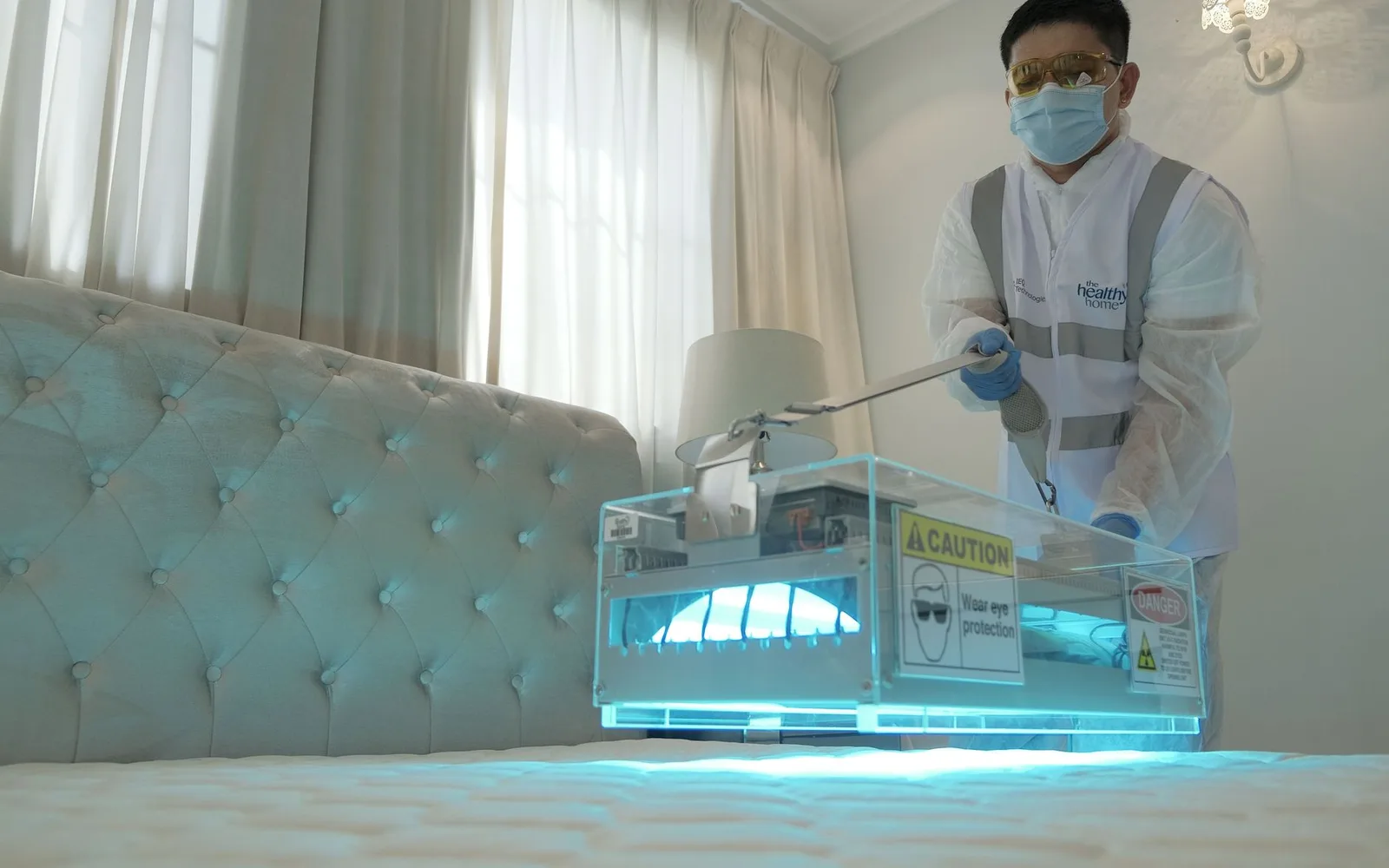
Hotels and apartments in Rai Adhakhir Makkah
Rai Adhakhir sits on a hillside pass north east of the Grand Mosque, where streets climb from the lower slopes up towards higher ground. Small hotels and apartment blocks terraced on the slope house many seasonal visitors along Al Ijabah Street. Insects exploit the water paths and tight spaces between buildings clustered on the same slope.
-
Targeted, not broadcast
Product goes into cracks and runways, never sprayed across open surfaces.
-
Told before we start
What we will use, where it goes, and what to cover or move before we arrive.
-
A follow-up visit
We return after the first treatment, because what survives it does not show on the day.
-
Homes and businesses
Apartments and villas, and kitchens and stores that need a record of each visit.
Why they keep coming back in Rai Adhakhir
The hillside pass means moisture and water run downhill through narrow streets, and insects use these water paths to move between hotels and blocks. The method is set out in full on the full Hotels and apartments page.
Narrow rising streets provide natural passages for insects and rodents
Al Ijabah Street and the other steep climbing streets in Rai Adhakhir are very narrow and buildings crowd both sides. Rodents and insects use these natural passages to move easily from hotel to hotel, climbing towards the higher ground.
Old flood paths provide safe voids beneath the buildings
Ancient watercourses descending from Jabal Qaiqaan and Jabal Khandamah run beneath the buildings in Rai Adhakhir. These natural cavities give rodents and insects safe shelters under the floors and walls.
Steep stacking means finger width gaps between neighbouring buildings
Buildings are pressed onto the hillside with gaps sometimes a single hand span wide. These tiny passages provide safe and invisible routes for insects between buildings.
Rai Adhakhir on the map
Rai Adhakhir sits about 1.5 km from Al Jumayzah and about 2 km from Qurtubah.
Open in Google MapsWhat we check in the room, and behind it
Buildings stacked tightly on a hillside with narrow streets climbing steeply. Very tight gaps between buildings and old flood paths descend from the hills through the quarter.
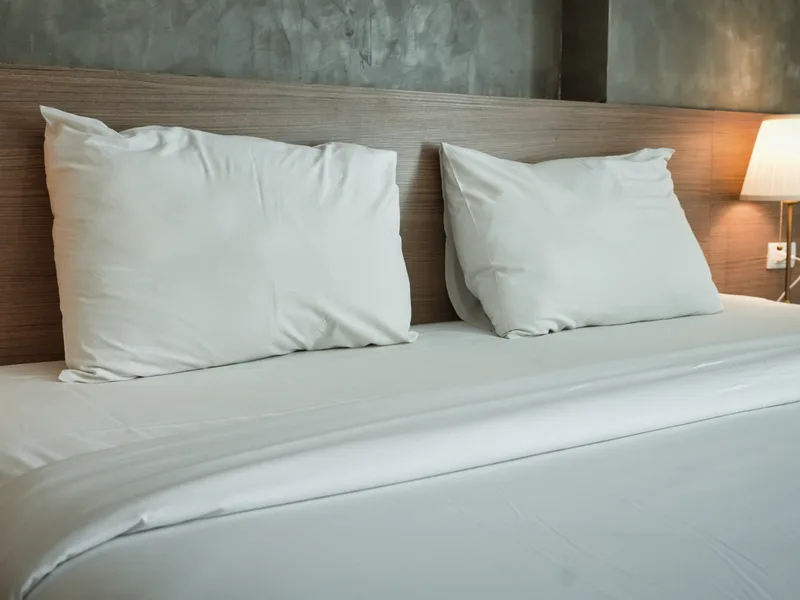
Mattress and base seams
Mattress seams in slope hotels hold moisture from flood paths and seepage, and eggs stay cemented into damp seams.
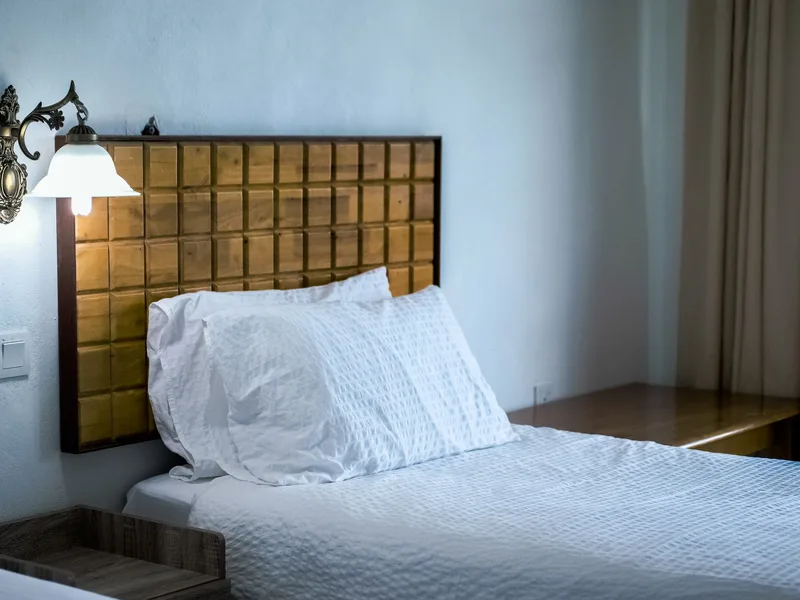
The headboard
Headboards may be welded metal sections or old wood, and gaps provide shelters from flowing water.
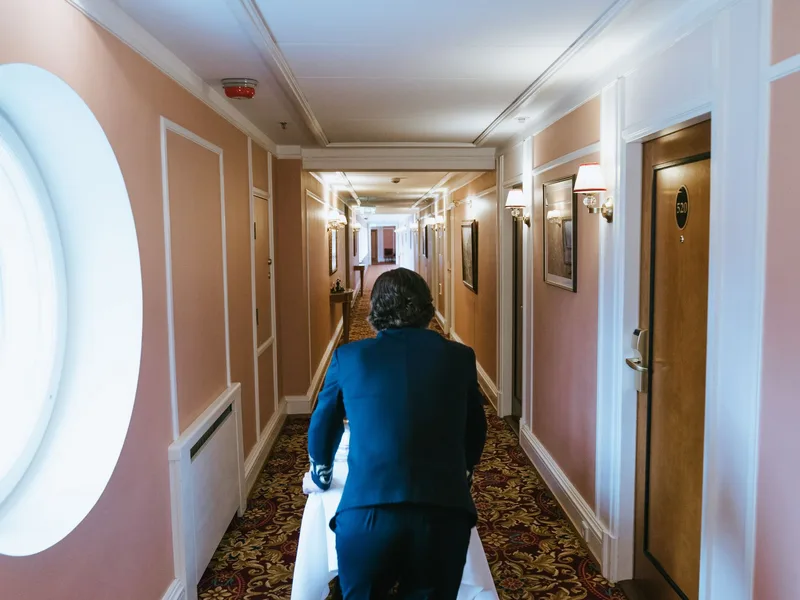
The rooms either side
Adjacent rooms on the same slope share common pipes and insects move easily along them.
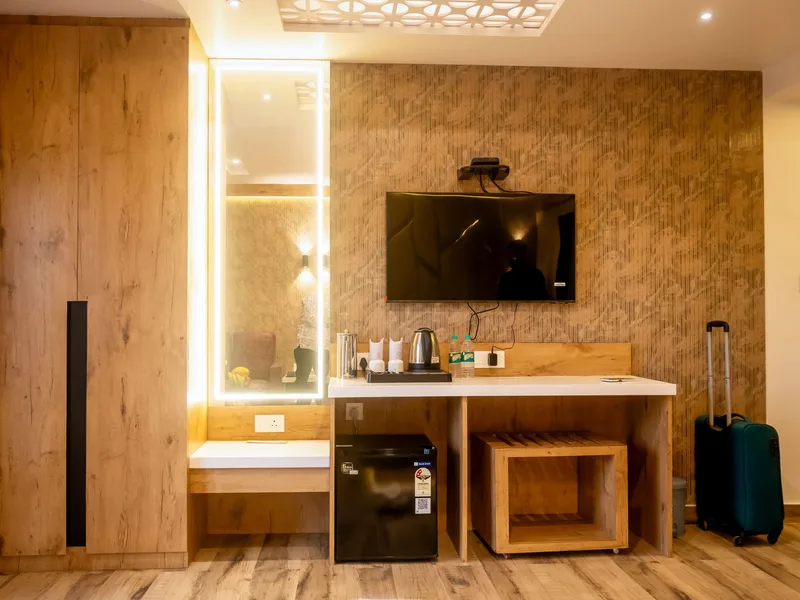
The luggage stand and wardrobe
Luggage racks and wardrobes may collect moisture from the water paths, and gaps hide insects.
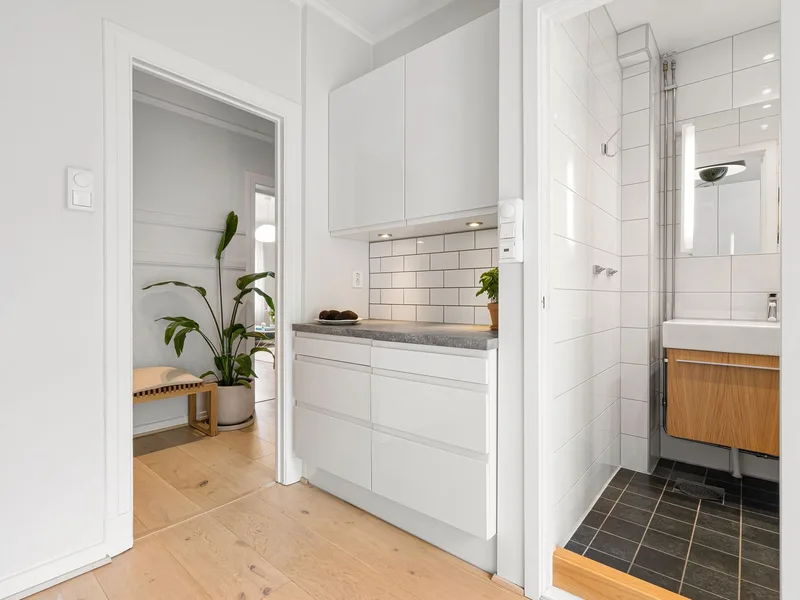
The kitchenette in a unit
The kitchenette may sit close to water channels, and gaps around pipes provide passage routes.

Laundry and the waste room
Hotel laundry and waste storage may lie near the old water paths, increasing dampness and insect pressure.
How we work
-
1
Walk the floor, room by room
We start from what the staff reported, open the beds, lift the headboards and check the rooms either side and the ones above and below, then mark each room as affected, adjacent or clear.
-
2
Treatment outside occupied hours
Seams are vacuumed first, then steam or a targeted application goes onto the seams and joints, dust into the frame voids and behind the skirting, and gel bait through the kitchens and service areas. Nothing is broadcast over soft furnishings.
-
3
Sealing, and the operating routine
We close the skirting gap, the pipe penetration and the gap under the service corridor door, then agree with the staff that linen is bagged inside the room itself, and what gets reported the moment it is seen.
-
4
Follow-up, and putting the room back
We come back once the remaining eggs have hatched, read the monitors and open the bed a second time. A room returns to service on the result of that inspection, and the room number and both dates go into the log.
What the hotel and apartment programme includes
-

A recorded room by room inspection
Beds opened, headboards lifted, neighbouring rooms checked, and the state of every room number recorded before anything is applied.
-

Treatment of the beds and seams
Vacuuming, then a targeted application on mattress and base seams, frame joints and behind the skirting, never across the open surfaces of the room.
-

Bait and points in the service areas
Gel bait and numbered monitoring positions through the kitchen, the stores and the service corridors, read and logged on every visit.
-

Drains, laundry and waste
Floor gullies, the grease trap, the laundry and the ground around the containers, because that is the source that renews itself daily.
-

Room release and staff guidance
What is covered and cleared before we go in, the ventilation time we set for each case, and what the staff look for when they strip a bed.
-

A timed follow-up and a room log
A second visit timed to the hatch, monitors read, and a record carrying the room number, the date of each visit and what was found.
The character of Rai Adhakhir
Apartment district: residential blocks, repeated floors and shared entrances
An apartment district on a hillside means insects move not just between units but arrive via the natural water paths running beneath the buildings. The programme must inspect the voids beneath floors and the tiny gaps between the tightly stacked buildings, not just the rooms themselves.
Questions about this district
Do the small gaps between buildings help insects move between hotels?
Yes, very much. Finger width gaps provide insects safe passages. We probe these gaps during inspection because insects may be trapped in them.
Do the flood paths beneath buildings contain insects and rodents?
Yes, these voids provide ideal shelter for both. We inspect them when possible and treat them specifically.
How do we stop insects moving from one hotel to the next on the slope?
Sealing the small gaps between buildings is essential. We use flexible materials that tolerate ground movement. Each hotel needs its own sealed perimeter.
Does moisture from flowing water increase insect breeding?
Yes, moving water provides ideal living conditions. Our treatment focuses on improving drainage and ventilation around the gaps.
Is monthly inspection enough for a hotel on a slope?
Monthly may not be enough if insects are moving from neighbouring hotels. We recommend inspection every two weeks at least.
Should we treat the neighbouring hotels on the same slope too?
If one hotel is infested, we inspect neighbouring properties at minimum. If multiple hotels show infestation, a unified programme for the whole slope is best.
How much does hotels and apartments in Rai Adhakhir cost?
It is set after the inspection, because the price follows the type of infestation, the size of the space, how far it has spread and the number of visits it needs. Send a photo and a description on WhatsApp and we will give you an estimate before we reach Rai Adhakhir.
Nearby districts we cover
Other services in Rai Adhakhir
Other services we provide to residents of Rai Adhakhir.
-
 Residential
Cockroach control
Residential
Cockroach control
-
 Residential
Bed bug control
Residential
Bed bug control
-
 Residential
Termite control
Residential
Termite control
-
 Residential
Rodents and mice
Residential
Rodents and mice
-
 Residential
Mosquito control
Residential
Mosquito control
-
 Residential
Fly control
Residential
Fly control
-
 Residential
Ant control
Residential
Ant control
-
 Residential
Gecko control
Residential
Gecko control
-
 Residential
Scorpion control
Residential
Scorpion control
-
 Residential
Snake control
Residential
Snake control
-
 Residential
Flea control
Residential
Flea control
-
 Residential
Bird and pigeon control
Residential
Bird and pigeon control
-
 Residential
Preventive treatment
Residential
Preventive treatment
-
 Residential
Disinfection
Residential
Disinfection
-
 Commercial
Annual contracts
Commercial
Annual contracts
-
 Commercial
Restaurants and cafes
Commercial
Restaurants and cafes
-
 Commercial
Warehouses and factories
Commercial
Warehouses and factories
-
 Commercial
Schools and nurseries
Commercial
Schools and nurseries
-
 Commercial
Retail and malls
Commercial
Retail and malls
-
 Commercial
Rest houses and farms
Commercial
Rest houses and farms
-
 Commercial
Fumigation
Commercial
Fumigation
-
 Water tanks
Water tank cleaning
Water tanks
Water tank cleaning
-
 Water tanks
Water tank sterilization
Water tanks
Water tank sterilization
-
 Water tanks
Water tank sealing
Water tanks
Water tank sealing
-
 Water tanks
Tank leak repair
Water tanks
Tank leak repair
Need hotels and apartments in Rai Adhakhir? Tell us what you saw and we will tell you what it needs
We reach Rai Adhakhir at a time we agree, and you get the full cost before we start.