

Restaurants and cafes in Rai Adhakhir Makkah
Rai Adhakhir is a hillside district north east of the Grand Mosque whose streets climb from Al Shisha and Al Maabdah towards Al Khansa. The Al Ijabah Mosque stands on Al Ijabah Street as the area's landmark, and terraced apartment blocks, a medical complex and small hotels for seasonal visitors cover the slopes. Small restaurants serve the hotels and visiting pilgrims from tight food passages.
-
Targeted, not broadcast
Product goes into cracks and runways, never sprayed across open surfaces.
-
Told before we start
What we will use, where it goes, and what to cover or move before we arrive.
-
A follow-up visit
We return after the first treatment, because what survives it does not show on the day.
-
Homes and businesses
Apartments and villas, and kitchens and stores that need a record of each visit.
Why they keep coming back in Rai Adhakhir
Mosquitoes and small flies cause more complaints here than cockroaches, because damp soil on the slopes provides ideal mosquito breeding habitat. The method is set out in full on Restaurants and cafes in detail.
Hillside slopes and saturated earth
The district is built on mountain slopes where water runs down from peaks and pools in hollows and cracks. Soil around buildings is always damp. Tree and shrub roots trap water. Buildings rise on slopes creating voids under foundations that shelter insects.
Slope drainage and natural fall
Drainage in the quarter relies on natural gravity and slope fall. In rainy seasons and mountain floods, drainage may be overwhelmed. Standing water provides perfect breeding habitat for mosquitoes and small flies.
Small hotels and irrigated gardens
Small hotels have tiny gardens on the slopes with regular irrigation. Water pools around roots and plants. Gardens provide food and moisture for insects. Adjoining hotels and restaurants receive insects directly from the gardens.
Rai Adhakhir on the map
Rai Adhakhir sits about 1.5 km from Al Jumayzah and about 2 km from Qurtubah.
Open in Google MapsThe places that decide the programme
A hillside quarter with unstable ground, water pooling in cracks and hollows, and drainage that depends on natural fall and may be insufficient during rainy seasons.
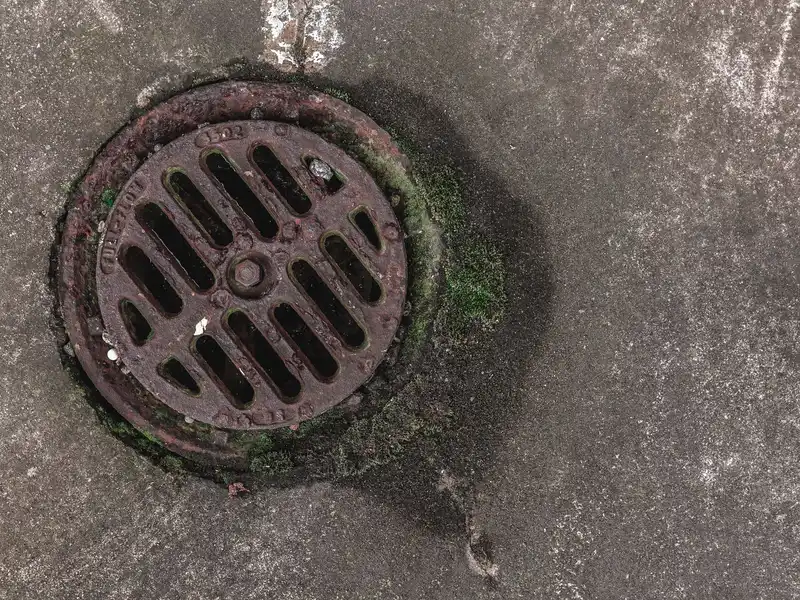
Gullies and the grease trap
The gully and grease trap may sit on a slope where water does not run properly on dry days. We inspect pipe fall and arrange regular cleaning.
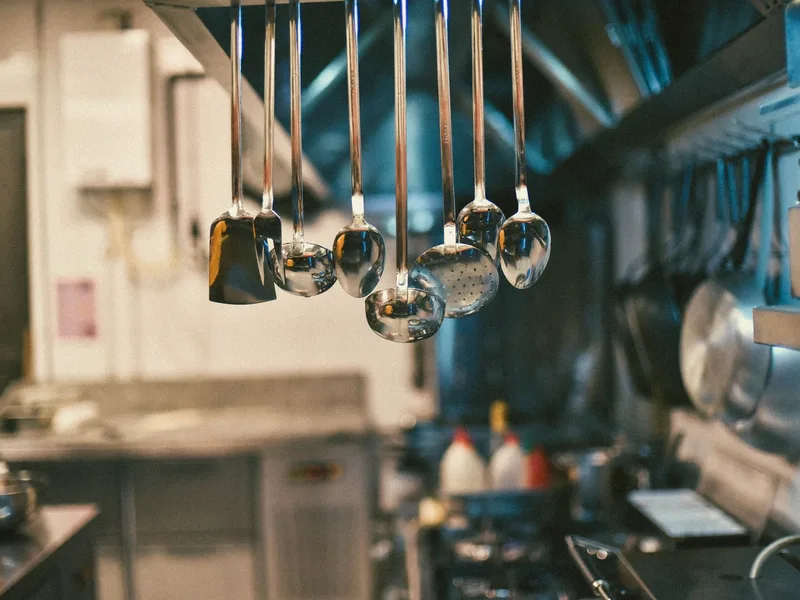
The cooking line and plinths
The cooking line on a slope may sit low or high depending on foundation height. Water may pool around equipment. We focus on drying lower voids and ensuring ventilation.
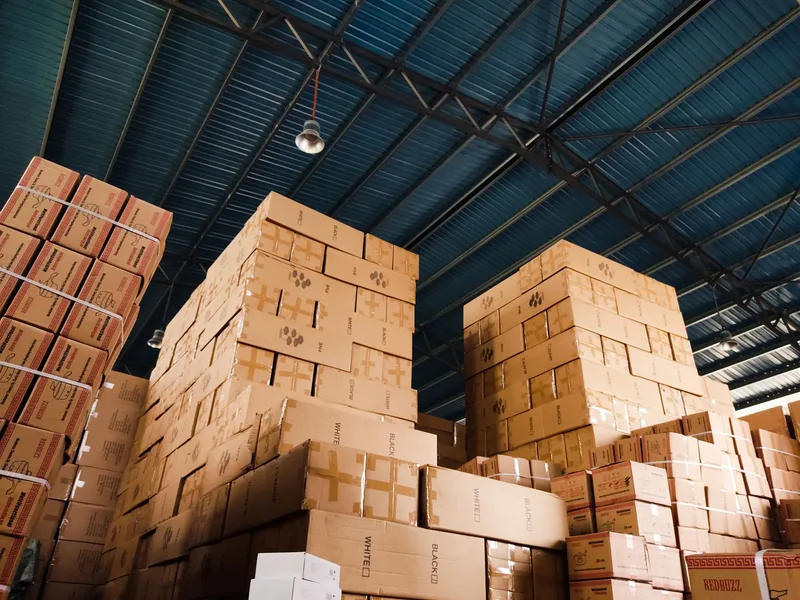
Cardboard at goods inwards
Delivery boxes climb the mountain street and may be damp from the road. We inspect and clean them outside the hotel.
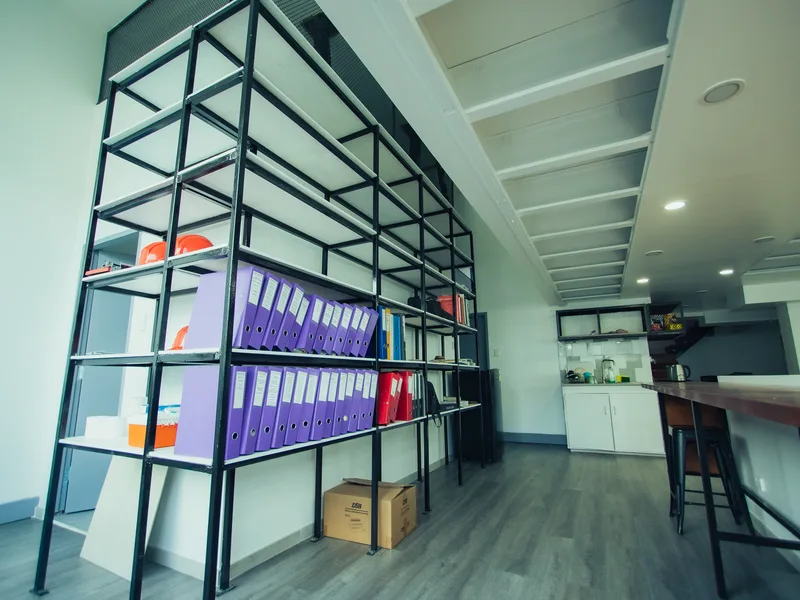
Dry store shelving
Dry store shelving may sit at varying heights depending on ground slope, with moisture rising from lower points. We focus on high shelving and continuous airflow.
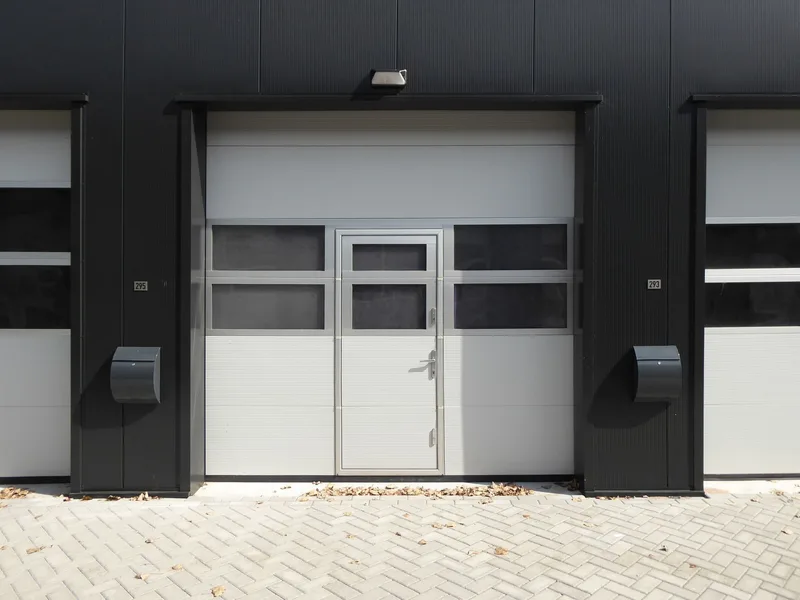
The back service door
The back service door may sit on a steep slope or beside an irrigated garden, so we focus on firm seals and a robust metal barrier.
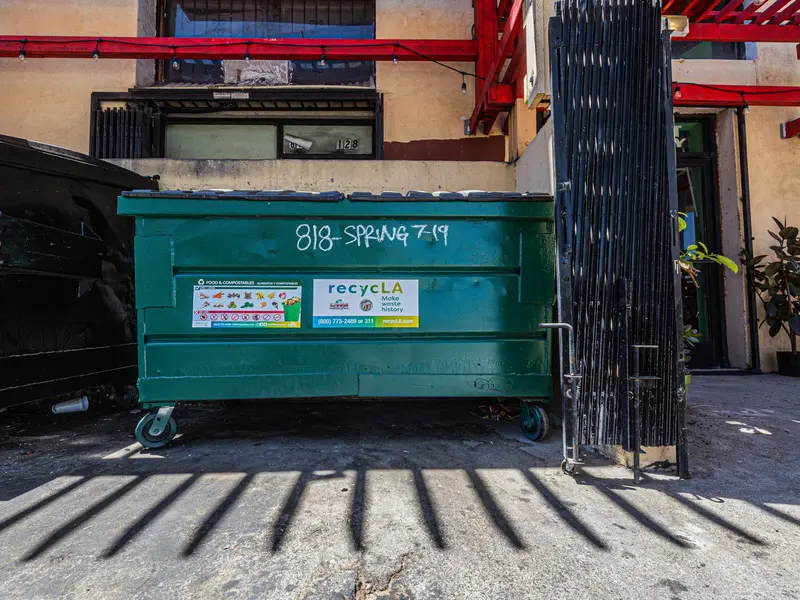
The bin area
The bin area on a slope may attract insects and rats from the hillside around it, so we recommend a sealed locked container.
How we work
-
1
Survey and site plan
We follow the food route from delivery to waste, establish which species are present and where the moisture is, and mark the station positions on a plan of the kitchen and the store.
-
2
Install numbered monitoring points
Sealed, numbered stations in fixed positions, read in the same order every visit so the file shows a trend rather than an impression.
-
3
Treatment outside service hours
Gel bait into joints and voids, foam into the gullies and the grease trap, and nothing applied to preparation surfaces, with equipment covered and surfaces wiped down before service resumes.
-
4
Scheduled visits and the site file
Every visit reads the stations and records what was found, the corrective action needed, who owns it and by when, and the file stays on site to be shown at an inspection.
What a restaurant programme includes
-

Opening survey and site plan
Species, entry points and moisture sources, with a plan showing where every station sits.
-

Sealed, numbered stations
Bait held inside closed stations in food areas, never open product near preparation or storage.
-

Gully and grease trap treatment
Foam that contacts the pipe wall where small flies breed, which is the step most contracts skip.
-

Targeted application after closing
Into joints, voids and the store perimeter, at a time with no exposed food and no team in the kitchen.
-

Reopening instructions for the team
What to cover before, what to wipe after, and what not to wash so the treatment is not undone.
-

A visit report and a running log
Every station read, corrective actions with an owner and a date, and a continuous file to show at an inspection.
The character of Rai Adhakhir
Apartment district: residential blocks, repeated floors and shared entrances
An apartment district on hillsides means restaurants are surrounded by dense hotels and residential blocks with irrigated gardens. Hillside humidity from rainfall, stagnant water and damp soil create ideal conditions for mosquitoes and small flies.
Questions about this district
Is hillside humidity different from humidity in low lying districts?
Yes. Hillside humidity comes from rainfall and dew on slopes, not seaborne. Mosquitoes and insects prefer water from rain and stagnant pools. We focus on drying gardens and foundation voids and controlling water accumulation.
How do you manage drainage on a steep slope?
Slope drainage needs regular inspection, especially in rainy seasons. We ask for inspection of main lines and check for sediment buildup. We may need additional pipes or treatment of the mountainside against the building.
Do irrigated hotel gardens really provide food and refuge for insects?
Absolutely. Irrigated gardens supply both water and plant food. We focus on reducing irrigation and keeping gardens relatively dry and clearing fallen leaves and plant waste.
Is treating the garden around the hotel a necessary part of the programme?
Yes. Treating gardens and the areas around the hotel reduces insect entry to the building and restaurant. We recommend monthly or more frequent garden spraying.
In which season do mosquitoes on hillsides breed most?
In winter and spring when rainfall is high and water pools in cracks. Dry summer may reduce it, but regular garden irrigation sustains mosquitoes all year.
Are restaurants at high altitude less exposed to insects than those at the base?
Not necessarily. Height may mean less humidity but stagnant water and gardens at the same level provide ideal habitat. We inspect and monitor all equally.
How much does restaurants and cafes in Rai Adhakhir cost?
It is set after the inspection, because the price follows the type of infestation, the size of the space, how far it has spread and the number of visits it needs. Send a photo and a description on WhatsApp and we will give you an estimate before we reach Rai Adhakhir.
Nearby districts we cover
Other services in Rai Adhakhir
Other services we provide to residents of Rai Adhakhir.
-
 Residential
Cockroach control
Residential
Cockroach control
-
 Residential
Bed bug control
Residential
Bed bug control
-
 Residential
Termite control
Residential
Termite control
-
 Residential
Rodents and mice
Residential
Rodents and mice
-
 Residential
Mosquito control
Residential
Mosquito control
-
 Residential
Fly control
Residential
Fly control
-
 Residential
Ant control
Residential
Ant control
-
 Residential
Gecko control
Residential
Gecko control
-
 Residential
Scorpion control
Residential
Scorpion control
-
 Residential
Snake control
Residential
Snake control
-
 Residential
Flea control
Residential
Flea control
-
 Residential
Bird and pigeon control
Residential
Bird and pigeon control
-
 Residential
Preventive treatment
Residential
Preventive treatment
-
 Residential
Disinfection
Residential
Disinfection
-
 Commercial
Annual contracts
Commercial
Annual contracts
-
 Commercial
Hotels and apartments
Commercial
Hotels and apartments
-
 Commercial
Warehouses and factories
Commercial
Warehouses and factories
-
 Commercial
Schools and nurseries
Commercial
Schools and nurseries
-
 Commercial
Retail and malls
Commercial
Retail and malls
-
 Commercial
Rest houses and farms
Commercial
Rest houses and farms
-
 Commercial
Fumigation
Commercial
Fumigation
-
 Water tanks
Water tank cleaning
Water tanks
Water tank cleaning
-
 Water tanks
Water tank sterilization
Water tanks
Water tank sterilization
-
 Water tanks
Water tank sealing
Water tanks
Water tank sealing
-
 Water tanks
Tank leak repair
Water tanks
Tank leak repair
Need restaurants and cafes in Rai Adhakhir? Tell us what you saw and we will tell you what it needs
We reach Rai Adhakhir at a time we agree, and you get the full cost before we start.