
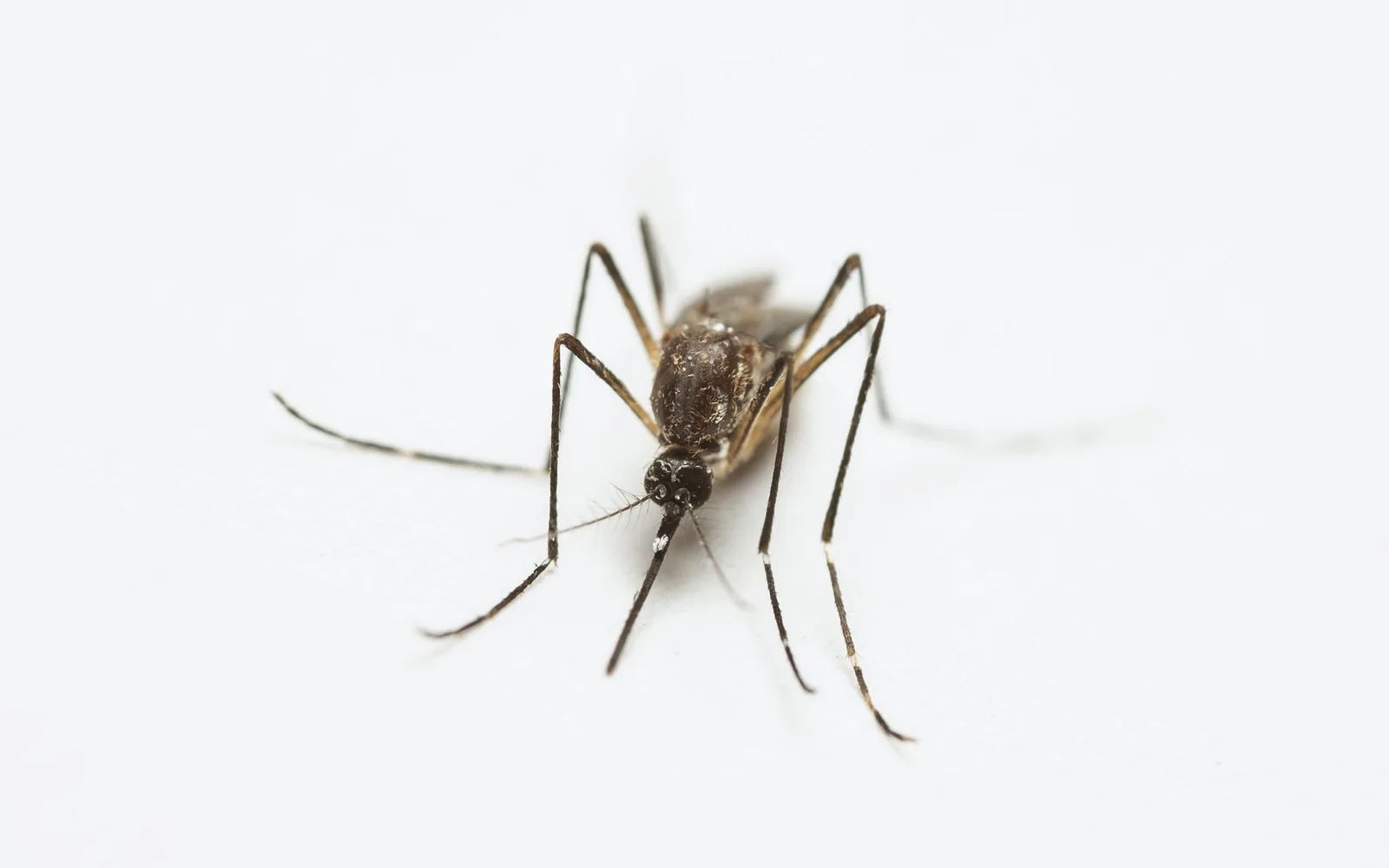
Mosquito control in Al Abidiyah Makkah
Al Abidiyah is a newly developed district on the Taif road that is essentially Umm Al Qura University's modern main campus with student housing, a university hospital and extensive academic gardens overlooking the plain of Arafat. Wadis and green spaces provide year round moisture, and ongoing construction in some areas creates temporary mosquito sources.
-
Targeted, not broadcast
Product goes into cracks and runways, never sprayed across open surfaces.
-
Told before we start
What we will use, where it goes, and what to cover or move before we arrive.
-
A follow-up visit
We return after the first treatment, because what survives it does not show on the day.
-
Homes and businesses
Apartments and villas, and kitchens and stores that need a record of each visit.
Why they keep coming back in Al Abidiyah
Wadi Uranah and Wadi Numan bring seasonal water, and continuous irrigation of the campus supplies year round high humidity even after rains cease. The method is set out in full on what Mosquito control involves.
Modern university campus and extensive green spaces
The campus contains large gardens, playing fields and vast grass areas. These spaces require intensive irrigation, and irrigation systems and large tanks supply permanent water sources. New gardens and plantings provide ideal shade and moisture for mosquitoes to thrive in numbers that would be impossible in equivalent residential space.
Wadis and seasonal water flow
Wadi Uranah and Wadi Numan pass through the campus. In rainy season they bring considerable water and leave small marshes at their edges. Even without rain, groundwater at the wadi bed supports plants and maintains standing water continuously, feeding breeding populations.
Student housing and new buildings
Student housing creates population density different from ordinary residential areas. Students may not attend to careful maintenance of flat drains and roof openings the way owner occupiers would. Buildings are new with good systems but intensive use creates additional weak points and overflow conditions.
The character of Al Abidiyah
New development: ongoing construction and vacant plots between the homes
Ongoing construction and new green spaces create an environment that changes continuously. The campus is developing and expanding, and irrigation systems extend their reach. Treatment must track this continuous evolution and adapt to new mosquito points as gardens grow and green space expands.
Standing water and shade decide the method
The district overlooks the plain of Arafat and contains colleges, a university library and sports stadium. The university campus requires continuous irrigation of gardens and large green spaces.
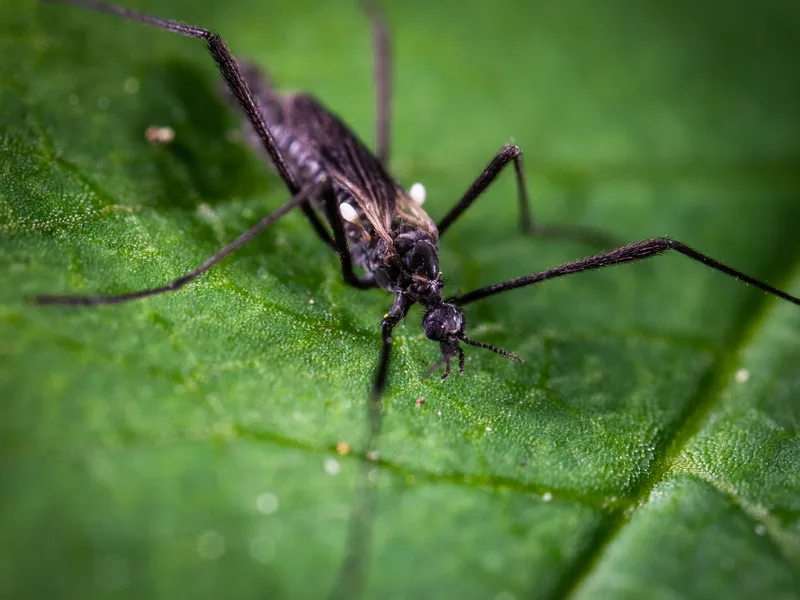
The daytime biter
The daytime biter in Al Abidiyah favours university gardens and playing fields where tree shade and continuous irrigation moisture sustain it.
The one that comes out after sunset
The one that comes out after sunset rests on campus trees and shrubs and around irrigation infrastructure, where temperature is lower and cover abundant.
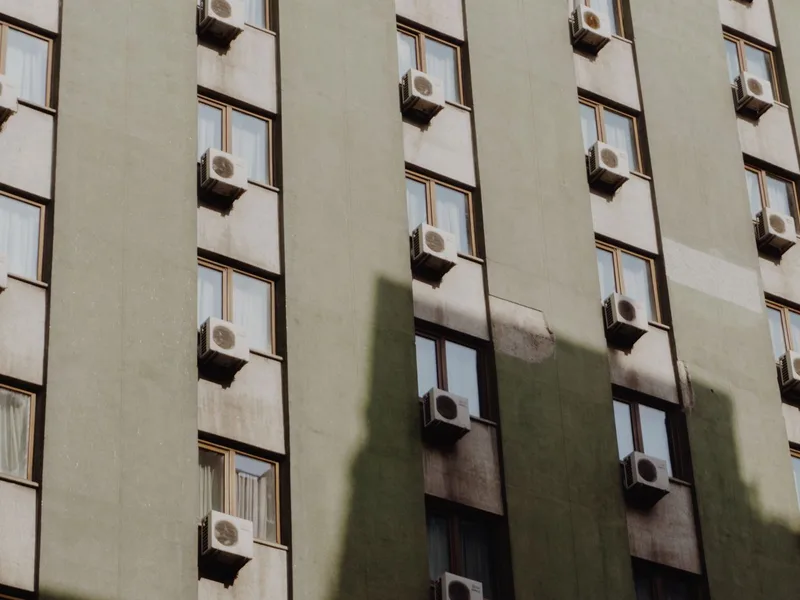
Air-conditioning condensate
Air-conditioning condensate from housing and university buildings flows into gardens or pools in low ground, extending the wet season.
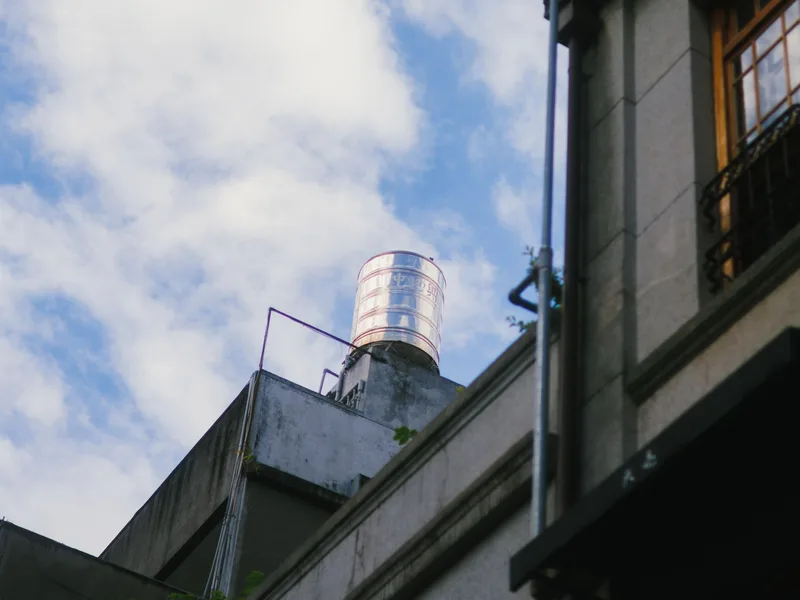
The tank and its openings
The tank and its openings in gardens and fields may sit exposed and may not be cleaned as regularly as building tanks.
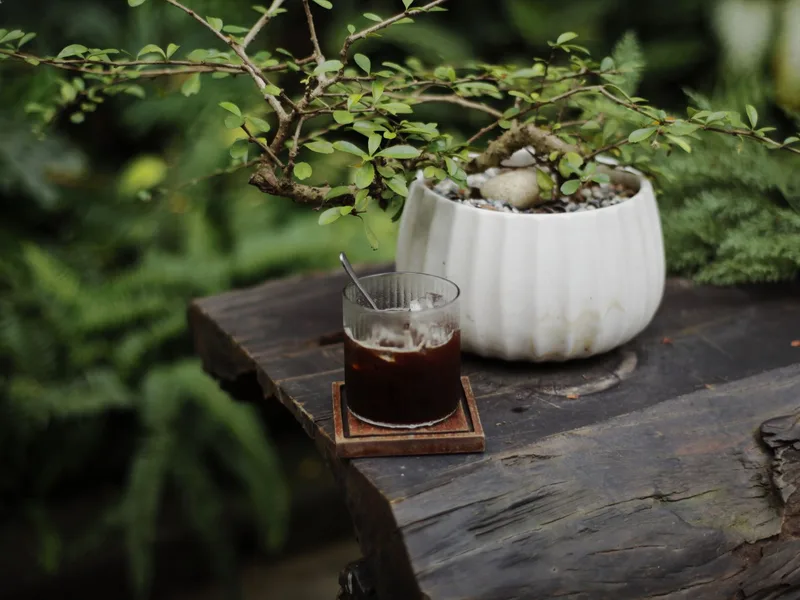
Garden containers and irrigation
Garden containers and irrigation are extensive because the campus contains large green spaces, sports fields and newly planted gardens.
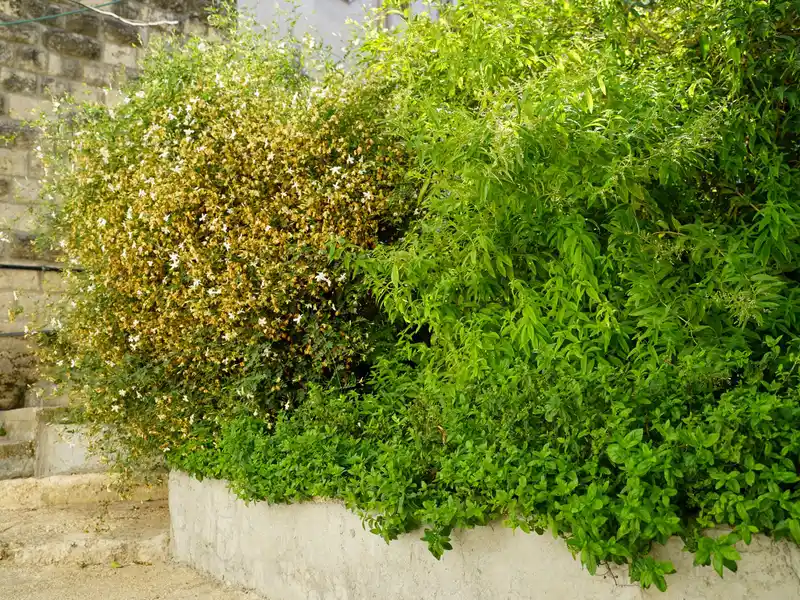
The shade it rests in
The shade it rests in is extensive from new trees, shrubs, pergolas and irrigated zones throughout the campus.
How we work
-
1
Inspect and map the water
We walk the perimeter, the roof, the garden, the meter chambers and the condensate runs, record everything that holds water, and read the species from the breeding site and the time of biting.
-
2
Remove the water that can go
Empty, invert, cover: saucers, containers, old tyres and roof gullies. Every point that disappears is a treatment that never needs repeating.
-
3
Larval treatment, then the resting surfaces
Water that cannot be drained is treated so the larva never completes, then a residual goes under planting, beneath outdoor furniture and along low shaded walls.
-
4
The follow-up visit
We come back once the generation that was in the water on the first visit has completed, review every point we recorded and re-treat where needed.
What mosquito control includes
-

A recorded water survey
Roof, perimeter, garden, meter chambers and condensate lines, written down before anything is applied.
-

Draining and covering the sources
Emptying what can be emptied, draining what can be drained, and covering what has to stay full.
-

Larval treatment for the water that stays
For ground tanks, inspection chambers, water features and any permanent water that has to remain.
-

A residual on the resting places
Under trees and shrubs, beneath outdoor furniture and on shaded walls, where the adult sits out the day.
-

Aftercare instructions
What stays inverted, what gets covered, which openings need mesh, and when watering goes back to normal.
-

A scheduled follow-up
A set date after the first treatment, with every recorded water point reviewed and re-treated if the water came back.
What is different about Al Aziziyah (Makkah) Sub-Municipality
Al Aziziyah sub municipality runs from the Bin Dawood markets to the Al Hada road and carries pilgrim traffic to Mina. Hotel towers and furnished apartment blocks fill and empty with the Hajj and Ramadan seasons, and the kitchens, restaurants and markets along Al Masjid Al Haram Road and King Abdulaziz Road leave food waste at every peak. Southwards the fabric loosens into villas and planned streets in An Naseem and Al Awali, then Al Abidiyah's campus and the old farms of Al Husayniyah, where Wadi Uranah holds water after rain and farm enclosures shelter rodents and reptiles.
Questions about this district
Is the university campus different from ordinary residential areas for mosquito control?
Yes, substantially. The campus contains extensive green spaces and specialised irrigation systems. Mosquitoes breed in gardens and fields much faster than in residential areas because irrigation is continuous.
Do the wadis supply mosquitoes from outside the campus into it?
The wadis supply seasonal water, but mosquitoes do not transfer directly across wadis. The primary source is standing water and irrigation inside the campus. Wadis may amplify the problem after rain but are not the root source.
Does student housing create more mosquitoes than other university buildings?
Yes. Students may not attend to routine maintenance the way staff would. Flat drains and roof openings may remain clogged longer, creating additional mosquito points.
Does the university hospital supply extra mosquitoes?
The hospital provides sterile water and drainage but also high activity. External corners and courtyards may not be cleaned routinely. However, hospitals are usually cleaner than other buildings due to health standards.
Is treatment of the university campus different from treating an ordinary neighbourhood?
Yes. Garden and field treatment requires care around plants, students and staff. Building treatment requires coordination with university administration. Periodic treatment is more frequent because irrigation is continuous.
Does the university character mean the mosquito problem is unstable?
Yes. Students come and go, and cleaning standards shift. But primary sources (wadis, irrigation, gardens) are stable, so the problem remains constant even as population density changes.
How much does mosquito control in Al Abidiyah cost?
It is set after the inspection, because the price follows the type of infestation, the size of the space, how far it has spread and the number of visits it needs. Send a photo and a description on WhatsApp and we will give you an estimate before we reach Al Abidiyah.
Nearby districts we cover
Other services in Al Abidiyah
Other services we provide to residents of Al Abidiyah.
-
 Residential
Cockroach control
Residential
Cockroach control
-
 Residential
Bed bug control
Residential
Bed bug control
-
 Residential
Termite control
Residential
Termite control
-
 Residential
Rodents and mice
Residential
Rodents and mice
-
 Residential
Fly control
Residential
Fly control
-
 Residential
Ant control
Residential
Ant control
-
 Residential
Gecko control
Residential
Gecko control
-
 Residential
Scorpion control
Residential
Scorpion control
-
 Residential
Snake control
Residential
Snake control
-
 Residential
Flea control
Residential
Flea control
-
 Residential
Bird and pigeon control
Residential
Bird and pigeon control
-
 Residential
Preventive treatment
Residential
Preventive treatment
-
 Residential
Disinfection
Residential
Disinfection
-
 Commercial
Annual contracts
Commercial
Annual contracts
-
 Commercial
Restaurants and cafes
Commercial
Restaurants and cafes
-
 Commercial
Hotels and apartments
Commercial
Hotels and apartments
-
 Commercial
Warehouses and factories
Commercial
Warehouses and factories
-
 Commercial
Schools and nurseries
Commercial
Schools and nurseries
-
 Commercial
Retail and malls
Commercial
Retail and malls
-
 Commercial
Rest houses and farms
Commercial
Rest houses and farms
-
 Commercial
Fumigation
Commercial
Fumigation
-
 Water tanks
Water tank cleaning
Water tanks
Water tank cleaning
-
 Water tanks
Water tank sterilization
Water tanks
Water tank sterilization
-
 Water tanks
Water tank sealing
Water tanks
Water tank sealing
-
 Water tanks
Tank leak repair
Water tanks
Tank leak repair
Need mosquito control in Al Abidiyah? Tell us what you saw and we will tell you what it needs
We reach Al Abidiyah at a time we agree, and you get the full cost before we start.