
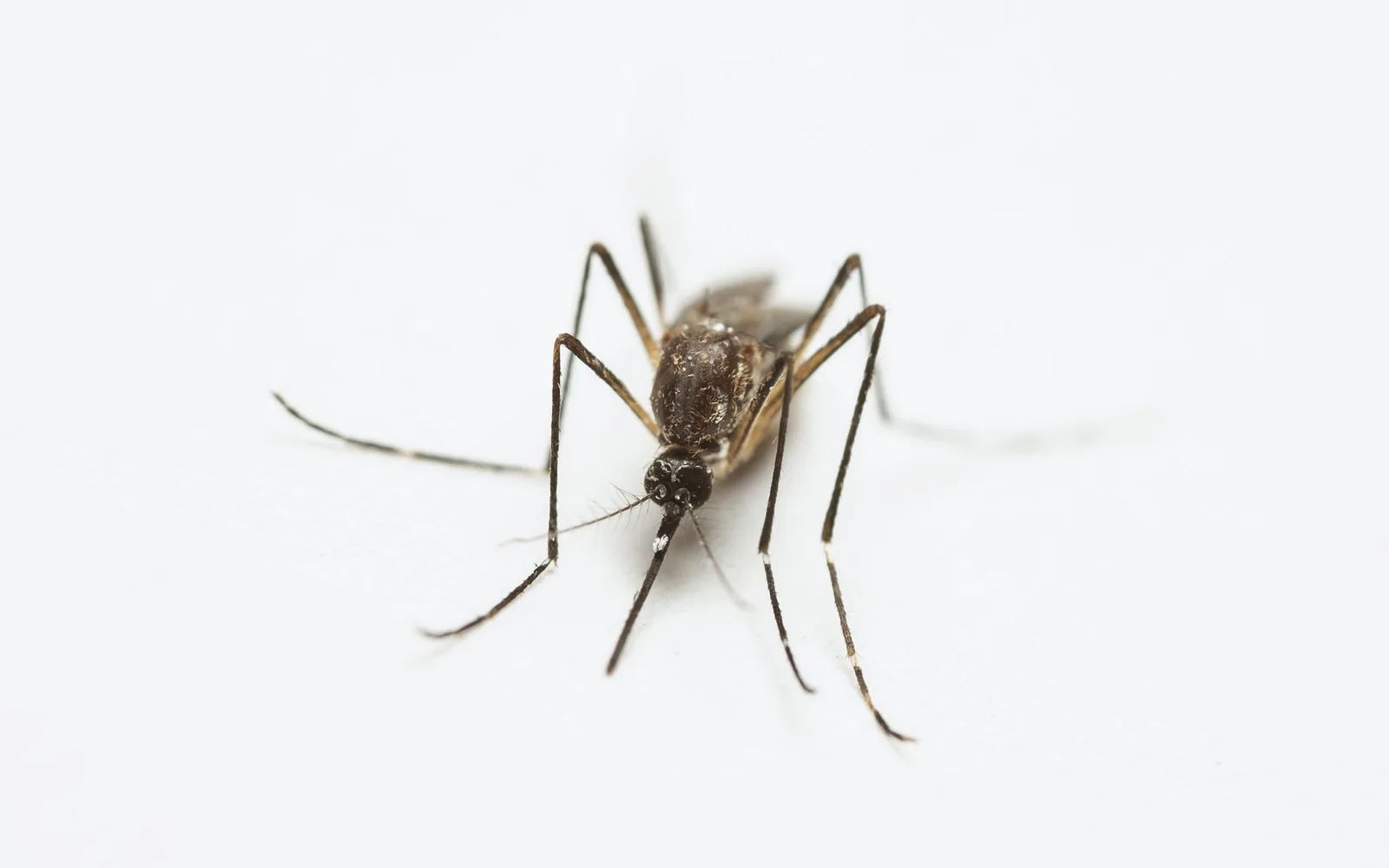
Mosquito control in Al Safrah Makkah
Al Safrah is a small outlying district at the eastern edge of the sub municipality, east of Al Husayniyah, where the Non Muslims bypass crosses open ground with scattered building on the south eastern fringe of Makkah. The landscape is mostly bare with open foundation pits near the Umm Al Qura University campus at Al Abidiyah. Wadi Uranah and its tributaries cross the area and hold water for weeks after rain, and beneath scattered buildings old water pits persist. The rural character means mosquitoes breed in the landscape itself, not only in buildings.
-
Targeted, not broadcast
Product goes into cracks and runways, never sprayed across open surfaces.
-
Told before we start
What we will use, where it goes, and what to cover or move before we arrive.
-
A follow-up visit
We return after the first treatment, because what survives it does not show on the day.
-
Homes and businesses
Apartments and villas, and kitchens and stores that need a record of each visit.
Why they keep coming back in Al Safrah
Open ground, old foundation pits and scattered small dwellings leave standing water in hundreds of gaps that never dry after rain. The method is set out in full on what Mosquito control involves.
Open ground and deep foundation excavations
Al Safrah is mostly bare land. Foundation excavations are deep and open, and fill with rainwater and runoff. These pits do not dry for weeks. Mosquitoes lay millions of eggs in them. The pits are the main source, not the scattered houses.
Wadi Uranah and tributaries holding water
Wadi Uranah and its tributaries pass through Al Safrah and hold water for weeks after rain. Standing water in the wadi is perfect breeding ground. Runoff collects water in every depression on the open ground.
The Non Muslims road and isolated terrain
The Non Muslims bypass crosses Al Safrah but the district is remote and isolated. Land beside the road is bare and empty. Water collects in gaps and old pits where no one sees it, and lingers for months underground.
The character of Al Safrah
Rural area: farms, open ground and scattered homes
A rural area in Al Safrah means mosquito sources come from open ground, pits and wadis more than from the houses themselves. Treatment here focuses on emptying pits, treating wadis and wet ground, not only on the house.
Standing water and shade decide the method
The zone is rural and sparsely built, on the south east fringe near Jabal Aghzul and the Taif Al Hada road. Wadi Uranah and its tributaries pass through and hold water after rain in low depressions that cannot drain.
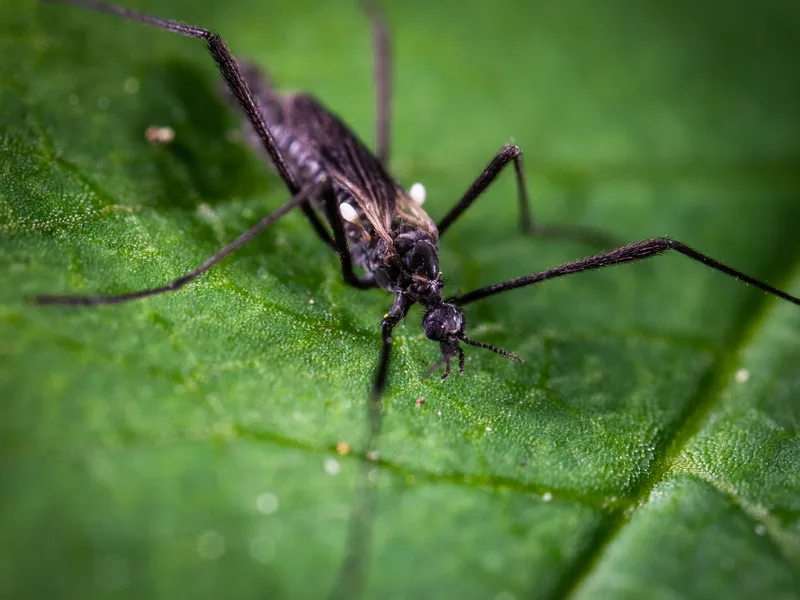
The daytime biter
The daytime biter in Al Safrah never disappears because foundation pits and wadis hold water all year, and even in dry summer it finds standing water.
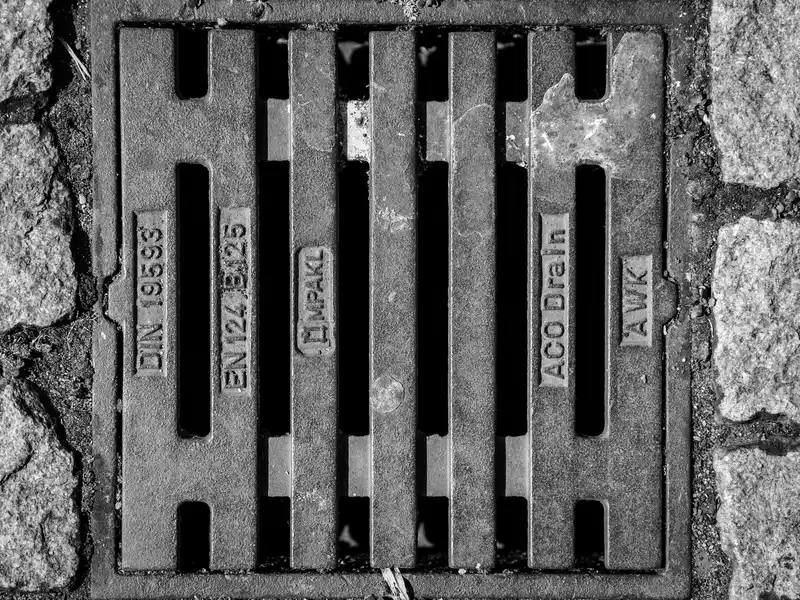
The one that comes out after sunset
The one that comes out after sunset flies directly from the open pits and wadis to the scattered homes.
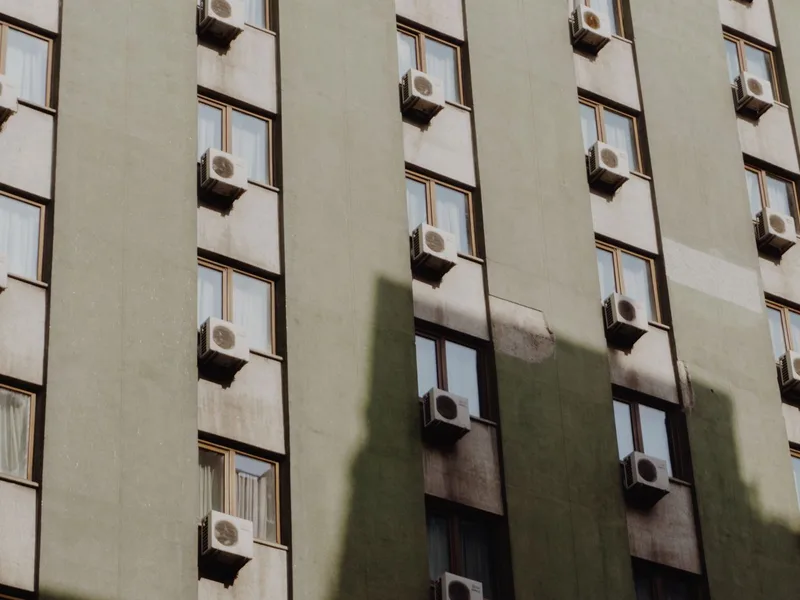
Air-conditioning condensate
Water from runoff and rain collects in the open pits, wadis and gaps and stays there for weeks.
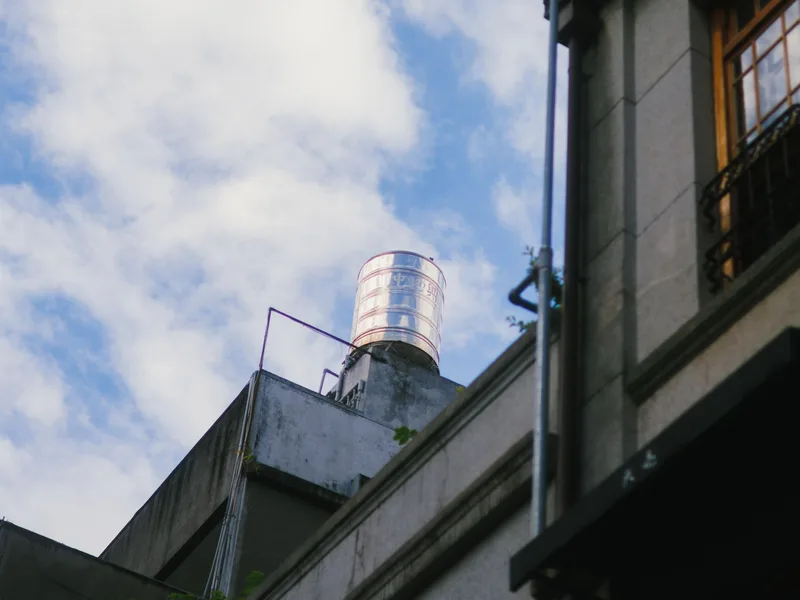
The tank and its openings
Water tanks in scattered homes are old and sometimes left open, and eggs wait inside them.

Garden containers and irrigation
Scattered homes do not irrigate gardens on a fixed schedule, but rainwater collects around every home.
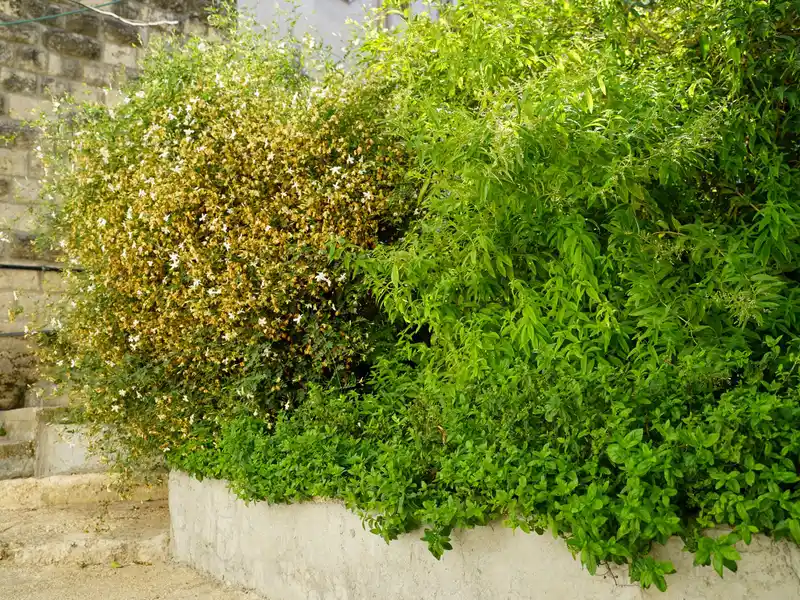
The shade it rests in
Shade beneath the wadi banks and in gaps between scattered homes is permanently damp, where the adult mosquito rests away from every person.
How we work
-
1
Inspect and map the water
We walk the perimeter, the roof, the garden, the meter chambers and the condensate runs, record everything that holds water, and read the species from the breeding site and the time of biting.
-
2
Remove the water that can go
Empty, invert, cover: saucers, containers, old tyres and roof gullies. Every point that disappears is a treatment that never needs repeating.
-
3
Larval treatment, then the resting surfaces
Water that cannot be drained is treated so the larva never completes, then a residual goes under planting, beneath outdoor furniture and along low shaded walls.
-
4
The follow-up visit
We come back once the generation that was in the water on the first visit has completed, review every point we recorded and re-treat where needed.
What mosquito control includes
-

A recorded water survey
Roof, perimeter, garden, meter chambers and condensate lines, written down before anything is applied.
-

Draining and covering the sources
Emptying what can be emptied, draining what can be drained, and covering what has to stay full.
-

Larval treatment for the water that stays
For ground tanks, inspection chambers, water features and any permanent water that has to remain.
-

A residual on the resting places
Under trees and shrubs, beneath outdoor furniture and on shaded walls, where the adult sits out the day.
-

Aftercare instructions
What stays inverted, what gets covered, which openings need mesh, and when watering goes back to normal.
-

A scheduled follow-up
A set date after the first treatment, with every recorded water point reviewed and re-treated if the water came back.
What is different about Al Aziziyah (Makkah) Sub-Municipality
Al Aziziyah sub municipality runs from the Bin Dawood markets to the Al Hada road and carries pilgrim traffic to Mina. Hotel towers and furnished apartment blocks fill and empty with the Hajj and Ramadan seasons, and the kitchens, restaurants and markets along Al Masjid Al Haram Road and King Abdulaziz Road leave food waste at every peak. Southwards the fabric loosens into villas and planned streets in An Naseem and Al Awali, then Al Abidiyah's campus and the old farms of Al Husayniyah, where Wadi Uranah holds water after rain and farm enclosures shelter rodents and reptiles.
Questions about this district
Our land is vacant and the neighbouring pits are full of water. Does that breed mosquitoes?
Yes, very much. Open deep foundation pits fill with rainwater and runoff and hold it for weeks. Mosquitoes lay millions of eggs in them.
Wadi Uranah beside the district carries water after rain. Is that the main mosquito source?
Yes, certainly. The wadi holds water for long periods and mosquitoes breed there in vast numbers, then spread into the district.
The nearby construction site has a large water-filled pit. Is that the mosquito source for us?
Yes. A construction site with open pits and water is a direct mosquito source for the nearby area.
Vacant land and scattered small dwellings leave water everywhere. Is there a solution?
Regular clearing and levelling are very important. Chemical treatment solves the current water, but the real problem is the pits and accumulated water.
Is treatment different in Al Safrah because it is rural and far from Makkah centre?
Yes, somewhat. Al Safrah is rural with open land. Treatment focuses on the pits, wadis and standing water in open gaps.
Can open pits and wadis be treated, or only the areas around occupied homes?
Open pits and wadis can be treated if they are your own land or on a neighbour's willing land. If they are public, we treat the residential area and homes, and recommend council intervention for the wadi.
How much does mosquito control in Al Safrah cost?
It is set after the inspection, because the price follows the type of infestation, the size of the space, how far it has spread and the number of visits it needs. Send a photo and a description on WhatsApp and we will give you an estimate before we reach Al Safrah.
Nearby districts we cover
Other services in Al Safrah
Other services we provide to residents of Al Safrah.
-
 Residential
Cockroach control
Residential
Cockroach control
-
 Residential
Bed bug control
Residential
Bed bug control
-
 Residential
Termite control
Residential
Termite control
-
 Residential
Rodents and mice
Residential
Rodents and mice
-
 Residential
Fly control
Residential
Fly control
-
 Residential
Ant control
Residential
Ant control
-
 Residential
Gecko control
Residential
Gecko control
-
 Residential
Scorpion control
Residential
Scorpion control
-
 Residential
Snake control
Residential
Snake control
-
 Residential
Flea control
Residential
Flea control
-
 Residential
Bird and pigeon control
Residential
Bird and pigeon control
-
 Residential
Preventive treatment
Residential
Preventive treatment
-
 Residential
Disinfection
Residential
Disinfection
-
 Commercial
Annual contracts
Commercial
Annual contracts
-
 Commercial
Restaurants and cafes
Commercial
Restaurants and cafes
-
 Commercial
Hotels and apartments
Commercial
Hotels and apartments
-
 Commercial
Warehouses and factories
Commercial
Warehouses and factories
-
 Commercial
Schools and nurseries
Commercial
Schools and nurseries
-
 Commercial
Retail and malls
Commercial
Retail and malls
-
 Commercial
Rest houses and farms
Commercial
Rest houses and farms
-
 Commercial
Fumigation
Commercial
Fumigation
-
 Water tanks
Water tank cleaning
Water tanks
Water tank cleaning
-
 Water tanks
Water tank sterilization
Water tanks
Water tank sterilization
-
 Water tanks
Water tank sealing
Water tanks
Water tank sealing
-
 Water tanks
Tank leak repair
Water tanks
Tank leak repair
Need mosquito control in Al Safrah? Tell us what you saw and we will tell you what it needs
We reach Al Safrah at a time we agree, and you get the full cost before we start.