
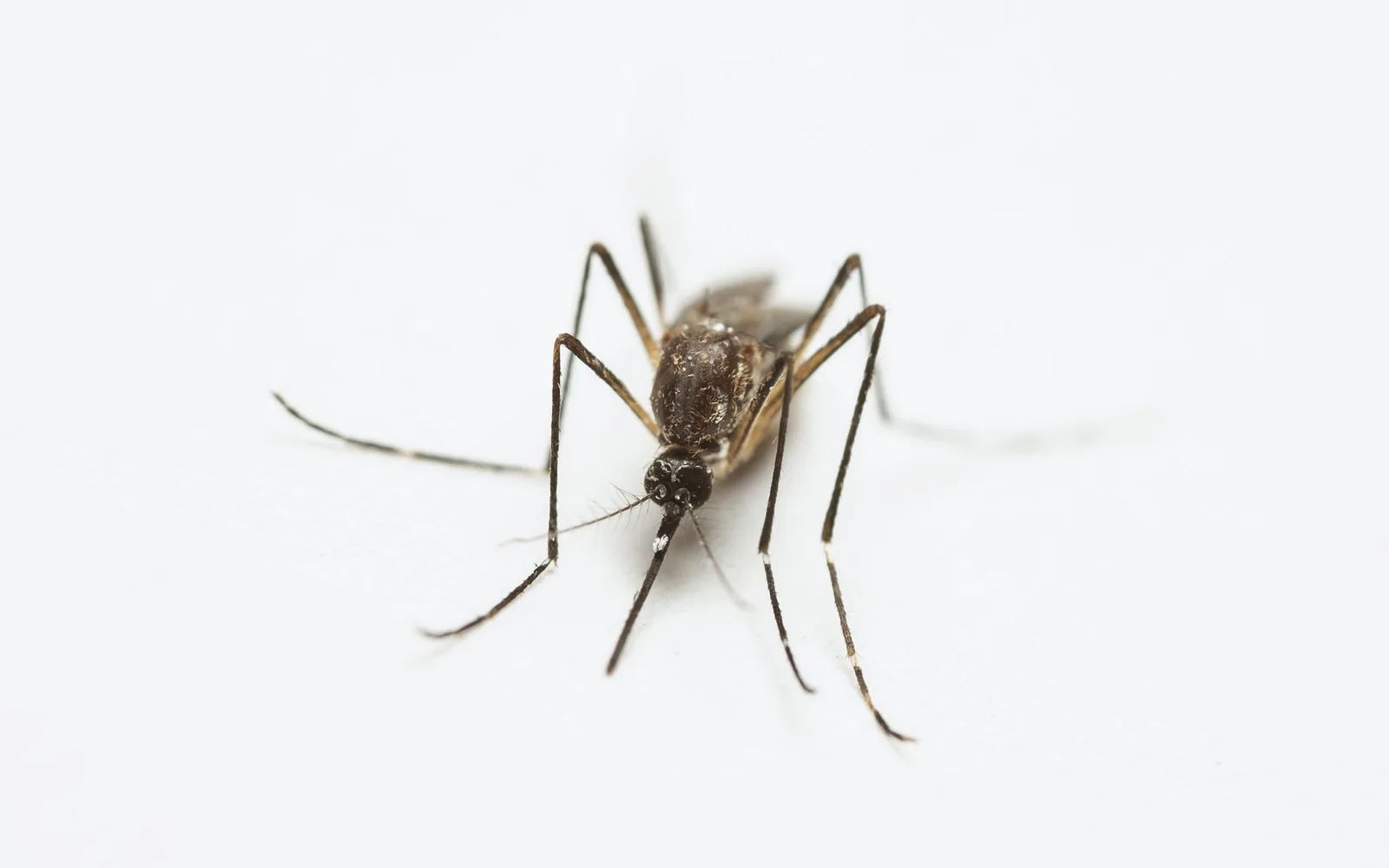
Mosquito control in Al Hamra Umm Al Jud Makkah
Al Hamra Umm Al Jud is a broad western sprawl of villas in Makkah along the old Jeddah road, where every house sits on its own plot with a private garden and boundary wall. Standing water gathers in different places here: around plant roots, in the damp soil beneath dense foliage, and in the persistent moisture that daily watering creates. The treatment differs from other neighbourhoods because the landscaping itself is the mosquito's primary breeding ground, not an incidental source.
-
Targeted, not broadcast
Product goes into cracks and runways, never sprayed across open surfaces.
-
Told before we start
What we will use, where it goes, and what to cover or move before we arrive.
-
A follow-up visit
We return after the first treatment, because what survives it does not show on the day.
-
Homes and businesses
Apartments and villas, and kitchens and stores that need a record of each visit.
Why they keep coming back in Al Hamra Umm Al Jud
Soil beneath mature trees stays visibly damp weeks after the last recorded watering, and dense leaf cover provides complete shade where the daytime mosquito rests undisturbed for hours. The method is set out in full on what Mosquito control involves.
Private gardens and permanently damp soil throughout
Every villa has landscaping with mature trees and shrubs, watered daily or near daily in summer, and the soil beneath dense foliage stays perpetually damp. This is standing water distributed across the entire garden plot, not concentrated in a tank, so it cannot be drained away. Treatment must address the environment itself, not a single source.
Irrigation pipes and subsurface water seepage
Older irrigation systems leak beneath the soil, and water accumulates around tree roots and shrub bases. Mosquitoes breed in this hidden subsurface water where light and heat do not reach to dry the soil. The moisture persists for weeks between irrigation cycles, sustaining generations of larvae.
Dense shade and permanently high humidity in gardens
Mature trees and thick shrubs create complete shade and maintain high humidity throughout the garden space. This is an ideal mosquito environment for the full daylight hours, quite different from open spaces. Treatment here focuses on shaded surfaces more heavily than on open gaps or exposed areas.
The character of Al Hamra Umm Al Jud
Villa district: private plots, gardens and a boundary wall to every house
A villa has its own plot with private garden and landscaping. Standing water here is not concentrated in a single tank but distributed throughout soil and plant coverage, so treatment concentrates on shaded surfaces and damp ground zones rather than finding and isolating a single water source.
Standing water and shade decide the method
Widely spaced villas with private gardens, tall trees and dense shrubs, with permanent irrigation lines supplying standing water around plant roots and damp soil beneath thick leaf canopy.
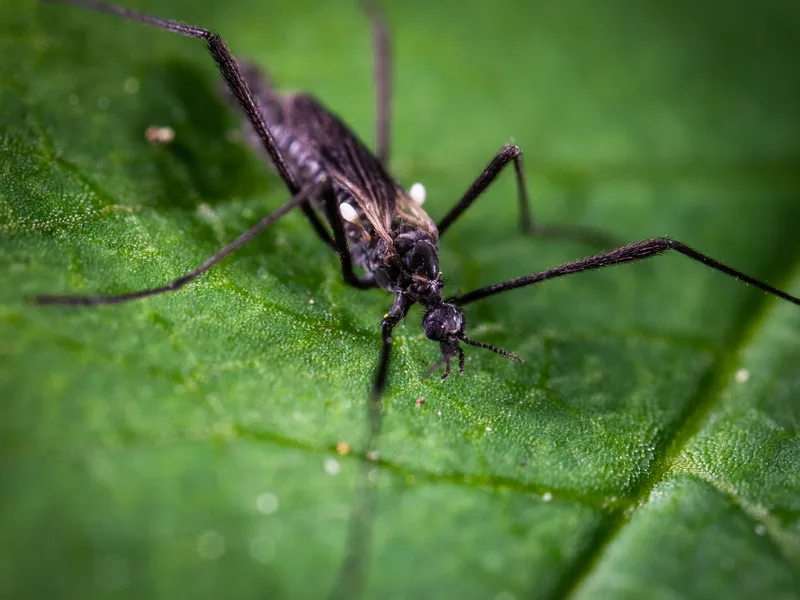
The daytime biter
The daytime biter rests beneath thick foliage and shrub canopy, with highest densities around damp soil near plant roots and in shaded garden corners.
The one that comes out after sunset
After sunset mosquitoes emerge from gardens and fly into the villa interior, with numbers peaking in the late evening as humidity rises and temperature drops.
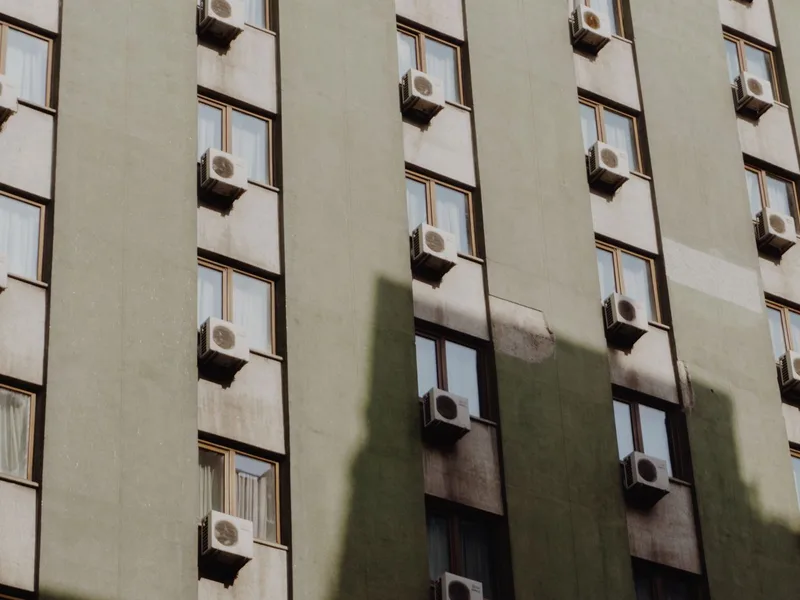
Air-conditioning condensate
Air conditioning condensate from the villa drips onto the garden patio and surrounding soil beside planted areas, adding to the permanent moisture.
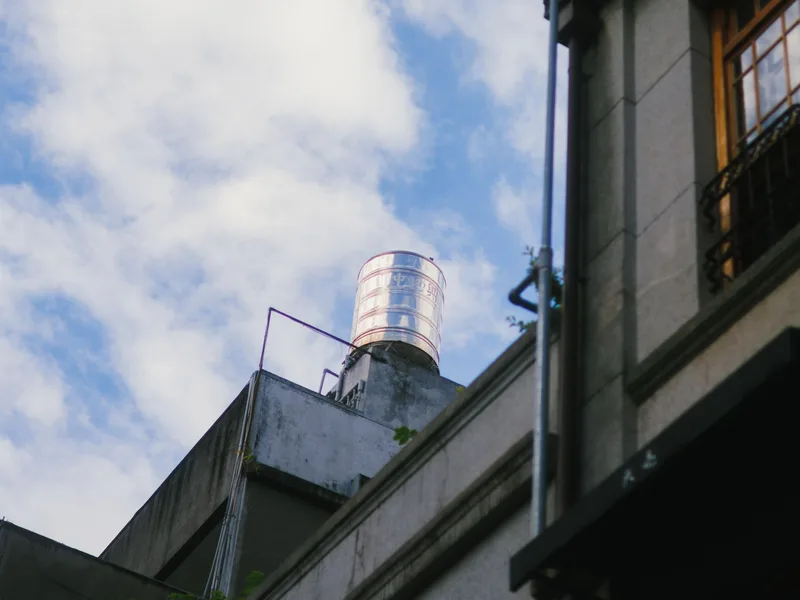
The tank and its openings
Villa water tanks sit on roofs and may leak around their bases, leaving damp soil that retains moisture for extended periods.
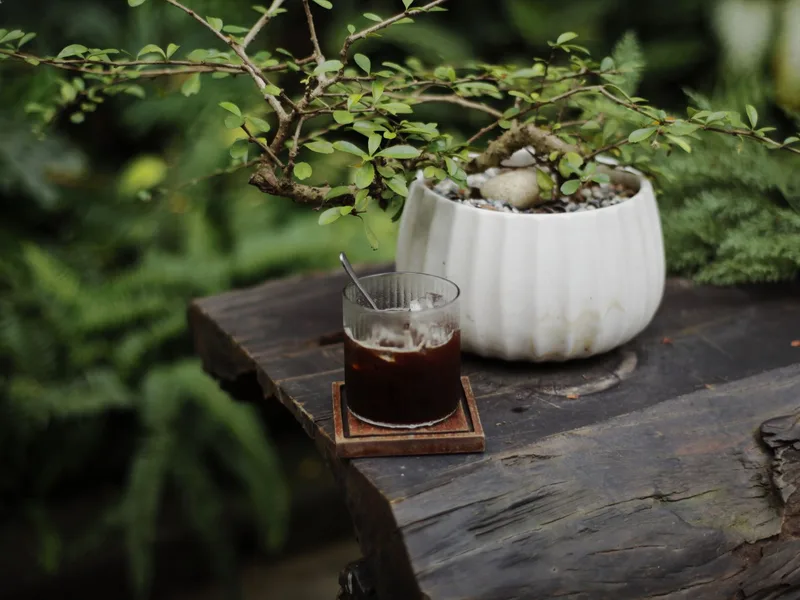
Garden containers and irrigation
Irrigation pipes deliver water daily across the entire garden, and soil beneath plants absorbs and holds this moisture much longer than exposed ground would.
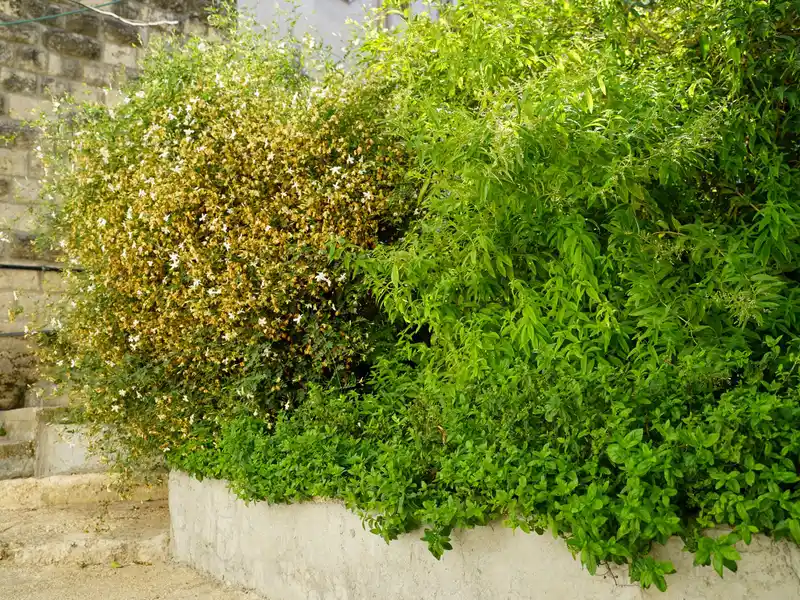
The shade it rests in
Dense tree shade and thick shrub canopy preserve high humidity through the full daylight hours, speeding mosquito breeding and providing permanent daytime shelter.
How we work
-
1
Inspect and map the water
We walk the perimeter, the roof, the garden, the meter chambers and the condensate runs, record everything that holds water, and read the species from the breeding site and the time of biting.
-
2
Remove the water that can go
Empty, invert, cover: saucers, containers, old tyres and roof gullies. Every point that disappears is a treatment that never needs repeating.
-
3
Larval treatment, then the resting surfaces
Water that cannot be drained is treated so the larva never completes, then a residual goes under planting, beneath outdoor furniture and along low shaded walls.
-
4
The follow-up visit
We come back once the generation that was in the water on the first visit has completed, review every point we recorded and re-treat where needed.
What mosquito control includes
-

A recorded water survey
Roof, perimeter, garden, meter chambers and condensate lines, written down before anything is applied.
-

Draining and covering the sources
Emptying what can be emptied, draining what can be drained, and covering what has to stay full.
-

Larval treatment for the water that stays
For ground tanks, inspection chambers, water features and any permanent water that has to remain.
-

A residual on the resting places
Under trees and shrubs, beneath outdoor furniture and on shaded walls, where the adult sits out the day.
-

Aftercare instructions
What stays inverted, what gets covered, which openings need mesh, and when watering goes back to normal.
-

A scheduled follow-up
A set date after the first treatment, with every recorded water point reviewed and re-treated if the water came back.
What is different about Al Umrah Sub-Municipality
Al Umrah sub municipality covers the north west of Makkah along the Madinah road and the old Jeddah road, from At Tanim and Masjid Aisha to An Nawwariyah. Its districts are the city's newest, villas and apartment blocks raised on wide schemes where large tracts in Al Umrah Al Jadidah, Al Fayha and Al Buhayrat remain vacant or under construction. Wadi Saraf and Wadi At Tanim run through it and rainwater gathers on unfinished schemes, ihram shops, restaurants and coach stops along the Madinah road serve a constant flow of pilgrims, and villas fill Al Hamra and Umm Al Jud.
Questions about this district
Does daily watering of villa gardens make mosquito problems much worse?
Daily watering and permanently damp soil is the perfect mosquito environment, especially around dense shrub roots and tree bases where sunlight never reaches the soil. Treatment differs because the water is distributed throughout the garden, not concentrated in one point where it can be emptied or isolated.
Are ageing irrigation pipes that leak a major source of breeding sites?
Leakage beneath the soil provides protected standing water that persists for weeks between irrigation schedules. This is an ideal hidden breeding ground inaccessible to direct intervention. Inspecting and repairing pipes before chemical treatment begins is important, though leaks alone cannot be fully prevented in established gardens.
Should watering be stopped for a period to break the mosquito cycle?
Stopping irrigation temporarily might help, but villas in Al Hamra and Umm Al Jud need continuous watering in summer to keep plants alive in intense heat. The solution is different application methods or treating the soil itself with products that are safe for landscaping.
Do large mature trees and dense shade actively increase mosquito numbers?
Permanent shade and high humidity around mature trees create ideal daytime shelter for resting adults across many hours. The mosquito hides beneath foliage where ordinary spray coverage cannot reach effectively, making treatment of shaded surfaces especially important and sometimes requiring different application techniques.
Does pruning trees and shrubs reduce mosquito pressure in the garden?
Pruning increases light penetration and air movement, which lowers soil humidity and reduces shaded resting spots. This helps reduce numbers, but must be balanced against the plant's own needs for some shade and shelter during Makkah's intense summer heat, particularly for imported species.
How often should the district be treated given continuous garden watering?
Al Hamra and Umm Al Jud need frequent treatment because the landscaping itself is a permanent breeding source. Summer months typically require treatment every two to three weeks, with emphasis on garden surfaces and the shaded soil zones where immature stages develop.
How much does mosquito control in Al Hamra Umm Al Jud cost?
It is set after the inspection, because the price follows the type of infestation, the size of the space, how far it has spread and the number of visits it needs. Send a photo and a description on WhatsApp and we will give you an estimate before we reach Al Hamra Umm Al Jud.
Nearby districts we cover
Other services in Al Hamra Umm Al Jud
Other services we provide to residents of Al Hamra Umm Al Jud.
-
 Residential
Cockroach control
Residential
Cockroach control
-
 Residential
Bed bug control
Residential
Bed bug control
-
 Residential
Termite control
Residential
Termite control
-
 Residential
Rodents and mice
Residential
Rodents and mice
-
 Residential
Fly control
Residential
Fly control
-
 Residential
Ant control
Residential
Ant control
-
 Residential
Gecko control
Residential
Gecko control
-
 Residential
Scorpion control
Residential
Scorpion control
-
 Residential
Snake control
Residential
Snake control
-
 Residential
Flea control
Residential
Flea control
-
 Residential
Bird and pigeon control
Residential
Bird and pigeon control
-
 Residential
Preventive treatment
Residential
Preventive treatment
-
 Residential
Disinfection
Residential
Disinfection
-
 Commercial
Annual contracts
Commercial
Annual contracts
-
 Commercial
Restaurants and cafes
Commercial
Restaurants and cafes
-
 Commercial
Hotels and apartments
Commercial
Hotels and apartments
-
 Commercial
Warehouses and factories
Commercial
Warehouses and factories
-
 Commercial
Schools and nurseries
Commercial
Schools and nurseries
-
 Commercial
Retail and malls
Commercial
Retail and malls
-
 Commercial
Rest houses and farms
Commercial
Rest houses and farms
-
 Commercial
Fumigation
Commercial
Fumigation
-
 Water tanks
Water tank cleaning
Water tanks
Water tank cleaning
-
 Water tanks
Water tank sterilization
Water tanks
Water tank sterilization
-
 Water tanks
Water tank sealing
Water tanks
Water tank sealing
-
 Water tanks
Tank leak repair
Water tanks
Tank leak repair
Need mosquito control in Al Hamra Umm Al Jud? Tell us what you saw and we will tell you what it needs
We reach Al Hamra Umm Al Jud at a time we agree, and you get the full cost before we start.