
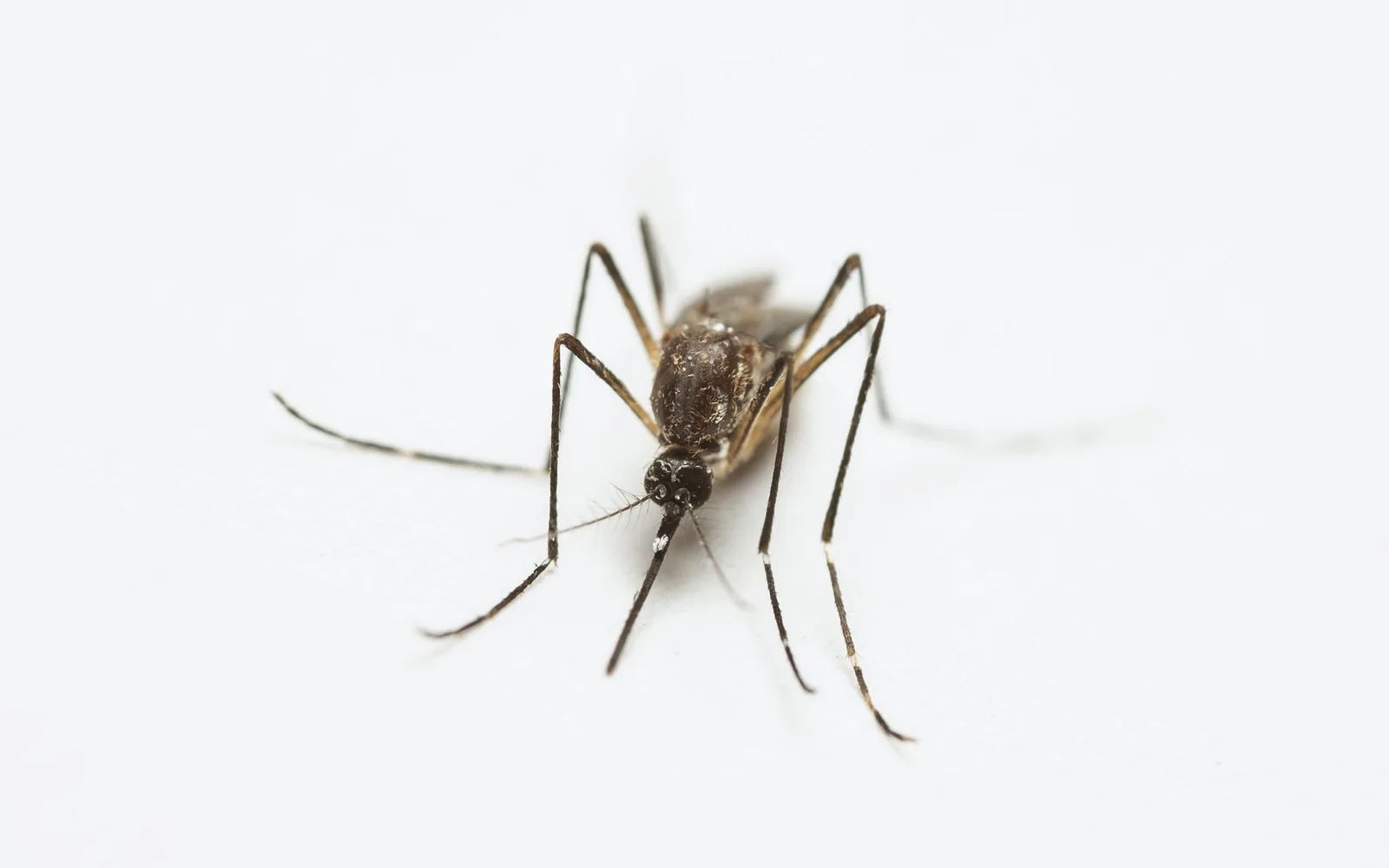
Mosquito control in Al Ghazzah Al Jadid Makkah
Al Ghazzah Al Jadid is a new development on the Al Laith road south of Makkah, with plots awaiting houses, scattered new villas and vacant ground between them, construction ongoing everywhere, and the excavations, fill and newly compacted earth trap water after rain.
-
Targeted, not broadcast
Product goes into cracks and runways, never sprayed across open surfaces.
-
Told before we start
What we will use, where it goes, and what to cover or move before we arrive.
-
A follow-up visit
We return after the first treatment, because what survives it does not show on the day.
-
Homes and businesses
Apartments and villas, and kitchens and stores that need a record of each visit.
Why they keep coming back in Al Ghazzah Al Jadid
Foundation pits, open test boreholes and freshly compacted project land hold water readily after any rainfall, pooling in ways that would drain quickly if the land were left undisturbed. The method is set out in full on what Mosquito control involves.
Newly compacted earth holds standing water easily and long
Land packed solid for the new schemes does not drain water as natural soil does, excavated plots and empty parcels become shallow pools after rain, and this creates ideal breeding habitat for mosquitoes to exploit.
Building excavations and open test wells breed continuously
Contractors dig foundations and leave them open, test boreholes stand uncovered for weeks, water pools inside them and complete generations of mosquitoes develop before the holes are finally filled in.
Incomplete drainage networks surround the newly built villas
Newly built villas stand beside incomplete sewer networks. Water from foundation excavations, building washout and concrete mixing collects around the new homes, creating persistent pools nearby.
Al Ghazzah Al Jadid on the map
Al Ghazzah Al Jadid sits about 3.5 km from Harat Al Bab Al Jadid and about 6.5 km from Al Shubaikah Al Jadid.
Open in Google MapsStanding water and shade decide the method
The district sits where the Fourth Ring Road meets Al Laith Road. Building is dispersed and drainage networks remain incomplete across large sections of the neighbourhood.
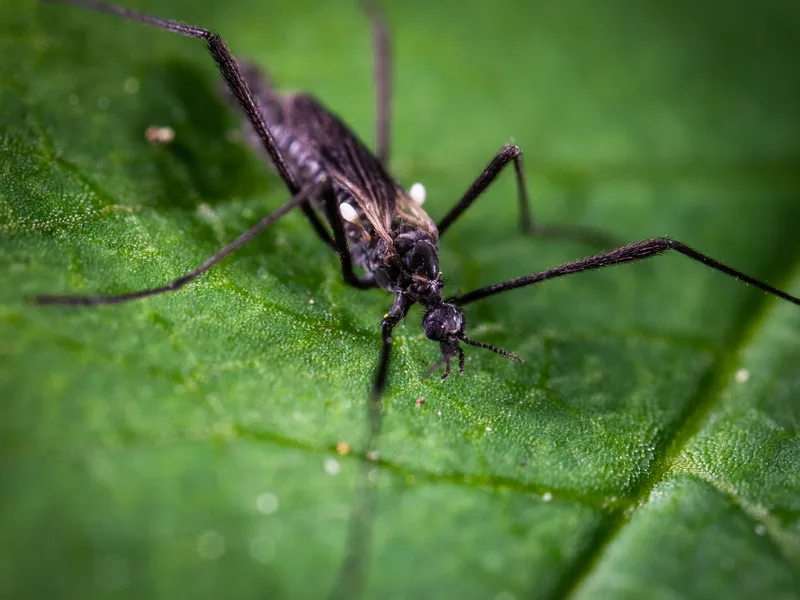
The daytime biter
Daytime mosquitoes shelter in shade under stacked materials, plywood and tarps beside the building sites and open excavations throughout the working day.
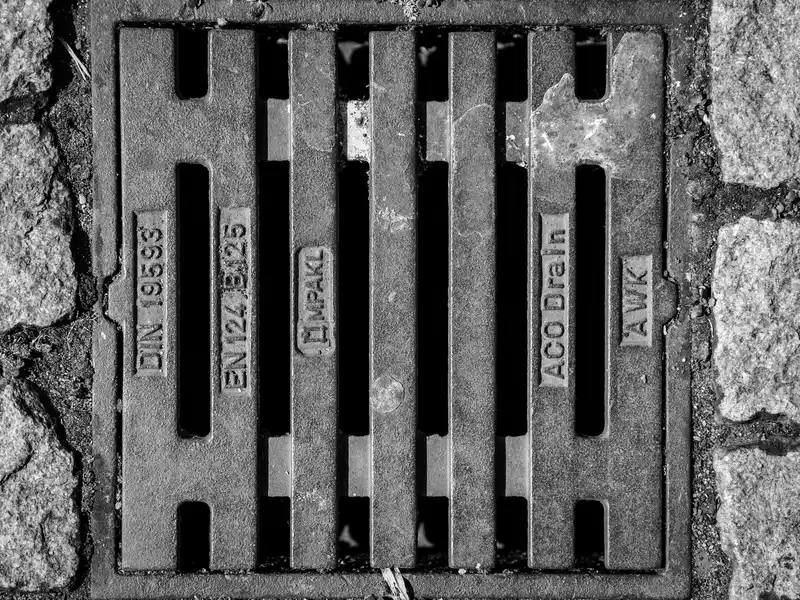
The one that comes out after sunset
After sunset, mosquitoes emerge from shelters around foundation pits and open test wells to seek blood from residents and workers in the district.
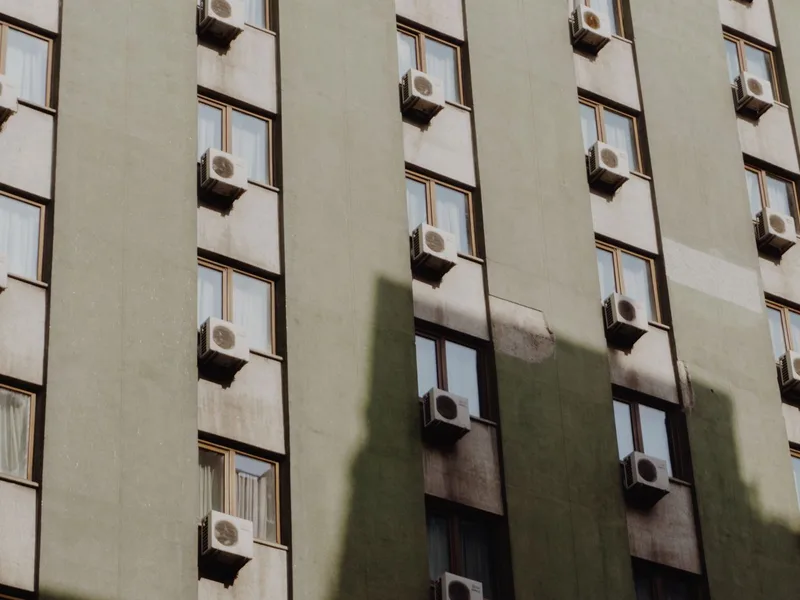
Air-conditioning condensate
Air-conditioning units on new villas drip water onto unprepared ground around and within foundation excavations before final grading is complete.
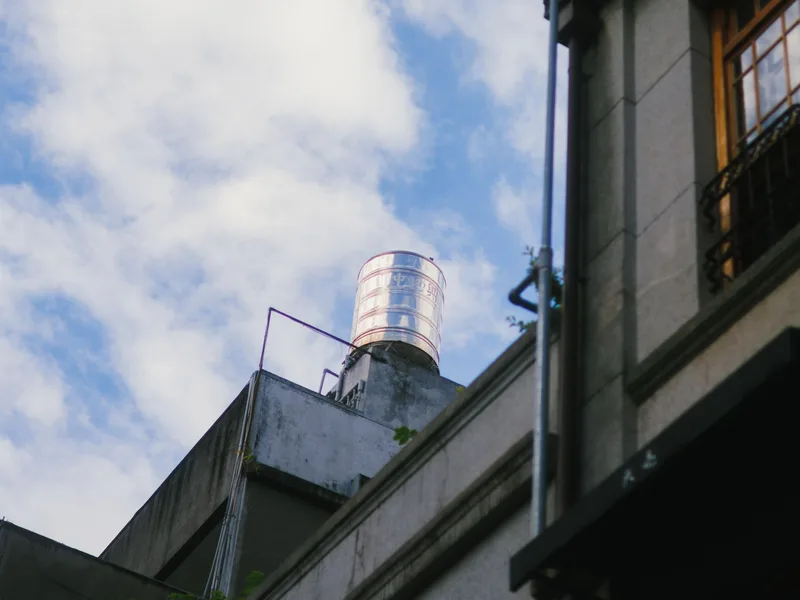
The tank and its openings
Water tanks in new villas are being filled and tested, and leaks from their new pipework leave standing water pooling around the foundations during this phase.

Garden containers and irrigation
Irrigation systems in new villas are tested before occupation, and water runs off to open pits and low ground where it collects freely.
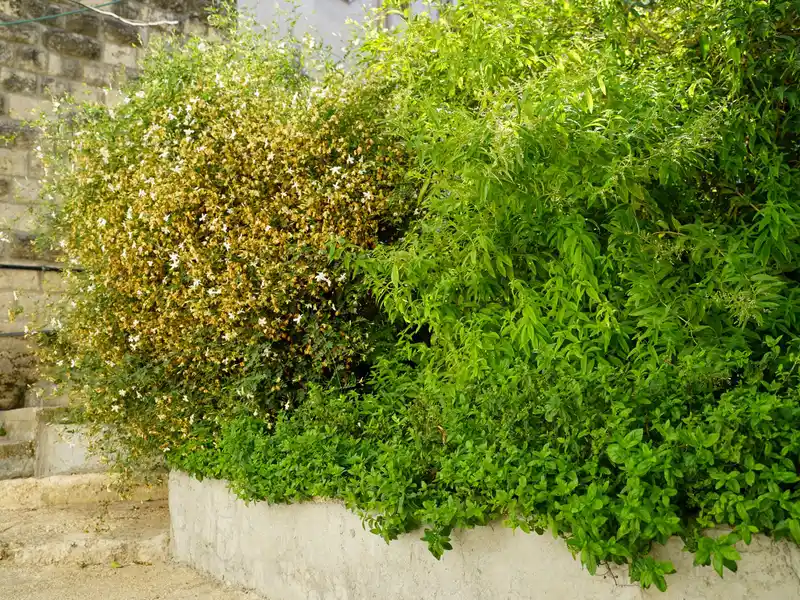
The shade it rests in
Cool damp shade under stacked materials, wooden forms, work tents, equipment and side trenches provides daytime refuge where mosquitoes rest undisturbed all day long.
How we work
-
1
Inspect and map the water
We walk the perimeter, the roof, the garden, the meter chambers and the condensate runs, record everything that holds water, and read the species from the breeding site and the time of biting.
-
2
Remove the water that can go
Empty, invert, cover: saucers, containers, old tyres and roof gullies. Every point that disappears is a treatment that never needs repeating.
-
3
Larval treatment, then the resting surfaces
Water that cannot be drained is treated so the larva never completes, then a residual goes under planting, beneath outdoor furniture and along low shaded walls.
-
4
The follow-up visit
We come back once the generation that was in the water on the first visit has completed, review every point we recorded and re-treat where needed.
What mosquito control includes
-

A recorded water survey
Roof, perimeter, garden, meter chambers and condensate lines, written down before anything is applied.
-

Draining and covering the sources
Emptying what can be emptied, draining what can be drained, and covering what has to stay full.
-

Larval treatment for the water that stays
For ground tanks, inspection chambers, water features and any permanent water that has to remain.
-

A residual on the resting places
Under trees and shrubs, beneath outdoor furniture and on shaded walls, where the adult sits out the day.
-

Aftercare instructions
What stays inverted, what gets covered, which openings need mesh, and when watering goes back to normal.
-

A scheduled follow-up
A set date after the first treatment, with every recorded water point reviewed and re-treated if the water came back.
Landmarks of Al Ghazzah Al Jadid
Along Al Laith Road and the Fourth Ring Road, treatment starts by identifying building excavations and open boreholes: Ahmad Al Barqi Street divides the district into treatment zones that vary by building progress and drainage completion in each plot.
- Al Laith Road
- Fourth Ring Road
- Ahmad Al Barqi Street
Questions about this district
Are the building excavations themselves the main mosquito source?
Completely. Open foundation pits and test boreholes fill with water from rain, construction water and concrete washout. These excavations stay open for weeks and become perfect breeding grounds.
Do newly compacted earth areas drain water quickly?
No. Soil compacted recently for the schemes actually holds water longer than natural ground. Water stays in pits and low spots for a week or more.
Does construction water and washout feed mosquitoes in these pits?
Yes. Water from concrete mixing, equipment washout and general building activities flows to the excavations and low ground, providing mosquitoes with ideal feeding conditions regularly.
Is treating the district before construction ends easier or harder?
Much easier before occupation. Active building sites and open excavations are accessible and manageable, but once villas are complete, reaching sources becomes significantly harder.
When should mosquitoes noticeably drop after treating this new district?
Decline starts immediately but progresses gradually. Already-hatched mosquitoes die within a week, but fresh eggs may be hidden in standing water and continue to emerge.
Should treatment be delayed while building is still incomplete?
No, quite the opposite. Treatment now is easier and more effective. Once building finishes and people move in, treating excavations and foundation areas becomes far more difficult.
How much does mosquito control in Al Ghazzah Al Jadid cost?
It is set after the inspection, because the price follows the type of infestation, the size of the space, how far it has spread and the number of visits it needs. Send a photo and a description on WhatsApp and we will give you an estimate before we reach Al Ghazzah Al Jadid.
Nearby districts we cover
Other services in Al Ghazzah Al Jadid
Other services we provide to residents of Al Ghazzah Al Jadid.
-
 Residential
Cockroach control
Residential
Cockroach control
-
 Residential
Bed bug control
Residential
Bed bug control
-
 Residential
Termite control
Residential
Termite control
-
 Residential
Rodents and mice
Residential
Rodents and mice
-
 Residential
Fly control
Residential
Fly control
-
 Residential
Ant control
Residential
Ant control
-
 Residential
Gecko control
Residential
Gecko control
-
 Residential
Scorpion control
Residential
Scorpion control
-
 Residential
Snake control
Residential
Snake control
-
 Residential
Flea control
Residential
Flea control
-
 Residential
Bird and pigeon control
Residential
Bird and pigeon control
-
 Residential
Preventive treatment
Residential
Preventive treatment
-
 Residential
Disinfection
Residential
Disinfection
-
 Commercial
Annual contracts
Commercial
Annual contracts
-
 Commercial
Restaurants and cafes
Commercial
Restaurants and cafes
-
 Commercial
Hotels and apartments
Commercial
Hotels and apartments
-
 Commercial
Warehouses and factories
Commercial
Warehouses and factories
-
 Commercial
Schools and nurseries
Commercial
Schools and nurseries
-
 Commercial
Retail and malls
Commercial
Retail and malls
-
 Commercial
Rest houses and farms
Commercial
Rest houses and farms
-
 Commercial
Fumigation
Commercial
Fumigation
-
 Water tanks
Water tank cleaning
Water tanks
Water tank cleaning
-
 Water tanks
Water tank sterilization
Water tanks
Water tank sterilization
-
 Water tanks
Water tank sealing
Water tanks
Water tank sealing
-
 Water tanks
Tank leak repair
Water tanks
Tank leak repair
Need mosquito control in Al Ghazzah Al Jadid? Tell us what you saw and we will tell you what it needs
We reach Al Ghazzah Al Jadid at a time we agree, and you get the full cost before we start.