
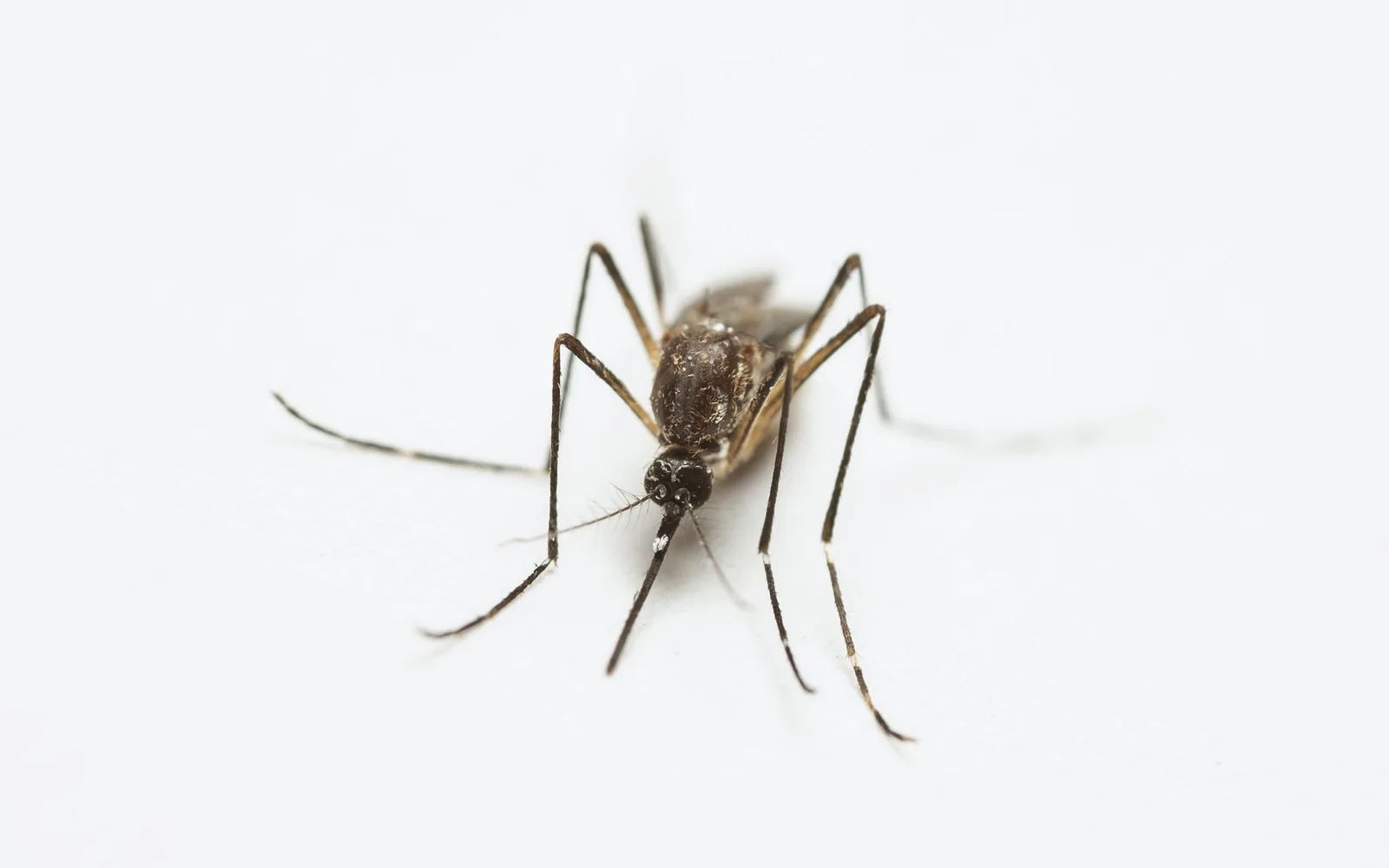
Mosquito control in Al Hamra Jeddah
Al Hamra sits directly on the Red Sea shore with humidity that remains high year round. Hotels, restaurants and waterfront cafes line the Corniche, and each one is a water source: coolers, guest room air conditioning, fountains, potted plants, kitchen waste water. Coastal mosquitoes tolerate salt spray and high humidity that would kill their inland cousins. They breed faster in warm water and resist desiccation. This is not a standard mosquito problem.
-
Targeted, not broadcast
Product goes into cracks and runways, never sprayed across open surfaces.
-
Told before we start
What we will use, where it goes, and what to cover or move before we arrive.
-
A follow-up visit
We return after the first treatment, because what survives it does not show on the day.
-
Homes and businesses
Apartments and villas, and kitchens and stores that need a record of each visit.
Why they keep coming back in Al Hamra
Coastal mosquitoes breed in salt water and maintain activity in conditions that would kill mosquitoes inland. A single week of untreated conditions in Al Hamra creates colonies larger than two weeks without treatment would produce elsewhere. The method is set out in full on the full Mosquito control page.
Persistent humidity extends the mosquito lifecycle
Humidity stays high even at night, and insects do not desiccate as they would inland. Larvae mature faster in warm, humid water. Adult mosquitoes remain active in conditions that would normally drive them to shelter elsewhere.
Hotels and restaurants are continuous water factories
Each hotel and restaurant generates water continuously for cooling, cleaning and guest use. A small hotel holds at least fifteen collection points for standing water. Fountains, flower beds and rooftop coolers add dozens more.
Salt air and humidity reduce spray efficacy dramatically
Salt deposits on treatment surfaces reduce residual effectiveness. High humidity causes spray droplets to merge and fall from the air faster than inland. Lighter applications fail; we must use stronger concentrations and retreat sooner.
Al Hamra on the map
Al Hamra sits about 3.5 km from Al Andalus and about 3.5 km from Mushrifah.
Open in Google MapsStanding water and shade decide the method
Salt air concentration is persistently high, and relative humidity stays above seventy percent even in the driest months. Water does not evaporate quickly, and nightfall brings cooling that increases activity.
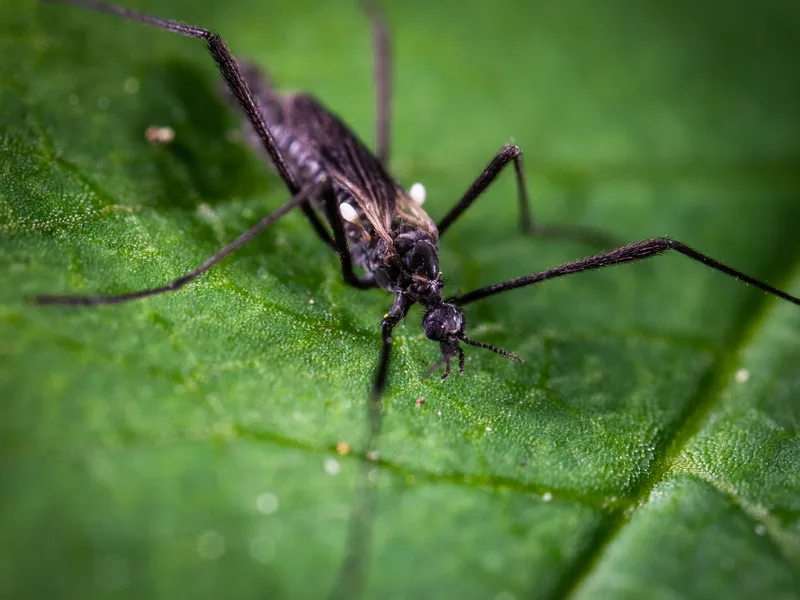
The daytime biter
Daytime mosquitoes in Al Hamra bite in hotels, restaurants and the Corniche complexes, where permanent shade from high buildings and courtyard walls keeps conditions cool.
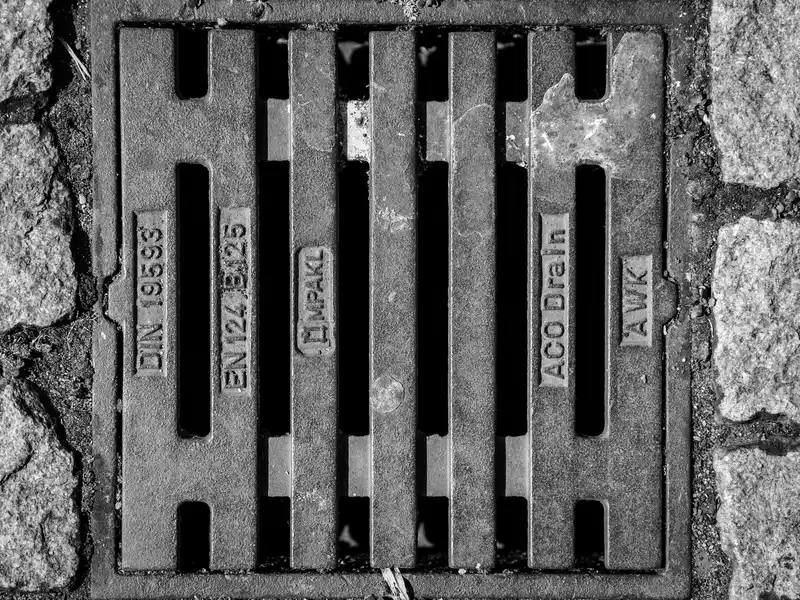
The one that comes out after sunset
After sunset colonies emerge from hotel systems and restaurant water sources, fountains, rooftop coolers and planters, with heavy flight along the waterfront where salt air and moisture meet.
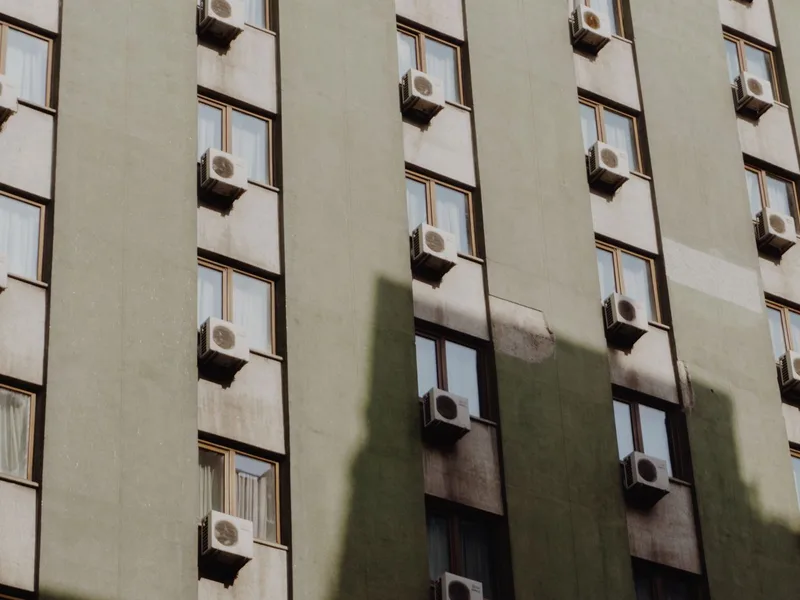
Air-conditioning condensate
Hotel air conditioning systems leak warm water into collection pans that never fully dry due to humidity, accelerating larval development compared to similar systems in inland districts.
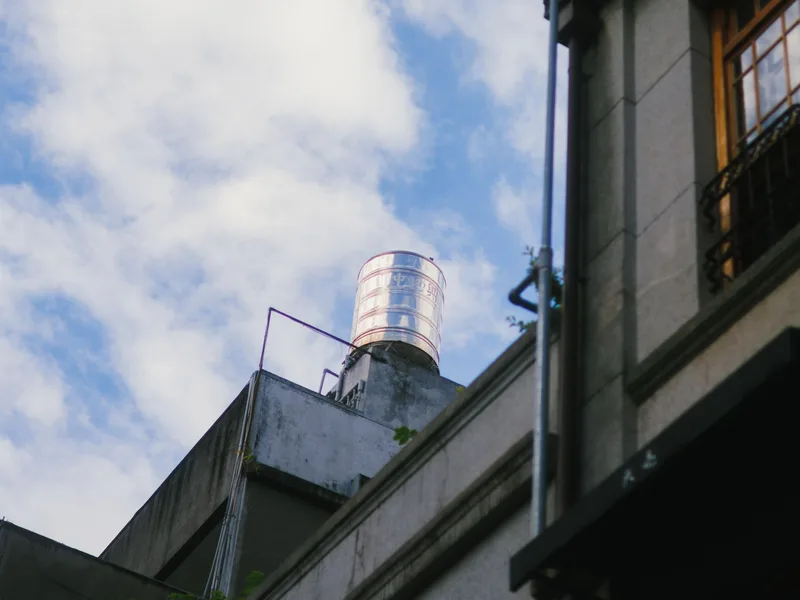
The tank and its openings
Restaurant and hotel water tanks are refilled continuously, remain warm, and even with covers develop leaks that allow mosquitoes to breed inside sealed systems.
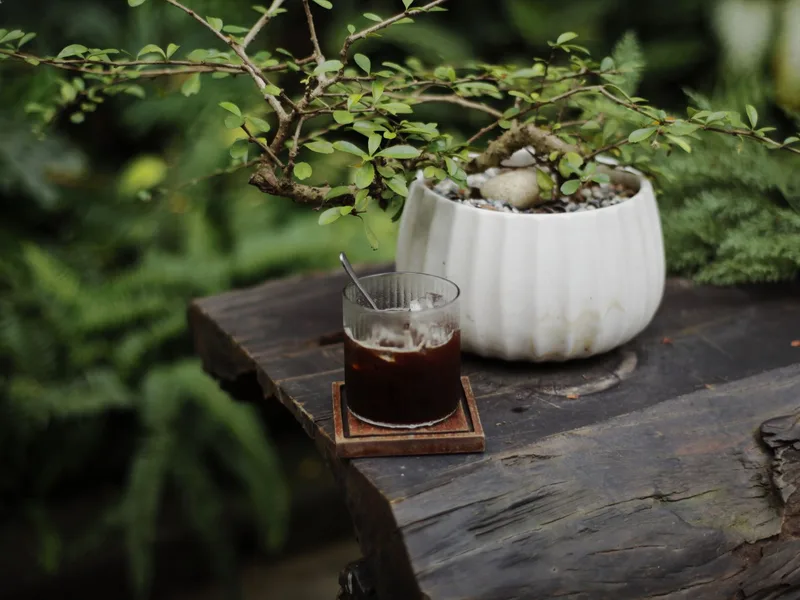
Garden containers and irrigation
Planters, fountains and small pools in hotel and restaurant gardens hold fresh water that stays warm year round, and the high humidity means water persists for days after watering.
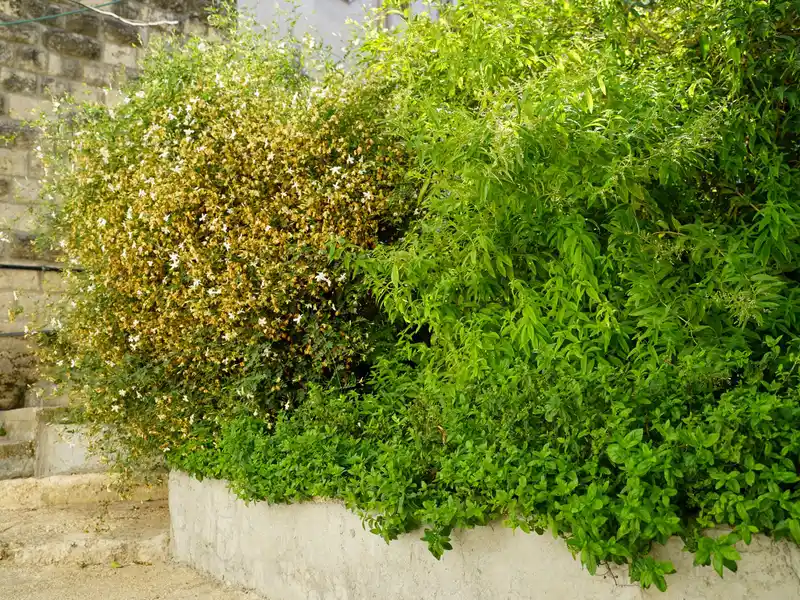
The shade it rests in
Permanent shade from high buildings and Corniche structures, combined with year-round moisture, creates refuges where adults rest by day and remain active throughout seasons that would suppress inland populations.
How we work
-
1
Inspect and map the water
We walk the perimeter, the roof, the garden, the meter chambers and the condensate runs, record everything that holds water, and read the species from the breeding site and the time of biting.
-
2
Remove the water that can go
Empty, invert, cover: saucers, containers, old tyres and roof gullies. Every point that disappears is a treatment that never needs repeating.
-
3
Larval treatment, then the resting surfaces
Water that cannot be drained is treated so the larva never completes, then a residual goes under planting, beneath outdoor furniture and along low shaded walls.
-
4
The follow-up visit
We come back once the generation that was in the water on the first visit has completed, review every point we recorded and re-treat where needed.
What mosquito control includes
-

A recorded water survey
Roof, perimeter, garden, meter chambers and condensate lines, written down before anything is applied.
-

Draining and covering the sources
Emptying what can be emptied, draining what can be drained, and covering what has to stay full.
-

Larval treatment for the water that stays
For ground tanks, inspection chambers, water features and any permanent water that has to remain.
-

A residual on the resting places
Under trees and shrubs, beneath outdoor furniture and on shaded walls, where the adult sits out the day.
-

Aftercare instructions
What stays inverted, what gets covered, which openings need mesh, and when watering goes back to normal.
-

A scheduled follow-up
A set date after the first treatment, with every recorded water point reviewed and re-treated if the water came back.
The character of Al Hamra
Coastal area: high humidity and salt air through the year
Al Hamra is coastal with elevated salt content and persistent high humidity year round. Mosquitoes here are hardier and live longer than their inland counterparts. Conditions that would suppress populations elsewhere drive breeding instead. Treatment must be more concentrated and retreatment intervals must be shorter.
Questions about this district
Does coastal humidity actually make mosquitoes more dangerous?
Not more dangerous but far more persistent. Coastal mosquitoes live longer and remain active in conditions that would suppress inland populations. Humidity shields them from desiccation that naturally kills half the population elsewhere.
Does salt air really affect the treatment?
Yes significantly. Salt deposits reduce some insecticide residuals. High humidity causes spray droplets to coalesce and fall from the air faster than they would inland. We need stronger concentrations and shorter retreat intervals.
Are hotels and restaurants harder to treat than residences?
Substantially harder. Hotels and restaurants use water continuously and hold sources in multiple locations. A single restaurant is a miniature mosquito breeding facility, and the open water use makes treatment access difficult.
Can mosquitoes tolerate salt water the way they tolerate chlorine?
Coastal mosquito species have evolved salt tolerance. Water with dissolved salt does not kill them, and some species actually breed in brackish conditions. This makes control far more difficult than in freshwater systems.
Does winter reduce the mosquito burden in Al Hamra?
Only marginally. Humidity does not drop significantly in winter, and warm water remains in tanks, fountains and planters. The population stays active year round, unlike inland areas where winter brings true relief.
Does salt water actually kill mosquito eggs the way fresh water does?
No. Some coastal species lay salt-tolerant eggs, and warm salt water may actually accelerate breeding compared to fresh water. What would be a mosquito suppression elsewhere is a breeding enhancement here.
How much does mosquito control in Al Hamra cost?
It is set after the inspection, because the price follows the type of infestation, the size of the space, how far it has spread and the number of visits it needs. Send a photo and a description on WhatsApp and we will give you an estimate before we reach Al Hamra.
Nearby districts we cover
Other services in Al Hamra
Other services we provide to residents of Al Hamra.
-
 Residential
Cockroach control
Residential
Cockroach control
-
 Residential
Bed bug control
Residential
Bed bug control
-
 Residential
Termite control
Residential
Termite control
-
 Residential
Rodents and mice
Residential
Rodents and mice
-
 Residential
Fly control
Residential
Fly control
-
 Residential
Ant control
Residential
Ant control
-
 Residential
Gecko control
Residential
Gecko control
-
 Residential
Scorpion control
Residential
Scorpion control
-
 Residential
Snake control
Residential
Snake control
-
 Residential
Flea control
Residential
Flea control
-
 Residential
Bird and pigeon control
Residential
Bird and pigeon control
-
 Residential
Preventive treatment
Residential
Preventive treatment
-
 Residential
Disinfection
Residential
Disinfection
-
 Commercial
Annual contracts
Commercial
Annual contracts
-
 Commercial
Restaurants and cafes
Commercial
Restaurants and cafes
-
 Commercial
Hotels and apartments
Commercial
Hotels and apartments
-
 Commercial
Warehouses and factories
Commercial
Warehouses and factories
-
 Commercial
Schools and nurseries
Commercial
Schools and nurseries
-
 Commercial
Retail and malls
Commercial
Retail and malls
-
 Commercial
Rest houses and farms
Commercial
Rest houses and farms
-
 Commercial
Fumigation
Commercial
Fumigation
-
 Water tanks
Water tank cleaning
Water tanks
Water tank cleaning
-
 Water tanks
Water tank sterilization
Water tanks
Water tank sterilization
-
 Water tanks
Water tank sealing
Water tanks
Water tank sealing
-
 Water tanks
Tank leak repair
Water tanks
Tank leak repair
Need mosquito control in Al Hamra? Tell us what you saw and we will tell you what it needs
We reach Al Hamra at a time we agree, and you get the full cost before we start.