
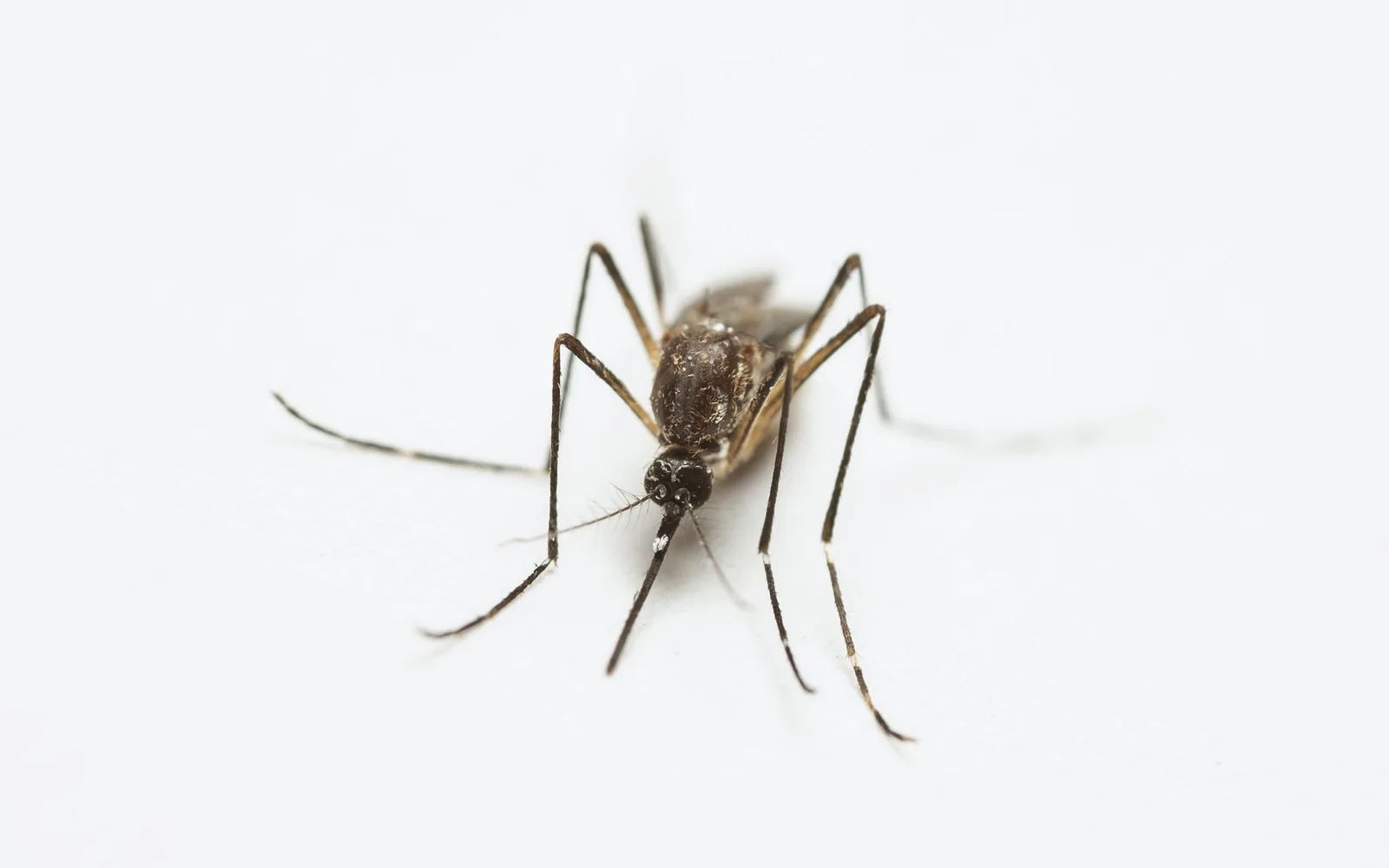
Mosquito control in Al Aziziyah Jeddah
Al Aziziyah is a densely built district north east of central Jeddah, bounded by Tahliah Street to the north, Gharnatah Street to the south, Al Arbaeen Street to the east and Al Sitteen Street to the west. Apartment blocks over shops line Makarona Road and surrounding streets, with villas occupying the numbered sections. Restaurants, cafes, food shops, popular markets and grocery stores fill the ground floors. Aging infrastructure and water from food outlets and shops create perfect conditions for mosquitoes year round.
-
Targeted, not broadcast
Product goes into cracks and runways, never sprayed across open surfaces.
-
Told before we start
What we will use, where it goes, and what to cover or move before we arrive.
-
A follow-up visit
We return after the first treatment, because what survives it does not show on the day.
-
Homes and businesses
Apartments and villas, and kitchens and stores that need a record of each visit.
Why they keep coming back in Al Aziziyah
Dense shops and restaurants mean water and food are available around the clock, and mosquitoes establish with ease. Villas in numbered sections provide spacious gardens but mosquitoes transit freely from them into the old apartment blocks, making control across all building types essential. The method is set out in full on our Mosquito control service.
Dense concentration of restaurants and food shops
Makarona Road, Tahliah Street and Palestine Street carry exceptionally dense restaurant and food shop trade. Water from floor washing, shared drainage and exterior landscaping creates permanent pooling points where mosquitoes breed, and food waste sustains large populations.
Aged apartment blocks and failing drainage networks
Buildings in Al Aziziyah are decades old and drainage piping is severely outdated. Gaps and cracks in channels provide easy routes for mosquitoes to move between storeys and across units, and they use these passages to transit between old and new building zones.
Sea humidity in districts near the shore
The western quarters of Al Aziziyah are near the corniche and sea, so coastal humidity runs very high. Old drainage networks, damp timber and render provide perfect conditions for mosquitoes, cockroaches and ants year round.
The character of Al Aziziyah
Mixed district: shops at street level with homes above them
In the mixed district, ground floor shops and restaurants provide continuous water and food, and apartments above become refuge where mosquitoes transit via shared drainage. Villas in numbered sections add a separate breeding source. Treatment must address all these levels and inter-building transit routes simultaneously.
Standing water and shade decide the method
The district is old and densely built, dominated by mid rise apartment blocks over shops and crowded restaurants on every main street. Plumbing and drainage networks are now outdated, and tight building spacing means moisture persists round building bases year round.
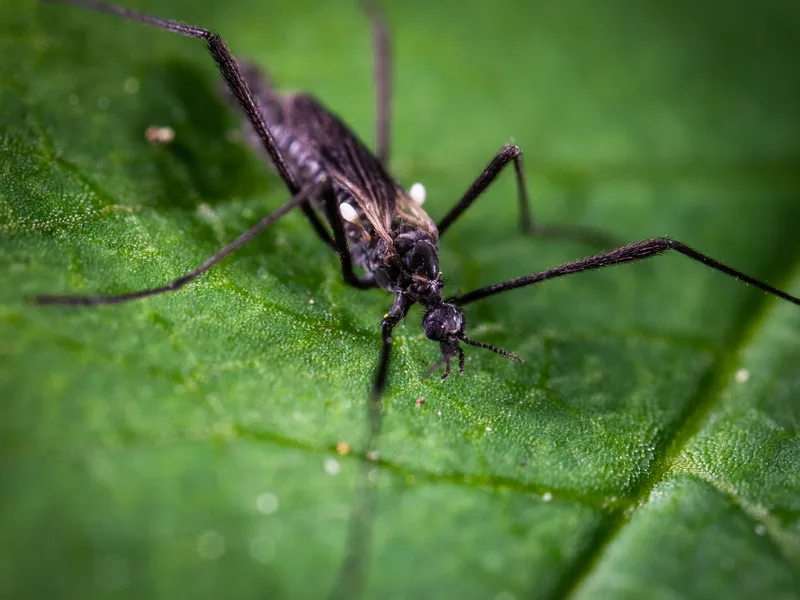
The daytime biter
The daytime biter in Al Aziziyah rests under trees and planting round restaurants and shops, where permanent shade and ongoing humidity provide comfort through daylight hours.
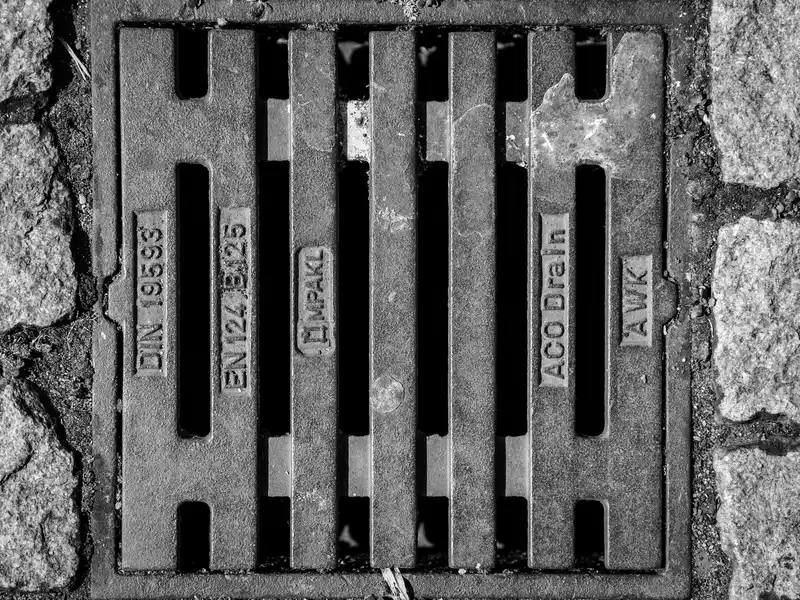
The one that comes out after sunset
The one that comes out after sunset emerges from restaurants and shops and drainage points as light fades, and old apartment buildings provide protected refuge for feeding and resting before dawn.
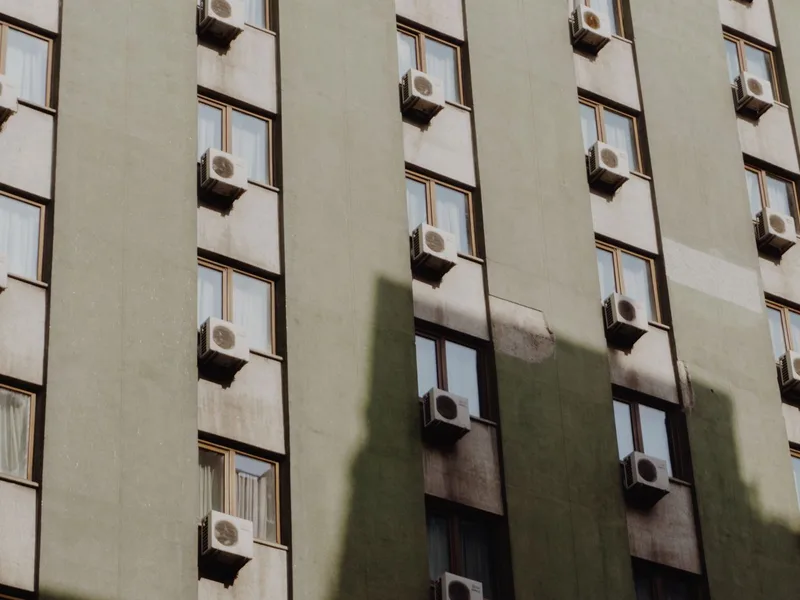
Air-conditioning condensate
Air-conditioning condensate from apartment blocks and shop units adds moisture round tightly packed building bases, and outdated drainage systems leak water continuously round foundations.
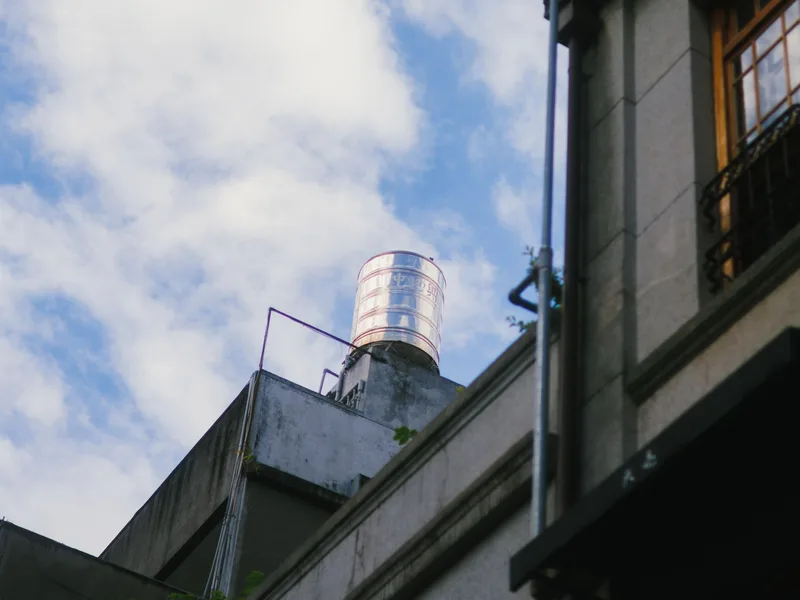
The tank and its openings
Water tanks in old apartment buildings are often partially exposed or have damaged ventilation, and mosquitoes enter readily and lay thousands of eggs in the standing water stored inside.
Garden containers and irrigation
Garden containers and irrigation systems round restaurant and shop landscaping create permanent standing water points, and water from floor washing ensures these pools never dry.
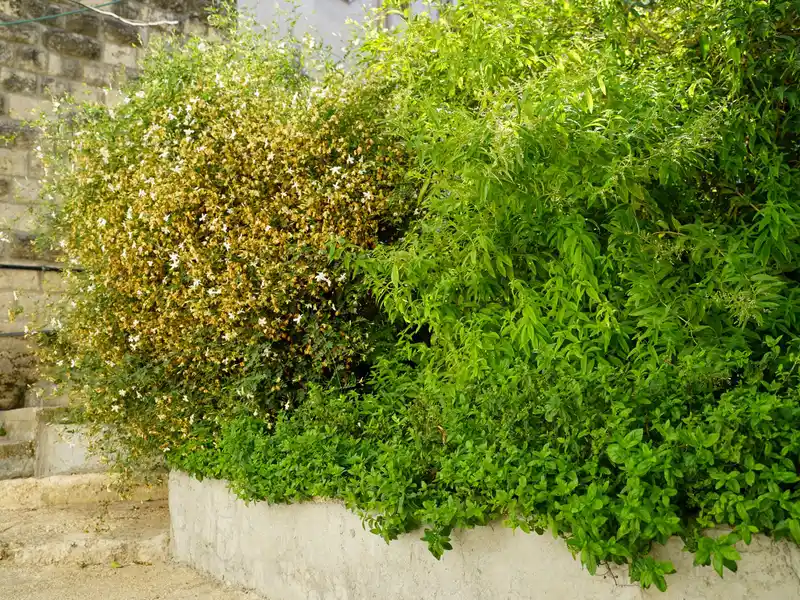
The shade it rests in
Resting shade exists under trees and planting round restaurants and shops and within building alcoves, and sustained humidity and moisture from drainage keep the resting adult active all through daylight.
How we work
-
1
Inspect and map the water
We walk the perimeter, the roof, the garden, the meter chambers and the condensate runs, record everything that holds water, and read the species from the breeding site and the time of biting.
-
2
Remove the water that can go
Empty, invert, cover: saucers, containers, old tyres and roof gullies. Every point that disappears is a treatment that never needs repeating.
-
3
Larval treatment, then the resting surfaces
Water that cannot be drained is treated so the larva never completes, then a residual goes under planting, beneath outdoor furniture and along low shaded walls.
-
4
The follow-up visit
We come back once the generation that was in the water on the first visit has completed, review every point we recorded and re-treat where needed.
What mosquito control includes
-

A recorded water survey
Roof, perimeter, garden, meter chambers and condensate lines, written down before anything is applied.
-

Draining and covering the sources
Emptying what can be emptied, draining what can be drained, and covering what has to stay full.
-

Larval treatment for the water that stays
For ground tanks, inspection chambers, water features and any permanent water that has to remain.
-

A residual on the resting places
Under trees and shrubs, beneath outdoor furniture and on shaded walls, where the adult sits out the day.
-

Aftercare instructions
What stays inverted, what gets covered, which openings need mesh, and when watering goes back to normal.
-

A scheduled follow-up
A set date after the first treatment, with every recorded water point reviewed and re-treated if the water came back.
What is different about Al Aziziyah Sub-Municipality
The Al Aziziyah sub municipality takes in the established heart of northern Jeddah, from the Al Hamra corniche on the Red Sea to Al Rehab east of King Abdullah Road. Its buildings date back decades, mostly mid rise apartment blocks over shops and closely packed restaurants along Makarona Road, Tahliah Street and Palestine Street, alongside villas and hotel towers near the shore. Sea humidity is high in the western districts, plumbing and drainage in the older blocks are ageing, and food outlets, hospitals and irrigated gardens are everywhere, conditions that favour cockroaches, ants, mosquitoes and rodents throughout the year.
Questions about this district
Does the dense concentration of food outlets increase mosquito activity?
Yes, density provides water and food available around the clock. Water from floor washing, drainage systems and shared sewers creates endless pooling points for breeding and development.
Do the aged drainage networks allow mosquitoes to move freely?
Yes, outdated piping has large gaps and significant cracks throughout. Mosquitoes move with ease through these passages between buildings and across multiple storeys, using them as transit highways.
Are the villas in numbered sections a separate mosquito source?
Villas provide spacious gardens and irrigation water, but mosquitoes readily transit into adjoining old apartment blocks. Treatment focuses on cutting these transit pathways between the two building types.
Does sea humidity in the western quarters make the problem worse?
Yes, high humidity means resting adult mosquitoes stay comfortable in flats and blocks all day. Outdated drainage, damp timber and failing networks provide perfect year round conditions.
When is mosquito activity at its highest in the district?
Mosquitoes remain active all year, but peak activity occurs spring through autumn when humidity is sustained and outdoor outlets expand their seating and food service.
Is Tihama Park a major source feeding the surrounding neighbourhood?
Tihama Park maintains irrigated lawns and vegetation, both holding standing water, and if untreated it acts as a continuous feed source spreading mosquitoes into surrounding commercial and residential blocks.
How much does mosquito control in Al Aziziyah cost?
It is set after the inspection, because the price follows the type of infestation, the size of the space, how far it has spread and the number of visits it needs. Send a photo and a description on WhatsApp and we will give you an estimate before we reach Al Aziziyah.
Other services in Al Aziziyah
Other services we provide to residents of Al Aziziyah.
-
 Residential
Cockroach control
Residential
Cockroach control
-
 Residential
Bed bug control
Residential
Bed bug control
-
 Residential
Termite control
Residential
Termite control
-
 Residential
Rodents and mice
Residential
Rodents and mice
-
 Residential
Fly control
Residential
Fly control
-
 Residential
Ant control
Residential
Ant control
-
 Residential
Gecko control
Residential
Gecko control
-
 Residential
Scorpion control
Residential
Scorpion control
-
 Residential
Snake control
Residential
Snake control
-
 Residential
Flea control
Residential
Flea control
-
 Residential
Bird and pigeon control
Residential
Bird and pigeon control
-
 Residential
Preventive treatment
Residential
Preventive treatment
-
 Residential
Disinfection
Residential
Disinfection
-
 Commercial
Annual contracts
Commercial
Annual contracts
-
 Commercial
Restaurants and cafes
Commercial
Restaurants and cafes
-
 Commercial
Hotels and apartments
Commercial
Hotels and apartments
-
 Commercial
Warehouses and factories
Commercial
Warehouses and factories
-
 Commercial
Schools and nurseries
Commercial
Schools and nurseries
-
 Commercial
Retail and malls
Commercial
Retail and malls
-
 Commercial
Rest houses and farms
Commercial
Rest houses and farms
-
 Commercial
Fumigation
Commercial
Fumigation
-
 Water tanks
Water tank cleaning
Water tanks
Water tank cleaning
-
 Water tanks
Water tank sterilization
Water tanks
Water tank sterilization
-
 Water tanks
Water tank sealing
Water tanks
Water tank sealing
-
 Water tanks
Tank leak repair
Water tanks
Tank leak repair
Need mosquito control in Al Aziziyah? Tell us what you saw and we will tell you what it needs
We reach Al Aziziyah at a time we agree, and you get the full cost before we start.