
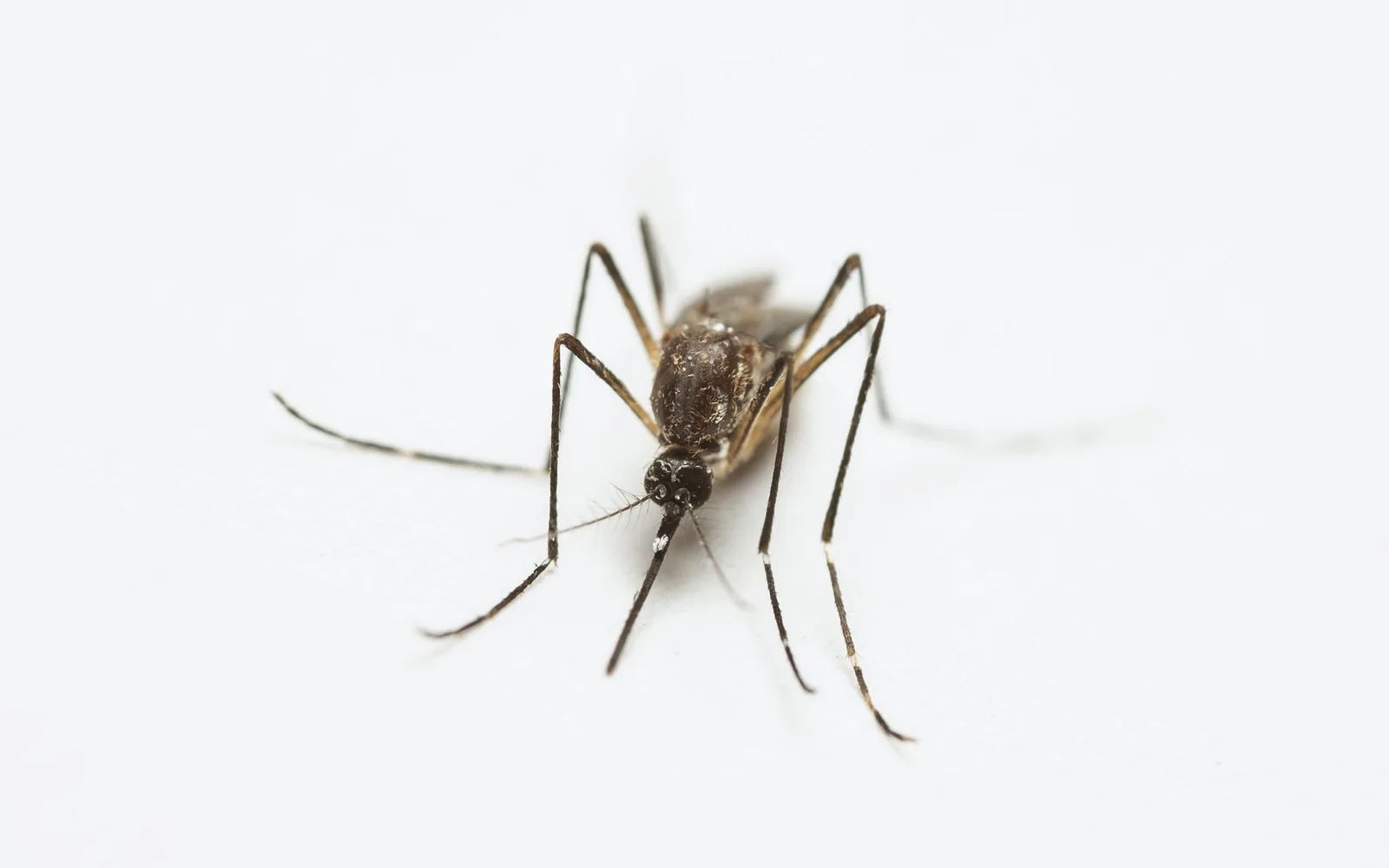
Mosquito control in Al Mansour Makkah
Al Mansour is one of Makkah's oldest shopping districts along Prince Mansour Street, a dense row of small shops with aging apartment blocks stacked above them. The narrow spaces between buildings never see sun, old stone foundations hidden beneath shops hold permanent moisture, and countless cracks and gaps offer shelter and breeding points for mosquitoes that feed on the water draining from shops all day long.
-
Targeted, not broadcast
Product goes into cracks and runways, never sprayed across open surfaces.
-
Told before we start
What we will use, where it goes, and what to cover or move before we arrive.
-
A follow-up visit
We return after the first treatment, because what survives it does not show on the day.
-
Homes and businesses
Apartments and villas, and kitchens and stores that need a record of each visit.
Why they keep coming back in Al Mansour
Commercial shops drain washing and cleaning water all day long, and the old stone footings around the shop walls hold continuous moisture in their detail work and cracks, seeping water into the ground beneath without stopping. The method is set out in full on our Mosquito control service.
Tight lanes and deteriorated stone foundations
The old quarter leaves corridors so narrow between shops and buildings that direct sunlight never reaches them. Old stone foundations retain moisture and standing water in their crevices and mortar lines, and adult mosquitoes hide there all day unseen even though darkness is permanent and water is always nearby. These bases are cold, damp refuges that require specific treatment to penetrate.
Continuous water discharge from retail premises
Every shop drains cleaning and washing water all through the working day, and the old sewers beneath the street cannot absorb it all. Water overflows onto ground level or pools in the lanes, becoming a continuous mosquito source because it is available all day long during the hours when people are present to notice breeding activity.
Damp ground and poor air flow
Lanes and corners between shops stay wet because of constant drainage and poor ventilation, and cracks in the old ground hold sewer water in a lower layer. This perfect combination of water, shade and humidity makes mosquitoes breed faster here than in any other residential area, because every condition they need is present together.
Al Mansour on the map
Al Mansour sits about 0.5 km from Al Tandabawi and about 1.5 km from Al Shubaikah.
Open in Google MapsStanding water and shade decide the method
A densely built commercial area with ground floor shops and aged residential buildings above them, all sitting on old stone foundations and served by ageing drainage that cannot keep pace with daily water discharge.
The daytime biter
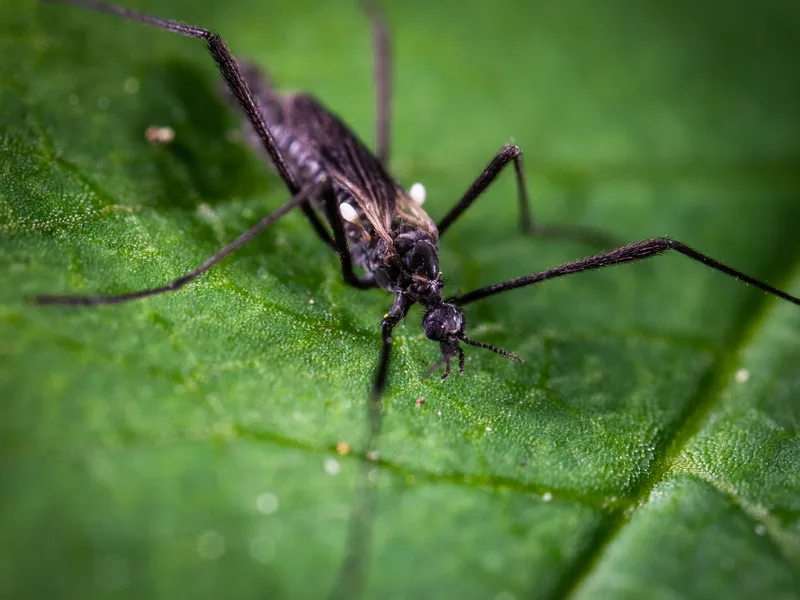
Day biting mosquitoes shelter in cracks and stone footings beneath shops and in narrow lanes where there is no light and no air movement, resting from dawn until dusk.
The one that comes out after sunset
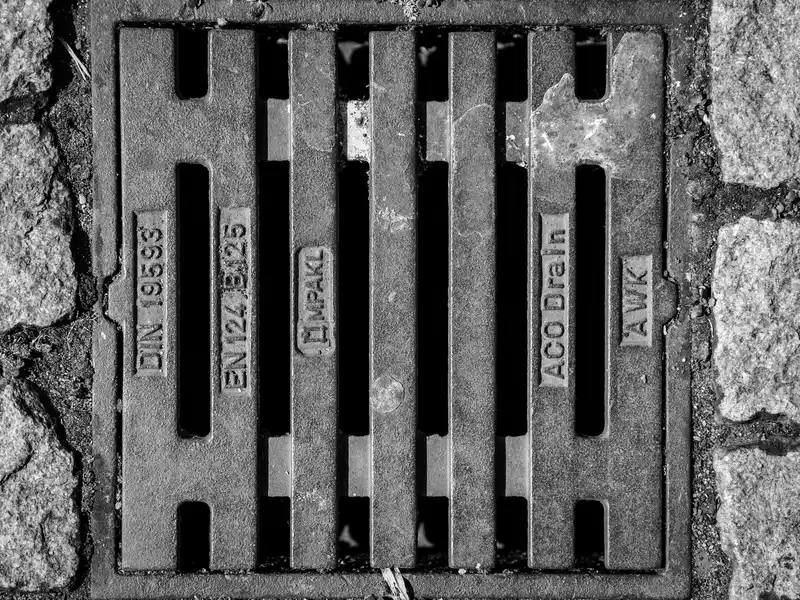
Evening emergence brings them from standing water in lanes and foundations, flying up toward lit flats and their open windows and ventilation shafts.
Air-conditioning condensate
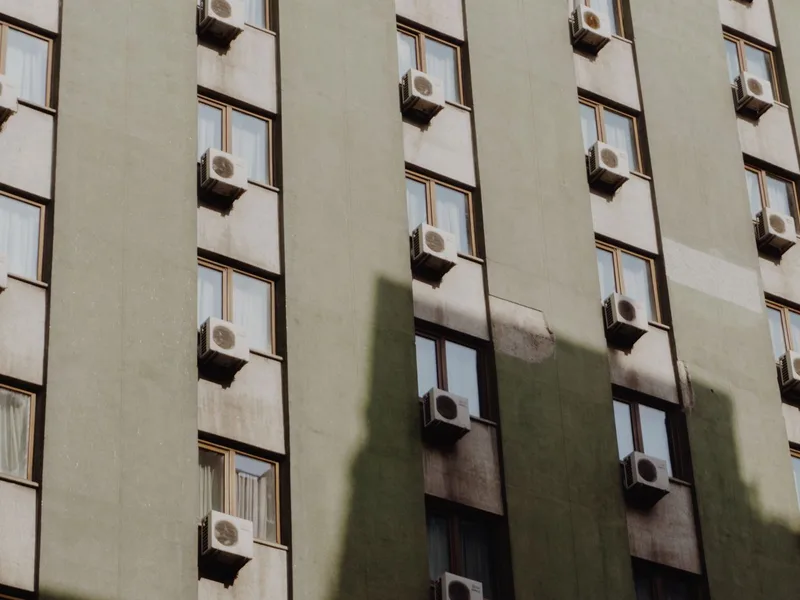
Air conditioning drains from upper flats run down to the lanes below, and if the drainage does not slope evenly it pools and stands at the foundations.
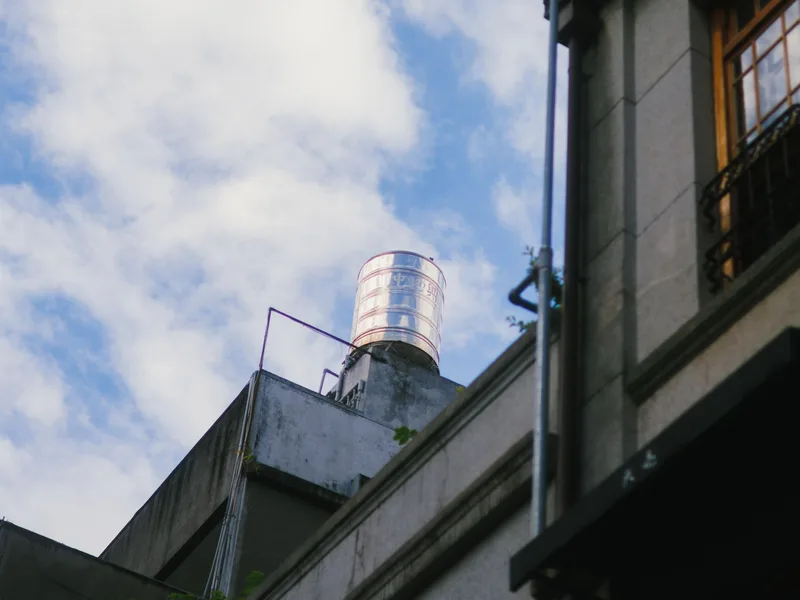
The tank and its openings
Old roof tanks may leak water down the walls on its way to the foundations, creating damp patches and seepage points that hold moisture.
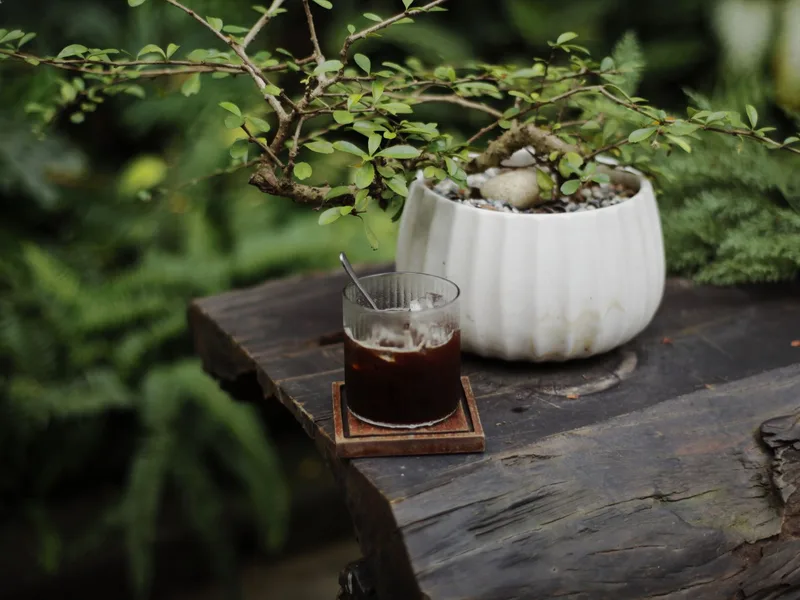
Garden containers and irrigation
Empty containers and discarded items accumulate in tight lanes and closed corners between shops, collecting rainwater splash and run off.
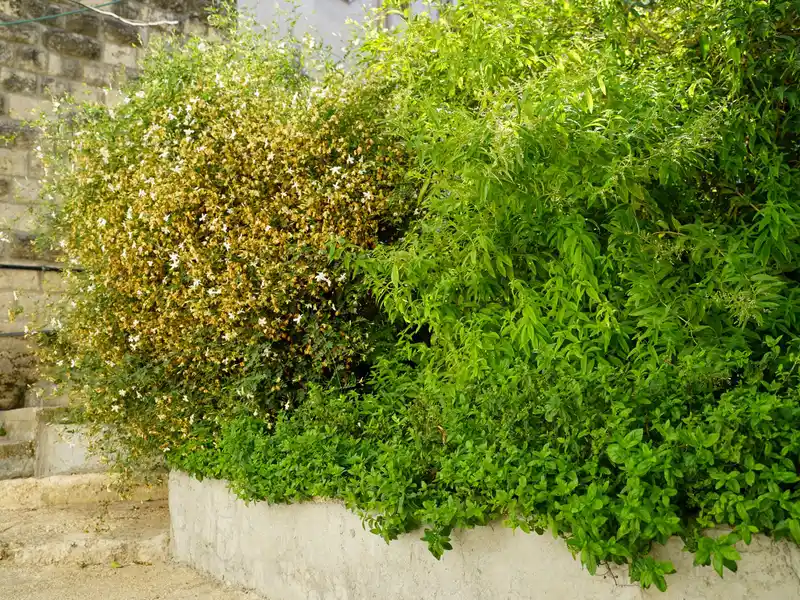
The shade it rests in
The unbroken shade that never stops all year in lanes and behind foundations offers safe daytime shelter where adult mosquitoes rest from summer heat and retain moisture.
How we work
-
1
Inspect and map the water
We walk the perimeter, the roof, the garden, the meter chambers and the condensate runs, record everything that holds water, and read the species from the breeding site and the time of biting.
-
2
Remove the water that can go
Empty, invert, cover: saucers, containers, old tyres and roof gullies. Every point that disappears is a treatment that never needs repeating.
-
3
Larval treatment, then the resting surfaces
Water that cannot be drained is treated so the larva never completes, then a residual goes under planting, beneath outdoor furniture and along low shaded walls.
-
4
The follow-up visit
We come back once the generation that was in the water on the first visit has completed, review every point we recorded and re-treat where needed.
What mosquito control includes
-

A recorded water survey
Roof, perimeter, garden, meter chambers and condensate lines, written down before anything is applied.
-

Draining and covering the sources
Emptying what can be emptied, draining what can be drained, and covering what has to stay full.
-

Larval treatment for the water that stays
For ground tanks, inspection chambers, water features and any permanent water that has to remain.
-

A residual on the resting places
Under trees and shrubs, beneath outdoor furniture and on shaded walls, where the adult sits out the day.
-

Aftercare instructions
What stays inverted, what gets covered, which openings need mesh, and when watering goes back to normal.
-

A scheduled follow-up
A set date after the first treatment, with every recorded water point reviewed and re-treated if the water came back.
The character of Al Mansour
Commercial area: offices, showrooms and small stores
A commercial area with shops at street level and homes above means water drains from flats downward into shops and foundations, so treating the flat alone pushes the mosquito problem down, not away. Shops, lanes and foundations must be treated as well to break the breeding cycle completely.
Questions about this district
Are the ground floor shops the primary mosquito source in this street?
Yes. Shops drain water constantly, and the stone footings behind them are permanently damp. This creates ideal mosquito breeding conditions. Treating the lanes behind shops and the foundations themselves is more important than treating the flats above.
Does treating my upper flat stop mosquitoes or do they come from the shops below?
They move up from shops below through ventilation gaps, pipes and cracks in the flat's floor. Treating your flat alone will not stop them. The lanes, foundations and shop areas below must be treated as well.
Do old stone foundations hold water much longer than modern concrete?
Yes, much longer. Old stone is porous and water penetrates deeply into it; cracks between stones hold water for weeks. Treating deteriorated old foundations needs products that penetrate the depth.
Are fine cracks in the old floor a major mosquito breeding source?
Yes. Water seeps into cracks and voids beneath the ground, and mosquitoes lay eggs in this hidden water that no one can see. Clearing cracks before treatment helps the treatment product reach mosquito breeding points below.
Does treating the lanes between shops stop mosquitoes from entering the flat?
It reduces their numbers considerably, but does not stop them entirely. Mosquitoes may still reach the flat from neighbouring shops through shared walls. Treating lanes, shops and flats together is the best approach.
Does Al Mansour need ongoing treatment because of its old construction?
Yes. Permanent humidity and continuous standing water mean mosquitoes breed here all year round. Treatment every two weeks is the minimum, and we may recommend every week during summer.
How much does mosquito control in Al Mansour cost?
It is set after the inspection, because the price follows the type of infestation, the size of the space, how far it has spread and the number of visits it needs. Send a photo and a description on WhatsApp and we will give you an estimate before we reach Al Mansour.
Nearby districts we cover
Other services in Al Mansour
Other services we provide to residents of Al Mansour.
-
 Residential
Cockroach control
Residential
Cockroach control
-
 Residential
Bed bug control
Residential
Bed bug control
-
 Residential
Termite control
Residential
Termite control
-
 Residential
Rodents and mice
Residential
Rodents and mice
-
 Residential
Fly control
Residential
Fly control
-
 Residential
Ant control
Residential
Ant control
-
 Residential
Gecko control
Residential
Gecko control
-
 Residential
Scorpion control
Residential
Scorpion control
-
 Residential
Snake control
Residential
Snake control
-
 Residential
Flea control
Residential
Flea control
-
 Residential
Bird and pigeon control
Residential
Bird and pigeon control
-
 Residential
Preventive treatment
Residential
Preventive treatment
-
 Residential
Disinfection
Residential
Disinfection
-
 Commercial
Annual contracts
Commercial
Annual contracts
-
 Commercial
Restaurants and cafes
Commercial
Restaurants and cafes
-
 Commercial
Hotels and apartments
Commercial
Hotels and apartments
-
 Commercial
Warehouses and factories
Commercial
Warehouses and factories
-
 Commercial
Schools and nurseries
Commercial
Schools and nurseries
-
 Commercial
Retail and malls
Commercial
Retail and malls
-
 Commercial
Rest houses and farms
Commercial
Rest houses and farms
-
 Commercial
Fumigation
Commercial
Fumigation
-
 Water tanks
Water tank cleaning
Water tanks
Water tank cleaning
-
 Water tanks
Water tank sterilization
Water tanks
Water tank sterilization
-
 Water tanks
Water tank sealing
Water tanks
Water tank sealing
-
 Water tanks
Tank leak repair
Water tanks
Tank leak repair
Need mosquito control in Al Mansour? Tell us what you saw and we will tell you what it needs
We reach Al Mansour at a time we agree, and you get the full cost before we start.