
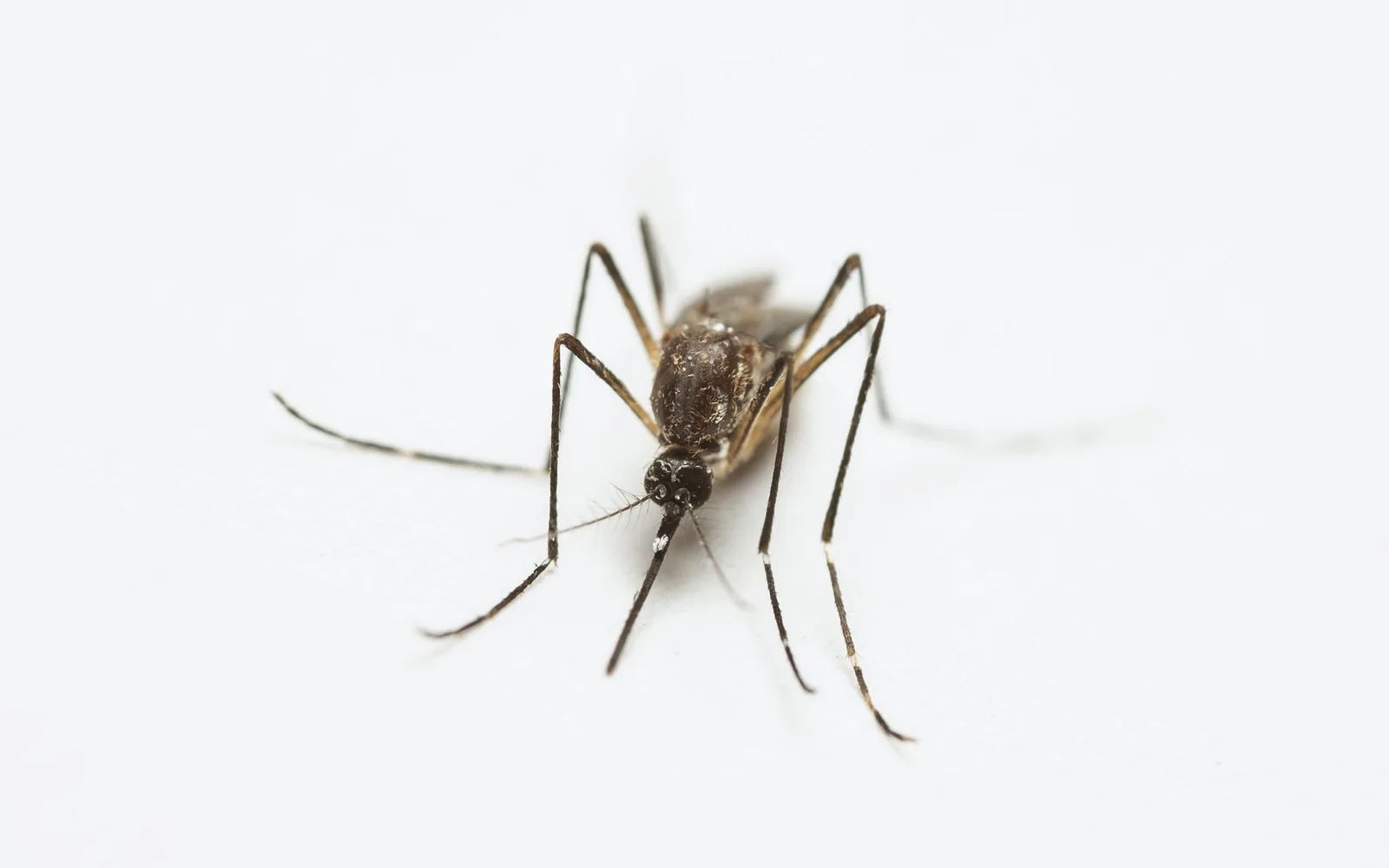
Mosquito control in Al Shubaikah Makkah
Al Shubaikah is one of Makkah's oldest quarters, its narrow alleys thread between tightly packed stone houses, and mosquitoes here live in an environment unchanged for centuries. The ancient cemetery beside the houses provides constant moisture and standing water in every corner. Humidity saturates the ground.
-
Targeted, not broadcast
Product goes into cracks and runways, never sprayed across open surfaces.
-
Told before we start
What we will use, where it goes, and what to cover or move before we arrive.
-
A follow-up visit
We return after the first treatment, because what survives it does not show on the day.
-
Homes and businesses
Apartments and villas, and kitchens and stores that need a record of each visit.
Why they keep coming back in Al Shubaikah
In Al Shubaikah, mosquitoes surge immediately after rain because the narrow alleys trap water for days before it dries. The method is set out in full on the full Mosquito control page.
The ancient cemetery and persistent dampness
Al Shubaikah cemetery sits adjoining the houses and holds high moisture at all times. The soil there is rich with water, and mosquitoes breed there and crawl into neighbouring homes. Treatment must reach the cemetery perimeter.
Narrow alleys and poor drainage
The lanes between houses are very tight and the drainage very old. Water from rain and seepage stays in the alleys for days, creating thousands of breeding points in the standing pools.
Roofs and raised edges holding water
Old stone houses have irregular roofs pitted with hollows. Water pools on the roofs and aged ledges, and shade from the low and close-set ceilings shelters mosquitoes from the sun.
Al Shubaikah on the map
Al Shubaikah sits about 0.5 km from Al Hajlah and about 1 km from Al Tandabawi.
Open in Google MapsStanding water and shade decide the method
The quarter looks onto the Grand Mosque from the Hazwarah side and is hemmed in by Jabal Omar from the north and east; its soil stays damp because of proximity to the cemetery and poor drainage of groundwater.
The daytime biter
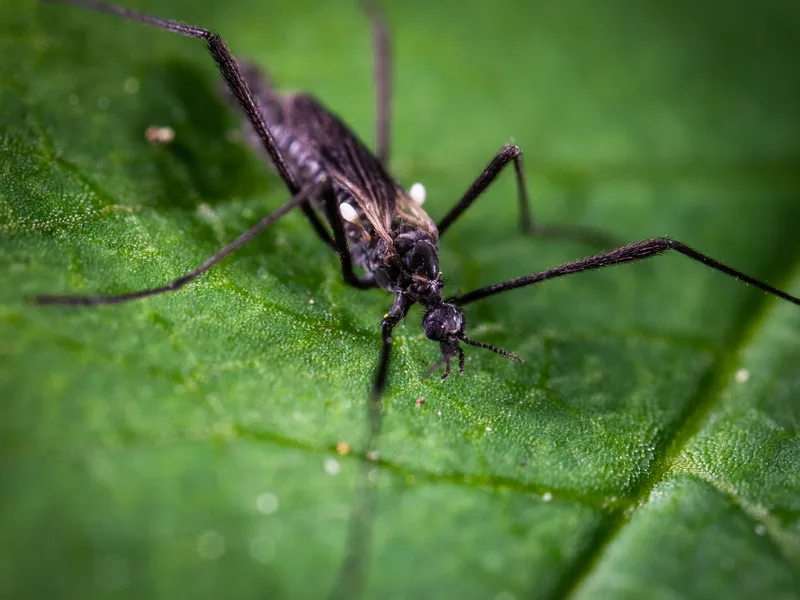
The daytime mosquito in Al Shubaikah hides deep in the alley corners and old ledges beneath low ceilings.
The one that comes out after sunset
In the evening it emerges from the cemetery openings and cracks beneath old roofs to seek hosts in the neighbouring houses.
Air-conditioning condensate
Water from seepage and old drainage pools on the sloped roofs, and every small hollow becomes a hatchery.
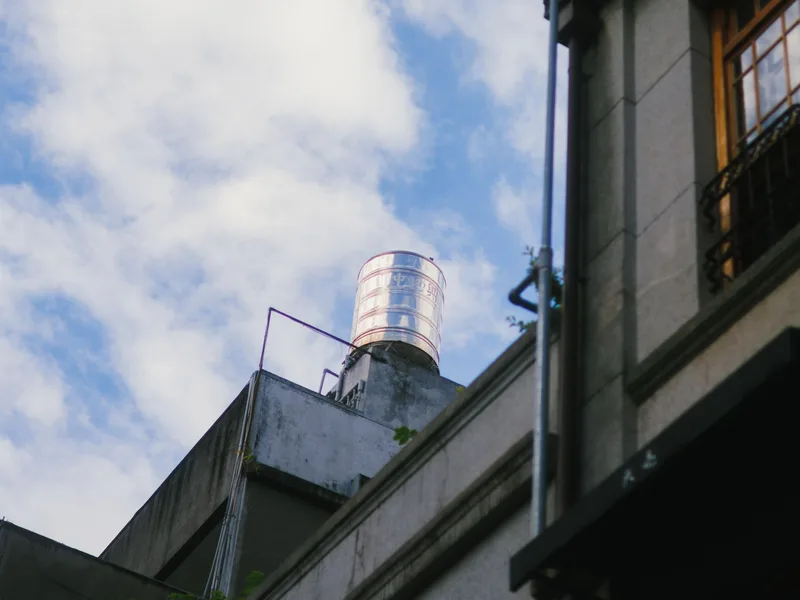
The tank and its openings
Old water tanks on the roofs are poorly sealed, and the stale water inside draws mosquitoes from the surrounding areas.
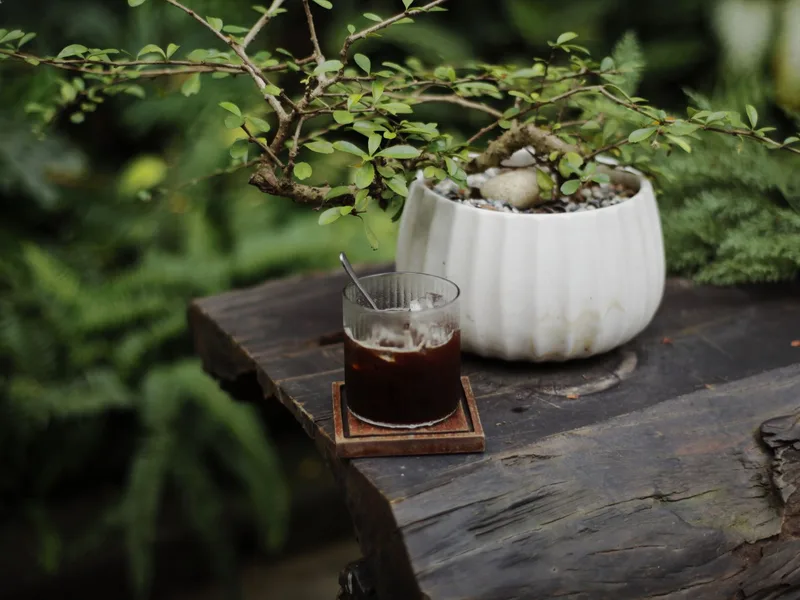
Garden containers and irrigation
Old jars and containers left in the alleys and back yards fill with every rain and are forgotten.
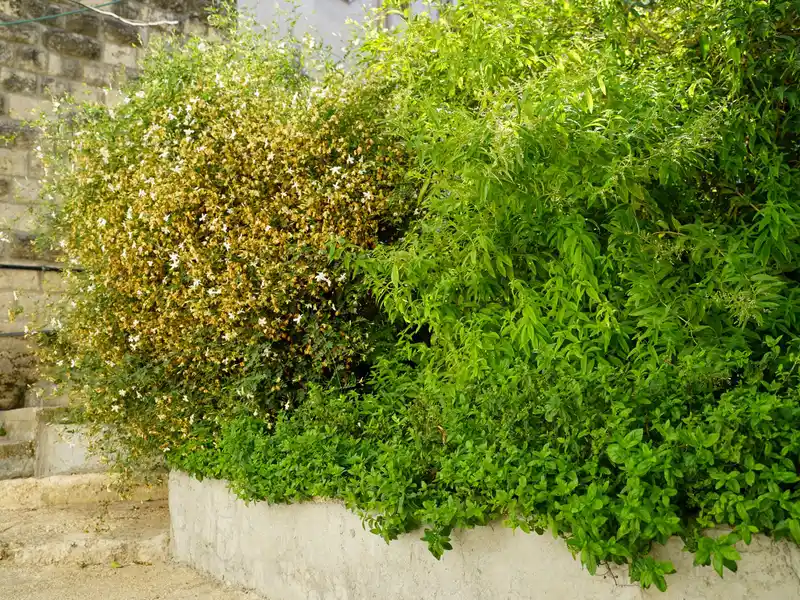
The shade it rests in
Constant shade from the closely packed houses and low ceilings makes every alley a daytime shelter for adult mosquitoes.
How we work
-
1
Inspect and map the water
We walk the perimeter, the roof, the garden, the meter chambers and the condensate runs, record everything that holds water, and read the species from the breeding site and the time of biting.
-
2
Remove the water that can go
Empty, invert, cover: saucers, containers, old tyres and roof gullies. Every point that disappears is a treatment that never needs repeating.
-
3
Larval treatment, then the resting surfaces
Water that cannot be drained is treated so the larva never completes, then a residual goes under planting, beneath outdoor furniture and along low shaded walls.
-
4
The follow-up visit
We come back once the generation that was in the water on the first visit has completed, review every point we recorded and re-treat where needed.
What mosquito control includes
-

A recorded water survey
Roof, perimeter, garden, meter chambers and condensate lines, written down before anything is applied.
-

Draining and covering the sources
Emptying what can be emptied, draining what can be drained, and covering what has to stay full.
-

Larval treatment for the water that stays
For ground tanks, inspection chambers, water features and any permanent water that has to remain.
-

A residual on the resting places
Under trees and shrubs, beneath outdoor furniture and on shaded walls, where the adult sits out the day.
-

Aftercare instructions
What stays inverted, what gets covered, which openings need mesh, and when watering goes back to normal.
-

A scheduled follow-up
A set date after the first treatment, with every recorded water point reviewed and re-treated if the water came back.
Landmarks of Al Shubaikah
Al Shubaikah lies between Khalid ibn Al Walid Mosque at Harat Al Bab to the south and the Grand Mosque to the north. Access requires navigating the tight lanes on Ibrahim Al Khalil Street and the alleys around the cemetery, where our team must work carefully to reach every house.
- The Grand Mosque
- Al Shubaikah Cemetery
- Jabal Omar
- Khalid ibn Al Walid Mosque
- Ibrahim Al Khalil Street
Questions about this district
Is the neighbouring cemetery the main source?
Yes. The cemetery is a continuous source. The damp soil and groundwater there favour breeding. We treat the houses and the areas surrounding the cemetery together.
Can the cemetery grounds themselves be treated?
The cemetery is a religious and historic site. We focus on protecting the neighbouring houses from mosquito entry. We treat house foundations and openings in depth.
Why do they surge immediately after rain?
Rain fills the alleys and hollows in old roofs. Mosquitoes lay millions of eggs in these new pools, so numbers explode at once.
Does proximity to the Haram change the treatment?
Yes. We use pesticides that are very safe for children and animals, in lower concentrations than other areas. Nearness to the sacred mosque demands extra care.
How many visits does Al Shubaikah usually need?
Three to four visits, especially in the rainy season. Persistent damp and the cemetery mean continuous breeding.
Do you recommend seasonal preventive treatment?
Yes. We advise preventive treatment before and just after the rainy season. Constant moisture means you need regular protection.
How much does mosquito control in Al Shubaikah cost?
It is set after the inspection, because the price follows the type of infestation, the size of the space, how far it has spread and the number of visits it needs. Send a photo and a description on WhatsApp and we will give you an estimate before we reach Al Shubaikah.
Nearby districts we cover
Other services in Al Shubaikah
Other services we provide to residents of Al Shubaikah.
-
 Residential
Cockroach control
Residential
Cockroach control
-
 Residential
Bed bug control
Residential
Bed bug control
-
 Residential
Termite control
Residential
Termite control
-
 Residential
Rodents and mice
Residential
Rodents and mice
-
 Residential
Fly control
Residential
Fly control
-
 Residential
Ant control
Residential
Ant control
-
 Residential
Gecko control
Residential
Gecko control
-
 Residential
Scorpion control
Residential
Scorpion control
-
 Residential
Snake control
Residential
Snake control
-
 Residential
Flea control
Residential
Flea control
-
 Residential
Bird and pigeon control
Residential
Bird and pigeon control
-
 Residential
Preventive treatment
Residential
Preventive treatment
-
 Residential
Disinfection
Residential
Disinfection
-
 Commercial
Annual contracts
Commercial
Annual contracts
-
 Commercial
Restaurants and cafes
Commercial
Restaurants and cafes
-
 Commercial
Hotels and apartments
Commercial
Hotels and apartments
-
 Commercial
Warehouses and factories
Commercial
Warehouses and factories
-
 Commercial
Schools and nurseries
Commercial
Schools and nurseries
-
 Commercial
Retail and malls
Commercial
Retail and malls
-
 Commercial
Rest houses and farms
Commercial
Rest houses and farms
-
 Commercial
Fumigation
Commercial
Fumigation
-
 Water tanks
Water tank cleaning
Water tanks
Water tank cleaning
-
 Water tanks
Water tank sterilization
Water tanks
Water tank sterilization
-
 Water tanks
Water tank sealing
Water tanks
Water tank sealing
-
 Water tanks
Tank leak repair
Water tanks
Tank leak repair
Need mosquito control in Al Shubaikah? Tell us what you saw and we will tell you what it needs
We reach Al Shubaikah at a time we agree, and you get the full cost before we start.