
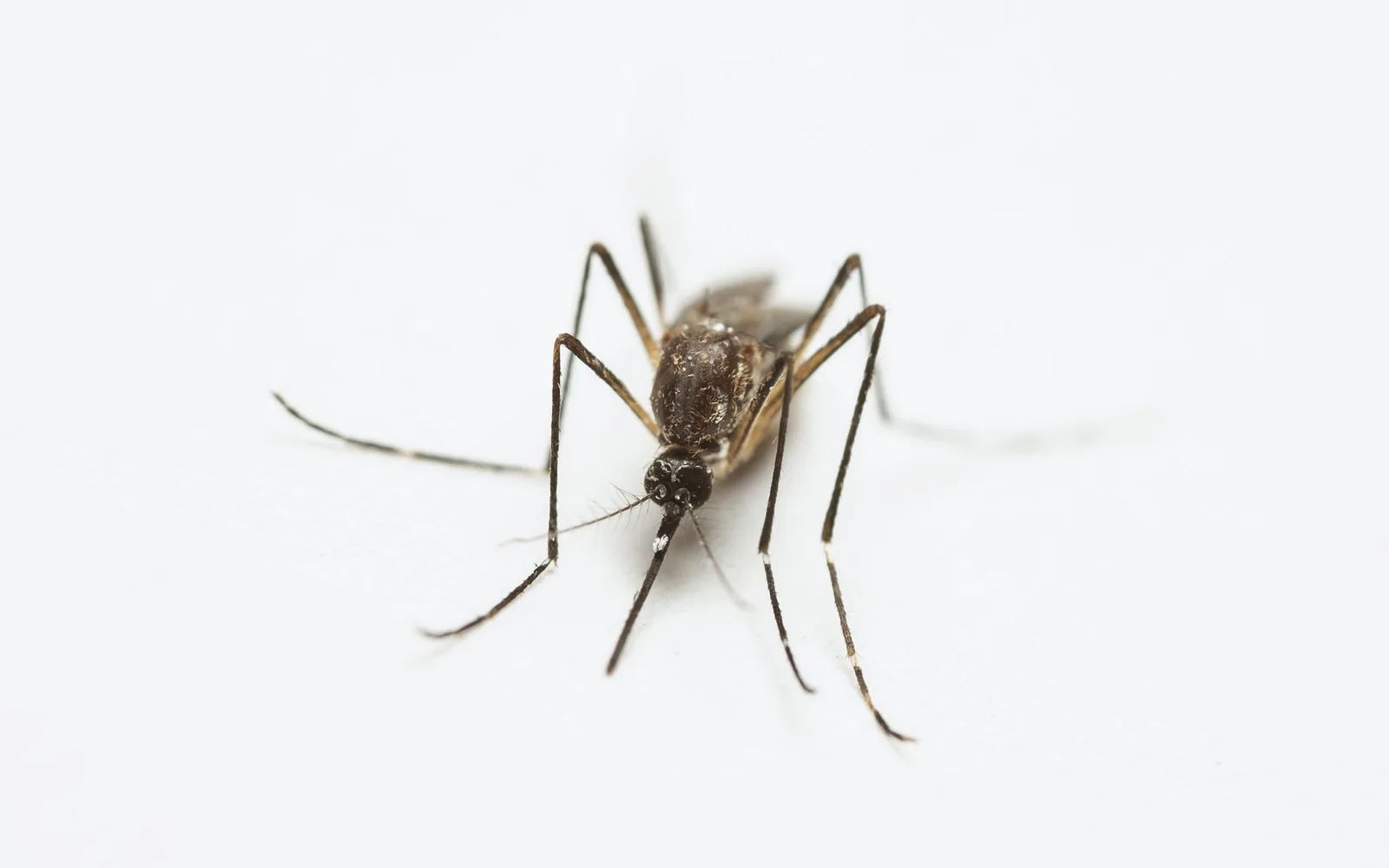
Mosquito control in Bayah Makkah
Bayah is a newly laid out scheme at the far east, with residential plots for sale and very little building yet, all spread round the bed of Wadi Al Sharai. The broad open ground, exposed excavations and wadi channels supply seasonal water and persistent pools. This mix of vacant land and active construction is entirely different from completed districts.
-
Targeted, not broadcast
Product goes into cracks and runways, never sprayed across open surfaces.
-
Told before we start
What we will use, where it goes, and what to cover or move before we arrive.
-
A follow-up visit
We return after the first treatment, because what survives it does not show on the day.
-
Homes and businesses
Apartments and villas, and kitchens and stores that need a record of each visit.
Why they keep coming back in Bayah
Excavations and trenches collect rainfall and dampness, and even in dry spells the pit bottoms remain damp with moisture. The method is set out in full on Mosquito control in detail.
Vast vacant land and open building excavations
Broad ground round Wadi Al Sharai is scattered with open pits from active construction. These excavations trap storm water and leave small pools and damp floors lasting weeks after rain.
Wadi Al Sharai and seasonal flood water
Wadi Al Sharai carries strong floods after rain and water remains in its channel and side branches. This water creates many pools round the residential plots and leaves persistent moisture.
Small farms and manual watering on wadi banks
Small farms on the wadi banks are watered from springs or wells, with water flowing and pooling. Ground round the farms stays damp and water spreads in every direction leaving small channels and ponds.
Bayah on the map
Bayah sits about 3.5 km from Hatim and about 4.5 km from Mughammas.
Open in Google MapsStanding water and shade decide the method
Vast open ground with a wadi running through it, exposed building excavations, and seasonal water leaving pools and dampness for weeks afterward.
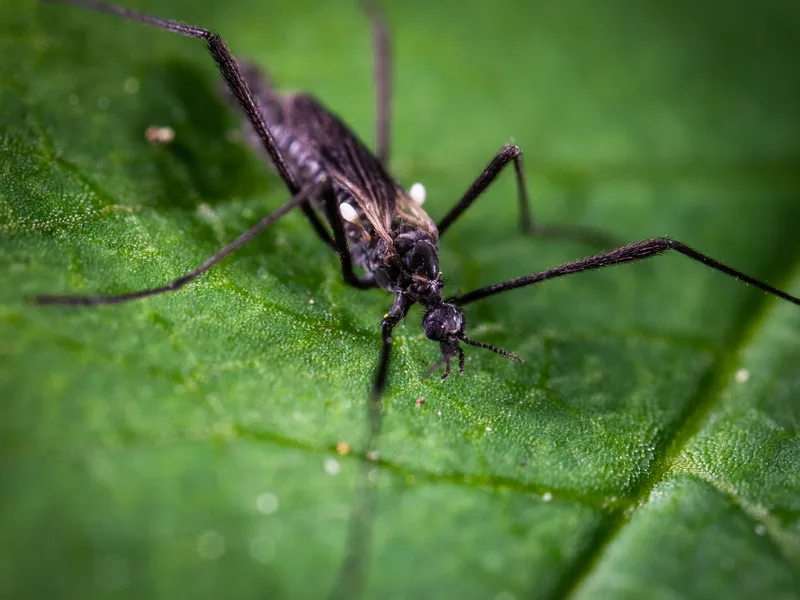
The daytime biter
Daytime active mosquitoes shelter in damp gaps, dark excavations and small depressions scattered across the open ground.
The one that comes out after sunset
Night-active mosquitoes emerge from the wadi, excavations and damp ground after sunset seeking any settlement.
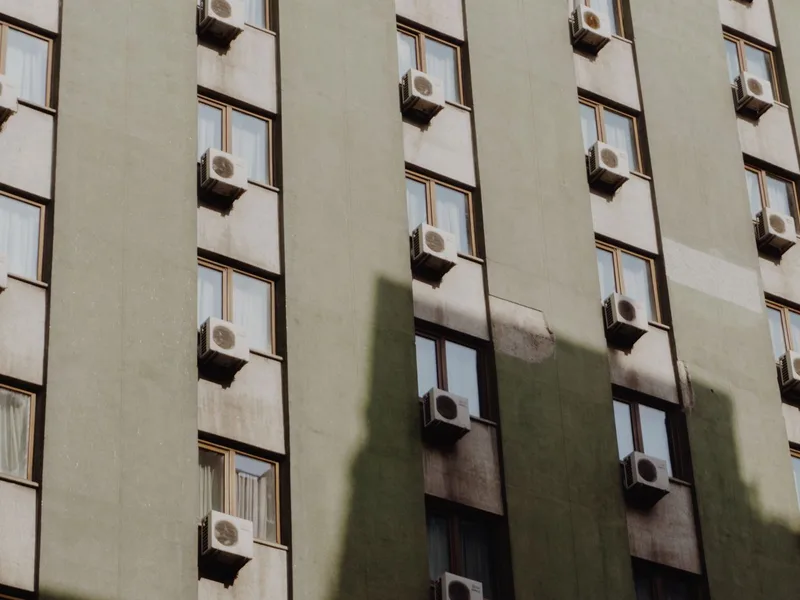
Air-conditioning condensate
Air conditioner water from the new villa drips onto the surrounding ground and increases soil moisture.
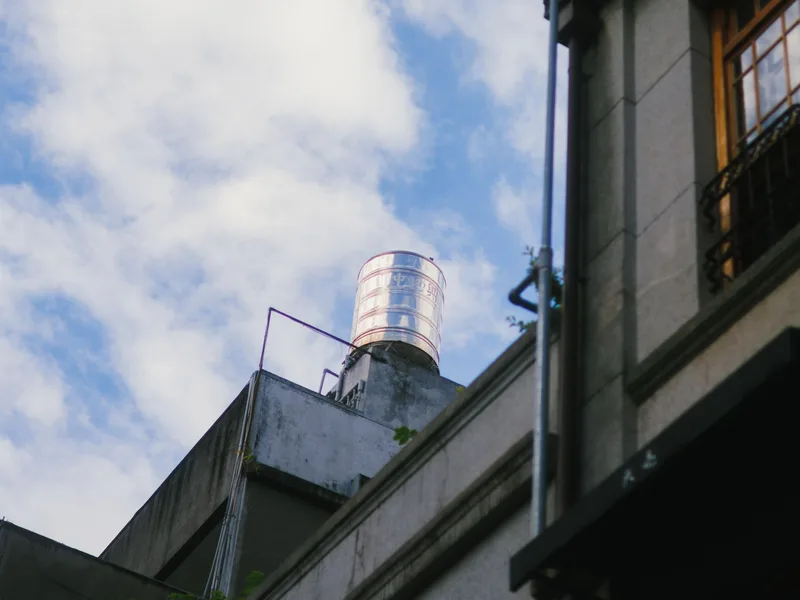
The tank and its openings
Water tanks on the villa can be sources if not sealed well, and rising pipes leak into already damp ground.

Garden containers and irrigation
Small farms on the wadi supply running water that dampens ground round the residential plots and rural farms.
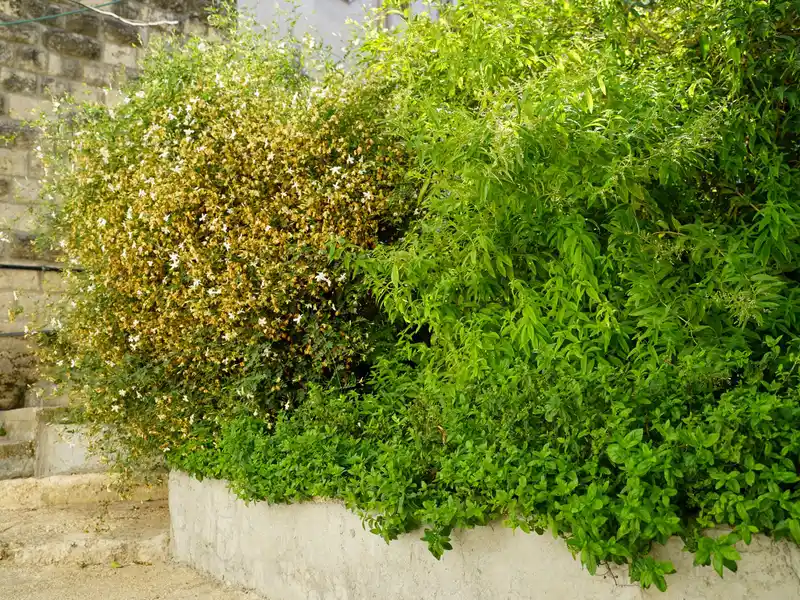
The shade it rests in
Damp gaps round excavations and partly dry wadi beds provide shade and moisture for resting adult mosquitoes.
How we work
-
1
Inspect and map the water
We walk the perimeter, the roof, the garden, the meter chambers and the condensate runs, record everything that holds water, and read the species from the breeding site and the time of biting.
-
2
Remove the water that can go
Empty, invert, cover: saucers, containers, old tyres and roof gullies. Every point that disappears is a treatment that never needs repeating.
-
3
Larval treatment, then the resting surfaces
Water that cannot be drained is treated so the larva never completes, then a residual goes under planting, beneath outdoor furniture and along low shaded walls.
-
4
The follow-up visit
We come back once the generation that was in the water on the first visit has completed, review every point we recorded and re-treat where needed.
What mosquito control includes
-

A recorded water survey
Roof, perimeter, garden, meter chambers and condensate lines, written down before anything is applied.
-

Draining and covering the sources
Emptying what can be emptied, draining what can be drained, and covering what has to stay full.
-

Larval treatment for the water that stays
For ground tanks, inspection chambers, water features and any permanent water that has to remain.
-

A residual on the resting places
Under trees and shrubs, beneath outdoor furniture and on shaded walls, where the adult sits out the day.
-

Aftercare instructions
What stays inverted, what gets covered, which openings need mesh, and when watering goes back to normal.
-

A scheduled follow-up
A set date after the first treatment, with every recorded water point reviewed and re-treated if the water came back.
The character of Bayah
New development: ongoing construction and vacant plots between the homes
Active construction and vacant land mean mosquito sources change constantly: new pits open and old ones close, and storm water leaves pools in new places each season. This requires flexible treatment centred on the land immediately round the villa itself rather than relying on drying the vast open spaces.
Questions about this district
Our new villa sits on a new residential plot and excavations surround it. Do they breed mosquitoes?
Open pits trap water easily even when deep, and dampness persists in the bottoms for weeks. Periodic treatment is needed and clearing neighbouring pits before building reduces the problem greatly.
Wadi Al Sharai beside our villa carries water after rain. Is that the main source?
Yes, the wadi is a primary source after rainfall. Floods leave many pools round the residential plots and in side channels. Treating the area round the villa is necessary as the wadi itself is remote.
The vast land round our villa is full of flood water and dampness. Is there a solution?
Draining flood water and keeping the ground as dry as possible reduces mosquitoes. Periodic treatment during damp seasons is essential, especially after rain.
Construction sites beside the villa leave water and mud everywhere. Do we need special treatment?
Yes, active building leaves pits full of moisture and mud. Treatment round the villa is necessary and removing water from neighbouring pits before building helps greatly.
Small farms by the wadi beside us are watered from running springs. Does that increase our mosquitoes?
Running water from farms dampens ground round the villa and damp gaps shelter resting adults. Treating the damp zones round the villa reduces the problem.
Is treating the villa alone enough, or must we treat the neighbouring land?
Villa treatment alone is insufficient as mosquitoes move from neighbouring land and the wadi. Periodic treatment and keeping ground round the villa dry are essential.
How much does mosquito control in Bayah cost?
It is set after the inspection, because the price follows the type of infestation, the size of the space, how far it has spread and the number of visits it needs. Send a photo and a description on WhatsApp and we will give you an estimate before we reach Bayah.
Nearby districts we cover
Other services in Bayah
Other services we provide to residents of Bayah.
-
 Residential
Cockroach control
Residential
Cockroach control
-
 Residential
Bed bug control
Residential
Bed bug control
-
 Residential
Termite control
Residential
Termite control
-
 Residential
Rodents and mice
Residential
Rodents and mice
-
 Residential
Fly control
Residential
Fly control
-
 Residential
Ant control
Residential
Ant control
-
 Residential
Gecko control
Residential
Gecko control
-
 Residential
Scorpion control
Residential
Scorpion control
-
 Residential
Snake control
Residential
Snake control
-
 Residential
Flea control
Residential
Flea control
-
 Residential
Bird and pigeon control
Residential
Bird and pigeon control
-
 Residential
Preventive treatment
Residential
Preventive treatment
-
 Residential
Disinfection
Residential
Disinfection
-
 Commercial
Annual contracts
Commercial
Annual contracts
-
 Commercial
Restaurants and cafes
Commercial
Restaurants and cafes
-
 Commercial
Hotels and apartments
Commercial
Hotels and apartments
-
 Commercial
Warehouses and factories
Commercial
Warehouses and factories
-
 Commercial
Schools and nurseries
Commercial
Schools and nurseries
-
 Commercial
Retail and malls
Commercial
Retail and malls
-
 Commercial
Rest houses and farms
Commercial
Rest houses and farms
-
 Commercial
Fumigation
Commercial
Fumigation
-
 Water tanks
Water tank cleaning
Water tanks
Water tank cleaning
-
 Water tanks
Water tank sterilization
Water tanks
Water tank sterilization
-
 Water tanks
Water tank sealing
Water tanks
Water tank sealing
-
 Water tanks
Tank leak repair
Water tanks
Tank leak repair
Need mosquito control in Bayah? Tell us what you saw and we will tell you what it needs
We reach Bayah at a time we agree, and you get the full cost before we start.