

Preventive treatment in Al Adl Makkah
Al Adl extends eastward along King Faisal Road and the Fourth Ring Road, its apartment blocks and pilgrim housing surrounded by government offices, bookstores and hotels. Ongoing construction on adjacent plots and recent orderly planning overlay older converted buildings. Preventive treatment must manage mixed housing types, constant pressure from excavated ground and adjacent busy markets where insects breed readily in soil and standing water.
-
Targeted, not broadcast
Product goes into cracks and runways, never sprayed across open surfaces.
-
Told before we start
What we will use, where it goes, and what to cover or move before we arrive.
-
A follow-up visit
We return after the first treatment, because what survives it does not show on the day.
-
Homes and businesses
Apartments and villas, and kitchens and stores that need a record of each visit.
Why they keep coming back in Al Adl
The urban fabric mixes purposefully planned pilgrim housing with older residential blocks and open ground actively being built upon, allowing insects easy passage from bare earth into occupied buildings. The method is set out in full on Preventive treatment in detail.
Excavated sites and vacant land pressing against occupied buildings
Open ground, exposed soil and construction sites beside the residential blocks create ideal breeding conditions for insects. Bare earth and standing water in excavations attract diverse species, and the pressure reaches the adjoining buildings directly through floor-level gaps and service penetrations.
Mixing of residential, government and hotel uses
Buildings with different uses clustered together create distinct challenges. Restaurants and canteens in government offices supply abundant food, hotels turn over guests constantly bringing new insect species, and residential tenants expect stable protection. The gaps between different use zones may escape regular cleaning entirely.
Jabal Al Nour and ancient flood paths descending into the quarter
Jabal Al Nour to the north carries old wadi lines that flow towards the district. After rainfall, flood water carries insects and leaves silt and lasting moisture. These ancient water channels become insect highways delivering concentrated pressure to building foundations and sub-ground spaces.
The character of Al Adl
Apartment district: residential blocks, repeated floors and shared entrances
Apartment blocks surrounded by excavated ground mean pressure comes from multiple directions, not just the street. Insects enter not only from the road but directly from exposed soil and adjacent construction activity. Treatment must focus on ground level boundaries and sub-slab voids more intensively than standard apartment districts.
What a preventive visit reads
A recently planned district but bounded by ageing tightly packed buildings and vacant plots under development, with Jabal Al Nour to the north and the holy sites to the east creating natural containment on two sides.
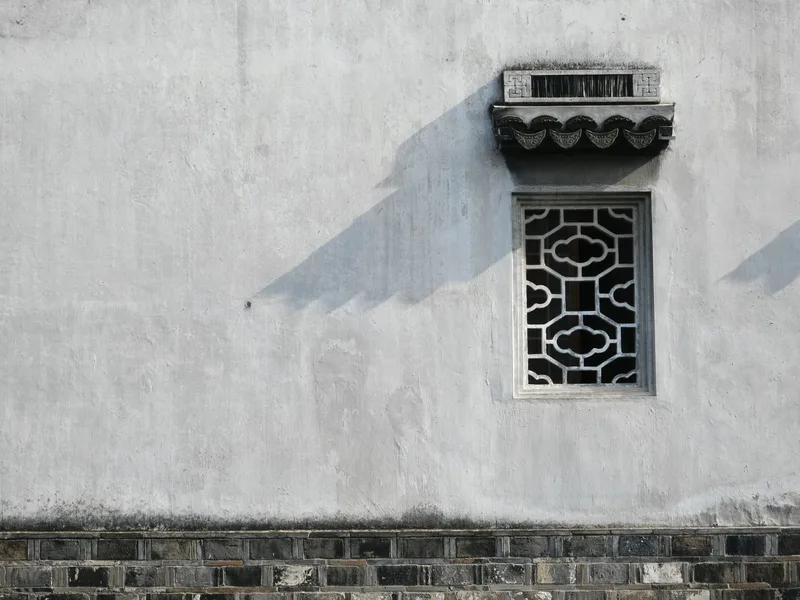
The base of the outside wall
The wall base along boundaries facing excavated ground requires strong residual coverage because pressure from bare soil and open digging is constant throughout the year and never fully subsides.
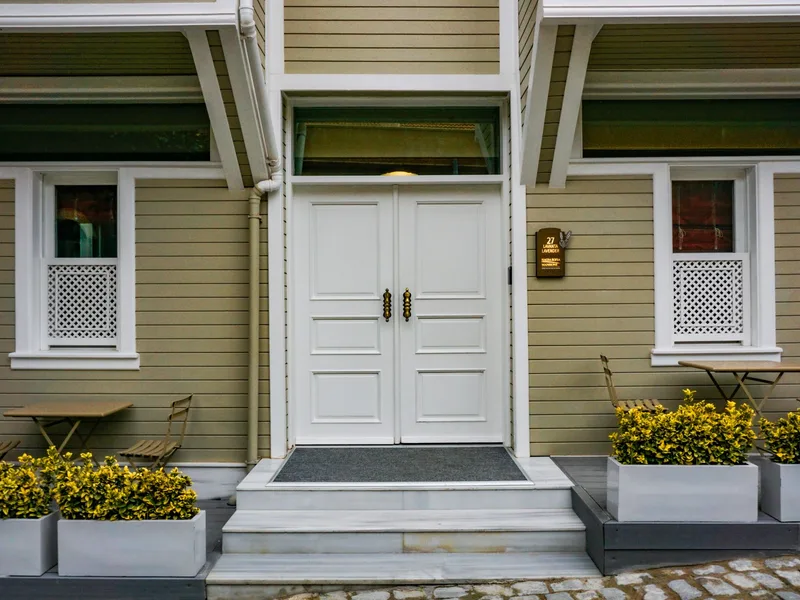
Gaps and openings
Gaps and openings between different building types need continuous sealing because insects migrate readily between residential, commercial and government uses where they can find food and shelter.
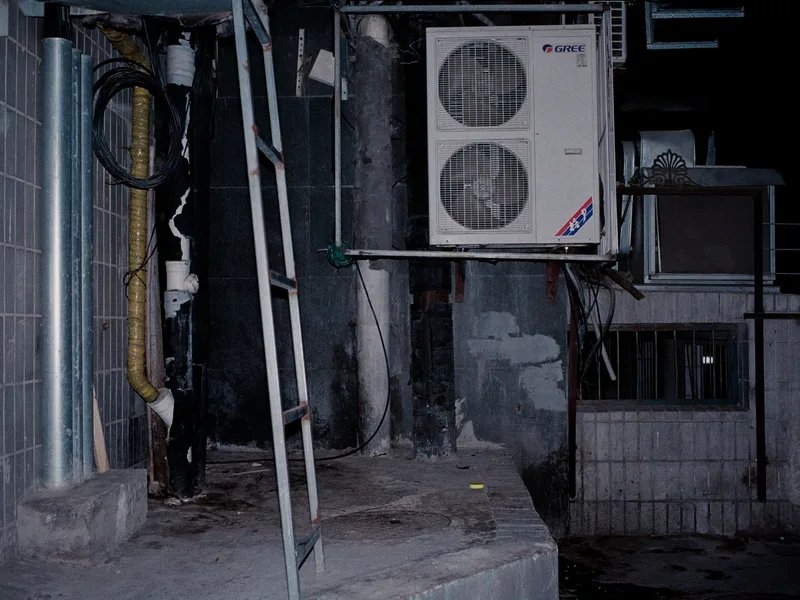
Air conditioning condensate
Air conditioning drainage and water shed from roofs collect around building bases especially after rainfall, with monitoring points reading all damp zones where insects shelter after water recedes.
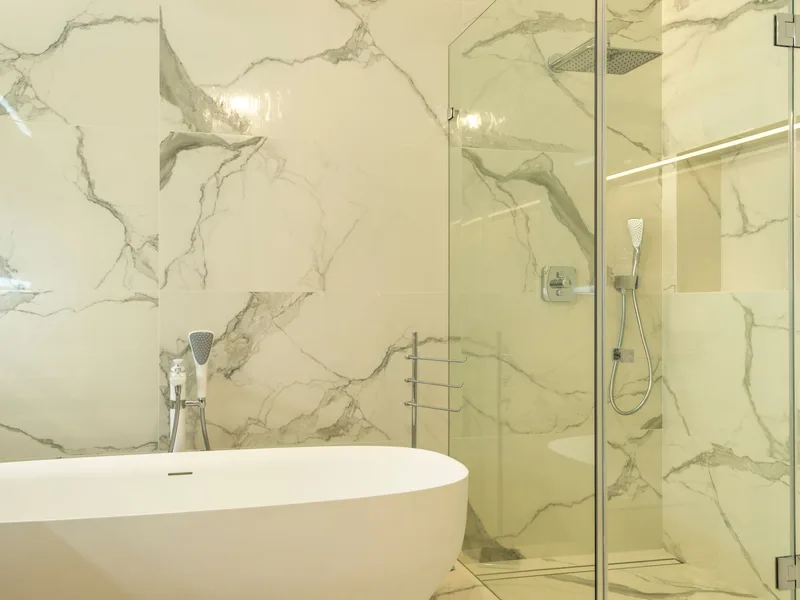
Floor drains
Floor drains may receive sediment from adjacent construction zones, requiring regular maintenance and monitoring as part of the preventive schedule.
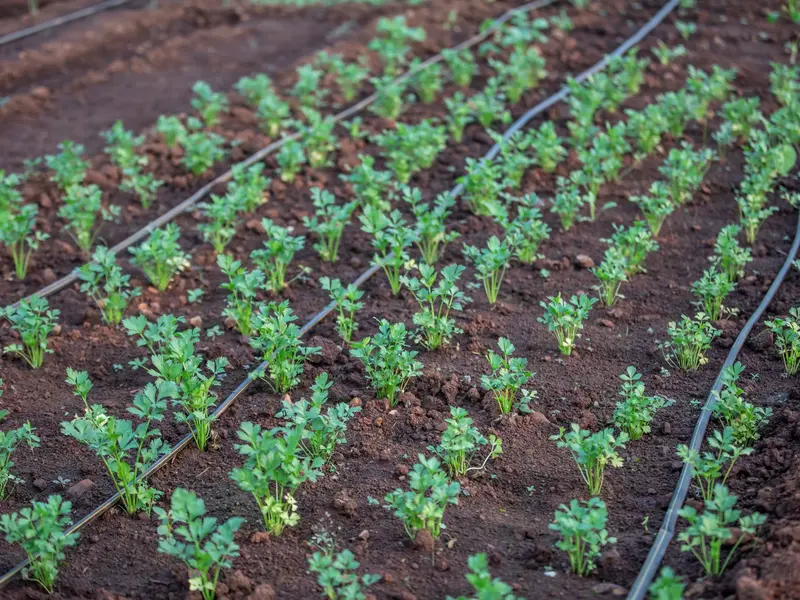
Irrigation against the wall
Irrigation around some building perimeters and hotel grounds keeps soil permanently damp, attracting insects that concentrate in these zones before entering structures.
The monitoring points
Monitoring points are positioned along boundaries facing open excavations, around all drainage outlets and in damp ground areas where insects congregate before moving into occupied spaces.
How we work
-
1
The baseline survey
We walk the outside boundary and then the inside: gaps under doors, pipe runs, vents, condensate lines, drains, the bin area and the store, and we fix the monitoring points before anything is applied.
-
2
Close the routes
Mesh on the vents, the gap under the door dealt with, the sleeve around a pipe run closed, and water put back into the drain nobody uses. Exclusion saves a spray that would otherwise repeat forever.
-
3
The band and the placed product
A residual band at the base of the wall outside and around door and window openings, with placed product inside joints and closed voids where it is warranted, and no open spray across living surfaces.
-
4
The scheduled visit: read, renew, record
We read the points to see which side is under pressure, renew the band where sun or irrigation has taken it, aim the visit at what the coming season opens up, and write down what was found and what was used.
What the preventive programme includes
-

A survey, then a check every visit
Entry points, moisture sources and storage, recorded before anything is applied and revisited each time.
-

Monitoring points that get read
At the wall and floor junction, under sinks and in the store, checked on every visit rather than only the last one.
-

A renewed exterior band
At the wall base and around the openings, put back wherever sun or irrigation took it between visits.
-

Drains, water lines and waste
The water seal in the drains, the condensate line and the ground around the bins, which are the standing water and food sources.
-

Between the visits
What to keep dry, what to keep closed, and what is worth a call before the next date. Ventilation we tell you before the visit.
-

A scheduled visit and a record of each
An agreed date, what the points held, what was treated, and what changed since last time.
What is different about Al Maabdah Sub-Municipality
Al Maabdah sub municipality climbs from Al Abtah and Al Jumayzah beside the Al Mualla cemetery up through Al Khansa and Rai Adhakhir to Al Adl, Jabal Al Nour, Wadi Jaleel and Qurtubah on the outer ring roads. It mixes hotels and pilgrim housing near the Grand Mosque with old popular houses on hillside passes, new housing schemes on valley floors that carry flash floods after rain, and industrial plots, workshops and warehouses along Al Hajj Street in Qurtubah. Street widening and expropriation leave partly demolished frontages in Al Khansa.
Questions about this district
Are the excavated sites and construction zones a direct source of insects here?
Yes, bare ground, exposed soil and standing water in open excavations provide ideal breeding habitat for insects. Pressure from these sites is high and insects crawl directly into adjoining buildings through floor-level gaps and foundation penetrations.
How does the preventive programme adapt to mixed building use?
Residential blocks, hotels and government buildings each experience different pressure patterns. Restaurants and canteens supply abundant food waste, hotels see constant guest turnover bringing new species, whilst residential areas need stable baseline protection. Treatment adjusts according to building purpose.
Do ancient wadi lines increase insect pressure in this quarter?
Yes, old flood paths from Jabal Al Nour act as natural insect corridors into the district. After rainfall, floodwater delivers insects and creates lasting moisture in soil and sub-ground spaces that lasts for weeks.
Do hotels and pilgrim housing add seasonal pressure in the Hajj season?
Yes, seasonal guests arrive with baggage carrying unfamiliar insects. Pilgrim housing fills rapidly during the Hajj season and creates very high pressure on the preventive programme that requires closer visit intervals.
Are monitoring points positioned on the boundary with open ground?
Yes, monitoring points line the borders facing excavated sites so that we track insect movement coming from construction zones into the occupied buildings.
How frequently do visits occur during Hajj season versus other months?
Hajj season significantly elevates pressure so visits cluster closer together and focus intensively. Outside season visits stretch out according to monitoring point readings of activity levels.
How much does preventive treatment in Al Adl cost?
It is set after the inspection, because the price follows the type of infestation, the size of the space, how far it has spread and the number of visits it needs. Send a photo and a description on WhatsApp and we will give you an estimate before we reach Al Adl.
Nearby districts we cover
Other services in Al Adl
Other services we provide to residents of Al Adl.
-
 Residential
Cockroach control
Residential
Cockroach control
-
 Residential
Bed bug control
Residential
Bed bug control
-
 Residential
Termite control
Residential
Termite control
-
 Residential
Rodents and mice
Residential
Rodents and mice
-
 Residential
Mosquito control
Residential
Mosquito control
-
 Residential
Fly control
Residential
Fly control
-
 Residential
Ant control
Residential
Ant control
-
 Residential
Gecko control
Residential
Gecko control
-
 Residential
Scorpion control
Residential
Scorpion control
-
 Residential
Snake control
Residential
Snake control
-
 Residential
Flea control
Residential
Flea control
-
 Residential
Bird and pigeon control
Residential
Bird and pigeon control
-
 Residential
Disinfection
Residential
Disinfection
-
 Commercial
Annual contracts
Commercial
Annual contracts
-
 Commercial
Restaurants and cafes
Commercial
Restaurants and cafes
-
 Commercial
Hotels and apartments
Commercial
Hotels and apartments
-
 Commercial
Warehouses and factories
Commercial
Warehouses and factories
-
 Commercial
Schools and nurseries
Commercial
Schools and nurseries
-
 Commercial
Retail and malls
Commercial
Retail and malls
-
 Commercial
Rest houses and farms
Commercial
Rest houses and farms
-
 Commercial
Fumigation
Commercial
Fumigation
-
 Water tanks
Water tank cleaning
Water tanks
Water tank cleaning
-
 Water tanks
Water tank sterilization
Water tanks
Water tank sterilization
-
 Water tanks
Water tank sealing
Water tanks
Water tank sealing
-
 Water tanks
Tank leak repair
Water tanks
Tank leak repair
Need preventive treatment in Al Adl? Tell us what you saw and we will tell you what it needs
We reach Al Adl at a time we agree, and you get the full cost before we start.