
Preventive treatment in Al Furusiyah Jeddah
Al Furusiyah is a new district in north east Jeddah around the equestrian club and Asfan Road. New villas and apartment blocks sit among wide empty plots and scattered construction work, which stirs rodents from open ground toward occupied homes on a rising curve.
-
Targeted, not broadcast
Product goes into cracks and runways, never sprayed across open surfaces.
-
Told before we start
What we will use, where it goes, and what to cover or move before we arrive.
-
A follow-up visit
We return after the first treatment, because what survives it does not show on the day.
-
Homes and businesses
Apartments and villas, and kitchens and stores that need a record of each visit.
Why they keep coming back in Al Furusiyah
Gaps between new houses are wide and building is scattered. Crawling insects move freely between open sites and occupied homes, crossing boundaries that lack established barriers. The method is set out in full on Preventive treatment in detail.
Vacant plots release rodents as building spreads
Digging and construction work stirs rodents out of empty land toward the nearest occupied houses. Open plots provide shelter and seasonal moisture, and rodents search for new homes when land fills with building. The preventive band must extend to the boundary even when neighbours have not yet built.
Wide spacing between villas aids insect travel
A new district means big gaps between homes, and distance between gate and neighbour. Crawling insects move freely between plots, and the external residual band must run the full perimeter of each property, often with gaps to cross before the next site begins to fill.
Dust and dryness mean cracks where insects slip through
Dry, dusty land provides hard, cracked foundations that prevent complete sealing. New building leaves gaps around footings and floors. Insects slip through these small spaces, so the monitoring points read pressure that older, more settled neighbourhoods do not face.
Landmarks of Al Furusiyah
Al Furusiyah is defined by the Equestrian Club to the east and Asfan Road to the north. Preventive visits reach the district on Al Furusiyah Street which runs through from the west and connects it to main roads.
- Al Furusiyah Equestrian Club
- Asfan Road
- Al Furusiyah Street
- Saeed bin Amer Mosque
- Al Rayyan Mosque
- Al Nasr Private Schools
What a preventive visit reads
The land is dry and dusty, far inland from the sea. Rest houses, camps and stables at the district's edges draw flies and crawling insects in significant numbers.
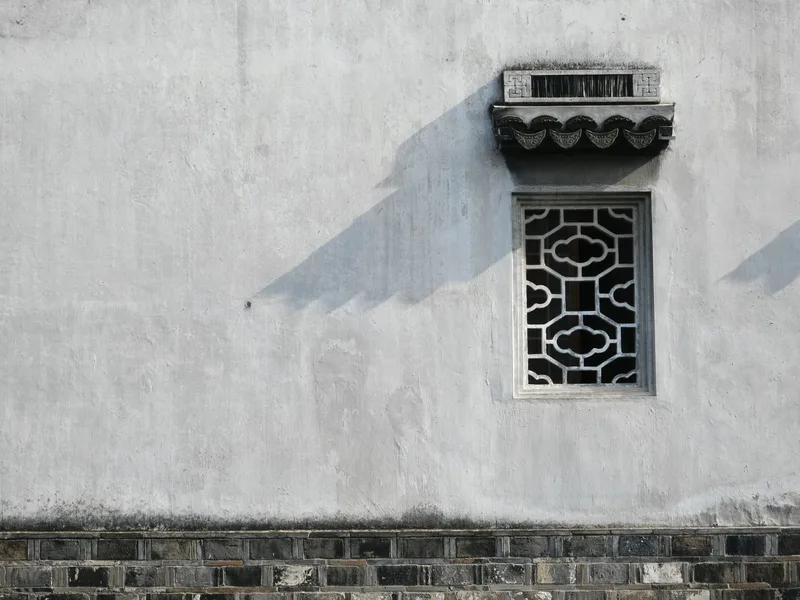
The base of the outside wall
The wall base in Al Furusiyah sits on dry land with new foundations that carry cracks. The residual band needs greater depth to bridge the gaps around a settling footing.
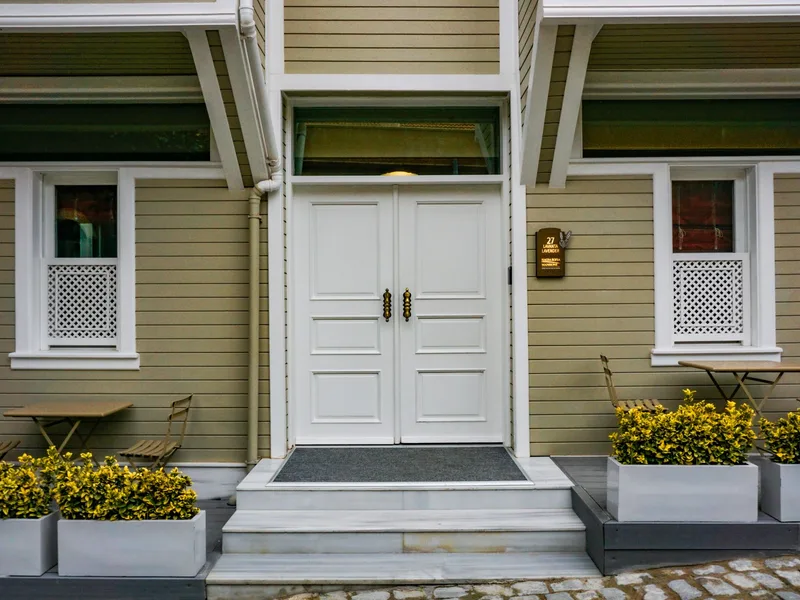
Gaps and openings
Gaps around pipes and cables in new building are larger, and construction workers rarely seal them carefully. Close inspection and extra sealing are needed before the programme runs.
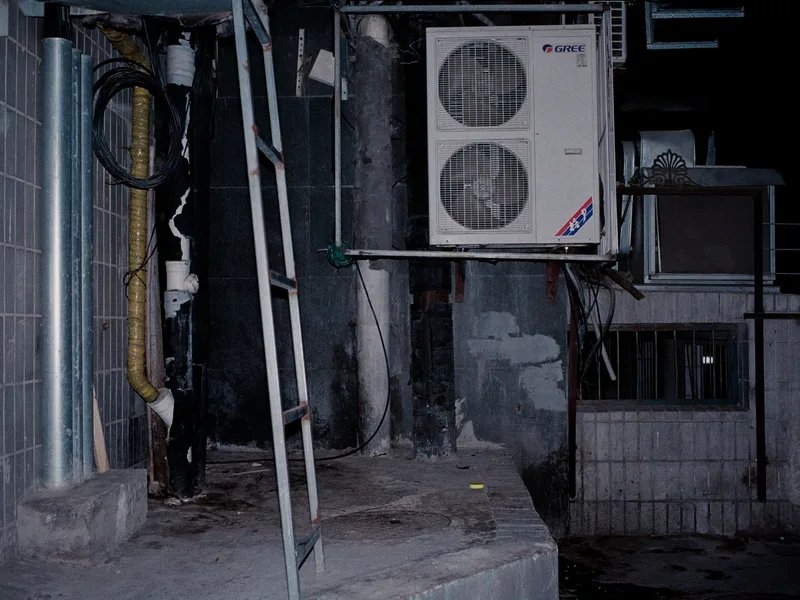
Air conditioning condensate
Condensate drainage in new villas often has not yet reached main drainage. Water pools around the base in summer, drawing insects closer to the band and the wall.
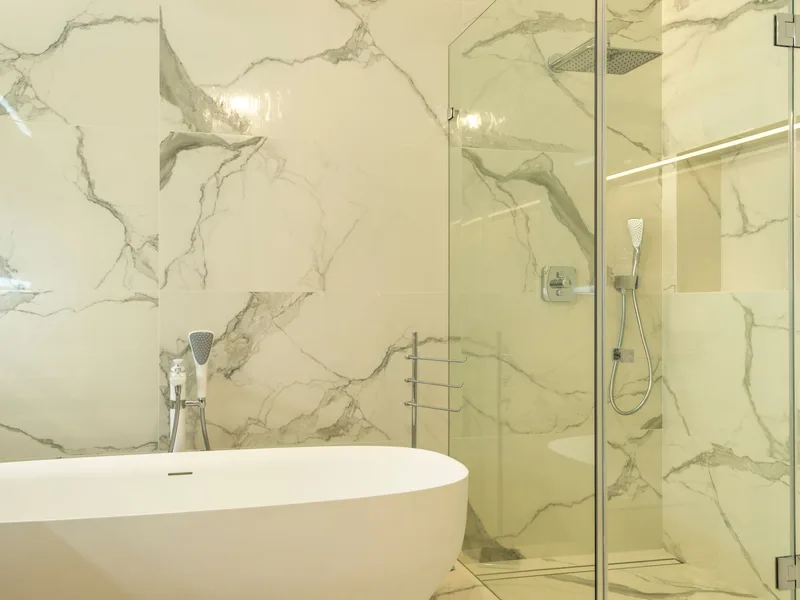
Floor drains
Drains in new homes may not yet connect to main sewers. Water sits below floor level. Bathroom floors may sit high above central drainage, leaving low points where insects congregate.
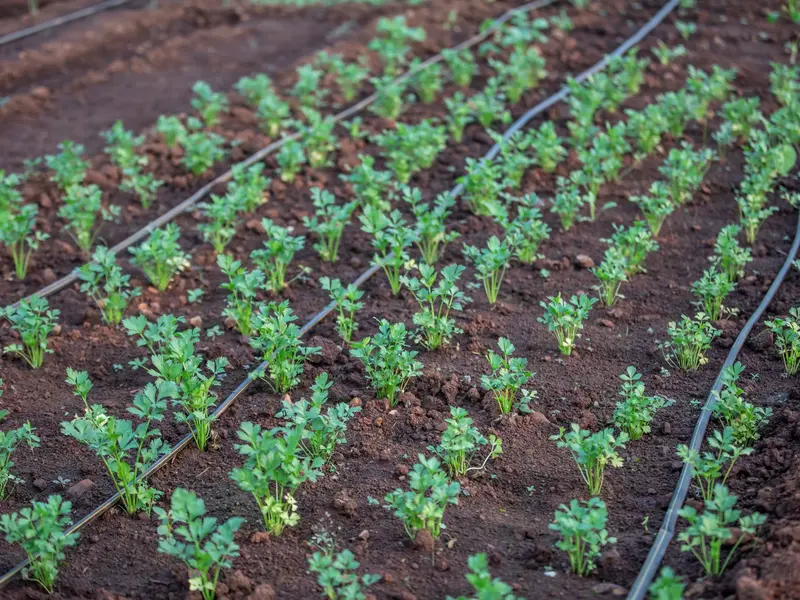
Irrigation against the wall
Irrigation against the wall is minimal in Al Furusiyah now, but new fencing may use drip irrigation later. Water seepage toward the wall needs monitoring as landscaping matures.
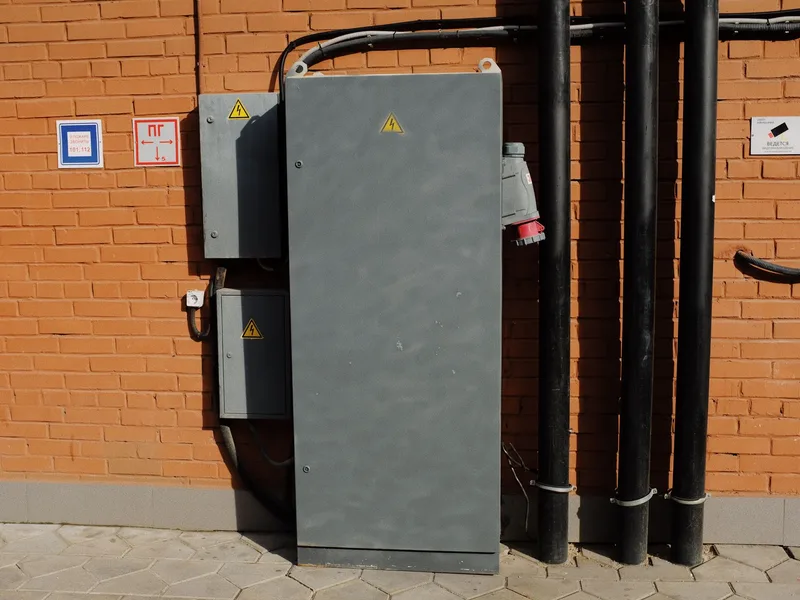
The monitoring points
Monitoring points in new building sit at floor level in room corners and behind the kitchen. They are read at every visit to track insect pressure and rodent movement into the district.
How we work
-
1
The baseline survey
We walk the outside boundary and then the inside: gaps under doors, pipe runs, vents, condensate lines, drains, the bin area and the store, and we fix the monitoring points before anything is applied.
-
2
Close the routes
Mesh on the vents, the gap under the door dealt with, the sleeve around a pipe run closed, and water put back into the drain nobody uses. Exclusion saves a spray that would otherwise repeat forever.
-
3
The band and the placed product
A residual band at the base of the wall outside and around door and window openings, with placed product inside joints and closed voids where it is warranted, and no open spray across living surfaces.
-
4
The scheduled visit: read, renew, record
We read the points to see which side is under pressure, renew the band where sun or irrigation has taken it, aim the visit at what the coming season opens up, and write down what was found and what was used.
What the preventive programme includes
-

A survey, then a check every visit
Entry points, moisture sources and storage, recorded before anything is applied and revisited each time.
-

Monitoring points that get read
At the wall and floor junction, under sinks and in the store, checked on every visit rather than only the last one.
-

A renewed exterior band
At the wall base and around the openings, put back wherever sun or irrigation took it between visits.
-

Drains, water lines and waste
The water seal in the drains, the condensate line and the ground around the bins, which are the standing water and food sources.
-

Between the visits
What to keep dry, what to keep closed, and what is worth a call before the next date. Ventilation we tell you before the visit.
-

A scheduled visit and a record of each
An agreed date, what the points held, what was treated, and what changed since last time.
What is different about Taybah Sub-Municipality
Taybah sub municipality covers the newly built districts of north east Jeddah along Al Haramain Road and Asfan Road. New villas and apartment buildings stand among vacant plots, building sites and half finished subdivisions. Al Hamdaniyah is the oldest and densest part with its markets and shops, while Al Furusiyah, Al Bashair, Al Rahmaniyah, Al Falah and Al Salihiyah are mostly recent. The ground is inland and away from the sea, dry and dusty, rest houses, camps and stables on the fringes draw flies and crawling insects, and constant digging and construction stirs rodents out of the empty plots.
Questions about this district
Are new villas under higher insect pressure than older homes?
Yes. New building leaves gaps around footings and floors, and open plots bring rodents and crawling insects close. Older villas usually resist better because their footings have settled and sealed.
Does active construction in the district attract specific pests?
Digging and construction disturb rodents from vacant land and move them toward houses. Flies increase around building sites because machinery breaks up soil and exposes moisture.
Do apartment blocks in Al Furusiyah need more monitoring points than villas?
Blocks and villas need the same count, but placement differs. A flat needs a point at the shared entrance and one behind the kitchen. A villa needs one at the gate and one behind the kitchen.
When does construction finish and insect pressure stabilise in new districts?
Stability takes years after main building ends. Empty plots remain rodent and insect sources as long as they stay vacant. Preventive programmes often tighten after the district fills out.
Should the external band be applied deeper in new build to reach cracks?
Yes. New footings have more cracks and voids than settled foundations. The band needs extra depth or a second application into the larger gaps.
Do camps and stables on Al Furusiyah's edges create an insect problem in the district itself?
Camps and stables draw flies and crawling insects. Wind carries odours toward the houses. Pest pressure is higher at the district edges than in the centre.
How much does preventive treatment in Al Furusiyah cost?
It is set after the inspection, because the price follows the type of infestation, the size of the space, how far it has spread and the number of visits it needs. Send a photo and a description on WhatsApp and we will give you an estimate before we reach Al Furusiyah.
Nearby districts we cover
Other services in Al Furusiyah
Other services we provide to residents of Al Furusiyah.
-
 Residential
Cockroach control
Residential
Cockroach control
-
 Residential
Bed bug control
Residential
Bed bug control
-
 Residential
Termite control
Residential
Termite control
-
 Residential
Rodents and mice
Residential
Rodents and mice
-
 Residential
Mosquito control
Residential
Mosquito control
-
 Residential
Fly control
Residential
Fly control
-
 Residential
Ant control
Residential
Ant control
-
 Residential
Gecko control
Residential
Gecko control
-
 Residential
Scorpion control
Residential
Scorpion control
-
 Residential
Snake control
Residential
Snake control
-
 Residential
Flea control
Residential
Flea control
-
 Residential
Bird and pigeon control
Residential
Bird and pigeon control
-
 Residential
Disinfection
Residential
Disinfection
-
 Commercial
Annual contracts
Commercial
Annual contracts
-
 Commercial
Restaurants and cafes
Commercial
Restaurants and cafes
-
 Commercial
Hotels and apartments
Commercial
Hotels and apartments
-
 Commercial
Warehouses and factories
Commercial
Warehouses and factories
-
 Commercial
Schools and nurseries
Commercial
Schools and nurseries
-
 Commercial
Retail and malls
Commercial
Retail and malls
-
 Commercial
Rest houses and farms
Commercial
Rest houses and farms
-
 Commercial
Fumigation
Commercial
Fumigation
-
 Water tanks
Water tank cleaning
Water tanks
Water tank cleaning
-
 Water tanks
Water tank sterilization
Water tanks
Water tank sterilization
-
 Water tanks
Water tank sealing
Water tanks
Water tank sealing
-
 Water tanks
Tank leak repair
Water tanks
Tank leak repair
Need preventive treatment in Al Furusiyah? Tell us what you saw and we will tell you what it needs
We reach Al Furusiyah at a time we agree, and you get the full cost before we start.