
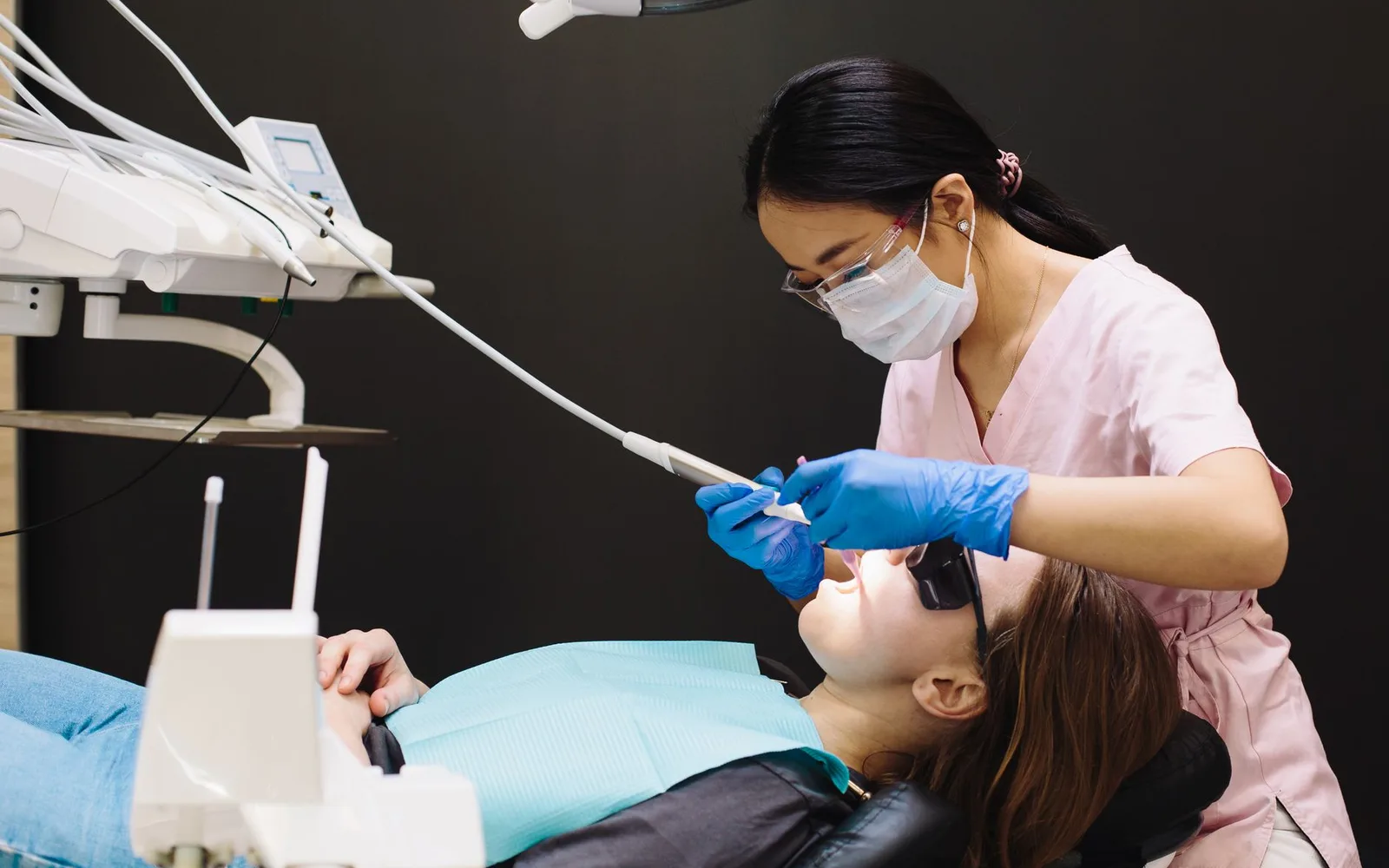
Preventive treatment in Al Haram Makkah
Al Haram is the commercial district that rings the Grand Mosque in Makkah, holding massive hotel towers, plazas, offices and showrooms active all year. The constant flow of pilgrims and Umrah visitors, dense restaurants and shops create an environment rich in food and moisture, so preventive treatment here protects commercial buildings from cockroaches and ants brought by the crowds.
-
Targeted, not broadcast
Product goes into cracks and runways, never sprayed across open surfaces.
-
Told before we start
What we will use, where it goes, and what to cover or move before we arrive.
-
A follow-up visit
We return after the first treatment, because what survives it does not show on the day.
-
Homes and businesses
Apartments and villas, and kitchens and stores that need a record of each visit.
Why they keep coming back in Al Haram
Showrooms and offices in hotel towers welcome clients from everywhere who may carry insects, and restaurants and shops produce daily waste that draws insects from walls and foundations. The method is set out in full on our Preventive treatment service.
A dense commercial zone around the Haram with insects arriving in visitor traffic
Showrooms, offices and shops all receive guests and Umrah visitors who may carry insects or eggs. Preventive treatment focuses on reception areas, main entrances, shared corridors and gaps between commercial buildings.
Redevelopment schemes creating excavated ground and open construction sites
The Rua Al Haram scheme and the northern expansion left excavated ground and open land that shelter rodents and insects. These sites sit next to commercial buildings. We focus on the outside barrier and gaps around building bases near the exposed ground.
Crowded markets and restaurants on the main roads around the Haram
Al Masjid Al Haram Road and Umm Al Qura Road carry crowded markets and eateries that work at high density in Hajj and Umrah season. Waste, grease and moisture create ideal conditions. We focus on all contact points between offices, shops, restaurants and streets.
The character of Al Haram
Commercial area: offices, showrooms and small stores
A commercial zone means insect pressure comes from outside sources: visitors, goods, neighbouring shops and construction sites. Spraying focuses on insect entry points from outside and a strong barrier around the building, with intensive monitoring to detect any breach.
What a preventive visit reads
Al Haram sits enclosed by Jabal Abu Qubais and Jabal Qaiqaan to the south and west, with high humidity from the open courtyards and the nearness to the sea west of Makkah, and movement runs continuously all year.
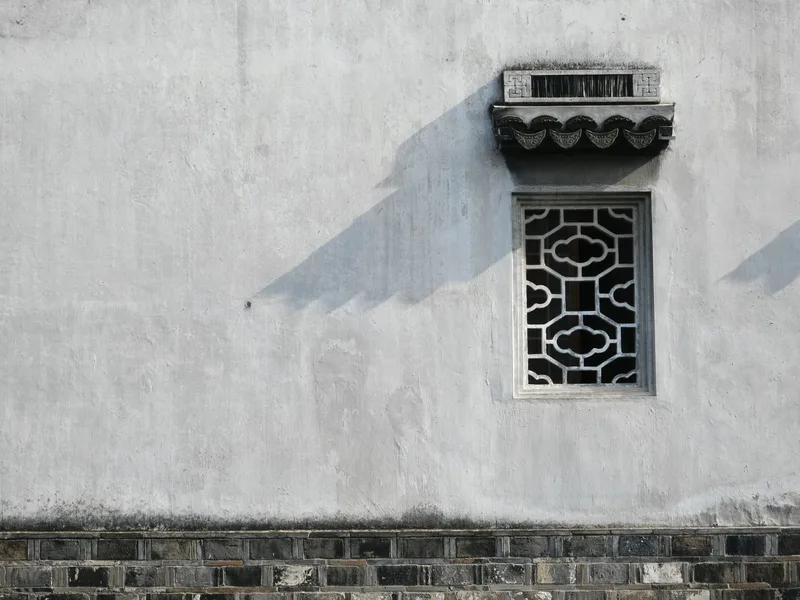
The base of the outside wall
The base of the outside wall in Al Haram faces damp from the courtyards and nearness to construction and excavation, so we lay a strong residual band and apply waterproof sealant on all sides and corners.
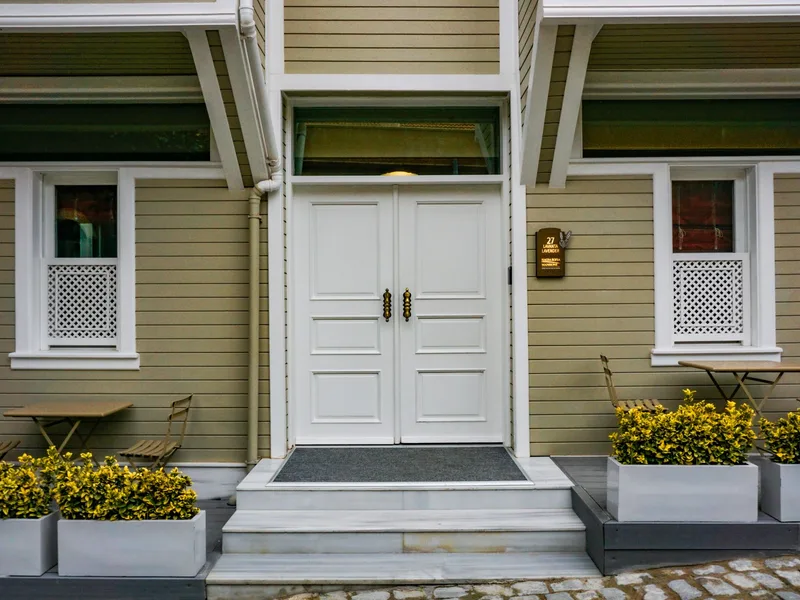
Gaps and openings
Gaps around doors, windows and the main entrance are many from heavy traffic and building movement. We seal every gap carefully and may spray locally.
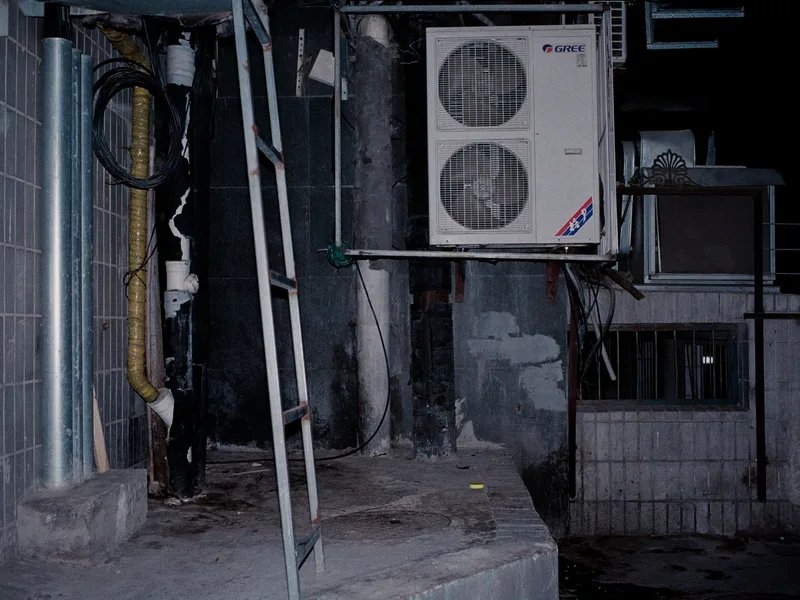
Air conditioning condensate
Air conditioning drains in showrooms, offices and restaurants produce warm water that draws ants and insects, so we monitor these areas and may place a trap beside each drain pan.
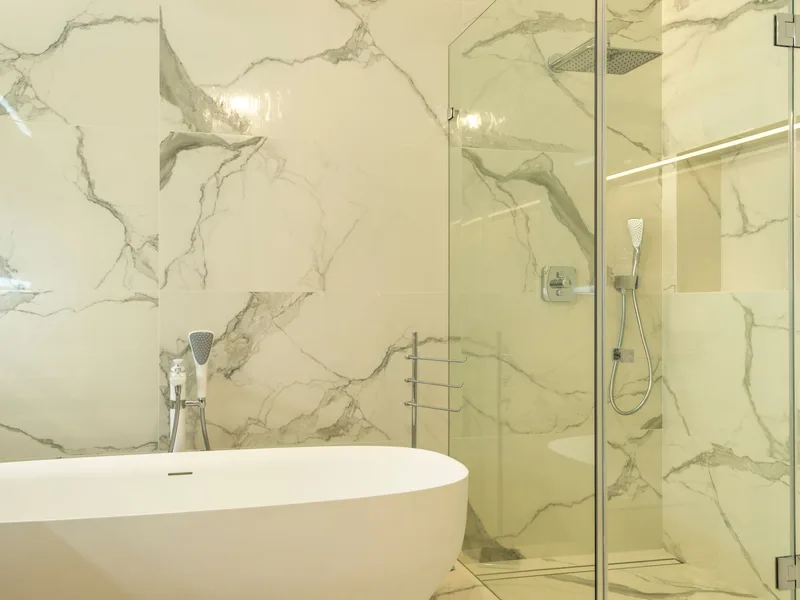
Floor drains
Restaurant and shop floors stay wet from water and grease and shelter cockroaches and ants. We place sticky traps on every floor and in restaurants on a regular schedule.
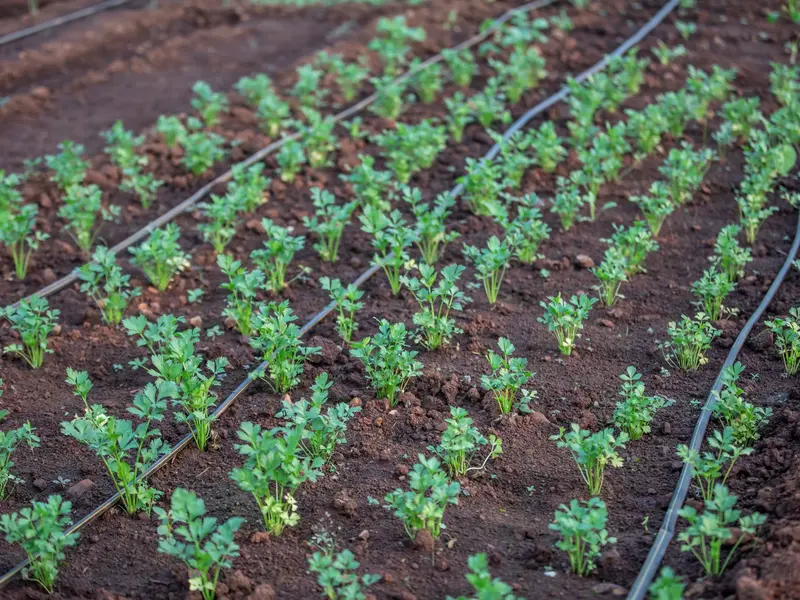
Irrigation against the wall
Gaps and cracks around the excavated ground and construction sites may allow insects and rodents to enter. We concentrate the outside barrier heavily in these areas.
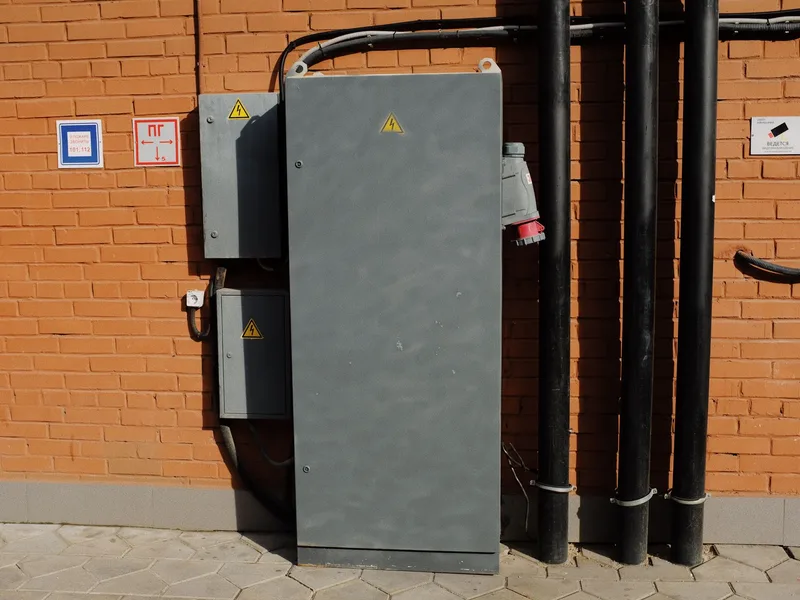
The monitoring points
Monitoring points sit at every entrance, corridor, restaurant, dark corner and damp area, and we read them regularly according to season and traffic.
How we work
-
1
The baseline survey
We walk the outside boundary and then the inside: gaps under doors, pipe runs, vents, condensate lines, drains, the bin area and the store, and we fix the monitoring points before anything is applied.
-
2
Close the routes
Mesh on the vents, the gap under the door dealt with, the sleeve around a pipe run closed, and water put back into the drain nobody uses. Exclusion saves a spray that would otherwise repeat forever.
-
3
The band and the placed product
A residual band at the base of the wall outside and around door and window openings, with placed product inside joints and closed voids where it is warranted, and no open spray across living surfaces.
-
4
The scheduled visit: read, renew, record
We read the points to see which side is under pressure, renew the band where sun or irrigation has taken it, aim the visit at what the coming season opens up, and write down what was found and what was used.
What the preventive programme includes
-

A survey, then a check every visit
Entry points, moisture sources and storage, recorded before anything is applied and revisited each time.
-

Monitoring points that get read
At the wall and floor junction, under sinks and in the store, checked on every visit rather than only the last one.
-

A renewed exterior band
At the wall base and around the openings, put back wherever sun or irrigation took it between visits.
-

Drains, water lines and waste
The water seal in the drains, the condensate line and the ground around the bins, which are the standing water and food sources.
-

Between the visits
What to keep dry, what to keep closed, and what is worth a call before the next date. Ventilation we tell you before the visit.
-

A scheduled visit and a record of each
An agreed date, what the points held, what was treated, and what changed since last time.
What is different about Al Ghazza Sub-Municipality
Al Ghazza sub municipality wraps around the north and west of the Grand Mosque, from Al Shamiyah, Al Qararah and Shaib Amir round to Jarwal and Al Taysir. Large tracts were cleared for the northern expansion and the Rua Al Haram scheme, leaving excavated ground and open construction sites beside ageing blocks that now serve as dense seasonal lodgings in Jarwal and Al Taysir. Old flood paths still fall from Jabal Qaiqaan and Jabal Khandamah towards the mosque, and markets and eateries crowd Al Masjid Al Haram Road and Umm Al Qura Road.
Questions about this district
The showroom hosts Umrah visitors and buyers from many countries. How do we protect it?
We focus on inspecting luggage, clothing and goods at reception. We spray the showroom routinely, especially before Hajj and Umrah season. We place monitoring points at the entrance, corridors and dark corners.
The excavated ground nearby attracts rats and cockroaches. What do we do?
Exposed ground on the development site provides shelter for rodents and insects. We concentrate the outside barrier heavily on the building base on the side facing the dug ground. We recommend sealing any holes or cracks in the foundations.
The next shop seems to have insects. Will they spread to us?
Yes, insects cross easily between close-set shops. We seal all gaps and cracks in the shared wall with caulk. We place a monitoring point on the shared wall to detect any entry attempt.
The office sits high in a tower away from ground. Does it need preventive spraying?
Yes, even upper floors may have insects rising from below through pipes and lift shafts. We spray all floors to the same standard and frequency, focusing on insect entry points from below.
Is the spray safe in showrooms and shops where customers call every day?
We use approved products that are safe in occupied spaces with no strong smell. We spray during closed times or after working hours. We focus on surface application to floors and corners, away from customers and goods.
Does the programme cover the courtyards and outdoor areas around the Haram?
External courtyards may not be under your control. We focus on what you do control: the building, floors, entrance and corridors. The courtyards may need separate treatment with the government authorities.
How much does preventive treatment in Al Haram cost?
It is set after the inspection, because the price follows the type of infestation, the size of the space, how far it has spread and the number of visits it needs. Send a photo and a description on WhatsApp and we will give you an estimate before we reach Al Haram.
Nearby districts we cover
Other services in Al Haram
Other services we provide to residents of Al Haram.
-
 Residential
Cockroach control
Residential
Cockroach control
-
 Residential
Bed bug control
Residential
Bed bug control
-
 Residential
Termite control
Residential
Termite control
-
 Residential
Rodents and mice
Residential
Rodents and mice
-
 Residential
Mosquito control
Residential
Mosquito control
-
 Residential
Fly control
Residential
Fly control
-
 Residential
Ant control
Residential
Ant control
-
 Residential
Gecko control
Residential
Gecko control
-
 Residential
Scorpion control
Residential
Scorpion control
-
 Residential
Snake control
Residential
Snake control
-
 Residential
Flea control
Residential
Flea control
-
 Residential
Bird and pigeon control
Residential
Bird and pigeon control
-
 Residential
Disinfection
Residential
Disinfection
-
 Commercial
Annual contracts
Commercial
Annual contracts
-
 Commercial
Restaurants and cafes
Commercial
Restaurants and cafes
-
 Commercial
Hotels and apartments
Commercial
Hotels and apartments
-
 Commercial
Warehouses and factories
Commercial
Warehouses and factories
-
 Commercial
Schools and nurseries
Commercial
Schools and nurseries
-
 Commercial
Retail and malls
Commercial
Retail and malls
-
 Commercial
Rest houses and farms
Commercial
Rest houses and farms
-
 Commercial
Fumigation
Commercial
Fumigation
-
 Water tanks
Water tank cleaning
Water tanks
Water tank cleaning
-
 Water tanks
Water tank sterilization
Water tanks
Water tank sterilization
-
 Water tanks
Water tank sealing
Water tanks
Water tank sealing
-
 Water tanks
Tank leak repair
Water tanks
Tank leak repair
Need preventive treatment in Al Haram? Tell us what you saw and we will tell you what it needs
We reach Al Haram at a time we agree, and you get the full cost before we start.